
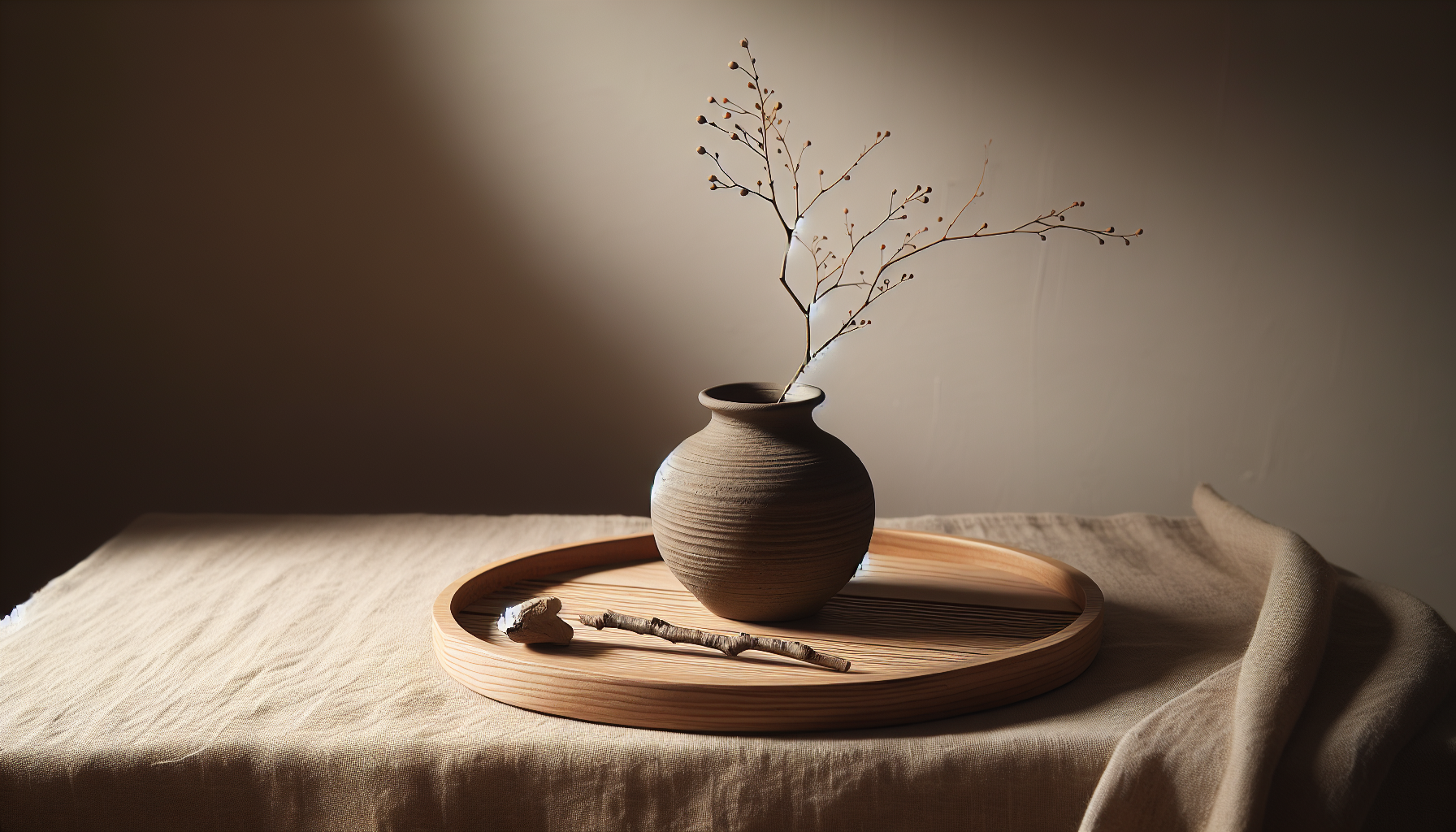
What draws your eye first when you step into a room that looks both crisp and cozy at the same time?
First Impressions of Japandi Homes
When you enter a Japandi home, the first impression often feels like a quiet exhale. You notice a balance between simplicity and warmth, where nothing seems excessive and everything appears thoughtfully placed. This article helps you understand the elements that form those first impressions and shows you how to shape them in your own space.
What Is Japandi?
Japandi is a hybrid interior style that blends Japanese minimalism and wabi-sabi aesthetics with Scandinavian functionality and hygge-like warmth. You experience restraint, craftsmanship, and comfort simultaneously when you look around a Japandi space.
Origins and Philosophy
This style grew from two design traditions that value simplicity, quality, and natural materials. Japanese design contributes an appreciation for imperfection, silence, and refined craftsmanship, while Scandinavian design adds a focus on light, functionality, and comfort. Together they create a pared-back, human-centered aesthetic.
Core Principles
You can think of Japandi as governed by a few guiding ideas:
- Simplicity: Remove clutter and choose purposeful objects.
- Natural materials: Wood, stone, and textiles that age gracefully.
- Functionality: Furniture and layout support daily life with ease.
- Warm minimalism: Minimal doesn’t have to be cold — texture and warm tones create comfort.
- Craft and imperfection: Handmade elements and subtle irregularities are celebrated.
Visual Elements That Shape Your First Impression
Your immediate visual takeaways are driven by color, material, shapes, space, lighting, and living elements. These components work together to produce that recognizable Japandi look and feel.
Color Palette
Color in Japandi is subdued, leaning toward neutral and earthy tones. You’ll see muted greiges, warm beiges, soft blacks, and green or clay accents. The palette supports calm and allows textures to stand out.
Table: Common Japandi Color Palette
| Tone Category | Typical Colors | Effect on First Impression |
|---|---|---|
| Neutrals | Warm greige, beige, cream | Creates a soft, unobtrusive backdrop |
| Dark Accents | Charcoal, muted black, deep brown | Adds depth and visual grounding |
| Natural Hues | Olive, moss green, terracotta | Brings organic life and subtle contrast |
| Wood Tones | Light ash, teak, walnut | Introduces warmth and tactile appeal |
Materials and Textures
Materials are honest and often untreated or lightly finished to show grain and texture. You’ll usually spot oak, walnut, bamboo, linen, cotton, clay, and unpolished stone. These materials invite touch and create an immediate sense of authenticity.
Table: Materials and Their Emotional Impact
| Material | Typical Use | What You Feel |
|---|---|---|
| Oak/Teak/Walnut | Flooring, furniture | Warmth, stability |
| Linen/Cotton | Drapes, upholstery | Softness, breathability |
| Clay/Ceramic | Dishware, vases | Handmade charm, tactility |
| Stone (unpolished) | Hearth, surfaces | Groundedness, permanence |
| Bamboo/Rattan | Accents, screens | Natural rhythm, lightness |
Furniture and Silhouettes
Furniture in Japandi tends to have simple, low silhouettes with clean lines and gentle curves. You notice pieces that are functional but sculptural — a low sofa, a slender coffee table, a platform bed. Proportions are considered; each piece has room to breathe.
Layout and Spatial Flow
Open but purposeful layouts dominate. You’ll observe clear sightlines, uncluttered pathways, and focal areas that invite use without commanding attention. Negative space is used intentionally so that both objects and empty space feel meaningful.
Lighting and Natural Light
Light is a major part of first impressions. Large windows, sheer curtains, and minimal window dressings allow soft natural light to wash surfaces. Artificial lighting is layered and warm, with statement pendants, slim wall sconces, and floor lamps placed to create cozy, functional pockets.
Greenery and Natural Elements
Plants and carefully selected natural decor items appear strategically rather than abundantly. A single sculptural branch or a potted plant brings life and a breath of the outdoors, reinforcing the connection between interior and nature.
Sensory and Emotional Impressions
First impressions of Japandi homes aren’t just visual; they’re tactile and emotional. You sense calm before you read the room.
Calm and Order
When you step into a Japandi home, you often feel instant calm. The restrained color palette, tidy surfaces, and uncluttered layout create an environment that reduces visual noise and allows you to relax quickly.
Warmth and Comfort
Although minimal, Japandi doesn’t sacrifice comfort. Layered textiles, warm wood, and soft lighting make the space inviting. Your impulse is often to sit, linger, and enjoy the quiet.
Subtle Luxury and Craftsmanship
You may notice fine joins, natural imperfections in ceramics, or grain patterns in wood. These details convey quality and craft; they suggest the space is curated with thoughtfulness rather than filled with mass-produced items.
Minimalism with Purpose
The minimalism in Japandi is purposeful: every object tends to have a function or an emotional significance. You rarely see strictly decorative clutter; instead, items are chosen for use, beauty, or memory.
How Others Typically React at First Glance
When someone visits a Japandi home for the first time, their reactions often follow common themes that you can anticipate and shape.
Common Positive Reactions
- “This feels calming” — visitors often mention the relaxed atmosphere.
- “It looks expensive but not pretentious” — the crafted elements communicate quality.
- “Everything feels intentional” — guests notice the lack of clutter and the feeling that objects belong.
Common Misconceptions
- “It’s too minimal to be comfortable” — Some think minimal equals cold; the warmth of wood and textiles contradicts that.
- “It’s only for certain climates” — While Scandinavian elements came from northern climates, Japandi adapts well to many regions because of its focus on materials and light handling.
- “It’s expensive to pull off” — You can achieve the aesthetic through careful choices, upcycling, or mixing high-low elements.
How to Create a Strong First Impression of Japandi in Your Home
If you want your home to project that distinctive Japandi first impression, focus on a few high-impact strategies that don’t all require big budgets.
-
Declutter with intent
- Create open sightlines by removing nonessential items. Keep surfaces purposeful and maintain areas that look breathable.
-
Choose a cohesive color base
- Pick one neutral base and layer warm neutrals plus one natural accent color to keep things unified and calming.
-
Prioritize key furniture pieces
- Invest in a solid sofa or wooden dining table with clean lines. These anchors define the room and carry the aesthetic.
-
Use natural materials
- Replace synthetic textiles and glossy finishes with linen, wool, wood, and ceramics where possible to add authenticity.
-
Add tactile textiles
- Throw blankets, woven rugs, and textured pillows create warmth without clutter. Keep patterns minimal and colors muted.
-
Emphasize craftsmanship
- Opt for handmade ceramics, visible wood grain, and simple joinery that speak to quality.
-
Optimize light
- Maximize natural light and layer warm artificial lighting. Use dimmers to control mood.
-
Bring in greenery thoughtfully
- Choose a few well-placed plants rather than many small ones. Sculptural plants or simple ikebana-style arrangements work well.
-
Create negative space
- Let furniture breathe. Negative space allows each object to be noticed and appreciated.
-
Balance function with beauty
- Make sure storage is integrated and hidden so the room can stay tidy and purposeful.
Table: Quick Changes vs Investment Changes
| Effort Level | Action | Impact on First Impression |
|---|---|---|
| Low (quick) | Declutter surfaces, add a linen throw, rearrange furniture | Immediate sense of order and warmth |
| Medium | Swap heavy drapes for sheers, add plants, change lighting bulbs to warm tones | Noticeable shift toward Japandi ambiance |
| High (investment) | Replace upholstery, install hardwoods, commission crafted furniture | Long-term, authentic Japandi transformation |
Practical Layout Tips
- Create focal zones (seating area, reading nook) with simple furniture grouping.
- Keep pathways clear; you should be able to walk naturally through the space.
- Use rugs to anchor areas, but choose sizes that allow some floor to show at the edges so negative space remains.
Staging Your Home for Guests or Showing
If you want your guests to get the right first impression immediately, prepare a few minutes before they arrive.
- Clear visible clutter and leave only one or two curated items on surfaces.
- Fluff pillows and fold throws neatly; presentation matters even for casual items.
- Open curtains or blinds to let in natural light and ensure lights are on if it’s dim outside.
- Place a small vase with a single branch or flower near the entrance to introduce nature.
These small rituals make the space read as cared for and intentional, which strengthens that calming Japandi impression.
Mistakes That Weaken the Japandi First Impression
Even small missteps can dilute the aesthetic. Avoid these common pitfalls so your initial impact stays strong.
- Over-accessorizing: Too many decorative objects create visual noise and undermine minimalism.
- Mixing too many colors: A saturated palette distracts from the texture and form that Japandi celebrates.
- Neglecting warmth: Using only stark whites and cold metals can make the space feel uninviting.
- Hiding craftsmanship: Covering natural materials with heavy finishes or synthetic coverings diminishes the lived-in, authentic feel.
- Poor lighting: Flat, harsh, or inconsistent lighting ruins the nuanced atmosphere Japandi aims for.
Cost and Sustainability Considerations
You can approach Japandi on any budget if you plan strategically. The style actually lends itself to sustainable choices.
- Buy fewer, better items: Invest in one good sofa or table rather than several trendy pieces.
- Choose timeless materials: Wood and stone can last for decades and often look better with age.
- Upcycle and refinish: You can refinish existing wood furniture with subtle stains or oil to bring it in line with Japandi tones.
- Prioritize local and artisan goods: These often have lower transport footprints and higher longevity.
- Think modular storage: Hidden storage solutions reduce clutter and extend the usefulness of every piece.
When you choose durable, repairable items you’re not only creating a stronger first impression but also reducing waste and long-term cost.
Blending Japandi With Other Styles
You may not want a pure Japandi interior. The style blends well when balanced carefully.
- With modern: Keep modern silhouettes but swap glossy finishes for matte, natural materials.
- With mid-century: Use mid-century forms in teak or walnut with simple upholstery and neutral textiles.
- With boho: Add one or two boho elements like a macramé piece but keep colors subdued and reduce overall clutter.
- With industrial: Introduce warm wood and linen to soften concrete and metal elements.
When you mix styles, maintain a restrained color palette and use repetition of material to keep the look coherent.
Before-and-After Scenarios
Imagine a living room before Japandi adjustments: mismatched decor, bold colors, layered small items on every surface, heavy curtains, and a cluttered coffee table. The space might feel vibrant but visually noisy.
Now picture after:
- Walls painted in warm greige, heavy curtains replaced with light linen sheers.
- A clean-lined wooden table replaces a cluttered coffee table.
- A low-profile sofa with neutral upholstery anchors the room.
- One handmade ceramic vase and a folded wool throw are the only accessories.
- A single sculptural plant stands by the window.
Your first impression shifts from busy and overstimulating to composed and thoughtful.
Checklist: First-Impression Japandi Audit
Use this quick audit to evaluate a room’s initial impact. Check each item and make small adjustments where needed.
Table: First-Impression Japandi Audit
| Element | Does it contribute to calm and warmth? (Yes/No) | Action if No |
|---|---|---|
| Base color (neutral) | Consider repainting or adding neutral textiles | |
| Natural materials visible | Introduce wooden accents or ceramics | |
| Clear sightlines/decluttered surfaces | Remove nonessential objects | |
| Warm, layered lighting | Swap bulbs to warm tones; add lamps | |
| Textured textiles present | Add a linen throw or woven rug | |
| One or two curated focal objects | Replace clutter with intentional pieces | |
| Visible craftsmanship or handmade items | Add a ceramic bowl or wooden bowl | |
| Thoughtful greenery | Place a plant or branch in a vase | |
| Comfortable, simple furniture silhouettes | Reupholster or choose minimalist pieces | |
| Functional, hidden storage | Add baskets or low-profile storage units |
Maintenance and Longevity
To keep that good first impression over time:
- Clean and oil wooden surfaces regularly to maintain the warm patina.
- Rotate textiles seasonally to keep the look fresh and comfortable.
- Keep a small declutter routine: five minutes daily to reset common surfaces.
- Repair or reupholster rather than replace; Japandi values longevity and care.
Small Investments with Big Returns
If you want to spend selectively, these investments have high impact:
- Quality sofa or dining table with simple lines.
- Good rugs in natural fibers sized correctly for zones.
- Proper lighting (a statement pendant and dimmers).
- Window treatment alterations to maximize natural light.
- One or two crafted objects (ceramic, wooden bowls) with visible handwork.
How to Communicate Japandi to Others
If you are describing the style to friends or clients, focus on experience rather than terminology. Say things like:
- “It feels calm, like everything has room to breathe.”
- “You notice texture and craftsmanship right away.”
- “It’s minimal but hospitable — not cold.”
These descriptions help others understand the emotional and functional promises the style delivers.
Final Thoughts
Your first impression of a Japandi home tends to be one of calm intentionality. The look arises from careful choices: muted colors, natural materials, uncluttered layouts, and a balance of warmth and restraint. By focusing on a few key elements — light, texture, curated objects, and purposeful furniture — you can create that reassuring, grounded feeling for your guests and for yourself. Keep things simple, prioritize function and craft, and let the space breathe; that’s the essence of a lasting Japandi first impression.