
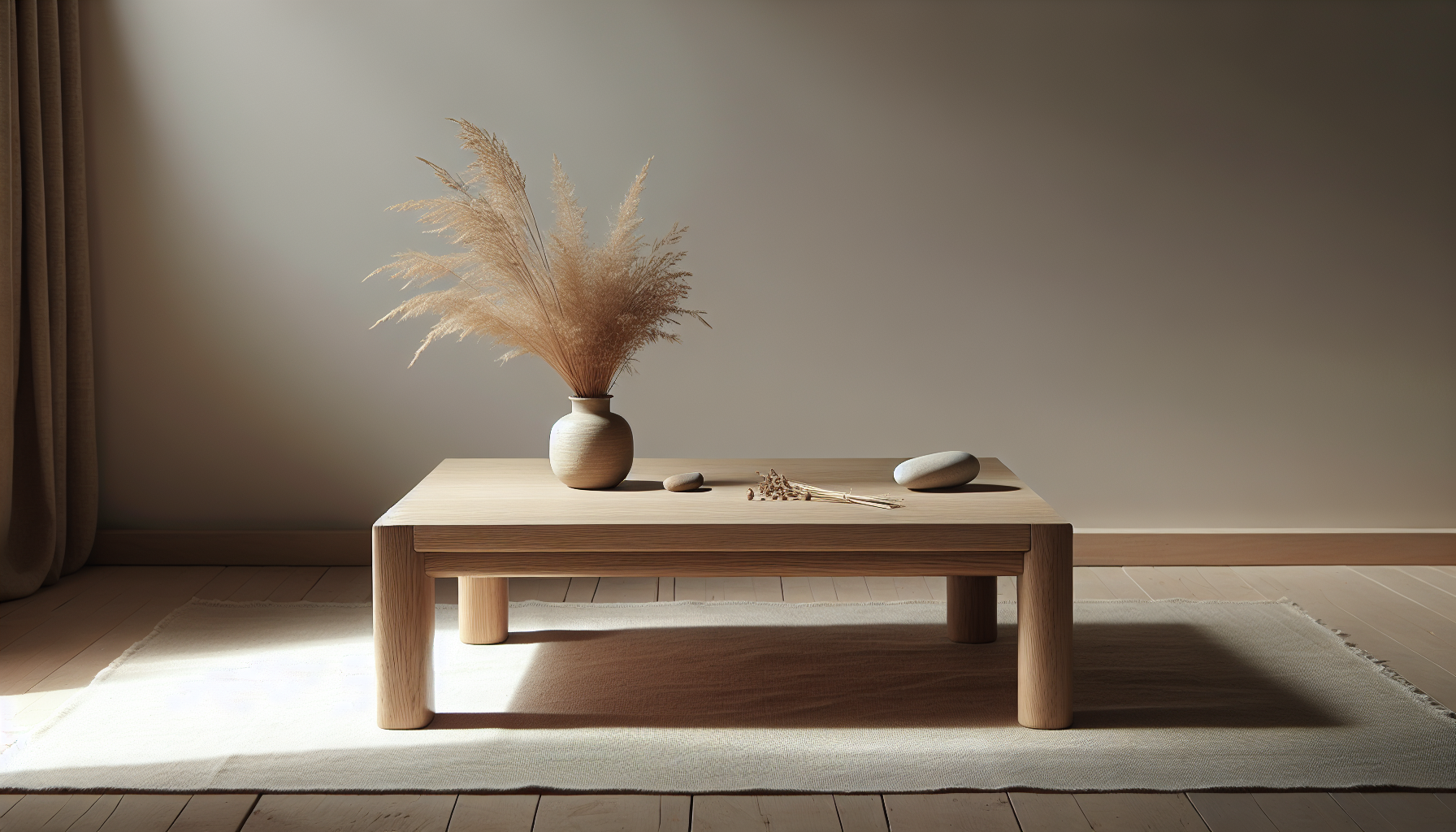
Have you ever wished your furniture could be a quiet partner in helping you feel calmer at home?
Finding Calm Through Japandi Furniture Choices
You’ll learn how Japandi furniture choices create a calm atmosphere that feels intentional and lived-in at the same time. This article will guide you through the principles, materials, colors, shapes, and practical choices that help your space feel quieter and more balanced.
Why people describe Japandi as “calm”
You’ll hear people call Japandi “calm” because the style intentionally reduces visual clutter while maintaining warmth and function. The feeling of calm comes from a blend of simplicity, natural materials, and a focus on crafted, purposeful pieces.
The philosophy behind calm design
Japandi borrows from Japanese minimalism and Scandinavian hygge, both of which value restraint, functionality, and human comfort. You’ll find that the philosophy encourages thoughtful selection and use of objects rather than accumulation, which lowers sensory overload and supports relaxation.
Emotional effects of a restrained palette and form
When you limit color and simplify forms, your eyes and mind have fewer things to process, which reduces mental noise. You’ll notice that softer palettes and gentle shapes create space for rest, reflection, and focus in everyday life.
Core principles of Japandi furniture choices
You’ll use a handful of guiding principles when choosing furniture: simplicity, utility, craftsmanship, natural materials, and a human scale. These principles keep purchases purposeful and aligned with a long-lasting sense of calm.
Simplicity and restraint
Simplicity in furniture means fewer ornate details and a preference for clean lines that feel intentional rather than sparse. You’ll aim to select items that have clear function and form, reducing visual distraction.
Functionality and multi-purpose design
Every piece you bring into a Japandi home should serve a purpose or be adaptable for multiple uses. Choosing functional furniture helps you keep fewer pieces overall and supports a calmer, more efficient living environment.
Craftsmanship and longevity
You’ll favor well-made items that age gracefully rather than fast furniture that clutters and needs frequent replacement. Investing in durable craftsmanship reduces future decision fatigue and supports a slower, calmer lifestyle.
Natural materials and textures
Wood, stone, linen, and ceramic are staples in Japandi interiors because they connect you to nature and add tactile warmth. You’ll notice that these materials also patina with time, enhancing a comfortable and calm atmosphere rather than looking worn out.
Wabi-sabi and hygge influences
Wabi-sabi teaches acceptance of imperfection and an appreciation for the transient nature of objects, while hygge emphasizes comfort and warmth. You’ll combine these influences to create a space that feels both honest and nurturing.
Color and tone choices that promote calm
You’ll rely on a neutral, restrained palette with carefully chosen accents to support peacefulness. The right color palette makes it easier for your mind to relax and keeps visual attention on the experience of the room rather than competing elements.
Neutral base colors
Soft whites, warm creams, muted beiges, and pale grays form the backbone of Japandi color schemes. You’ll find these colors reflect light softly and make rooms feel open without feeling clinical.
Accent tones and contrast
Introduce deeper wood tones, charcoal grays, or muted greens as accents to provide contrast and ground the space. You’ll use accents sparingly to preserve calm while avoiding monotony.
How color affects perceived calm
Cool and muted colors tend to have a soothing effect, while high-saturation hues increase energy and alertness. You’ll select shades that match the mood you want to cultivate—more restful bedrooms and serene living areas benefit from subdued tones.
Materials that foster calm
You’ll choose materials that are tactile, warm, and natural to encourage comfort and sensory ease. The honest expression of material—visible grain, matte finishes, soft fibers—contributes to a calmer, more approachable environment.
Wood: species, finish, and tone
Light woods like ash, oak, and beech are common in Japandi designs because they balance Scandinavian brightness with Japanese warmth. You’ll prefer matte or lightly oiled finishes that preserve texture rather than glossy coatings that reflect light sharply.
Textiles: fibers and weave
Linen, cotton, and natural wool in simple weaves offer texture without visual heaviness. You’ll choose textiles that breathe, drape naturally, and wear better over time, adding to the room’s comfort and subdued aesthetic.
Stone, ceramic, and metal accents
Stone and ceramic objects bring groundedness to a room, while metal is used sparingly for functionality and subtle contrast. You’ll use these materials as tabletop, lighting, or decorative accents to create tactile interest without overwhelming the senses.
Furniture forms and silhouettes
You’ll gravitate toward low profiles, gentle curves, and simple geometry that feel balanced and unassuming. The silhouettes should look purposeful and restful rather than ornamental or aggressively modern.
Low, grounded furniture
Low sofas, shallow-profile beds, and minimalist coffee tables help lower the visual center and create a more intimate feel. You’ll find that grounded furniture encourages relaxed postures and a calm presence in the room.
Gentle curves and soft edges
Rounded corners and softly contoured pieces are pleasant to the eye and reduce visual tension. You’ll notice that curved forms can feel more inviting and comfortable than sharp, angular furniture.
Simple geometry and balanced proportions
Furniture that uses basic geometric shapes—rectangles, circles, modest tapered legs—feels timeless and easy to integrate. You’ll aim for balanced proportions so that each piece contributes to a cohesive, calm composition.
Scale, spacing, and layout for tranquility
You’ll pay attention to scale and negative space to prevent crowded, chaotic rooms. The way furniture is arranged has a direct impact on how calm you feel in a space.
Choosing the right scale for your room
Select furniture that relates to the size of your room; oversized pieces make spaces feel cramped, while too-small items can feel scattered. You’ll measure and visualize before buying to ensure scale supports a restful layout.
The importance of negative space
Negative space gives your eyes places to rest and helps emphasize key pieces without overwhelming the senses. You’ll avoid filling every corner and instead allow for breathing room around each item.
Flow and circulation
Clear paths and unobstructed walkways contribute to physical ease and mental calm. You’ll arrange seating and storage so movement feels natural and undemanding.
Lighting choices to enhance calm
You’ll rely on natural light where possible and layer soft artificial light to create warmth in the evening. Light plays a major role in mood, so thoughtful lighting decisions help you maintain a consistent sense of calm throughout the day.
Maximize natural light
Keep windows relatively unobstructed and use light-filtering curtains to soften harsh sun. You’ll design furniture placement to take advantage of daylight for reading, working, and general well-being.
Layered artificial lighting
Combine ambient, task, and accent lighting to create warmth and flexibility for different activities. You’ll use dimmers, table lamps, and warm LED bulbs to keep evenings gentle and restorative.
Lamps, shades, and indirect light
Lamps with fabric shades and fixtures that cast light indirectly reduce glare and create soothing pools of illumination. You’ll choose lighting that emphasizes texture and warmth instead of stark brightness.
Textures and patterns that calm
You’ll embrace tactile variety through subtle textures rather than bold patterns that demand attention. The right textures invite touch and create visual depth while maintaining a subdued overall impression.
Soft fabrics and natural weaves
Use linen throws, woven rugs, and cotton cushions to add layers of tactile comfort. You’ll prefer small-scale weaves and muted patterns to avoid visual competition.
Minimal patterns and restrained repetition
If you include patterns, keep them simple and low-contrast, such as thin stripes or subdued geometric repeats. You’ll use repetition sparingly to maintain rhythm without creating visual noise.
Contrast through texture, not color
Create interest by pairing smooth surfaces with textured elements—matte wood with a woven cushion or polished ceramic with a raw-linen runner. You’ll avoid high-contrast color pairings and instead rely on tactile variety to keep the space engaging.
Practical furniture choices by room
You’ll make different choices depending on how you use each space, emphasizing relaxation and purpose across rooms. Below are practical suggestions for furniture selection in major areas of the home.
Living room: seating, tables, and storage
Choose a low, comfortable sofa with simple lines and natural upholstery, accompanied by a solid wood coffee table and minimal storage. You’ll favor multi-functional pieces like a storage bench or modular shelving to keep surfaces tidy and calm.
Bedroom: bed frame, bedside tables, and textiles
A low platform bed with a warm wood frame sets a tranquil tone, while minimal bedside tables hold only essentials. You’ll use breathable bedding, a soft area rug, and minimal decorative items to create a restful environment.
Dining area: table and chairs
Select a sturdy wooden dining table with gently tapered legs and simple chairs that invite lingering meals. You’ll avoid heavy table clutter and use a single centerpiece or runner to keep the surface calm.
Entryway: first impressions and storage
An uncluttered entry with a slim bench, closed storage, and a simple tray for keys sets the tone for calm upon arrival. You’ll prioritize functional furniture that encourages quick organization without visual busyness.
Home office: work surfaces and seating
Opt for a clean-lined desk and an ergonomic chair with natural materials for longer comfort. You’ll designate minimal, organized storage for documents and supplies to keep your workspace focused and restful.
Choosing finishes and hardware
You’ll select finishes and hardware that complement the material palette without drawing attention away from the furniture’s form. Subtle, tactile hardware and matte finishes support the calm aesthetic.
Matte and natural finishes
Matte surfaces reduce reflections and keep the look understated and cohesive. You’ll prefer oiled or waxed wood finishes that highlight grain over glossy lacquers that can feel artificial.
Minimal and functional hardware
Choose simple handles or push-to-open mechanisms to keep surfaces clean and unobtrusive. You’ll pick hardware with warm metal tones—like brushed brass or blackened steel—for subtle contrast.
Consistency across pieces
Maintain a consistent approach to finishes and hardware to unify different furniture items. You’ll prevent visual fragmentation by repeating a limited set of finishes across the room.
Storage strategies to maintain calm
You’ll prioritize closed storage and well-planned, attractive organization systems that keep everyday clutter out of sight. Efficient storage ensures your calm rooms remain functional without constant tidying.
Closed storage for a cleaner look
Cabinets, sideboards, and storage beds hide items that would otherwise create visual noise. You’ll use closed storage to keep surfaces clean and maintain a serene atmosphere.
Smart use of open shelving
Open shelving works when curated carefully and limited to a few objects or books with neutral covers. You’ll display meaningful items with consistent spacing and color to prevent cluttered shelves.
Zoning and concealed solutions
Use furniture that doubles as storage—benches with lift-up seats, nested tables, or ottomans with interiors—to keep items accessible but out of sight. You’ll take advantage of multi-functional solutions to preserve calm and order.
Budgeting and buying strategy
You’ll prioritize where to spend and where to save so that you end up with pieces that matter for calm and longevity. Thoughtful budgeting helps you avoid impulse buys that disrupt your intentional vision.
Prioritize investment pieces
Invest in a quality sofa, bed, and dining table because these items define comfort and daily use. You’ll spend more on pieces that need to last and perform well over time.
Save on accessories and soft goods
You can economize on small decor elements and replaceable accessories without harming the overall aesthetic. You’ll use affordable textiles and ceramics to layer texture affordably.
Secondhand and repair-friendly choices
Secondhand furniture and refinishing existing pieces can be economical and sustainable. You’ll look for solid structures that can be refreshed with new cushions or a light finish.
Shopping tips for calm furniture selection
You’ll create a shortlist and test pieces in person where possible to ensure scale, comfort, and tactile qualities match your expectations. Smart shopping reduces returns and regret, helping you maintain a calm decision process.
Test comfort and ergonomics
Sit, lie down, and open drawers to assess comfort and functionality before you buy. You’ll avoid decisions made solely on looks and ensure pieces perform for real-life use.
Look for honest materials labeling
Check that materials are described accurately and finishes are clearly stated so you understand maintenance requirements. You’ll prefer natural materials and certifications when available.
Take samples and swatches home
Bring paint chips, fabric swatches, and wood samples into your space to see how they interact with light and other elements. You’ll avoid surprises that create friction in the design process.
Maintenance tips to keep calm intact
You’ll perform simple regular care to preserve materials and maintain the sense of calm your furniture creates. Regular maintenance prevents small issues from becoming visual distractions.
Basic cleaning and care routines
Dust, vacuum, and lightly clean surfaces according to material guidelines to keep textures and finishes fresh. You’ll address spills quickly and follow manufacturer care instructions to extend the life of pieces.
Periodic refreshes and rotations
Rotate cushions, rugs, and accessories seasonally to keep the space feeling intentional without big overhauls. You’ll swap items in and out to maintain a calm aesthetic while keeping the home dynamic and personal.
Repair over replace
Repairing joints, reupholstering cushions, or refinishing wood prevents frequent replacement and supports calm through continuity. You’ll treat furniture as long-term partners rather than disposable objects.
Common mistakes and how to avoid them
You’ll be mindful of common missteps like over-filling spaces, choosing too many competing styles, or ignoring scale and comfort. Avoiding these errors preserves calm and makes each room more functional.
Filling every inch of space
Crowding a room with furniture may seem cozy but often creates visual tension. You’ll prioritize breathing room and purposeful placement over maximum capacity.
Mixing too many styles or colors
A chaotic blend of styles and colors undermines the cohesive quiet Japandi aims for. You’ll limit variety to a few complementary materials and tones to sustain a peaceful look.
Ignoring comfort for aesthetics
A pretty piece that’s uncomfortable will detract from everyday calm by causing frustration. You’ll balance aesthetics with ergonomics so that beauty and comfort coexist.
Case study examples and practical scenarios
You’ll gain practical context from short examples that show how choices lead to calmer results in different rooms. These scenarios illustrate actionable steps you can take immediately.
Small apartment living room
Choose a compact, low-profile sofa, a slim console for storage, and a small round table to keep flow open. You’ll use a single, soft rug and a few cushions in neutral tones to add warmth without crowding the space.
Family home dining area
Select a durable but simple wooden table and mix matching chairs with one bench for flexibility. You’ll keep table accessories minimal and provide closed storage nearby for easy cleanup to maintain calm after meals.
Bedroom retreat
Stick with a warm wood bed frame, single-tone bedding, and two covert storage solutions to keep surfaces uncluttered. You’ll incorporate soft lighting and a comfortable reading chair to enhance relaxation.
Checklist: quick guide for calming Japandi furniture choices
Below is a concise checklist that you can use while shopping or planning, helping you focus on practical steps for achieving calm.
| Area to consider | Action for calm |
|---|---|
| Palette | Choose neutral base with one muted accent tone |
| Materials | Favor wood, linen, ceramic, and natural fibers |
| Scale | Measure room and select furniture proportionally |
| Storage | Prioritize closed storage and multifunction pieces |
| Comfort | Test seating and sleep surfaces in person |
| Lighting | Layer natural and soft artificial light; use dimmers |
| Texture | Mix subtle textures rather than bold patterns |
| Finish | Use matte or oiled wood finishes, minimal hardware |
| Budget | Invest in durable pieces; save on accessories |
| Maintenance | Create a routine for cleaning and small repairs |
You’ll keep this checklist handy to make consistent, calm-forward decisions when furnishing your home.
Final thoughts on cultivating calm through furniture
You’ll find that calm is less about achieving a cold minimalism and more about curating objects that support your daily life. Thoughtful furniture choices rooted in Japandi principles foster an environment where you can rest, focus, and feel more at ease.
How to begin your Japandi calm journey
Start by identifying one room or one piece to change that will have the biggest impact on your daily calm, such as your bed or sofa. You’ll gradually build a cohesive collection of furniture that supports the lifestyle you want without rushing purchases.
Long-term approach to a calm home
Make decisions that favor longevity, repairability, and a cohesive palette so that your calm endures over years. You’ll appreciate how a steady, patient approach to furnishing creates more lasting serenity than quick design trends.
By applying these Japandi furniture principles and practical tips, you’ll transform your home into a place where calm is built into the choices you make every day.