
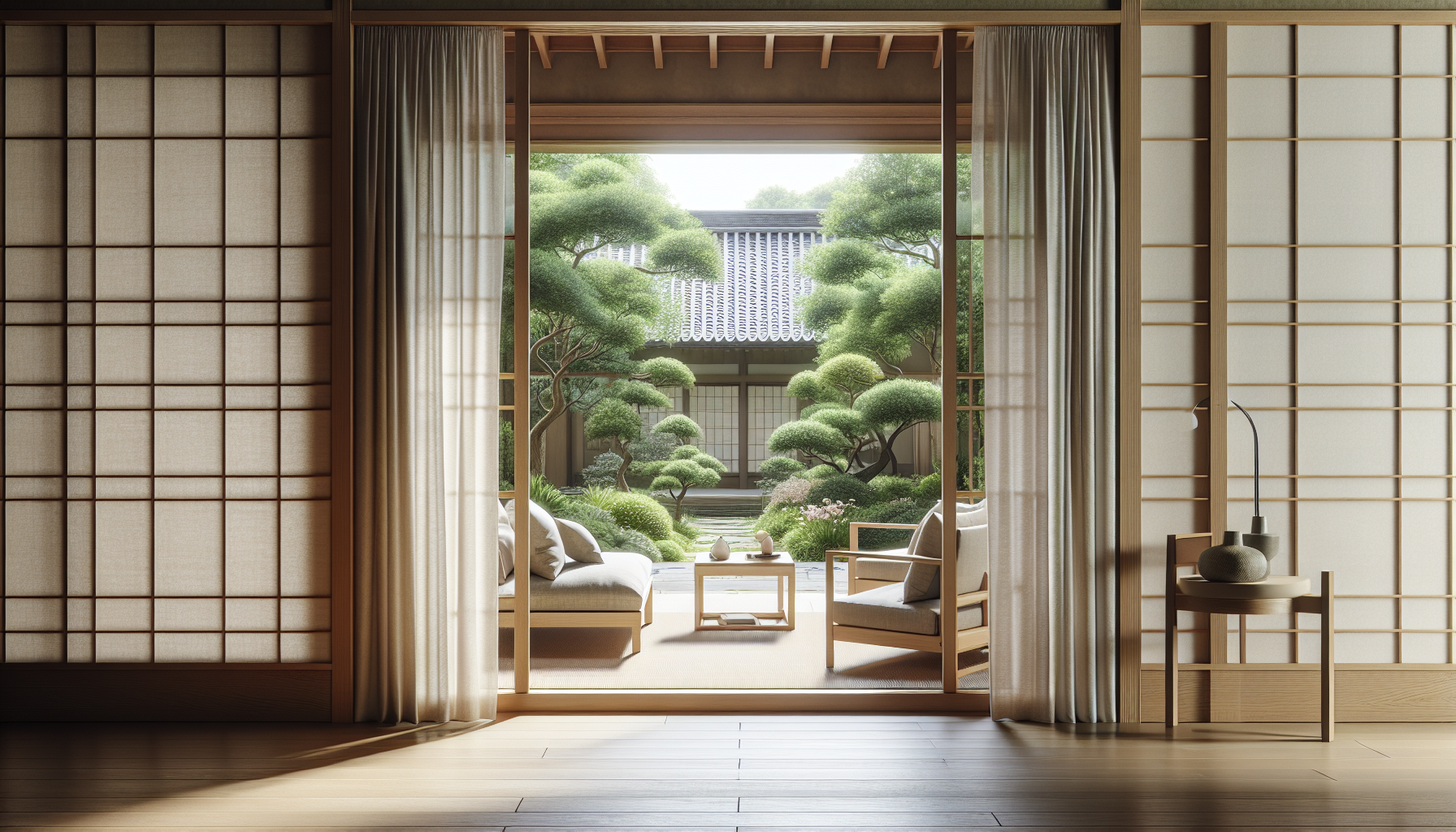
Have you ever wondered how different styles of architecture utilize natural light to create warmth and enhance the living experience? Let’s take a closer look at the Japandi design style and how it masterfully incorporates natural light into building design.
Understanding Japandi Design
Japandi is a beautiful amalgamation of Japanese minimalism and Scandinavian functionality. It seamlessly merges the elegance of Japanese aesthetics with the warmth and coziness characteristic of Scandinavian design. One of the core tenets of both styles is the effective use of natural materials, and of course, natural light.
The Importance of Natural Light
Natural light is not just an aesthetic choice; it plays a vital role in our well-being. Exposure to natural light helps regulate your sleep-wake cycle, boosts mood, and can enhance productivity. In Japandi design, light is used to create harmony and tranquility within a space, promoting a peaceful atmosphere.
The Role of Windows
One of the first things you might notice in a Japandi space is the placement and design of windows. They are often large and strategically placed to invite ample sunlight into living areas.
Large Windows and Open Spaces
Large windows not only let in plenty of natural light, but they also create a sense of openness. In Japandi design, you’ll often find expansive windows that connect the indoors with the outdoors. This connection invites a sense of peace and clarity into your home.
- Benefits of Large Windows:
- Increased natural light
- Enhanced views of nature
- Improved ventilation
Traditional Shoji Screens
Incorporating traditional Japanese shoji screens into your living space is another clever way to utilize light. These wooden, latticed screens covered with washi paper filter light beautifully, creating a soft, diffused ambiance.
- Benefits of Shoji Screens:
- Natural light diffusion
- Privacy without sacrificing brightness
- Aesthetic charm
Choosing the Right Materials
The materials you choose can significantly influence how light interacts within your space.
Light-Colored Woods
Many Japandi designs feature light-colored woods such as pine or ash. These materials not only reflect natural light but also help in creating a warm and inviting atmosphere.
- Advantages of Light-Colored Woods:
- Light reflection enhances brightness
- Creates a feeling of spaciousness
- Timeless appeal
Natural Textiles
Using textiles in soft, light shades can also aid in maximizing the effects of natural light. Think of cotton or linen curtains that blend seamlessly with your space, allowing light to flow through.
- Benefits of Natural Textiles:
- Light-filtering effects
- Comfortable and inviting atmosphere
- Eco-friendly options
Open Concept Layouts
An open concept layout is a hallmark of Japandi design. This approach not only optimizes space but also allows light to move freely throughout your home.
Flow Between Rooms
In a well-designed Japandi space, the transition between different areas is smooth. An open living room that opens directly into the dining area encourages light to travel effortlessly.
- Benefits of Open Layouts:
- Enhanced natural light distribution
- Better social interactions
- Airy feeling throughout the home
Zoning with Light
Incorporating natural light effectively can also help in zoning spaces. For instance, different areas can have variations in light intensity to define what activities are best suited for each space.
- How to Zone with Light:
- Use sheer curtains to filter sunlight in workspaces
- Implement darker tones in relaxation areas for a cozier feel
- Brighten dining spaces to encourage lively gatherings
Indoor-Outdoor Connection
Creating a connection between your indoor spaces and the outside world is a vital aspect of Japandi design. It enhances the amount of natural light entering your home while providing a serene view of nature.
Biophilic Design Elements
Incorporating plants and greenery not only improves air quality but also acts as a natural light source. Japandi spaces often blend indoor plant life with the architecture of the home, inviting natural beauty indoors.
- Benefits of Biophilic Design:
- Enhanced natural light and visibility
- Promotes a sense of peace and relaxation
- Overall improved well-being
Courtyards and Light Wells
Integrating courtyards or light wells can also drastically improve natural light access. These features allow sunlight to filter into darker spaces further inside your home.
- Advantages of Courtyards:
- Direct light and fresh air
- An attractive focal point
- Enhanced privacy
Color Palettes That Enhance Natural Light
The colors you choose can make a significant difference in how light is perceived in your space.
Neutral Color Schemes
Japandi design often relies on neutral shades like whites, beiges, and soft grays. These colors not only reflect light better but also create a calm and relaxing atmosphere.
- Benefits of Neutral Colors:
- Brightens the overall space
- Provides a versatile backdrop
- Enhances a minimalist aesthetic
Accents and Contrast
While neutral tones dominate, don’t shy away from adding darker accents. Deep blues, muted greens, and earthy browns can create warmth while enhancing the light within.
- How to Use Accents Effectively:
- Choose statement furniture in darker shades
- Use accessories to introduce splashes of color
- Balance with light fixtures for brightness
The Impact of Lighting Fixtures
While natural light is key, artificial lighting should not be neglected in a Japandi-style home. The right fixtures can complement and enhance the natural light during the evening hours.
Minimalist Lighting Designs
Look for simple lighting designs that align with the Japandi aesthetic. Fixtures made from wood or bamboo often fit seamlessly with both Japanese and Scandinavian elements.
- Why Minimalist Fixtures Work:
- They don’t overpower the space
- Enhance the natural beauty of wood and light
- Foster an uncluttered look
Layered Lighting
Incorporating multiple sources of light can create depth and warmth within your space. Consider a combination of ambient, task, and accent lighting.
- Benefits of Layered Lighting:
- Flexibility for different activities
- Enhances mood and ambiance
- Creates a visually interesting environment
Seasonal Considerations
The design can also adapt to seasonal changes, affecting how you utilize natural light.
Seasonal Adjustments for Light Control
As the seasons change, so does the angle of sunlight. You may want to consider adjustable window treatments to help control light levels throughout the year.
- Tips for Seasonal Adjustments:
- Use shades or blinds to control excess sunlight in summer
- Consider heavier fabrics in winter to maintain warmth
- Plan outdoor shading options for summer months
Seasonal Decor
Incorporating decorative elements that reflect the season can also enhance how light interacts with your space. For instance, using vibrant autumn colors or soft spring pastels can create a warm inviting ambiance.
- How Seasonal Decor Helps:
- Keeps the environment fresh and dynamic
- Boosts mood and evokes the essence of each season
- Enhances natural light in interesting ways
Conclusion: A Harmonious Balance of Light
You can see that Japandi design beautifully marries the essence of natural light with functional elegance. By focusing on large windows, thoughtfully selected materials, open layouts, and strategic color choices, you create a space that not only looks stunning but also promotes well-being and tranquility.
You don’t have to live in Japan or Scandinavia to bring these principles to your home. By incorporating these ideas into your own space, you can achieve a harmonious balance that welcomes natural light in a way that enhances your everyday experience. So, how about starting to incorporate these elements into your home? It could be just the touch of serenity and coziness you’ve been looking for!