
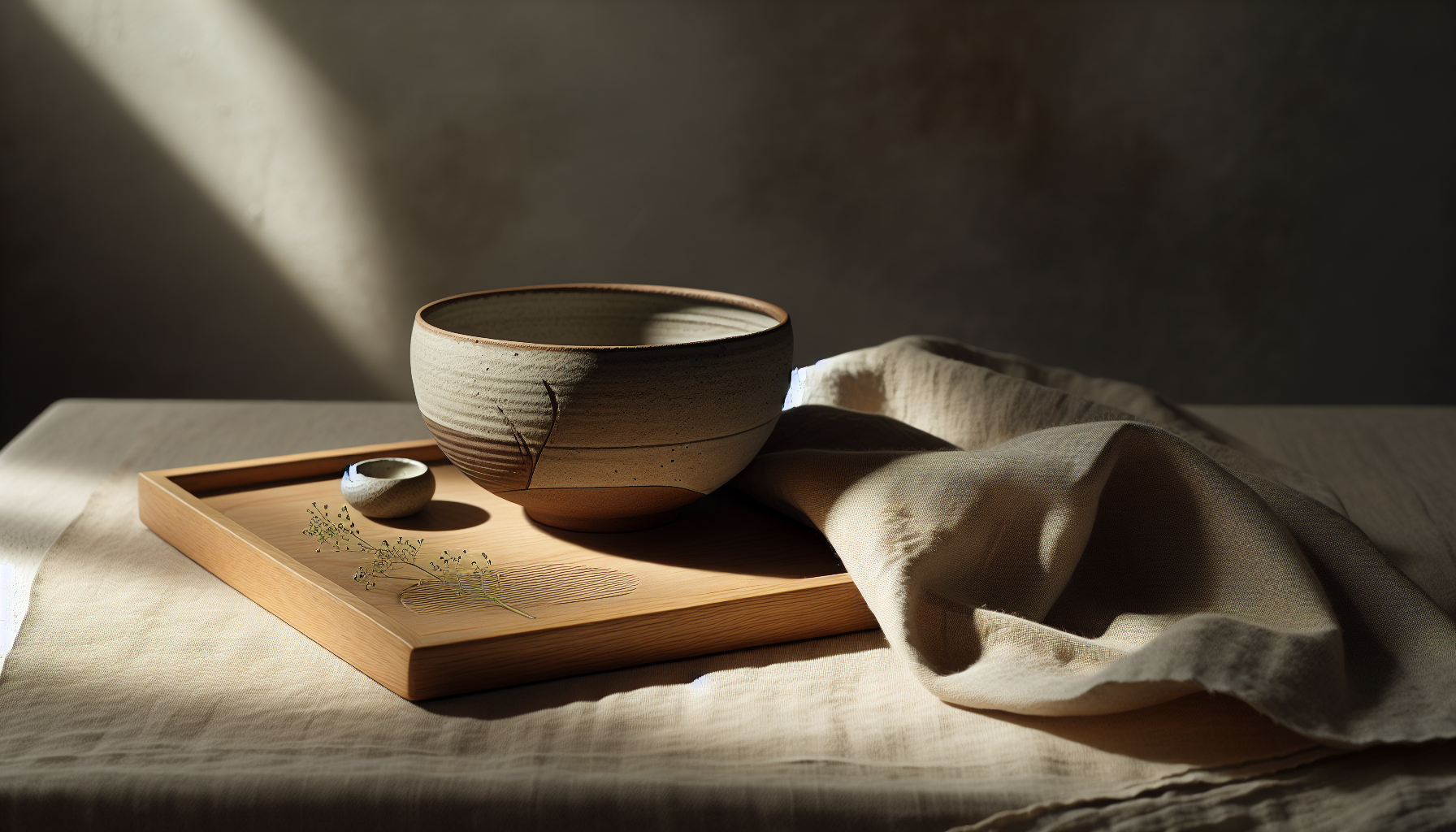
What does intentional living look like when you combine the quiet restraint of Japanese aesthetics with the warm simplicity of Scandinavian design?
Embracing intentional living in Japandi design
Japandi brings together two traditions that share a respect for craftsmanship, natural materials, and purposeful simplicity. This marriage creates spaces that feel calm, considered, and deeply livable, and you can use these principles to shape the way you live every day.
What “intentional living” means in a Japandi context
Intentional living in Japandi isn’t just about minimalism or a specific color palette. It’s a mindset you apply to your possessions, routines, and spatial decisions. You choose items for their usefulness, beauty, and emotional resonance. You design spaces that encourage calm, slow living, and mindful use of every object and surface.
Intentional living asks you to examine why things are in your home and whether they serve the life you want. In Japandi, that reflection is paired with an appreciation for texture, craftsmanship, and the slow aging of natural materials.
Origins and influences of Japandi
Japandi is a hybrid aesthetic that combines Japanese wabi-sabi traditions with Scandinavian modernism. Understanding both roots helps you make thoughtful design choices that aren’t just trendy but meaningful.
Japanese design often emphasizes empty space, asymmetry, and materials that age gracefully. Scandinavian design focuses on functionality, light, and cozy textures that promote hygge. Together, they create spaces that are minimal yet warm, imperfect yet refined.
Core principles of Japandi intentional living
These principles guide your choices about furniture, color, layout, and routines. They also help you decide what stays and what goes.
- Purposeful minimalism: Keep items that are useful or meaningful, and remove the rest.
- Natural materials: Favor wood, stone, linen, and clay for their tactile warmth and longevity.
- Calm palette: Use neutral tones to create visual rest and emphasis on texture.
- Craft and quality: Invest in pieces that are well-made and likely to last or gain character.
- Harmony and balance: Arrange spaces to feel balanced, not cluttered, with focal points that invite calm.
The role of wabi-sabi and hygge
Wabi-sabi accepts imperfection and transience; hygge focuses on comfort and well-being. In your Japandi home, these philosophies work together: you appreciate imperfect handmade objects while ensuring your spaces are cozy and functional.
You’ll be more likely to select handcrafted pottery that shows the maker’s marks and choose seating that invites you to linger, rather than accessories that collect dust.
How to begin: mindset and small steps
You don’t need to overhaul everything at once. Start by slowing down and asking simple questions: Do I use this? Does it bring me joy? Does it make my life easier or calmer?
Begin with one area — a tabletop, a shelf, or a drawer. Declutter gently, keeping items that are useful or emotionally meaningful. Replace cheap, disposable items gradually with durable alternatives.
Designing with intention: layout and flow
A Japandi layout prioritizes clear circulation paths and flexible spaces. You should design rooms to accommodate daily life without visual noise.
- Keep key pathways unobstructed.
- Arrange seating to encourage conversation and comfort.
- Use open negative space around important objects to allow them to breathe visually.
The arrangement should reflect how you live. If you work from home, honest consideration of your workflow will help you integrate a work area that’s both functional and calm.
Color palette and materials
Japandi palettes are neutral and grounded. You want hues that soothe and materials that age well.
- Base colors: off-white, warm beige, soft gray.
- Accent tones: muted greens, indigo, deep brown, charcoal.
- Materials: oak, walnut, oak veneer, bamboo, concrete, stone, linen, wool, cotton, and ceramics.
Table: Common materials and why they work in Japandi
| Material | Why it works | How to use it |
|---|---|---|
| Oak (light) | Warmth, durability, Scandinavian influence | Flooring, furniture, shelving |
| Walnut (dark) | Rich contrast, Japanese depth | Accent furniture, frames |
| Linen | Breathable, tactile, ages softly | Curtains, cushions, bedding |
| Wool | Warmth, texture | Throws, rugs |
| Ceramics | Imperfect, handcrafted feel | Tableware, vases |
| Stone/Concrete | Grounding, tactile | Countertops, planters |
| Bamboo | Sustainable, lightness | Blinds, small furniture |
| Paper (washi) | Softens light, traditional | Lamps, room dividers |
Furniture: selection and placement
Choose furniture that is proportionate, low to the ground when possible, and multipurpose. Invest in quality pieces that suit your scale and lifestyle.
- Prioritize function: A sofa should be comfortable; a table should be the right height and shape for use.
- Favor simple silhouettes and tapered legs that give a sense of lightness.
- Mix wood tones thoughtfully: keep a consistent undertone (warm vs. cool) to avoid visual clash.
Placement tips:
- Anchor seating with a rug that defines the area without overwhelming it.
- Allow space behind furniture so the room breathes.
- Use open shelving to display curated items rather than many knickknacks.
Lighting: layering for mood and function
Lighting in Japandi blends natural and artificial sources to create warmth and clarity.
- Maximize daylight: keep window treatments light and simple.
- Layer lighting: ambient (overhead), task (reading lamps), and accent (spot or wall lamps).
- Select fixtures with organic shapes and natural materials, like paper lanterns, woven shades, or ceramic bases.
Soft, shifted light is more calming than stark overhead brightness. You might add dimmers for flexibility.
Textiles and soft furnishings
Textiles bring warmth and human scale to Japandi spaces. You should choose fabrics with neutral tones, natural fibers, and tactile interest.
- Linen curtains and pillow covers add a lived-in look.
- Wool rugs provide warmth and acoustic comfort.
- Use limited patterns: subtle stripes or tonal ikat are fine, but keep busy prints minimal.
Layer textiles for comfort: a wool throw over a linen sofa and a cotton cushion make seating inviting without clutter.
Storage: hidden and beautiful
Intentional living requires good storage so clutter doesn’t accumulate. Japandi favors clean lines and solutions that conceal everyday items.
- Built-in cabinetry with push-to-open fronts keeps surfaces clear.
- Baskets in natural fibers are practical and visually warm for magazines, blankets, or toys.
- Use trays and small bowls to corral daily objects like keys and glasses.
Design storage to be part of the aesthetic, not an afterthought.
Bringing nature indoors: plants and materials
Plants in Japandi are used sparingly yet intentionally. They pursue the same calm and natural focus as furniture and materials.
- Choose low-maintenance plants like snake plants, ficus, or bonsai for structure.
- Use ceramic or matte planters in neutral tones.
- Incorporate single-branch arrangements or ikebana-style displays to emphasize minimalism.
Natural materials like unvarnished wood, stone, and clay will show wear attractively and help you feel connected to the outdoors.
Daily rituals and routines for intentional living
Designing a Japandi home includes shaping daily habits that support calm and order.
- Morning routine: make your bed, open window coverings, and prepare a simple breakfast at a clear counter.
- Evening ritual: dim lights, put away devices, lay out clothing for the next day.
- Weekly refresh: tidy surfaces, sweep floors, and switch linens on a set day to maintain rhythm.
These habits help your surroundings remain purposeful and prevent clutter buildup.
Room-by-room guidance
Breaking down intent room by room helps you apply Japandi principles practically.
Living room
The living room should be a space for relaxation and connection. Keep seating comfortable and uncluttered, with a single focal point like a low-profile coffee table or a handcrafted lamp. Limit decorative items to a few meaningful objects and one or two plants.
Kitchen
Function and flow matter most in the kitchen. Use durable, easy-to-clean materials and keep countertops mostly clear. Store frequently used items within arm’s reach and hide less-used appliances. Choose simple tableware and maintain an organized pantry.
Bedroom
The bedroom is a sanctuary. Invest in a quality mattress, use natural bedding, and maintain a simple bedside surface. Choose calming colors and limit electronics to create a restful environment.
Bathroom
Keep the bathroom tidy and spa-like. Select ceramic containers for toiletries and soft towels in neutral tones. Integrate small storage solutions to keep personal items out of sight.
Entryway
The entryway is the transition into your home. Use a dedicated place for shoes and outerwear. A small bench, a shallow tray for keys, and a mirror maintain order and offer a warm, practical first impression.
Home office
For focused work, create a clutter-free desk and storage system. Natural light and a comfortable chair keep you productive. Use closed storage to keep paperwork from overwhelming the space.
Table: Room checklist for Japandi intentional living
| Room | Key focus | Quick actions |
|---|---|---|
| Living room | Comfort + calm | One focal seating area, minimal decor, curated shelf |
| Kitchen | Functionality | Clear counters, accessible storage, durable materials |
| Bedroom | Rest | Natural bedding, minimal electronics, soft lighting |
| Bathroom | Spa simplicity | Neutral textiles, hidden toiletries, plants |
| Entryway | Transition | Shoe storage, small bench, tray for essentials |
| Home office | Productivity | Clean desk, good light, cable management |
Curating objects: keep, donate, or store
Use a simple decision framework for objects:
- Keep if it’s used regularly, essential, or deeply meaningful.
- Donate if it’s usable but not important to your daily life.
- Store if it’s seasonal or occasionally used and you have an organized system.
Make decisions slowly and without guilt. Intentional living is about alignment, not deprivation.
Sustainable choices and longevity
Japandi favors items that last, which aligns naturally with sustainable values. When choosing furniture or textiles, consider materials, manufacturing practices, and repairability.
- Prefer solid wood over particleboard.
- Choose natural fibers and avoid fast-fashion home textiles.
- Repair rather than replace: sanding and oiling a wooden table can extend its life and deepen its character.
Small sustainable choices add up over time and make your home more resilient.
Sourcing and budget-friendly tips
You don’t need to spend a fortune to create a Japandi home. Focus on three key pieces per room and build around them.
- Thrift stores and flea markets: find unique, well-made items that tell a story.
- Upcycle what you already own: a fresh coat of matte paint or new upholstery can transform a piece.
- Buy intentionally: save for higher-quality items you’ll use daily rather than buying many cheap objects.
A strategic approach to purchasing will reinforce the intentional mindset you’re cultivating.
Common mistakes and how to avoid them
Even with good intentions, there are pitfalls to watch for when adopting Japandi principles.
- Too sparse = sterile: Balance minimalism with texture and warmth so rooms feel lived-in.
- Mismatched tones: Keep wood undertones coherent to avoid visual tension.
- Over-curation: Allow personal items that foster connection; too much editing can feel impersonal.
Address these by testing arrangements, bringing in soft textiles, and keeping some personal artifacts visible.
Personalization without clutter
You can personalize a Japandi space without breaking its calm. Use a small number of meaningful items such as a framed photo, a handmade bowl, or a textile passed down in the family. Display them deliberately and rotate items seasonally so your environment remains fresh.
Lighting and seasonal adjustments
Adjust lighting and textiles with the seasons to maintain comfort.
- Winter: heavier throws, warm bulbs, candles.
- Summer: light linens, natural cooling (open windows), woven shades.
- Transitional seasons: introduce plants and swap cushion covers for lightweight fabrics.
This seasonal choreography keeps your home aligned with natural rhythms and supports intentional routines.
Maintaining intentional spaces with family or roommates
If you share your home, set shared guidelines that honor Japandi principles while accommodating different needs.
- Unified storage systems: labeled bins and shared shelves help maintain order.
- Shared rituals: a nightly ten-minute tidy-up keeps communal spaces calm.
- Personal zones: let each person have a small area to display meaningful items.
Good communication and compromise will help everyone feel respected in the shared environment.
Case studies: three small scenarios
Seeing scenarios can help you visualize applying Japandi to real life.
- Single professional in a studio: prioritize dual-purpose furniture like a bench with storage and a foldable dining/desk table. Keep decor minimal and choose a soothing palette to compensate for small square footage.
- Young family in a two-bedroom: select durable textiles and storage solutions for toys. Use baskets and low shelving so children can tidy up, teaching intentional habits early.
- Retiree in a bungalow: invest in comfortable seating and tactile textiles, add bonsai or simple ikebana displays, and keep pathways unobstructed for mobility.
Each scenario emphasizes the same core: function first, curated beauty second.
Measurement and proportion for scale
Good proportion keeps your space balanced. Measure before you buy: ensure furniture scale matches room size. A bulky sofa in a small room breaks the calm, while too-small furniture in a large room feels lost.
- Leave walking space: at least 60–90 cm (2–3 ft) around major furniture.
- Use rugs to anchor zones: rugs should be large enough so front legs of furniture sit on them to unify the area.
These adjustments make your space feel intentional and well-planned.
Visual contrast and focal points
Japandi uses subtle contrasts—light vs. dark wood, matte vs. glossy finishes—to create interest without clutter. Choose one or two focal points per room: a textured wall, a handmade pot, or a low statement cabinet. The rest of the room should support, not compete.
Long-term maintenance and aging gracefully
Part of intentional living is accepting and celebrating the aging of materials. Oiled wood and linen will develop a patina; ceramic may show hairline marks. Rather than hiding signs of use, maintain your pieces with simple care: oil wooden surfaces, wash linens gently, and repair textiles when needed.
This approach values longevity and the story your items tell over time.
Quick-action checklist to start today
- Clear one surface (tabletop, shelf) and leave only 3–5 items.
- Choose one natural material to emphasize this month (linen, wood, stone).
- Create a five-minute nightly tidy routine.
- Replace one cheap, frequently used item with a quality alternative.
- Add one plant or single-branch arrangement for life and texture.
These small actions begin the habit loop of intentional living.
Final thoughts: living with intention through Japandi design
Japandi is more than aesthetics; it’s a way of living that helps you prioritize calm, function, and beauty. By choosing fewer objects that are meaningful or useful, creating spaces that encourage rest and connection, and adopting daily rituals that keep your environment clear, you’ll create a home that reflects your values and supports your life.
Take small steps, be patient with the process, and enjoy how mindful choices about your environment can change your daily experience. Your home will become a place of quiet purpose and gentle warmth that invites you to live more intentionally.