
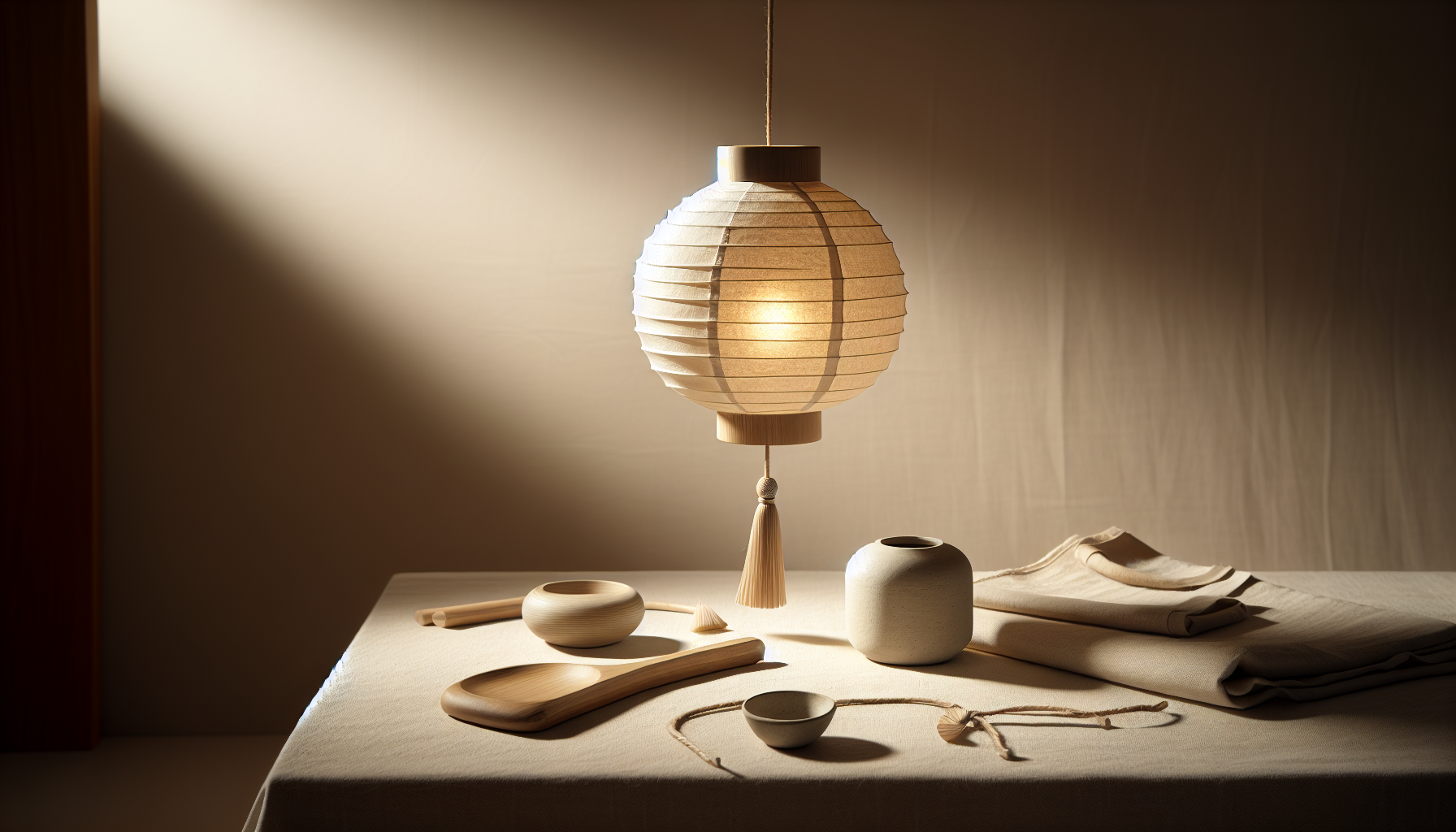
Are you trying to create a calm, elegant interior where lighting feels as natural and balanced as the furniture and textures?
Elegant Japandi Lighting Fixtures for Serene Interiors
Japandi lighting merges Japanese restraint with Scandinavian warmth, giving you fixtures that are simple, functional, and quietly beautiful. In this article you’ll learn which fixtures read as most elegant in a Japandi setting, how to choose materials and finishes, how to layer light, and how to size and place pieces so your rooms feel serene and purposeful.
What is Japandi?
Japandi is a hybrid design approach that blends the minimal, functional aesthetic of Scandinavian design with the refined, wabi-sabi influenced restraint of Japanese interiors. You’ll find a focus on clean lines, natural materials, neutral palettes, and craftsmanship that values utility and calm.
Japandi interiors prioritize tactile materials like wood, linen, paper, and ceramic; lighting must harmonize with those materials rather than compete with them. The result is an environment that feels warm, ordered, and quietly luxurious.
Why lighting matters in Japandi design
Lighting in Japandi spaces does more than illuminate — it defines mood, highlights texture, and supports mindful living. You’ll want fixtures that provide soft, layered light, emphasize natural materials, and offer unobtrusive forms.
Choosing lighting that complements rather than dominates will help you keep rooms restful and coherent. Proper lighting enhances the calming, considered look Japandi aims for.
Core principles for Japandi lighting
Simplicity and restraint
Keep forms minimal and unadorned so lighting reads as quiet and essential within your space. Fixtures with modest silhouettes help maintain visual calm while still making design statements.
Function should guide form: lighting must work well for the room’s purpose while remaining aesthetically simple. Avoid excessive ornament and choose pieces with purposeful design.
Natural materials and tactile textures
Wood, paper, linen, rattan, stone, and matte ceramics are the hallmarks of Japandi fixtures. These materials bring warmth and texture that pair perfectly with the style’s neutral palette.
You’ll find that natural materials soften light and create subtle shadows, lending a handcrafted sensibility that supports the overall aesthetic.
Warmth and soft, layered light
Aim for warm white bulbs (typically 2700–3000K) and multiple layers of lighting — ambient, task, and accent — to create depth. Soft light helps reveal textures without harsh glare.
Dimmers and warm-dim LEDs are essential tools so you can tune light levels for different times of day and activities. Warm, indirect light enhances the cozy feel central to Japandi.
Functionality and scale
Keep fixtures proportional to the room and the activities that happen there. Practicality is as important as beauty; a fixture should meet required light levels and not be purely decorative.
Scale matters: oversized or undersized fixtures will disrupt the balance you want to achieve. Use basic sizing rules to maintain harmony.
Signature Japandi lighting fixtures
Paper and rice-paper lanterns (Akari-style)
Rice-paper pendants and lanterns produce a soft, diffused glow that’s synonymous with Japanese interiors. You’ll appreciate their serene light that reduces harsh shadows and creates a contemplative atmosphere.
These fixtures often feature spherical or cylindrical shapes and work well as central ambient lights in living rooms, lounges, or bedrooms.
Wooden slat and linear pendants
Wood slat pendants and linear wooden fixtures are where Scandinavian form meets Japanese craftsmanship; they give you clean geometry and a tactile surface. Light filtered through slats casts subtle patterns and adds interest without ornament.
These work beautifully over dining tables, kitchen islands, or as architectural statements in open-plan spaces.
Woven and rattan pendants
Woven pendants made from rattan, bamboo, or wicker provide natural texture and a relaxed, handcrafted look. Their porous structure creates enchanting light patterns while remaining light in visual weight.
You’ll find them ideal for casual dining nooks, entry areas, and bedrooms where warmth and texture matter.
Ceramic and porcelain pendants
Matte ceramic shades with soft shapes feel restrained and sculptural; they pair well with wooden furniture and neutral textiles. Ceramic tends to direct light downward, making it useful for task areas without being obtrusive.
Choose subtle glazes or unglazed finishes to maintain an earthy, understated aesthetic.
Linen or fabric drum shades
Linen shades offer diffuse, warm light and a soft silhouette that complements both Scandinavian and Japanese elements. Their fabric texture enhances an intimate atmosphere while keeping the design simple.
Drum shades can be used on floor and table lamps to add focused, cozy pools of light.
Minimalist metal and matte finishes
Thin-profile metal fixtures in matte black, soft brass, or muted bronze give you clean lines without visual noise. In Japandi interiors, metal often serves as an accent rather than the main material, balancing warmer textures.
Use these for sconces, adjustable reading lamps, or refined pendant stems where minimal metal detail is desired.
Low-profile wall sconces and adjustable task lights
Wall sconces and adjustable task lamps provide directed light where you need it most while preserving floor space. They are ideal next to beds, seating areas, or workspaces.
Choose models with soft joints and muted finishes to keep the look understated.
Floor lamps with wooden or paper elements
Floor lamps that combine a wooden base with paper or linen shades anchor corners with gentle light. They enhance vertical rhythm and provide ambient or reading light without overpowering the room.
Use them to fill a dark corner and tie together different material elements of your room.
Recessed and indirect lighting
Recessed and cove lighting delivers seamless ambient illumination that supports calm interiors. Indirect light washes walls and ceilings, maintaining a serene, uncluttered visual field.
Concealed lighting is especially effective in Japandi spaces because it emphasizes architecture and materials rather than fixtures themselves.
Fixture comparison table
| Fixture type | Typical materials | Best rooms | Light quality | Design notes |
|---|---|---|---|---|
| Rice-paper lanterns | Rice paper, bamboo frame | Living room, bedroom, entry | Very diffused, warm | Soft ambiance, fragile — handle gently |
| Wooden slat pendants | Oak, ash, walnut | Dining, kitchen island, living | Filtered, warm | Architectural, tactile |
| Woven/rattan pendants | Rattan, bamboo | Dining, bedroom, porch | Patterned, warm | Handcrafted look, lightweight |
| Ceramic pendants | Porcelain, stoneware | Dining, kitchen, bathroom | Downward directed, warm | Sculptural, durable |
| Linen drum shades | Linen, cotton | Living, bedroom | Diffused, warm | Soft texture, versatile |
| Minimalist metals | Steel, brass (matte) | Hallways, task areas | Focused, workable | Accentuates form with restraint |
| Wall sconces | Wood, metal, ceramic | Bedrooms, corridors | Task/accent | Space-saving, directional |
| Floor lamps | Wood + fabric/paper | Living rooms, reading nooks | Localized ambient | Anchors corners, adds height |
| Recessed/indirect | LED strips, plaster coves | All rooms | Even ambient | Invisible fixtures, modern finish |
Bulbs, color temperature, and light quality
Color temperature and mood
Choose warm white bulbs in the 2700–3000K range to achieve the cozy, inviting atmosphere central to Japandi interiors. Cooler light undermines the soft, natural palette and can feel clinical.
For task areas where color accuracy matters (kitchen prep, reading), select bulbs with high CRI (90+). Warm-dim LEDs mimic incandescent behavior, dimming to an amber glow that enhances comfort.
Bulb type and efficiency
LEDs are the practical choice: energy-efficient, long-lasting, and available in warm tones and high CRI options. Look for LED lamps labeled warm-dim or with high CRI to keep colors and materials looking natural.
Smart bulbs give you flexibility for scene-setting, but keep interfaces simple to match Japandi restraint. Avoid overly gimmicky color features that conflict with the aesthetic.
Light output and lumen guidelines
Match lumens to room activity: general ambient in living areas typically needs 1,500–3,000 lumens overall, while kitchens and work areas require higher localized light. Use multiple fixtures and layers rather than a single, overly bright source.
For table-level lighting (dining), aim for 300–500 lumens per light depending on fixture count and shade translucency.
Bulb comparison table
| Bulb type | Warm tones available? | Typical CRI | Efficiency | Notes |
|---|---|---|---|---|
| Warm-dim LED | Yes | 90+ available | Very high | Mimics incandescent warmth when dimmed |
| Standard LED | Yes | 80–95 | Very high | Best choice for longevity and options |
| Halogen | Warm | ~100 | Low | Great color, but inefficient |
| Incandescent | Warm | ~100 | Very low | Obsolete for energy reasons |
| CFL | Some warm options | 80–90 | Moderate | Less desirable now due to lifespan/quality |
Sizing and placement guidelines
Pendant height and scale
Over a dining table, hang a pendant 28–34 inches above the tabletop for a comfortable sightline and intimate light. For lower ceilings, reduce the height slightly; for higher ceilings, increase it accordingly.
Diameter should complement table width: pendant diameter roughly one-third to two-thirds the width of the table, depending on desired visual weight.
Multi-pendant and linear fixtures
When using two or three pendants over a long table, space them evenly and keep the cluster centered over the table surface. For linear fixtures over islands, the fixture length should be about two-thirds to three-quarters the island length.
Maintain at least 30–36 inches between the pendant bottom and the countertop for practical clearance.
Wall sconces and floor lamps
Install wall sconces at about 60–66 inches from the floor to center the light near eye level when standing. For bedside sconces, place them about 40–48 inches above the floor or 6–10 inches above the bedside headboard.
Floor lamps should cast light where you need it: position them about 12–24 inches behind seating for reading or adjacent to accent furniture for a soft pool of light.
Recessed lighting spacing
For uniform ambient light from recessed cans, space fixtures roughly 1.5 to 2 times the ceiling height apart (e.g., 8-foot ceiling = 12–16 feet spacing). Combine with dimmers to create softer moods.
Room-by-room recommendations
Entryway and foyer
Your entry sets the tone; choose a simple pendant or a soft paper lantern to create a hospitable first impression. A low-glare fixture with warm light gives guests a sense of calm as soon as they step in.
Consider a wall sconce to highlight a console table or artwork and use a dimmer so you can modulate light depending on time of day.
Living room
Layer ambient recessed or pendant lighting with floor lamps and accent sconces for reading and mood. A large rice-paper pendant or wooden slat fixture can serve as a central anchor while keeping the room peaceful.
Use floor lamps with linen shades to provide soft pools of light near seating without drawing visual attention.
Dining room
A wooden linear pendant or a cluster of simple rice-paper pendants above the table provides focused, warm illumination. Keep fixtures low enough to create a social, intimate atmosphere but high enough not to obstruct views.
Use dimming to transition from bright meal prep to subdued dinner moods.
Kitchen
Prioritize task lighting over islands and counters with linear wooden pendants or concealed LED under-cabinet strips. Combine with recessed ambient lighting that can be softened when cooking finishes.
Choose fixtures with durable, easy-to-clean finishes like matte metals or sealed ceramics for practical use.
Bedroom
Soft, diffused light from rice-paper pendants, linen shades, or low, indirect cove lighting works best for relaxation. Use bedside wall sconces or small table lamps for reading instead of a single bright overhead light.
Warm-dim bulbs and layered control will let you create a tranquil pre-sleep environment.
Bathroom
Keep fixtures minimal and moisture-resistant: matte ceramic or sealed glass pendants and wall sconces with warm LEDs are good choices. Use even, shadow-minimizing illumination around mirrors — vertical sconces are preferable to overhead-only lighting.
Avoid delicate paper fixtures unless they’re installed far from moisture and steam.
Home office
Balance task lighting with ambient warmth; an adjustable desk lamp and a soft overhead fixture will keep your workspace functional and comfortable. Choose fixtures with neutral finishes and clean lines to maintain focus.
High CRI bulbs help preserve accurate color for digital and printed materials.
Materials and finishes: what to choose
Woods and veneers
Light woods like oak, ash, and maple suit the Scandinavian half of Japandi, offering pale warmth and smooth grain. Darker, subdued woods such as walnut or stained oak reflect the Japanese love for deeper tones.
Mix woods carefully: match undertones and keep joinery and finishes simple to avoid visual clutter.
Paper and fabrics
Rice paper, linen, and cotton diffuse light softly and add tactile softness to interiors. They’re excellent for ambient fixtures but require careful placement away from moisture and direct heat.
Choose neutral dye tones and avoid bold patterns for consistency with the Japandi palette.
Ceramics and stone
Matte ceramics and natural stone bases add an understated craftsmanship that reads as calm and considered. They fit well in bedside lamps, table lamps, and pendant shades.
Porcelain with fine glazes can feel luxurious while remaining subtle.
Metals and accents
Reserve metal for fine details like stems, hardware, or minimal rings. Muted brass, soft bronze, and matte black are appropriate choices; bright chrome tends to feel too clinical.
Keep metal accents thin and functional rather than decorative.
Maintenance and care
Cleaning and handling
Dust paper and fabric shades gently with a soft brush or low-suction vacuum to avoid damage. For wooden fixtures, use a dry or slightly damp cloth and avoid abrasive cleaners.
Ceramic and metal surfaces can usually be wiped with a mild soap solution, but avoid soaking or harsh chemicals.
Bulb replacement and safety
Use bulbs recommended by the fixture manufacturer for wattage and heat output; paper and woven fixtures often require low-heat LEDs. Always turn off power before changing bulbs or cleaning near electrical components.
If you choose custom or handmade pieces, confirm that wiring meets safety standards and consider hiring an electrician for hardwired installations.
Balancing Japanese and Scandinavian influences
How to mix restraint with warmth
Let simplicity guide your selection, and use texture to introduce warmth: pair a sparse wooden pendant with linen upholstery or a woven rug. Keep color palette restrained, then add contrast through material rather than color intensity.
Avoid overly ornate Japanese or overly stark Scandinavian elements; aim for an honest, calm synthesis.
Composition tips
Limit each room to one or two standout lighting gestures — a sculptural pendant and a floor lamp, for example — and support them with low-key concealed lighting. Repeat materials (wood, linen) across different fixtures to create cohesion.
Negative space matters: embrace uncluttered ceiling planes and walls so light can define rather than crowd the room.
Buying and sourcing suggestions
What to look for when shopping
Check materials and construction quality, examine how a fixture diffuses light, and verify dimensions relative to your room. Look for high CRI and warm color temperatures in recommended bulbs or bulb compatibility.
Consider requesting samples or fabric swatches for shades to ensure color and texture alignment with your interior.
Budget vs. investment
Handmade or designer fixtures can become focal points and may be worth investing in if they reflect craftsmanship and durable materials. For budget options, choose simple shapes in quality materials; you can upgrade bulbs and controls for better performance without changing the look.
Balance sentiment, longevity, and environmental impact when deciding where to spend.
Recommended places to shop
You’ll find elegant Japandi lighting in artisan marketplaces, specialty lighting studios, and select mid-century-modern retailers that favor natural materials. Look for small makers who work in wood, paper, and ceramics; custom makers can tailor scale and shade translucency.
If buying online, read reviews about light quality and confirm return policies in case the fixture reads differently in your space.
Simple DIY ideas and customization
DIY rice-paper pendant (simple)
Create a basic pendant by attaching a wooden hoop frame to an accordion-style rice paper shade and wiring it with a low-heat LED socket kit. Use neutral-colored cord and a simple ceiling canopy to keep the look minimal.
Always follow electrical safety guidelines or have a qualified electrician complete the hardwiring.
Custom wooden slat shade
Use thin wooden slats glued or screwed to a circular frame to form a slatted drum pendant. Finish with a natural oil or matte lacquer and choose a warm, diffused inner lining to soften light.
This approach lets you choose timber and spacing to control how much light filters through.
Safety notes
When making or altering fixtures, use sockets and wiring rated for the intended bulb wattage and ambient conditions. Never use high-heat bulbs in paper or fabric shades.
If in doubt, consult a professional for electrical work and hanging fixtures.
Three concise room case studies
Case 1: Minimal urban apartment living room
You choose a large rice-paper pendant centered above a low-profile sofa, paired with a slim wooden floor lamp behind a reading chair. Recessed cove lighting provides soft ambient glow, and high CRI warm LEDs keep materials looking natural.
Result: a calm sitting area that feels open, warm, and tactile without visual clutter.
Case 2: Japandi dining with a wooden slat fixture
A linear wooden slat pendant runs the length of a reclaimed dining table, softly filtering light onto the tabletop. Linen runner and stoneware dinnerware coordinate with the wood tones, while a dimmer lets you shift from bright tasks to intimate dinners.
Result: a balanced focal point that emphasizes craft and connection.
Case 3: Tranquil bedroom retreat
Low-hung linen pendants flank a platform bed, with adjustable wall sconces for reading. A single floor lamp in a corner provides ambient fill, and indirect cove light softly illuminates the ceiling at night.
Result: a soothing sanctuary where every light has purpose and texture.
Final checklist before you buy
- Confirm the fixture’s dimensions relative to your ceiling height and furniture layout.
- Verify bulb compatibility, recommended wattage, and CRI values (aim for 90+ where color accuracy matters).
- Choose warm color temperature (2700–3000K) or warm-dim LED options.
- Select natural materials (wood, paper, linen, ceramic) that coordinate with your room’s palette.
- Ensure mounting and wiring meet local electrical codes; consult an electrician when needed.
- Consider dimmers or smart control for layered, tuneable lighting scenes.
- Read reviews or request material samples to confirm tactile and visual match.
- Check return policies for remote purchases and warranty for higher-cost items.
Closing thoughts
When you choose lighting for a Japandi interior, prioritize quiet forms, natural materials, and warm, layered illumination. The most elegant fixtures are those that respect proportion, enhance texture, and support everyday function while remaining visually understated.
By combining rice-paper pendants, wooden slat fixtures, muted ceramic shades, and soft textiles — and by paying attention to bulb quality and placement — you’ll create interiors that feel measured, warm, and serenely balanced.