
Is Japandi considered modern or timeless?
Does Japandi Count as Modern Style or Timeless Tradition
You may have noticed Japandi popping up in design feeds, magazines, and showrooms, and you might be wondering whether it’s a fleeting modern trend or a style with staying power rooted in tradition. This article breaks down how Japandi draws from both contemporary sensibilities and deep cultural traditions so you can decide how it fits your home and lifestyle.
What is Japandi?
Japandi is a hybrid design aesthetic that combines Japanese minimalism with Scandinavian warmth and functionality. It emphasizes simplicity, natural materials, and intentionality, resulting in spaces that feel both calm and refined.
Origins of Japandi
Japandi emerged as designers and homeowners began blending the restrained elegance of Japanese interiors with the cozy practicality of Scandinavian design. You’ll see how both cultures value craftsmanship, natural materials, and uncluttered spaces, which makes the fusion feel natural rather than forced.
Core Principles
At its heart, Japandi prioritizes balance: quiet beauty, purposeful furniture, and a palette that soothes. You’ll notice an emphasis on neutral tones, tactile materials, and objects that serve both utilitarian and aesthetic roles.
Key Visual Characteristics
Understanding the visual cues of Japandi will help you identify whether a space leans modern, timeless, or both. These characteristics are easy to incorporate and adapt to different home types.
Color Palette
Japandi color palettes are muted and harmonious, often built around warm neutrals, soft greys, deep greens, and black accents. You can use restrained contrasts to create visual interest without overwhelming the senses.
Materials and Textures
Natural materials are central: wood, linen, cotton, stone, and ceramics dominate the scheme. You’ll notice that textures are layered to add depth, with matte finishes and tactile fabrics replacing flashy or glossy surfaces.
Furniture and Layout
Furniture tends to be low-profile, with clean lines and a focus on function. Spaces are uncluttered, flows are intentional, and every piece usually has a clear purpose. You’ll typically find simple silhouettes, tapered legs, and visible joinery.
Ornamentation and Accessories
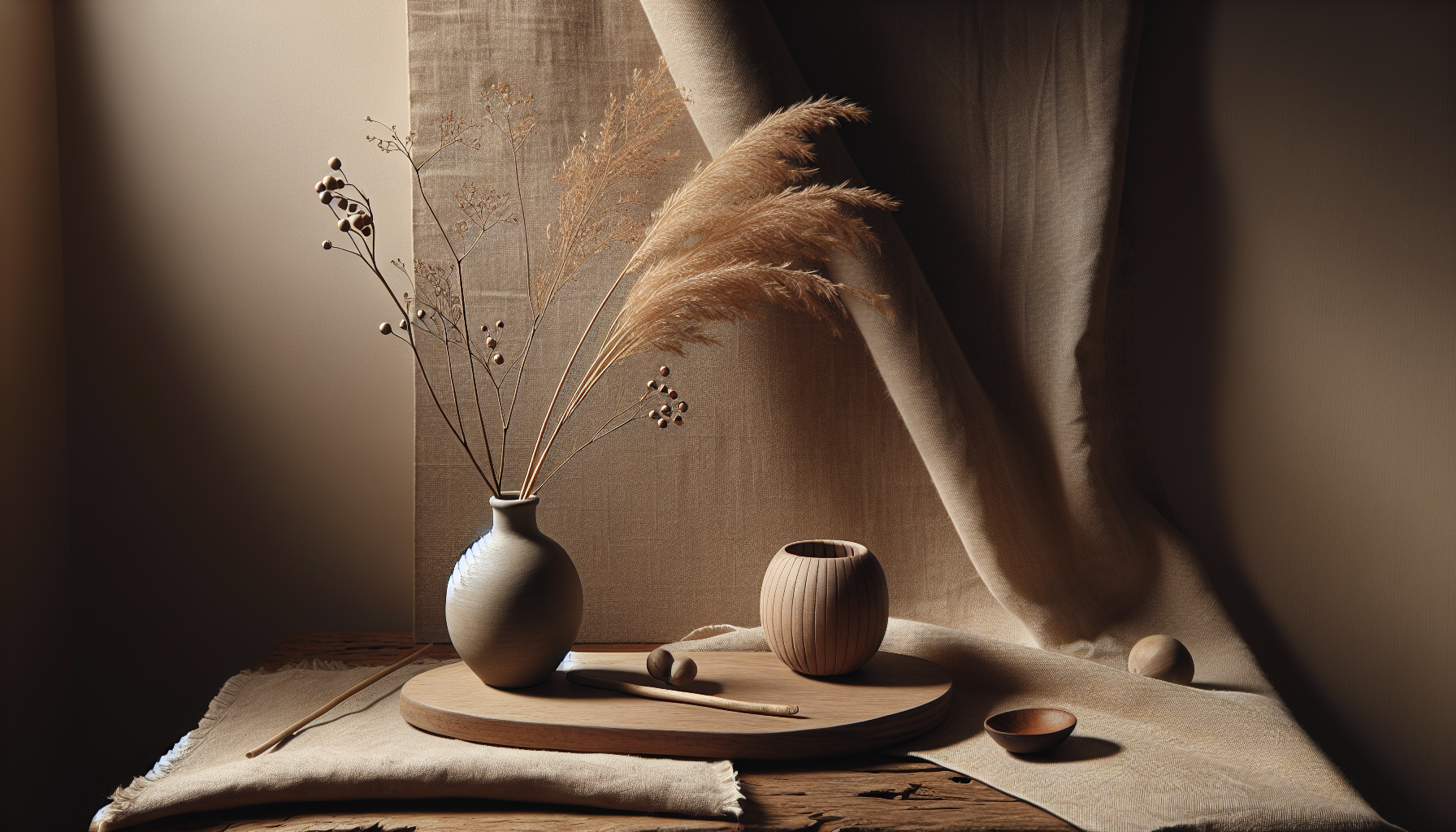
Decoration is minimal and meaningful: a single handcrafted vase, a few curated books, or a woven throw. You’ll avoid excessive ornamentation, favoring items that reflect craftsmanship or personal significance.
Is Japandi Modern?
You may think of modern design when you see minimal lines and functional furniture, and Japandi certainly borrows many modern traits. Here’s what makes Japandi feel modern and relevant to contemporary living.
Minimalism and Clean Lines
Modern aesthetics prize minimalism, and Japandi’s emphasis on simplicity aligns with that. You’ll find streamlined forms and uncluttered surfaces that speak to modern sensibilities about efficiency and clarity.
Contemporary Materials and Craftsmanship
While Japandi favors natural materials, it also works well with contemporary manufacturing and updates in sustainable materials. You can pair traditional timber joinery with modern finishes or engineered woods that meet current environmental standards.
Adaptation to Small and Urban Spaces
Japandi’s focus on functionality and multifunctional furniture makes it a favorite for modern urban living. You’ll appreciate how it maximizes small spaces through efficient layouts and clever storage solutions.
Technology and Modern Lifestyle Integration
Modern life demands technology integration, and Japandi accommodates that without compromising aesthetic calm. You can hide cords, use smart lighting, and choose tech that blends seamlessly into the design, keeping spaces uncluttered.
Is Japandi Timeless?
Japandi’s roots in historical practices and emphasis on quality give it a strong claim to timelessness. You’ll recognize aspects that are resilient to trends because they come from long-standing philosophies about living well.
Roots in Tradition
Both Japanese and Scandinavian design traditions value longevity, craftsmanship, and harmony with nature. You’ll see that many Japandi principles—like wabi-sabi (beauty in imperfection) and hygge (comfort and coziness)—have cultural histories that predate modern design movements and suggest lasting appeal.
Use of Natural Materials
Natural materials age gracefully and often look better over time, which contributes to Japandi’s timeless quality. You’ll find that patinas, worn wood, and hand-thrown ceramics add character rather than appearing outdated.
Simplicity That Ages Well
Because Japandi avoids faddish ornament and excessive trends, its core aesthetic stays relevant. You’ll likely find that a pared-back, functional interior doesn’t feel out of date as fast as highly decorative, trend-driven styles.
Emotional Durability
Timeless design often supports emotional attachment—you’ll feel comfortable and at ease in Japandi spaces because they prioritize human-scale proportions and sensory calm. That emotional resonance supports longevity in how you relate to your space.
Comparing Japandi with Modern and Traditional Styles
A clear comparison helps you decide where Japandi sits on the spectrum between modern and traditional. The table below highlights major attributes to give you a quick reference.
| Feature | Japandi | Modern (Contemporary) | Traditional |
|---|---|---|---|
| Aesthetic | Minimal, warm, balanced | Minimal to bold, sleek | Ornate, layered, historic |
| Palette | Muted neutrals, warm woods | Can be stark, high contrast | Rich, varied colors |
| Materials | Natural woods, stone, textiles | Mixed (metal, glass, engineered materials) | Solid woods, traditional fabrics |
| Ornamentation | Minimal, meaningful objects | Minimal or statement pieces | Decorative moldings, patterns |
| Functionality | High — multifunctional & practical | High — tech integration & efficiency | Functional but can prioritize form |
| Craftsmanship | Emphasized, visible joinery | Can be mass-produced or handcrafted | Often handcrafted, historic methods |
| Timelessness | High — rooted in tradition | Variable — some elements age fast | High — historical continuity |
How Japandi Feels in Different Homes
You’ll want to consider your home’s architecture and existing elements when deciding how Japandi will land in your space. It can be adapted to different contexts, but certain homes will naturally align more closely.
Urban Apartments
In apartments, Japandi’s space-efficiency and calm palette help you make the most of small footprints. You’ll benefit from multifunctional furniture and simple storage that keeps visual clutter down.
Suburban and Family Homes
For larger homes, Japandi can be scaled up with textured rugs, substantial wooden furniture, and layered lighting that retain warmth while preserving restraint. You’ll want to balance family needs—like kid-friendly fabrics—with the style’s emphasis on calm.
Heritage or Older Properties
Older homes with architectural details can pair well with Japandi as long as you balance the traditional features with streamlined furniture. You’ll often create a pleasing contrast between historical moldings and minimal furnishings.
New Builds and Modern Architecture
Japandi works seamlessly in modern architecture because of its clean lines and material honesty. You’ll find harmony between large window panes, open plans, and the restrained Japandi approach.
How to Decide if Japandi Fits Your Lifestyle
Choosing a style is personal. You’ll want to weigh practical concerns, emotional preferences, and how much maintenance you’re willing to commit to.
Questions to Ask Yourself
- Do you prefer calm, uncluttered spaces over maximalist decor?
- Is craftsmanship and material quality important to you?
- Do you want a home that can adapt to changing trends or one that remains consistent?
- Are you comfortable with neutral palettes, or do you enjoy frequent color changes?
Answering these will help you determine whether Japandi will feel modern enough for your needs yet timeless enough to remain satisfying.
Budget and Time Investment
Japandi can be achieved on different budgets. You’ll find that investing in a few well-made pieces and mixing in affordable, well-chosen items will create the desired effect without breaking the bank. Consider buying key pieces—like a solid wood table or a quality sofa—and supplementing with simpler accents.
Practical Tips to Make Japandi Feel More Modern
If you want Japandi with a distinctly modern edge, small choices will push the aesthetic that way without losing the style’s core identity.
Prioritize Sleek Finishes
Choose cleaner finishes, subtle metal accents, and geometric rugs to add a contemporary note. You’ll find that matte black hardware, slim lighting profiles, and monochrome art create a modern lift.
Smart Technology Integration
Incorporate technology unobtrusively: recessed speakers, smart lighting with hidden fixtures, and minimalist switches. You’ll be able to enjoy modern conveniences without breaking the visual calm.
Minimal Art and Bold Statements
Select a few larger, minimal artworks with crisp lines or abstract compositions. You’ll maintain simplicity while introducing a modern focal point.
Practical Tips to Make Japandi Feel More Timeless
To emphasize Japandi’s traditional and enduring aspects, choose elements that age well and emphasize craft.
Choose Natural Aging Materials
Prioritize solid woods with visible grain and finishes that develop a patina. You’ll enjoy how these materials become more characterful over time.
Curate Handcrafted Objects
Bring in handmade ceramics, woven baskets, and artisanal textiles. You’ll reinforce a sense of heritage and connection to traditional craft practices.
Subdued, Layered Lighting
Use warm, layered lighting with fixtures that reference classic forms—paper lanterns, ceramic lamps, and brass finishes. You’ll preserve the serene ambiance while retaining a sense of history.
Furniture and Decor Choices
Selecting the right furniture and decor will determine whether your Japandi space leans more modern or timeless. Focus on proportion, material, and purpose.
Choosing Furniture
Opt for low, understated pieces with simple joinery and a focus on comfort. You’ll want solid construction for longevity: tables with visible wood grain, sofas with clean profiles, and chairs with ergonomic shapes.
Choosing Textiles and Rugs
Pick natural fibers like wool, linen, and cotton with subtle patterns or muted color blocks. You’ll enhance comfort and add visual warmth without competing with the minimal aesthetic.
Lighting
Lighting should be soft, layered, and functional. You’ll make use of ambient, task, and accent lighting—paper or linen shades, matte finishes, and warm-toned bulbs will be your allies.
Decorative Objects
Less is more—select a few meaningful objects that reflect craftsmanship or personal stories. You’ll allow negative space to act as part of the composition, letting objects stand out.
Color Palettes and Layout Examples
Knowing how to assemble a palette and arrange furniture will help you get the balance right. You’ll be able to tailor tones and layouts to emphasize either a modern or timeless feel.
Palette Suggestions
- Modern-leaning: Charcoal, slate grey, warm ash wood, and pops of matte black.
- Timeless-leaning: Warm oak, soft beige, muted olive, and hand-thrown clay tones.
- Versatile base: Soft ivory walls, light natural wood floors, and accent textiles in linen and muted green.
You’ll use accent colors sparingly to maintain restraint and harmony.
Layout Principles
Place larger furniture against walls or floating in the center for conversation zones; maintain clear pathways and allow breathing room around pieces. You’ll prioritize proportion and negative space to keep the room feeling open and intentional.
Longevity and Sustainability
Japandi’s emphasis on natural materials and craftsmanship supports longevity and sustainable choices. You’ll want to think about sourcing, maintenance, and how items will age.
Durability and Repairability
Choose pieces that can be repaired or refinished instead of replaced. You’ll find that solid wood furniture, classic upholstery options, and replaceable cushions extend the life of your pieces.
Environmental Considerations
Look for responsibly sourced wood, natural fibers, and low-VOC finishes. You’ll reduce your environmental footprint and align the aesthetic with ethical consumption.
Secondhand and Upcycling
Japandi pairs well with curated secondhand finds—older wooden pieces can be refinished or adapted. You’ll benefit from unique character and reduced waste.
Common Misconceptions About Japandi
People often misunderstand what Japandi is and how flexible it can be. Addressing misconceptions helps you make informed choices.
It’s Not the Same as Pure Minimalism
Japandi uses minimalism, but it’s warmer and more tactile than the stark minimalism you might imagine. You’ll still embrace simplicity, but comfort and texture are key.
It Doesn’t Require an All-Neutral Home
While neutral palettes dominate, you can incorporate subdued color accents and natural patterns. You’ll retain the core restraint while making the space feel personal.
Japandi Isn’t Only for Small Homes
While it suits small spaces well, Japandi adapts to larger homes by scaling furniture and layering textures. You’ll create expansive calm just as easily as compact efficiency.
Quick Checklists
Use these quick checklists to evaluate whether your current or planned space leans more modern or timeless within Japandi.
| Checklist — Modern-leaning Japandi | Checklist — Timeless-leaning Japandi |
|---|---|
| Matte black accents, geometric art | Warm wood tones, hand-thrown ceramics |
| Sleek metal finishes, hidden tech | Visible joinery, patinated materials |
| Monochrome contrasts, minimalist rugs | Layered textiles, natural fiber rugs |
| Large modern art pieces | Small curated handcrafted objects |
You’ll find these checklists useful when shopping or arranging a room.
Common Mistakes and How to Avoid Them
Even with the best intentions, you can misstep in achieving a balanced Japandi look. Avoid these pitfalls for a cohesive result.
Overstuffing with Accessories
Filling surfaces with objects defeats Japandi’s calm. You’ll instead select a few meaningful pieces and give them space to breathe.
Mixing Too Many Styles
While Japandi is a hybrid, adding too many disparate styles creates visual confusion. You’ll maintain coherence by sticking to the core principles: natural materials, neutral palette, and functional forms.
Ignoring Scale and Proportion
Choose furniture that fits the room—oversized pieces will overwhelm, while tiny items can look lost. You’ll measure and plan layouts to ensure balance.
Final Verdict: Modern Style or Timeless Tradition?
Japandi isn’t strictly one or the other—it synthesizes modern and timeless elements in a way that feels intentional and adaptive. You’ll see it as modern because of its clean lines, functionalism, and suitability for contemporary life. At the same time, you’ll feel its timelessness through the emphasis on craftsmanship, natural materials, and philosophies that predate modern design.
If you value the calm efficiency of modern design but also want a home that feels warm, human, and enduring, Japandi may be the perfect middle ground for you. Your final choice depends on which elements you emphasize: opt for sleeker finishes and tech integration to tip toward modern, or prioritize handcrafted materials and patina to lean into timeless tradition.
Frequently Asked Questions
These short answers address common curiosities you may have as you decide whether Japandi suits you.
Can Japandi work in a rental?
Yes—choose lightweight or easy-to-remove pieces, use rugs and textiles to change the mood, and avoid permanent changes. You’ll still achieve the look through furniture and decor choices.
Is Japandi expensive to implement?
It can be, but you can mix investment pieces with affordable finds. You’ll get the most visual impact by investing in a few high-quality items and pairing them with budget-friendly accents.
How do I add color without losing the Japandi feel?
Use muted, natural tones like sage, terracotta, or deep blue in small accents—pillows, ceramics, or a single art piece. You’ll keep overall restraint while introducing personality.
How often will I need to update the look?
Infrequently. Because Japandi emphasizes timeless materials and restrained aesthetics, you’ll likely find your space remains satisfying for many years. You’ll update occasional textiles or accessories to refresh the look.
Can Japandi accommodate kids and pets?
Yes—choose washable fabrics, rounded furniture edges, and durable finishes. You’ll maintain the aesthetic while making the home practical for everyday life.
Closing Thoughts
Japandi offers a compelling blend of modern simplicity and timeless tradition. You’ll appreciate its flexibility: it suits compact urban apartments and larger homes, modern lifestyles and long-term living. By focusing on quality materials, intentional objects, and restrained palettes, you’ll create a home that feels calm today and continues to feel meaningful over time.