
Have you ever stopped to think whether Japandi is something you live by or something you simply decorate with?
Do people see Japandi as a lifestyle or just a style?
You might be asking this because you love the calm, balanced look of Japandi but aren’t sure whether it should shape how you live day to day. This question matters because how you treat Japandi affects what you buy, how you arrange your home, and the habits you bring into your life. Below you’ll find a detailed breakdown to help you decide where on the spectrum you want to be.
What is Japandi?
You should see Japandi as a hybrid aesthetic born of Japanese and Scandinavian design philosophies. It blends Japanese wabi-sabi (appreciation of imperfection and transience) with Scandinavian hygge and functional minimalism, producing interiors that feel restrained, warm, and intentional.
This combination emphasizes clean lines, neutral palettes, natural materials, and a strong focus on function over ornament. It’s as much about how objects are used and cared for as about how they look.
Origins and influences
You’ll recognize two mainsprings behind Japandi: the Japanese emphasis on craftsmanship, natural materials, and mindful emptiness, and the Scandinavian commitment to cozy functionality, light, and simplicity. The fusion grew in popularity as global design conversations highlighted cross-cultural minimalism.
When you consider history, notice how both traditions arose from climate, materials, and cultural values: long winters in the North encourage warmth and coziness; limited space and Zen-influenced aesthetics in Japan encourage restraint and careful selection.
Core principles
You can think of Japandi as guided by a few core principles: minimalism without coldness, beauty in imperfection, functional furniture choices, and a warm neutral palette. These principles encourage a slower pace of living and an appreciation for quality over quantity.
If you apply these principles, your space will likely feel balanced, calm, and deliberately curated—whether you’re treating them as decorating rules or life rules.
Japandi as a style
If you treat Japandi as a style, you use its visual vocabulary to shape your surroundings. This is the most common entry point: a mood board on social media or a favorite magazine spread that inspires you to redecorate.
Choosing Japandi as a style is largely visual and transactional: you follow a set of aesthetic cues to achieve a cohesive look without necessarily committing to deeper lifestyle changes.
Visual characteristics
When you make Japandi a styling choice, you’ll look for low-profile furniture, uncluttered surfaces, clean lines, and a restrained color scheme. Soft blacks, warm woods, muted greens, and off-whites dominate.
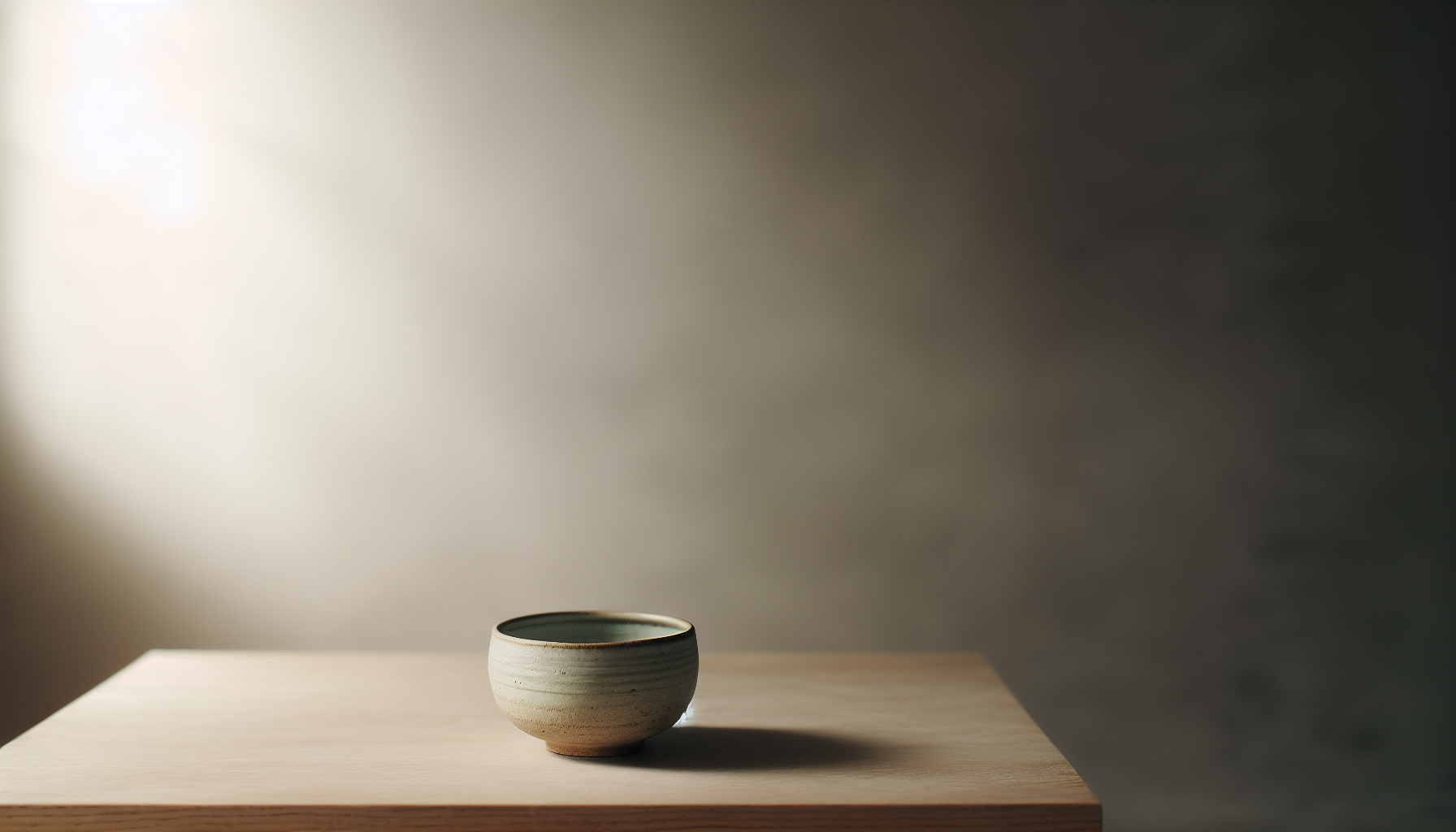
Your space will feel neat and intentional, with carefully chosen accents like ceramic bowls or woven rugs to add texture without overpowering the calm.
Materials and textures
You’ll often prioritize natural materials: oak or walnut wood, linen and cotton textiles, stone or ceramic accessories, and paper-based lighting. Texture plays a huge role—woven mats, raw linens, and matte finishes add tactile warmth.
If you’re shopping, you’ll look for pieces that feel handcrafted or show subtle signs of making rather than perfect industrial finishes.
Examples and practical tips
You can achieve a Japandi look by focusing on a few key elements: choose a neutral base color, pick a few quality furniture pieces with simple silhouettes, and add natural textures. Limit decor to functional items—pots, bowls, lighting—that also serve a purpose.
In rentals or temporary homes, you might use removable changes—rugs, curtains, and lightweight furniture—to capture the style without long-term commitment.
Japandi as a lifestyle
If you adopt Japandi as a lifestyle, you let its principles influence daily habits, consumer choices, and even your relationship to space and time. This means more than aesthetics: it’s about how you move through your home and how you value objects.
Living Japandi-style means choosing fewer things, treating objects with care, prioritizing rituals that add calm, and letting function and restraint shape decisions.
Values and habits
You’ll emphasize intentionality, sustainability, and quality. Instead of buying many trend-led items, you’ll invest in durable pieces that serve multiple purposes. You’ll prefer local artisans or ethical brands and buy with the intention of long-term use.
Your habits likely shift toward maintaining and valuing what you own—repairing rather than replacing, and resisting impulse purchases.
Daily practices
Your daily routine might include mindful rituals that amplify calm: preparing tea, maintaining a tidy space, enjoying natural light, and choosing slow, simple meals. These small rituals reinforce the atmosphere your space creates.
If you live Japandi, your cleaning and organizing practices are less about perfection and more about preservation—keeping surfaces clear so the things you do have can be appreciated.
Psychological benefits
Adopting this lifestyle can reduce stress and decision fatigue. With fewer choices and a more intentional environment, you may find it easier to focus, rest, and feel at ease in your home.
You’ll likely notice that a pared-back home can make your life feel less chaotic, helping you prioritize time and attention on meaningful activities.
Where most people fall: style or lifestyle?
You’ll find most people exist somewhere on a spectrum between style and lifestyle. Few jump straight into full lifestyle adoption; many start with surface-level changes and gradually integrate deeper habits over time.
Below is a table that helps you see common differences between treating Japandi as a style versus as a lifestyle.
| Feature | Japandi as a Style | Japandi as a Lifestyle |
|---|---|---|
| Primary focus | Visual cohesion and aesthetics | Values, routines, and long-term choices |
| Decision process | Quick styling updates, trends | Slow, considered purchases and habits |
| Investment | Mix of affordable and unique pieces | Fewer, higher-quality long-term pieces |
| Permanence | Temporary or reversible changes | Long-term shifts in consumption and upkeep |
| Consumption | May follow trends or seasonal buys | Minimal purchases, repair culture |
| Space use | Decorative and staged areas | Functional, intentionally arranged spaces |
| Emotional aim | Instagram-ready calm | Sustained calm, reduced stress |
| Community | Influenced by social media trends | Influenced by philosophies and makers |
This table helps you diagnose where you are now and what kind of commitment you want to make.
Why many people treat Japandi as a style only
You might choose Japandi as a style for several practical reasons. It’s easier, less demanding, and still yields a pleasant, marketable outcome.
Common reasons include constraints—time, money, rental rules—or simply the desire to freshen a space. Social media also accelerates visual adoption without the philosophical commitment.
Trend-driven choices
You’ll find that trends make styles accessible: one viral room can prompt many people to mimic the look. If your goal is to follow a trend or stage your home for photos, a style-only approach is efficient.
Sometimes you’ll change styles seasonally or respond to what’s trending, which is fine if your priority is visual novelty.
Practical constraints
If you live in a small apartment, are renting, or have changing needs (like children), a partial adoption of Japandi can be wisest. You can get the calming effects without restructuring your life.
Cost also matters: replacing major furniture pieces is expensive. You’ll often opt for small, affordable changes to achieve a Japandi look.
Why people adopt Japandi as a lifestyle
If you commit to the lifestyle, you’re likely motivated by deeper aims: sustainability, mental clarity, and a desire for meaningful consumption. You’ll see your home as a place that supports wellbeing rather than a backdrop for displays.
Adopting this lifestyle helps you align actions with values: reducing waste, buying ethically, and cultivating calm.
Sustainability and ethics
You’ll choose materials and makers that reflect ethical practices. This means fewer disposable buys and more engagement with local craftspeople or brands that prioritize longevity.
Your purchasing decisions are informed by lifecycle thinking: you consider repairability, sourcing, and long-term value.
Emotional and mental wellbeing
You may adopt Japandi for the psychological benefits: simplified choices, reduced clutter, and a slower pace of living can all ease anxiety and promote presence.
If you want a home that actively supports rest and focus, making Japandi a lifestyle provides deeper, more durable benefits than styling alone.
How to transition from style to lifestyle
If you already like the look and are curious about deeper adoption, you can transition gradually. Small shifts in mindset and practice lead to a durable lifestyle change.
Below are practical steps you can take to move from a surface-level adoption to an integrated lifestyle.
Step 1: Clarify your values
You should start by asking what matters most to you: comfort, sustainability, simplicity, or family-friendly durability. Your values will guide which elements of Japandi you prioritize.
Write a short list of 3–5 values and keep it in view when you shop or rearrange.
Step 2: Audit your possessions
Go room by room and decide what serves a purpose or brings you joy. Remove duplicates and cosmetic-only items. Be honest: if something is only there for show, consider donating or selling it.
This decluttering isn’t about perfection; it’s about intentionality.
Step 3: Invest thoughtfully
You’ll want to invest in a few tactile, high-quality pieces that you’ll use every day—think a sturdy table, a comfortable sofa, and good lighting. Buy less, choose better.
If budget is tight, prioritize one upgrade at a time and use secondhand markets to find quality items at lower prices.
Step 4: Build rituals and maintenance habits
Create simple rituals—morning tea, evening tidy, weekly linen care. These practices sustain the space and make it feel lived-in rather than staged.
Maintenance is part of the lifestyle: you’ll repair, clean, and care for your belongings rather than replace them.
Step 5: Educate and engage
You can read books, follow makers and craftspeople, and learn about materials and techniques that support longevity. Your purchasing choices become more informed as your knowledge grows.
Community engagement—online groups or local workshops—can support your commitment without pressure.
Practical adaptations for different living situations
You’ll need to adapt Japandi principles to your circumstances—single-person apartments, family homes, or shared living environments. The core ideas are flexible.
Below are suggestions for common scenarios.
Small apartments and rentals
In compact spaces, you should prioritize multifunctional furniture, slim silhouettes, and light colors to maximize perceived space. Use textiles and lighting to add warmth without clutter.
Removable changes like curtains, rugs, and wall art give you the aesthetic without violating rental agreements.
Family homes with kids or pets
If you live with children or pets, you’ll focus on durable materials and smart storage. Choose natural fabrics that clean easily and furniture with rounded edges. Allow certain areas to be more functional and casual.
You can balance the aesthetic with practical zones—play zones that are easy to tidy and serene zones for adults.
Shared housing and roommates
When you share space, discuss values and boundaries. You’ll likely adopt communal rules for clutter, cleaning, and shared furniture decisions. Making the space functional for everyone helps keep Japandi principles practical.
Compromise is key: you don’t need full uniformity to maintain calm.
Common misconceptions and pitfalls
If you’re attracted to Japandi, be aware of misunderstandings that can undermine the approach. Correcting these helps you adopt it honestly and respectfully.
Misconception: Japandi is just beige minimalism
While neutral palettes are common, Japandi is about texture, scale, and warmth—not a monotonous beige wash. You’ll use contrast, dark accents, and natural imperfections to keep spaces engaging.
Avoid flat uniformity by layering materials and thoughtful color pops.
Pitfall: Cultural appropriation and whitewashing
You should respect the cultural origins of the style. Japandi draws from Japanese philosophies and Scandinavian sensibilities—acknowledging those roots and sourcing responsibly matters.
Avoid tokenist decor that reduces cultural elements to clichés. Instead, learn about the traditions that inspire the look and consider supporting artisans from those cultures.
Misconception: Japandi equals immaculately staged spaces
Real Japandi balances order with life. You don’t need to remove personality or history from your home; instead, choose items that reflect you and are used and cared for.
Embrace wear and patina as part of the beauty, not flaws to hide.
Cost considerations and budgeting
If you’re thinking about committing to Japandi, budget intentionally. The lifestyle favors fewer, longer-lasting pieces, which can mean higher upfront costs but lower long-term spending.
Below is a table to help you decide where to invest and where to save.
| Item Category | Low-cost approach | Invest if you can |
|---|---|---|
| Sofa | Secondhand or slipcovered simple sofa | High-quality frame and upholstery |
| Dining table | Simple, flat-packed wood or reclaimed top | Solid hardwood table with joinery |
| Bed | Affordable slatted frame | Durable wooden or upholstered frame with quality mattress |
| Lighting | Paper lamps or inexpensive neutrals | Custom or well-designed fixtures for longevity |
| Storage | Modular cheap units | Built-in or well-crafted shelving |
| Textiles | Budget linen-look fabrics | Natural linen, wool, and cotton for longevity |
| Accessories | Thrifted or minimal ceramics | Handmade ceramics and local crafts |
You’ll often find that buying secondhand or restoring older pieces aligns with Japandi values and reduces cost.
Checklist for transitioning from style to lifestyle
You can use the checklist below to track your progress toward living Japandi rather than simply styling it.
| Step | Action |
|---|---|
| 1 | Define your core values (simplicity, sustainability, calm) |
| 2 | Declutter non-essential items room by room |
| 3 | Prioritize multifunctional and durable furniture |
| 4 | Replace disposable habits with repair and care |
| 5 | Establish daily/weekly rituals to maintain calm |
| 6 | Buy fewer, higher-quality items when needed |
| 7 | Learn about materials and ethical makers |
| 8 | Create practical zones that support living and rest |
| 9 | Accept imperfection as part of beauty |
| 10 | Reassess annually and adjust choices intentionally |
Use this list as a flexible guide rather than a strict rulebook.
Making Japandi work with a family, children, or active lifestyles
You might worry that minimalism is incompatible with family life. That’s not true—Japandi can be practical and resilient when adapted thoughtfully.
Design with zones: a robust living area that endures play, and quieter niches for adults. Use storage to keep toys out of sight and rotate items so your space can shift between play and calm.
Choose materials that age gracefully: solid wood with finishes that can be sanded or oiled, linens you can launder, rugs that tolerate traffic.
Case studies: how different people adopt Japandi
You’ll better understand options through short scenarios that show practical differences.
Scenario 1 — You as a casual adopter: You live in a rented flat and love the look. You replace curtains and rugs, buy a simple wooden coffee table, and curate a few ceramics. You’re happy with this aesthetic and change it seasonally.
Scenario 2 — You as a lifestyle adopter: You own your home and choose to simplify. You repair and upcycle furniture, buy a solid dining table from a local maker, and build daily rituals like tea in the morning and a nightly tidy. Your home becomes a slow-living refuge.
Scenario 3 — You as a hybrid adopter: You live with roommates and love the style but balance it with budget and practicality. You invest in one shared couch and use thrifted and DIY elements elsewhere. You adopt a few lifestyle habits—less buying, more care—without rigid rules.
Each scenario shows that you can interpret Japandi to fit your needs and resources.
How to shop with Japandi sensibility
When you’re shopping, you’ll benefit from a checklist that helps make mindful choices.
- Ask: Does this item serve more than one purpose?
- Consider: Will it age well? Can it be repaired?
- Seek: Neutral tone, natural material, and simple silhouette.
- Avoid: Excess ornamentation or bright, fleeting trends.
- Prefer: Local makers, reclaimed wood, and natural textiles.
This approach keeps purchases intentional and aligned with the lifestyle.
Measuring success: signs you’ve moved from style to lifestyle
You’ll know you’re living Japandi rather than just styling it when your daily behavior changes. Look for these signs:
- You buy fewer items and prioritize repair.
- Your home supports rituals that bring calm.
- You feel less stressed about clutter and possessions.
- Your purchases align with sustainability and quality.
- You intentionally allocate space for rest and function.
If these are happening, your change is substantive and not merely aesthetic.
Final thoughts: is it a lifestyle or just a style?
You’ll find that Japandi is both a style and, for many, a lifestyle. It exists on a spectrum from quick visual adoption to deep philosophical integration. Neither end is superior; it depends on what you want from your space.
If your priority is appearance or flexibility, treating Japandi as a style will serve you well. If you want a sustained sense of calm, reduced consumption, and intentional living, moving toward the lifestyle interpretation offers deeper benefits.
Decide intentionally: pick principles that matter to you and adapt them to your life. You don’t have to become a purist to gain value from Japandi—small, thoughtful changes can create a big impact on how you experience your home and time.
Practical resources to continue your journey
You’ll likely want sources for learning more. Consider these types of resources: books on minimalism and wabi-sabi, local craft fairs, repair workshops, and blogs by designers who explain materials and techniques. Join communities that focus on quality and sustainability rather than pure aesthetics.
If you follow a gradual, value-driven path, your version of Japandi will feel authentic, sustainable, and uniquely yours.