
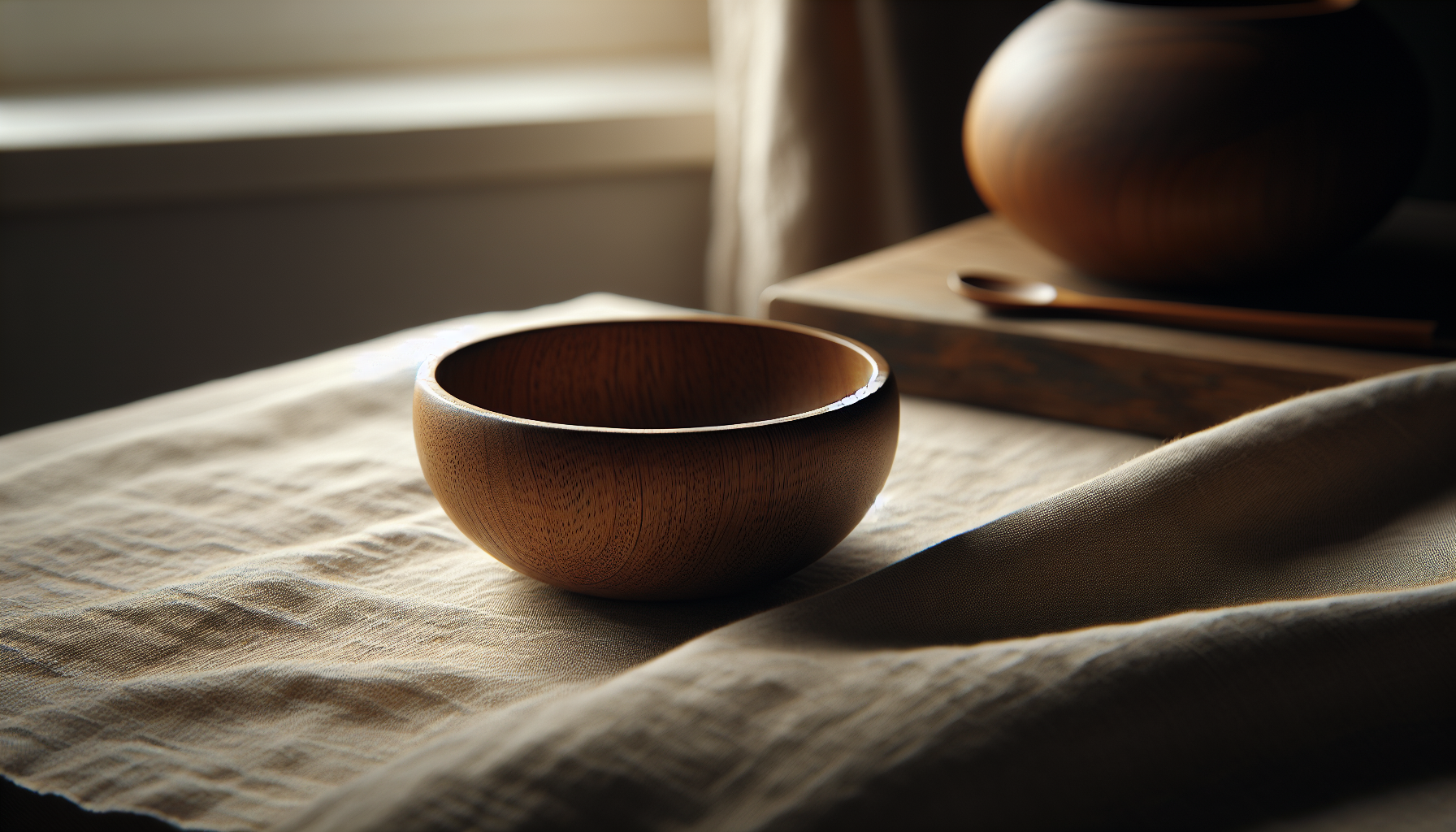
Have you wondered whether homeowners adopt Japandi as a full lifestyle change or treat it as a decorative trend?
Do homeowners adopt Japandi as a full lifestyle change
You’re asking a timely question because Japandi is more than a look; it represents a set of values that can influence how you live. This article will help you decide whether Japandi can become a genuine lifestyle for you and how homeowners typically interpret and adopt it.
What is Japandi?
You’ll find Japandi described most often as a hybrid aesthetic that blends Japanese minimalism and Scandinavian functionality. At its core, Japandi emphasizes simplicity, craftsmanship, natural materials, neutral palettes, and calm, purposeful living.
Japandi brings together Japanese ideas like wabi-sabi (acceptance of imperfection) and Scandinavian concepts like hygge (comfort and coziness). The result is interiors that feel warm and restrained, with an emphasis on well-designed objects and uncluttered spaces.
Origins and philosophy
You should understand that Japandi is rooted in two cultural philosophies that value restraint and utility. Japanese design contributes a reverence for natural materials and quiet spaces, while Scandinavian design adds warmth, practicality, and human-centered comfort.
Both traditions prize longevity, thoughtful craftsmanship, and a slower pace of life. When you adopt Japandi deeply, you bring those philosophies into choices about possessions, daily routines, and even social habits.
Aesthetics vs philosophy: Is Japandi a style or lifestyle?
You’ll want to separate the visual cues from the guiding philosophy to answer this question. Stylistically, Japandi is immediately visible through furniture lines, colors, and textures; as a lifestyle, it affects habits, purchases, and how you structure your home and time.
| Aspect | Japandi as a Style | Japandi as a Lifestyle |
|---|---|---|
| Primary focus | Visual elements: furniture, color, textures | Daily behaviors, values, and routines |
| Commitment level | Low to moderate; cosmetic updates | High; changes in purchasing, habits, and maintenance |
| Time investment | Short — you can redecorate in weeks | Ongoing — routines and long-term purchasing choices |
| Cost impact | Variable — depends on furniture purchases | Greater emphasis on investment in quality & longevity |
| Outcome | A calm, composed interior look | A sustained, slower-paced, intentional life |
| Examples | New sofa, timber table, neutral paint | Minimalism, mindful consumption, seasonal living |
You’ll notice that many homeowners start with the style and then either stop or progress into deeper habits that resemble a lifestyle. Whether you follow further often depends on values, budget, and household needs.
Why homeowners adopt Japandi as a full lifestyle
You might be drawn to Japandi for reasons beyond aesthetics, and several motivations push homeowners from “just a look” to a full adoption. People commonly want less stress, more intentional living, and a simpler environment that supports wellbeing.
Adopting Japandi fully can give you a clearer routine, fewer possessions to manage, and a home designed to support calm and function. You’ll also find that some homeowners adopt it for environmental reasons — prioritizing durable, responsibly-sourced goods.
Reasons you and others might adopt Japandi:
- Desire for calm and reduced visual clutter.
- Preference for functional, durable furniture.
- Interest in mindful consumption and sustainability.
- Attraction to handcrafted items and timeless design.
- Need for flexible, multi-purpose spaces for modern life.
Practical ways you can adopt Japandi as a lifestyle
You can start with small shifts or commit to larger changes depending on your schedule and budget. Below is a room-by-room guide to practical changes that go beyond aesthetics and support lifestyle adoption.
| Room | Key Japandi Lifestyle Moves |
|---|---|
| Living room | Remove excess decor; choose multifunctional seating; prioritize natural light and texture; maintain a daily tidy habit. |
| Bedroom | Use neutral bedding with natural fibers; limit electronics; simplify closets; adopt a night-time ritual for better sleep. |
| Kitchen | Keep countertops clear; store in natural materials; invest in a workhorse cooking set; practice mindful cooking and eating. |
| Bathroom | Use simple storage; choose handcrafted ceramics; keep toiletries minimal and replace thoughtfully. |
| Entryway | Install purposeful hooks and storage; limit shoes/outerwear; create a daily drop-and-sort routine. |
| Workspace | Keep desk minimal; integrate warm lighting; designate zones for work and rest; adhere to regular clear-up. |
| Outdoor | Choose low-maintenance natural elements; create a seating spot for slow mornings; maintain seasonal pruning rituals. |
You’ll find these changes reinforce each other; when your living room supports calm, your daily behavior follows suit.
Design choices that support lifestyle changes
You’ll want to choose materials, forms, and finishes that invite longevity and low maintenance. Japandi materials are typically natural, textured, and warm, which helps you form habits of care and respect for objects.
Key design features and how they support lifestyle changes:
- Natural wood (oak, walnut, ash): encourages repair and maintenance rather than replacement.
- Neutral, muted palette: reduces visual fatigue and helps you focus on fewer, better items.
- Textured textiles (linen, wool, cotton): promote tactile comfort and mindful cleaning.
- Simple, low-profile furniture: reduces clutter, makes cleaning easier, and establishes calm sightlines.
- Crafted details and joinery: encourage appreciation and reduced disposability.
You can use the following table to match materials with maintenance expectations and ideal uses.
| Material | Typical Use | Maintenance | Why it supports Japandi lifestyle |
|---|---|---|---|
| Solid wood | Furniture, shelving | Occasional oiling, avoid prolonged sun | Lasts decades; promotes repair |
| Bamboo | Flooring, accessories | Wipe clean, moderate humidity control | Fast-renewing, natural look |
| Linen | Bedding, curtains | Washable, softens over time | Natural, breathable and durable |
| Wool | Rugs, throws | Professional cleaning occasionally | Warmth and longevity |
| Ceramic/Stoneware | Tableware, bathware | Hand wash or dishwasher-safe | Crafted feel; encourages fewer pieces |
| Matte paint | Walls | Easy touch-ups | Soft, low-reflectivity backdrop |
You’ll want to think about longevity and repairability when choosing items; these choices shift you from consumerism toward stewardship.
Daily habits and rituals that make Japandi a lifestyle
You’ll realize the style becomes a lifestyle when habits change to match the design principles. Daily and weekly rituals give structure to an intentional life and support the calm aesthetics of Japandi.
Examples of habits you might adopt:
- Daily 10–15 minute tidy: a quick sweep to keep surfaces clear.
- Morning slow ritual: a simple tea or stretching routine in a designated quiet spot.
- Meal preparation as ritual: mindful cooking with quality tools rather than rushed convenience foods.
- Seasonal maintenance: rotating textiles seasonally and taking time to care for wooden objects.
- Intentional hosting: fewer guests but more meaningful gatherings, emphasizing comfort and connection.
You’ll notice these habits reduce decision fatigue and make the home feel purposeful.
Challenges and barriers to adopting Japandi fully
You shouldn’t assume the transition will be effortless; several common obstacles get in the way. Budget, family dynamics, existing furniture, and rental restrictions can all limit how fully you can adopt the lifestyle.
Typical challenges you might face:
- Cost of high-quality furniture and materials.
- Resistance from family members who prefer maximalism or more color.
- The practical needs of children or pets that require durable, sometimes less refined solutions.
- Rental constraints that prevent painting walls, replacing fixtures, or making structural changes.
- Climate and environmental differences that affect material choices (e.g., humidity and solid wood).
You’ll need to balance ideals with practicality and identify where compromise makes sense for you.
How to transition gradually — a phased plan
You can make the change manageable by following a phased approach. A gradual plan lets you test habits and aesthetics, spread cost, and integrate family members more easily.
Sample 6–12 month phased plan:
- Month 1–2: Declutter and set a minimal baseline. You’ll remove duplicate items and establish a “keep, donate, recycle” routine.
- Month 3–4: Replace essentials mindfully. You’ll invest in a few multipurpose, high-quality pieces and natural textiles.
- Month 5–6: Adjust lighting and color. You’ll make small lighting upgrades and add a neutral paint or accent.
- Month 7–9: Introduce rituals. You’ll formalize morning and evening routines and begin seasonal maintenance.
- Month 10–12: Fine-tune and commit. You’ll add handcrafted details, refine storage solutions, and reassess what’s left.
You’ll find that pacing the changes makes it easier to sustain habits and prevents buyer’s remorse.
Making Japandi work for families and renters
You don’t have to be single or own a house to adopt Japandi principles. Families and renters can adapt the approach with flexible, practical decisions that preserve the aesthetic and values.
Tips for families and renters:
- Choose durable, easy-to-clean textiles (performance linen, washable rugs).
- Opt for modular or lightweight furniture that can be moved or reconfigured.
- Use non-permanent wall treatments (peel-and-stick wallpaper, removable hooks) to stay within rental rules.
- Carve out one quiet zone in the home, even if communal rooms are lively.
- Use toy storage that fits the aesthetic (woven baskets, low cabinets) and establish toy rotation.
You’ll appreciate that Japandi’s emphasis on function makes it relatively resilient to the realities of family life when you pick the right products.
Sustainability and ethics in Japandi lifestyle
You’ll likely care about sustainability if you’re aiming to adopt Japandi as a lifestyle. The Japandi ethos aligns well with buying less but better and prioritizing materials with long lifespans.
Sustainable choices you can make:
- Buy secondhand or vintage furniture to keep materials in circulation.
- Prioritize local artisans and materials with transparent supply chains.
- Choose certified wood and natural fibers to reduce ecological impact.
- Repair rather than replace and learn basic maintenance skills.
- Avoid fast furniture and trend-driven purchases.
You’ll see long-term cost savings and a lower environmental footprint when you follow these principles.
Real-life outcomes: what homeowners report
If you’re evaluating whether a full Japandi lifestyle is worth it, consider what homeowners commonly report after committing. Many describe tangible psychological and practical benefits.
Common outcomes you might expect:
- Reduced stress and improved mental clarity due to less clutter.
- Better sleep and a stronger sense of routine from simplified bedrooms.
- Fewer, higher-quality possessions that you value and maintain.
- Increased enjoyment of daily rituals and home-based activities.
- Challenges like occasional monotony or the effort required to maintain low-clutter spaces.
You’ll find that the positive effects often reinforce continued commitment.
Common mistakes to avoid
If you want Japandi to feel lived-in and sustainable, you should avoid a few predictable mistakes. The right balance helps you maintain both comfort and aesthetic restraint.
Mistakes to watch for:
- Making the space feel sterile: you’ll need warmth and texture to avoid a museum-like interior.
- Prioritizing looks over comfort: test seating and bedding before committing.
- Using poor lighting: soft, layered lighting is essential for atmosphere.
- Ignoring scale: oversized pieces can overwhelm and small ones can feel cluttered.
- Hoarding minimalism as an excuse to avoid repairs or emotional decisions about belongings.
You’ll do better if you use Japandi rules as guidelines, not rigid laws.
Cost considerations and budgeting
You’ll find that transforming your home into a Japandi lifestyle can be done on different budgets. The core principle is to spend more on fewer, high-quality items but you can phase purchases and use strategic swaps.
Budget tiers and priorities:
| Budget Tier | Typical priorities | Example purchases |
|---|---|---|
| Minimal budget | Low-cost swaps, decluttering, paint | Neutral paint, secondhand furniture, baskets |
| Mid-range | Replace key pieces, textiles, lighting | Quality sofa, linen bedding, layered lamps |
| Investment | Durable, crafted furniture and local artisans | Solid wood dining set, bespoke joinery, handmade ceramics |
You’ll want to prioritize items that get everyday use (sofa, bed, table) and buy cheaper complementary pieces (accessories, small lamps) while saving for investment items.
Checklist for adopting Japandi as a full lifestyle
You can use this checklist to track practical steps. Each item helps you convert the aesthetic into daily patterns.
| Phase | Action | Why it matters |
|---|---|---|
| Declutter | Conduct whole-home edit (keep, donate, recycle) | Clears visual space and reduces maintenance |
| Prioritize | List essential, used daily items | Focuses spending on what matters |
| Choose materials | Swap synthetic textiles for natural fibers | Improves comfort and longevity |
| Lighting | Add layered, warm lighting | Creates atmosphere and function |
| Storage | Install low-profile, functional storage | Keeps surfaces clear and accessible |
| Routines | Establish morning/evening rituals | Reinforces lifestyle changes |
| Host | Practice intentional hosting | Trains you to keep spaces tidy and purposeful |
| Maintain | Schedule seasonal care and simple repairs | Ensures longevity and reduces waste |
You’ll find the checklist helps you stay intentional and measure progress.
Frequently Asked Questions
You’ll probably have practical questions as you consider a lifestyle shift. A few common ones with short answers can help you decide.
-
Can you keep color in a Japandi home? Yes. You’ll use color sparingly as accents in muted tones—think deep greens, indigo, or earth tones—rather than bright, saturated palettes.
-
How do you balance warmth with minimalism? You’ll add warmth with layered textiles, natural wood, soft lighting, and curated objects rather than lots of items.
-
Is Japandi good for small apartments? Absolutely. You’ll benefit from the emphasis on multifunctional furniture and uncluttered surfaces, which can make small spaces feel larger and calmer.
-
How can you involve family members who don’t want to downsize? You’ll negotiate shared priorities: pick a few zones to apply Japandi principles and give others flexibility. Use storage and rotation to balance preferences.
-
Is it expensive to adopt Japandi fully? It can be, but you’ll manage costs by phasing, buying secondhand, and prioritizing investments in everyday pieces.
You’ll probably discover additional questions as you test changes, and that’s part of the process.
Final considerations: Is it worth fully committing?
You’ll need to weigh benefits against practicality. If you value calm, function, sustainability, and intentional living, Japandi can be a meaningful lifestyle shift rather than just a decorative choice.
Committing fully means changing how you buy, maintain, and interact with possessions and your home. You’ll gain clearer sightlines, simpler routines, and potentially reduced stress, but you’ll also take on a commitment to maintenance and thoughtful consumption.
Closing thoughts
If you’re tempted by the calming visuals of Japandi, test the lifestyle first with small rituals and a decluttered zone. You’ll quickly see whether the values of simplicity, craftsmanship, and mindful consumption resonate with your daily life and can be sustained.
You’ve now got a practical roadmap and the considerations needed to move from simply liking Japandi to living it. If you want, you can pick one room to transform this weekend and use the checklist above to guide your first steps.