
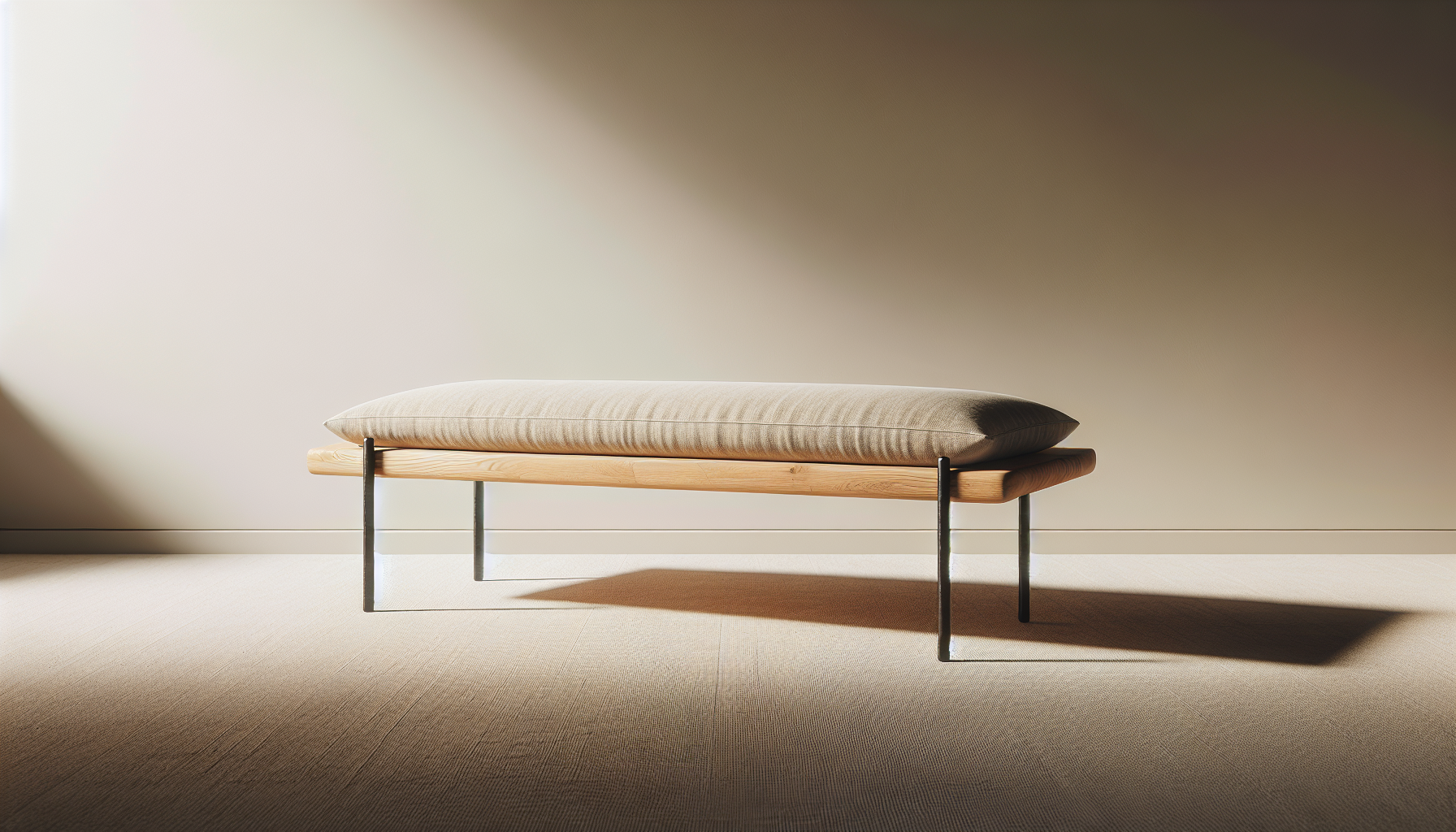
? Are you ready to create Japandi furniture that feels calm, functional, and distinctly yours?
Designing Custom Japandi Furniture for a Balanced Home
Japandi blends Japanese minimalism with Scandinavian warmth, creating interiors that feel simple, calm, and human. You can design custom pieces that capture both restraint and comfort, while addressing your exact needs for size, function, and aesthetic.
What Japandi Means and Why Custom Works
Japandi is a hybrid aesthetic that values simplicity, natural materials, and thoughtful craftsmanship. You’ll find its strengths lie in adaptability — custom furniture allows you to tailor proportions, materials, and joinery so each piece complements your space perfectly.
The core principles of Japandi
Japandi emphasizes minimal lines, functional design, quality materials, and a balance between negative space and warmth. You’ll want to prioritize longevity, tactile finishes, and proportion that supports calm living.
Why you might choose custom over ready-made
Buying custom furniture gives you control over scale, ergonomics, and sustainability, and lets you match the wood tone, hardware, and finish to your existing home. You’ll avoid the compromises common with mass-produced items and end up with pieces that truly fit your life.
Balancing Japanese and Scandinavian Influences
Understanding both influences helps you make clear design decisions. Each tradition brings values you can translate into form, materials, and detailing.
Japanese influences to adopt
From Japanese design, adopt minimal ornament, low profiles, and careful joinery that emphasizes craft. You’ll embrace restrained silhouettes, subtle asymmetry, and the celebration of natural grain.
Scandinavian influences to adopt
From Scandinavian design, bring light tones, comfort, and functional storage. You’ll use clean lines, ergonomic seating, and textiles that add warmth without clutter.
How to mix the two
Blend the two by letting Japanese simplicity dictate form and Scandinavian comfort inform materials and scale. For example, pair a low, rectilinear platform bed (Japanese) with a soft, neutral linen head cushion (Scandinavian) for balance.
Choosing Materials for Japandi Furniture
Material choice defines how “Japandi” a piece feels — natural materials and visible grain are central. You’ll want to choose woods, textiles, and finishes that age gracefully and feel tactile.
Wood choices and why they matter
Hardwoods like oak, walnut, cherry, and ash are common because they show grain and patina. You’ll choose lighter woods (oak, ash) for a Scandinavian leaning and darker woods (walnut, cherry) for a Japanese leaning. Consider durability and availability too.
Complementary materials
Use blackened metal, matte brass, ceramic, and stone sparingly to add contrast and weight. You’ll also include textiles like linen, wool, and cotton for softening and texture.
Materials comparison table
| Material | Feel | Visual effect | Ideal use | Maintenance |
|---|---|---|---|---|
| Oak | Warm, durable | Light to mid grain | Tables, storage, floors | Regular dusting, oil every 1-3 years |
| Walnut | Smooth, rich | Dark, dramatic grain | Accent furniture, legs | Avoid direct sunlight, occasional oil |
| Ash | Light, textured | Pale, linear grain | Chairs, cabinets | Stabilizes well with finish |
| Solid pine | Soft, rustic | Knotty appearance | Benches, casual furniture | Can dent, inexpensive |
| Metal (matte) | Cool, crisp | Accentuates lines | Legs, hardware | Wipe dry, avoid scratches |
| Linen/Wool | Natural, breathable | Soft visual warmth | Upholstery, cushions | Professional clean recommended |
Selecting Finishes and Surface Treatments
Finish choices affect color, protection, and tactile quality. You’ll want finishes that enhance grain without masking it and that protect against daily wear.
Natural oils vs. lacquers vs. varnishes
Natural oils (tung, linseed, Danish oil) penetrate and age naturally, leaving a soft hand you can reapply. Lacquers and polyurethanes provide harder, more protective surfaces but may look more “manufactured.” Choose oils for authenticity and varnish where moisture resistance is essential.
Stain and tone guidance
Stick to subtle tones that respect the wood’s natural color. You’ll avoid heavy staining that hides grain; instead tint lightly if you need to match an existing palette.
Textures and tactile finishes
Consider hand-rubbed finishes and gentle wire-brushing to enhance grain. You’ll get a tactile quality consistent with handcrafted pieces.
Scale, Proportion, and Negative Space
Japandi relies on calm proportions and intentional empty space. Your custom design should respect room scale and promote comfortable movement.
How to size furniture for your room
Measure your room thoroughly and sketch furniture positions to maintain circulation. You’ll want around 60–90 cm (24–36 in) of clearance in main walkways and 40–50 cm (16–20 in) around seating for side tables.
Low vs. standard heights
Japanese influence often calls for lower profiles (low sofas, platform beds), while Scandinavian design favors slightly higher seating for ergonomics. You’ll find a middle ground by lowering certain pieces (beds, coffee tables) while keeping seating comfortably elevated.
Proportion examples
- Coffee table: Lower height (30–40 cm) to coordinate with low sofas.
- Dining table: Standard height (72–76 cm) with bench or chairs sized accordingly.
- Bed: Platform base 25–35 cm high with adjustable mattress height for comfort.
Ergonomics: Comfort Without Clutter
You should design for comfort first, then aesthetics. Good ergonomics prevent pieces from being merely beautiful but unusable.
Seating ergonomics
Seat depth for general seating should be 50–60 cm; backrest angles between 95–110 degrees provide comfort. You’ll add lumbar support with cushions rather than increasing bulk.
Table heights and legroom
Make sure dining tables allow at least 30 cm knee clearance and 60 cm width per person for comfortable dining. You’ll match chair heights to table heights with seat heights around 45 cm for standard dining.
Standard dimension guide table
| Piece | Typical width/length | Seat/working height | Recommended clearance |
|---|---|---|---|
| Dining table per person | 60 cm width | 72–76 cm height | 30 cm knee clearance |
| Sofa (2-3 seat) | 160–220 cm | Seat height 40–45 cm | 40–50 cm between sofa and coffee table |
| Coffee table | 60–120 cm long | 30–45 cm height | 40–50 cm from seating |
| Chair (dining) | 45–55 cm depth | Seat height 43–48 cm | 5–10 cm clearance from table edge |
| Bed platform (queen) | 160 x 200 cm | Platform height 25–35 cm | 60–80 cm side clearance for bedside movement |
Joinery and Construction Techniques
Craftsmanship is a hallmark of Japandi. You’ll want joinery that both looks refined and improves longevity.
Traditional joinery to consider
Mortise-and-tenon, dovetail, and finger joints emphasize craft and strength without relying on visible hardware. You’ll often leave joints slightly visible to highlight workmanship.
Modern reinforcements for longevity
Hidden steel or plywood reinforcements can increase strength where required, especially for long spans or heavy loads. You’ll balance tradition with practicality.
Aesthetic details: exposed joinery vs. hidden metal fasteners
Exposed joinery reads more artisanal and Japanese; hidden fasteners create a cleaner Scandinavian feel. You can combine both by exposing a few accent joints and hiding the rest.
Designing Specific Pieces
This section gives practical directions for the most commonly customized pieces in a Japandi home. You’ll get guidance on function, proportions, and materials for each.
Custom sofas and lounge seating
Design seating with a lean frame, gentle angles, and removable cushions for cleaning. You’ll use hardwood frames, pocketed springs, and natural fillings for long-term comfort.
- Frame: Oak or ash for visible structure, walnut for accent pieces.
- Seat depth: 50–60 cm; seat height: 40–45 cm.
- Upholstery: Linen or cotton-linen blends in neutral colors.
Low platform beds
A low platform bed anchors a calm bedroom. You’ll design the platform so the mattress sits slightly recessed, creating a floating effect and minimizing visual mass.
- Platform height: 20–35 cm.
- Headboard options: Integrated wood slat, upholstered cushion, or minimal floating shelf.
- Storage: Consider integrated drawers for small bedrooms but keep lines clean.
Dining tables and benches
Long, uncluttered tabletops with simple leg geometry work well. You’ll use benches on one or both sides for informal seating and easier flow.
- Table thickness: 25–40 mm for honesty and lightness.
- Bench depth: 30–40 cm; seat height: 45 cm.
- Edge detail: Slight chamfers or rounded edges for comfort.
Storage: cabinets and credenzas
Design storage to be functional and visually light. You’ll prefer sliding doors and recessed handles to avoid ornamentation.
- Internal organization: Adjustable shelving, hidden compartments, and cable routing for media units.
- Door types: Sliding for small rooms, push-to-open for minimalist fronts.
Coffee tables and side tables
Balance scale with seating and keep geometry simple. You’ll consider combining wood tops with metal legs for subtle contrast.
- Height: 30–45 cm depending on seating.
- Shape: Rectangular or oval for flow; round if you have limited circulation.
Entryway and utility pieces
Design your entryway pieces to define order without excess. You’ll use a low bench, a simple shelf, and discreet storage for shoes and keys.
Prototyping, Mockups, and CAD
You’ll improve outcomes by testing proportions before final production. Prototyping saves regret and cost.
Full-scale mockups
Use cardboard, plywood, or foam to test scale and sightlines. You’ll be surprised how often a small height tweak improves the whole composition.
Sketches and digital models
Work with sketches and simple CAD or 3D models to validate dimensions and joinery. You’ll share these with your maker to ensure everyone understands details.
Working with a furniture maker
Find a craftsman experienced with hardwoods and fine finishes. You’ll prepare clear drawings, materials lists, and a budget, and set milestones for mockups and sample finishes.
Budgeting and Timeline
Custom furniture involves trade-offs between cost, time, and complexity. You’ll plan realistically to avoid surprises.
Typical cost drivers
Wood species, joinery complexity, hardware type, finishing method, and upholstery fabric drive cost. You’ll prioritize where you want to invest (e.g., seating frame vs. table top).
Sample budget breakdown table
| Item | Low complexity (USD) | Medium complexity (USD) | High complexity (USD) |
|---|---|---|---|
| Custom dining table (solid wood) | 800–1,500 | 1,500–3,000 | 3,000+ |
| Sofa (custom frame, upholstery) | 1,500–3,000 | 3,000–6,000 | 6,000+ |
| Platform bed | 600–1,200 | 1,200–2,500 | 2,500+ |
| Storage cabinet | 700–1,500 | 1,500–3,000 | 3,000+ |
Typical timeline
Expect 6–12 weeks for simple pieces and 3–6 months for complex projects with prototyping and upholstery. You’ll build milestones: design approval, material procurement, mockup, joinery, finishing, and delivery.
Sustainability and Longevity
Japandi values longevity, which aligns with sustainable choices. You’ll choose materials and processes that reduce environmental impact.
Choosing sustainable wood and fabrics
Select FSC-certified or reclaimed wood, and natural textiles like organic linen and wool. You’ll avoid veneers that hide low-grade core material and prefer solid or properly veneered sustainably sourced boards.
Designing for repairability
Design joints that can be tightened or replaced and avoid permanently glued assemblies where possible. You’ll favor removable covers and replaceable cushions.
End-of-life considerations
Plan for future disassembly and recycling. You’ll choose finishes that are easier to strip and reuse, and design modular pieces that can be adapted.
Finishing, Maintenance, and Care
Proper finishing and care ensures your furniture ages beautifully. You’ll establish routines that preserve appearance and function.
Simple maintenance tips
Dust regularly with a soft cloth, wipe spills immediately, and use coasters and placemats. You’ll reapply oil finishes every 1–3 years depending on use.
Repair basics
Minor scratches can often be repaired with light sanding and oil touch-ups. For structural repairs, return to your maker; designing for repair reduces complexity.
Finish selection for ease of care
Choose harder finishes for dining and utility pieces and oil finishes for low-contact accent pieces. You’ll consider matte lacquer for areas exposed to moisture.
Styling and Layering the Space
After your pieces arrive, styling will reinforce the Japandi balance: restraint, warmth, and function.
Textiles and color palette
Use a neutral palette (beiges, soft grays, muted greens) with occasional deep accents. You’ll balance smooth wood surfaces with textured linens, wools, and ceramics.
Plants and ceramics
A single sculptural plant or a simple ceramic bowl can bring life without clutter. You’ll select plants with clean forms and low maintenance.
Lighting choices
Soft, layered lighting in warm temperatures supports calm. You’ll mix overhead flush fixtures, directional task lighting, and table lamps with diffuse shades.
Practical Project Example: Custom Japandi Console
Follow this concrete project to see how design decisions come together for a simple piece.
Brief and function
Design a slim console for an entryway that stores keys, mail, and a couple of baskets for shoes. You’ll keep the footprint narrow and the profile low.
Materials and dimensions
- Top: 160 x 35 x 2.5 cm oak top, oiled.
- Legs: Tapered ash legs with exposed half-lap joints.
- Storage: Two drawers with dovetail joinery; one open shelf for baskets. You’ll keep the height at 75 cm to serve as a landing surface.
Construction details
Use a full-length stretcher for stability and concealed screws into the stretcher. You’ll finish with light oil and add a small recessed finger groove instead of protruding hardware.
Cost and timeline
Expect 3–6 weeks and a mid-range budget depending on local labor rates. You’ll request a prototype drawer front sample to confirm color and feel.
Working with Makers and Contracts
Clear communication and documentation make custom work successful. You’ll protect your interests and the craftsperson’s time.
What to provide the maker
Provide scaled sketches, target wood species, finish samples, and a list of functional requirements. You’ll also include key dimensions and tolerance expectations.
Contract essentials
Agree on a scope, timeline, payment schedule, materials to be used, and a process for change orders. You’ll specify warranty terms and delivery/installation responsibilities.
Communicating design intent
Use reference images, sample boards, and photos of your space. You’ll discuss touchpoints like edge radii, joint visibility, and finish sheen to avoid misunderstandings.
Troubleshooting Common Challenges
Custom projects can hit snags; anticipating them saves time and money. You’ll use these tips to stay on track.
Wood movement and seasonal changes
Allow for wood movement in your designs, especially across grain in tabletops. You’ll use floating tops or elongated screw slots to accommodate seasonal expansion.
Matching existing finishes
Bring a sample or take a clear photo in natural light. You’ll test finish samples on the same species to avoid surprises.
Budget creep
Prioritize the elements that matter most to you (e.g., frame and finish quality) and accept simpler solutions for less critical parts. You’ll set contingency funds of 10–20%.
Checklist: Designing Your First Custom Japandi Piece
Use this practical checklist when starting a new custom project. You’ll keep the process clear from concept to delivery.
- Define function and essential dimensions. You’ll measure and sketch the intended location.
- Choose primary materials and finishes. You’ll select wood species and fabric swatches.
- Set a budget and timeline. You’ll include contingency and delivery estimates.
- Locate a maker and request references. You’ll review past projects and ask for process details.
- Approve a mockup or sample. You’ll test scale and finish before full production.
- Confirm joinery and reinforcement details. You’ll ensure structural integrity and repairability.
- Arrange delivery and installation. You’ll plan protection for floors and alignment on site.
Final Thoughts: Designing with Intention
When you design custom Japandi furniture, your choices about proportion, material, and finish shape the entire feeling of your home. By prioritizing functionality, craftsmanship, and restraint, you’ll create pieces that bring calm and warmth to everyday life. You’ll enjoy furniture that’s not only visually balanced but also made to be used, repaired, and loved for years.
If you’d like, you can share a photo or dimensions of the room and a brief budget, and you’ll get tailored recommendations for a first custom piece that suits your space and lifestyle.