
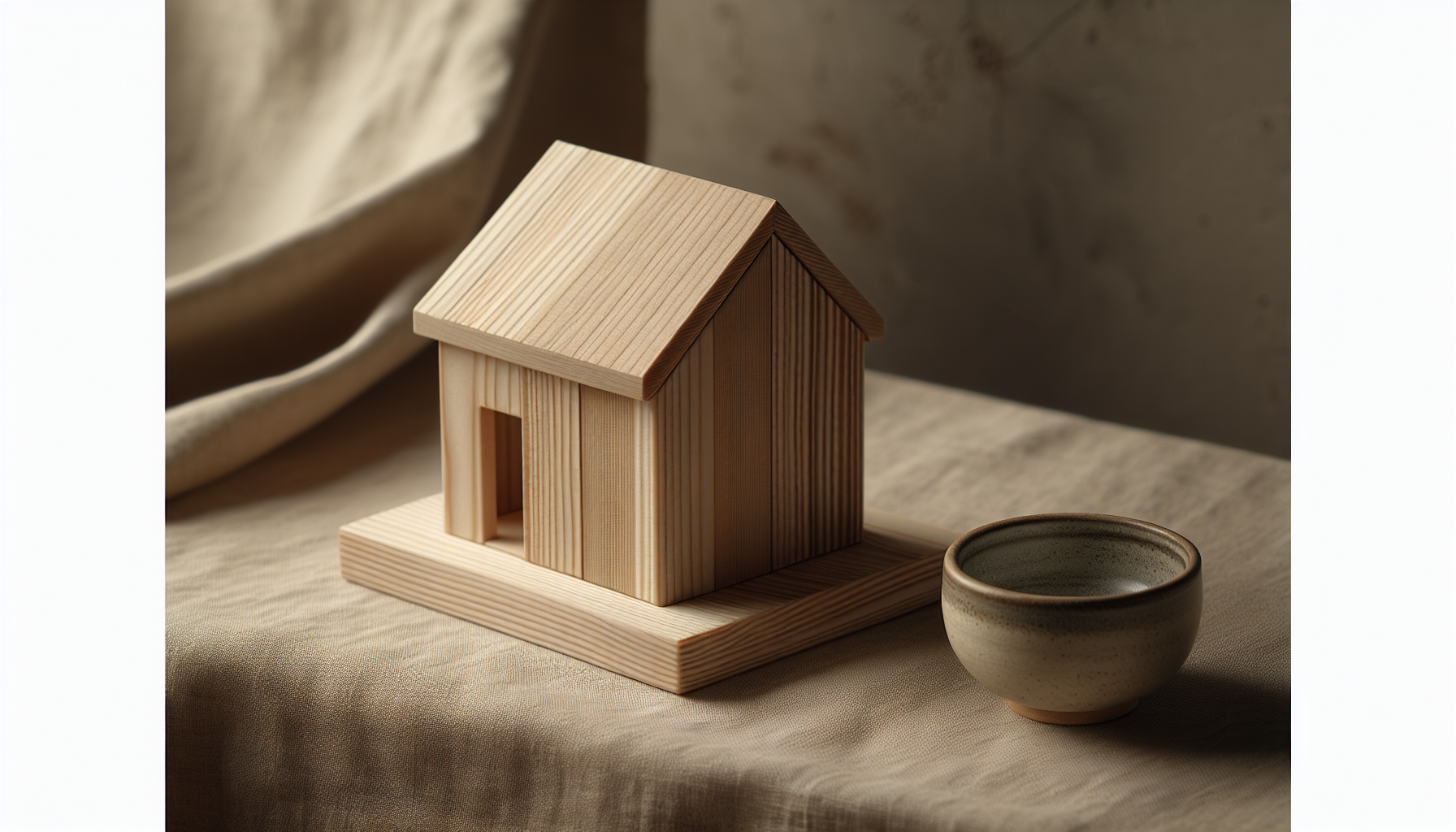
Have you considered what it would feel like to live in a house that blends Scandinavian comfort with Japanese elegance?
Designing an Entire House Around Japandi Principles
You can create a home that feels calm, purposeful, and beautifully restrained by using Japandi principles from top to bottom. This approach combines the warmth, practicality, and hygge-like comfort of Scandinavian design with the simplicity, craftsmanship, and wabi-sabi values of Japanese interiors. The result is balanced, functional, and serene living spaces that prioritize quality over quantity.
What Is Japandi?
Japandi is a fusion of Japanese and Scandinavian design philosophies that emphasizes simplicity, functionality, and natural materials. You’ll find that it celebrates quality craftsmanship, muted color palettes, and minimalist aesthetics while making space for tactile warmth and human-centered design.
Origins and Philosophy
Japandi emerged as designers and homeowners began to appreciate the complementary nature of both traditions: Scandinavian focus on comfort and utility, with Japanese reverence for imperfection and natural forms. You’ll notice that both traditions prize thoughtful construction and emotional calm, which is why they work so well together.
Core Principles
The core principles you should adopt include simplicity, harmony, utility, natural materials, and intentionality. These guiding ideas help you make consistent choices when selecting furniture, finishes, lighting, and decor so the house feels cohesive and purposeful.
Planning Your Home in Japandi Style
Before you pick paint swatches or buy furniture, you need a clear plan that respects layout, circulation, and lifestyle. Planning ensures you make choices that work across the whole house and last for years.
Start with a Minimalist Mindset
Minimalism in Japandi isn’t about emptiness but about reducing visual clutter so each object can perform a function and contribute beauty. You’ll want to evaluate possessions critically and design with restraint, selecting pieces that provide both purpose and pleasing aesthetics.
Prioritize Functionality and Purpose
Every piece should have a reason to exist in the space, whether it’s comfort, storage, or a visual anchor. You’ll find that this reduces decision fatigue and helps the home feel calm, because each element contributes to the whole.
Layout: Open Flow and Balance
Open-plan layouts, clear sightlines, and balanced proportions enhance the serene mood of Japandi interiors. You’ll aim for spaces that allow movement and light flow naturally, while using furniture placement to create distinct functional zones.
Room-by-Room Approach
Address each room as a unique opportunity to apply Japandi principles while maintaining continuity across the house. Below is a quick overview of focus areas by room to guide your decisions.
| Room | Main Japandi Focus | Typical Materials | Key Feature |
|---|---|---|---|
| Living Room | Comfort + minimal seating | Light woods, wool, linen | Low-profile sofas, natural light |
| Kitchen | Function + clean lines | Matte stone, wood, metal | Hidden storage, integrated appliances |
| Dining Room | Warmth + gathering | Solid wood table, paper or linen | Simple centerpiece, ergonomic chairs |
| Bedroom | Rest + reduction | Soft woods, cotton, wool | Low bed, layered bedding |
| Bathroom | Calm + spa feel | Stone, ceramic, bamboo | Minimal fixtures, warm textiles |
| Entryway | Order + welcome | Durable wood, stone | Concealed storage, bench |
Materials and Finishes
Materials are central to Japandi: they provide sensory warmth and age well. Choosing the right materials lets you achieve a balance between rugged beauty and refined simplicity.
Wood Choices and Finishes
You’ll typically use light or warm-toned woods like oak, ash, and walnut with clear, matte finishes. Avoid high-gloss lacquers; instead choose oil or wax finishes that allow the grain to breathe and develop character over time.
Textiles and Fabrics
Natural fibers such as linen, cotton, wool, and hemp are staples for upholstery, curtains, and bedding. You’ll prefer slightly textured fabrics that add tactile interest without bold patterns, keeping the visual field calm and comforting.
Surfaces, Paints, and Finishes
Matte or eggshell paints in neutral tones work best; they reduce reflections and create a soft backdrop. For hard surfaces, matte stone, honed concrete, and ceramic tile maintain the understated aesthetic you want throughout the house.
Color Palette and Textures
Your color choices should be subdued and layered to create a warm, tranquil environment. You’ll combine neutral bases with carefully chosen accents for subtle depth.
Neutral Base Colors
Start with warm whites, soft greys, and beige tones as the foundation for walls and large surfaces. These hues let natural materials and plants become focal points and create a flexible backdrop for future shifts in decor.
Accent Colors
When you add color, think of muted greens, indigo, terracotta, and clay tones inspired by nature. These accents provide visual interest without overwhelming the calm you’re trying to achieve.
Texture Layering
Layer textures by combining smooth surfaces with tactile fabrics and organic elements like woven baskets, stoneware, and wooden bowls. You’ll create visual richness through contrast rather than color saturation.
| Element | Typical Colors | Texture Suggestions |
|---|---|---|
| Walls | Warm white, soft grey | Matte paint |
| Furniture | Natural wood, muted upholstery | Smooth wood grain, nubby linen |
| Accents | Olive green, clay, indigo | Terracotta, hand-thrown ceramics |
| Floors | Light oak, stone | Soft rugs, woven mats |
Furniture Selection and Arrangement
Your furniture choice and layout determine how the home functions daily. In Japandi, furniture should feel comfortable, handcrafted, and proportionate to the room.
Key Furniture Characteristics
You’ll look for low-profile furniture, clean lines, and craftsmanship. Pieces should be functional, durable, and often handcrafted or made from natural materials that age beautifully.
Sourcing and Scale
Balance scale with human proportions: avoid oversized sofas or overly ornamented pieces. You’ll mix Scandinavian ergonomic seating with Japanese-inspired low tables and storage units for a harmonious result.
Arrangement Principles
Arrange furniture to encourage conversation and movement. Use negative space intentionally; empty areas are as important as filled ones because they provide visual breathing room and clarity.
Lighting Design
Lighting is a central design layer that affects mood and perceived space. You’ll combine natural daylight with layered artificial lighting to create warmth and function.
Natural Light
Maximize daylight with unobstructed windows, light curtains, and reflective surfaces that distribute light gently. You’ll orient seating and activity areas to benefit from day-long light where possible.
Layered Lighting: Ambient, Task, Accent
Implement ambient ceiling lighting, task lighting for work or reading, and subtle accents for artwork or architectural features. You’ll use warm color temperatures to maintain coziness and avoid harsh glare.
Fixtures and Materials
Choose fixtures made of wood, paper, ceramic, or metal with simple shapes that echo the rest of the decor. You’ll prefer fixtures that provide soft, diffused light rather than direct, intense beams.
Storage and Decluttering
Storage is essential to maintain the calm appearance of a Japandi home. Thoughtful storage prevents clutter and keeps daily life organized and serene.
Built-in Storage
Built-in cabinetry with clean lines helps you conceal items and maintain minimal surfaces. You’ll integrate storage into walls, benches, and under beds to preserve open sightlines.
Concealed vs Displayed Items
Decide deliberately what to display: functional and beautiful items like ceramics or wood bowls can be visible, while personal items and appliances should be concealed. You’ll rotate displayed objects seasonally to keep spaces fresh.
Decluttering Process and Tips
Adopt a regular decluttering habit: assess items by their usefulness and emotional value, and remove the rest. You’ll find that fewer possessions encourage more appreciation for each object you own.
Decorative Elements and Art
Decor in Japandi is restrained and meaningful. You’ll choose a few well-made objects that add personality without competing for attention.
Plant Choices and Placement
Plants add life and soften lines—choose sculptural species like ficus, snake plant, or bonsai. Place them thoughtfully in corners, on open shelving, or near windows to balance architecture and furniture.
Art, Ceramics, and Wabi-Sabi Items
Select art that’s minimal and contemplative: a single framed piece, a calligraphy scroll, or a set of hand-thrown ceramics. Embrace imperfect or asymmetrical pieces that tell a story and echo wabi-sabi principles.
Rugs and Textiles
Rugs should anchor seating areas and add warmth; choose low-pile natural rugs or jute that don’t dominate the room. Layer smaller textiles like throws and cushions in complementary neutrals and muted accents.
Kitchen and Dining in Japandi
The kitchen is a place of function and ritual in Japandi design—efficiency, neatness, and tactile materials are paramount.
Kitchen Layout and Materials
You’ll opt for streamlined cabinetry with concealed handles, matte stone or solid-surface countertops, and wood accents. Functional zones should be well-planned so food preparation feels effortless and uncluttered.
Dining Area Design
A solid wood dining table, comfortable ergonomic chairs, and a subtle centerpiece will create a welcoming meal space. You’ll keep table settings minimal and use textiles like simple linen napkins to add softness.
Bedroom and Bathroom Design
Bedrooms and bathrooms become sanctuaries when you apply Japandi restraint and thoughtful details. Focus on comfort, calm, and quiet utility.
Bedroom: Serenity and Comfort
Choose a low-profile bed, soft layered bedding in natural fibers, and minimal bedside furniture. You’ll keep electronics to a minimum and use soft, indirect lighting to promote restful sleep.
Bathroom: Spa-like Simplicity
For bathrooms, use natural stone, neutral tiles, and simple fixtures that emphasize function. You’ll add wooden accents and soft textiles to warm the space and maintain a spa-like atmosphere.
Outdoor and Transitional Spaces
Transition zones like entryways and patios should breathe the same Japandi spirit to maintain continuity from outside to inside.
Entryways and Mudrooms
An entry should be orderly and calming—use benches with storage, hooks for essentials, and a small shelf for keys and mail. You’ll keep finishes durable but understated to handle daily use.
Gardens, Balconies, Patios
Outdoor spaces should feel like extensions of the interior with potted plants, simple seating, and natural materials. You’ll prefer uncluttered layouts that emphasize seasonal change and quiet reflection.
Sustainability and Longevity
Japandi aligns naturally with sustainable priorities by favoring quality over disposability. Choose materials and practices that reduce environmental impact and extend product lifespans.
Durable Materials and Craftsmanship
Invest in high-quality, repairable pieces made of solid wood and natural fibers that age gracefully. You’ll find that long-lasting furniture reduces waste and often becomes more beautiful over time.
Energy Efficiency and Low-Impact Choices
Incorporate insulation, energy-efficient appliances, and passive solar strategies where possible. Small changes like LED lighting, water-saving fixtures, and low-VOC paints support health and sustainability.
Mixing Japandi with Existing Styles
If you’re retrofitting an existing home or blending styles, you can integrate Japandi without losing everything you already love. The key is to maintain balance, restraint, and a consistent material palette.
How to Integrate Without Clashing
Pick a unifying material—like light oak or matte stone—and use it across rooms to create cohesion. You’ll allow a few distinctive existing pieces to remain if they complement the scale and neutral palette.
Common Mistakes to Avoid
Avoid overcrowding with too many patterns, mixing too many wood tones, or ignoring proportions. You’ll also want to avoid impulsive purchases that interrupt the calm you’re trying to build.
Maintenance and Seasonal Care
Maintaining a Japandi home is straightforward if you adopt gentle, routine care. The right habits prolong materials and keep spaces feeling intentional.
Simple Routines
Dust regularly, rotate textiles for even wear, and oil unfinished wood periodically to maintain appearance. You’ll benefit from regular decluttering sessions to keep surfaces clear.
Refreshing Without Overdecorating
When refreshing a room, swap textiles, change a few accents, or introduce a new plant rather than replacing entire furniture groups. You’ll maintain the minimalist DNA while keeping the home alive and personally meaningful.
Final Checklist and Timeline
A phased approach helps you avoid overwhelm while creating a cohesive Japandi home. Below is a practical timeline you can adapt to your schedule and budget.
| Phase | Tasks | Suggested Duration |
|---|---|---|
| 1 — Assessment | Audit possessions, measure rooms, define functions | 1–2 weeks |
| 2 — Plan | Create layouts, select palette and materials | 2–4 weeks |
| 3 — Foundation | Paint, flooring, major construction | 2–8 weeks |
| 4 — Big Pieces | Purchase and place core furniture (sofa, beds, tables) | 1–4 weeks |
| 5 — Lighting & Storage | Install fixtures and built-ins | 1–3 weeks |
| 6 — Textiles & Accents | Add rugs, cushions, art, plants | 1–2 weeks |
| 7 — Review & Refine | Live in spaces, edit possessions, adjust | Ongoing |
Practical Shopping and Budget Tips
Creating a cohesive Japandi home doesn’t require an unlimited budget, but it does benefit from thoughtful purchases. Prioritize quality for frequently used items and consider DIY or secondhand options for accent pieces.
Prioritization Strategy
Budget first for foundational items—flooring, sofa, bed, and storage—then allocate funds for lighting and textiles. You’ll get the most impact from well-chosen foundational pieces that define the room’s scale and comfort.
Thrift and Craft
Look for well-made secondhand furniture that can be refinished or lightly restored. You’ll also consider working with local craftsmen for custom woodworking which can be economical and produce uniquely fitting pieces.
Common Questions and Quick Answers
You’ll likely have practical questions as you plan; here are concise responses to common concerns.
- How minimal should each room be? Aim for purposeful simplicity: keep just enough to support your daily life comfortably.
- Can Japandi work in small homes? Yes—its emphasis on multifunctional furniture and storage works exceptionally well in compact spaces.
- Is Japandi cold? Not if you layer natural textures, warm woods, and soft lighting; the goal is warmth through simplicity.
- How often should you refresh decor? Rotate small accents seasonally and reassess big pieces every few years.
Conclusion
You can design an entire house around Japandi principles by committing to restraint, intentionality, and quality materials. By prioritizing function, layering textures, and planning rooms with purpose, you’ll create a home that feels balanced, warm, and enduring. Start with a clear plan, invest in a few core pieces, and let the calm simplicity of Japandi guide each decision so the house truly becomes a cohesive sanctuary.