
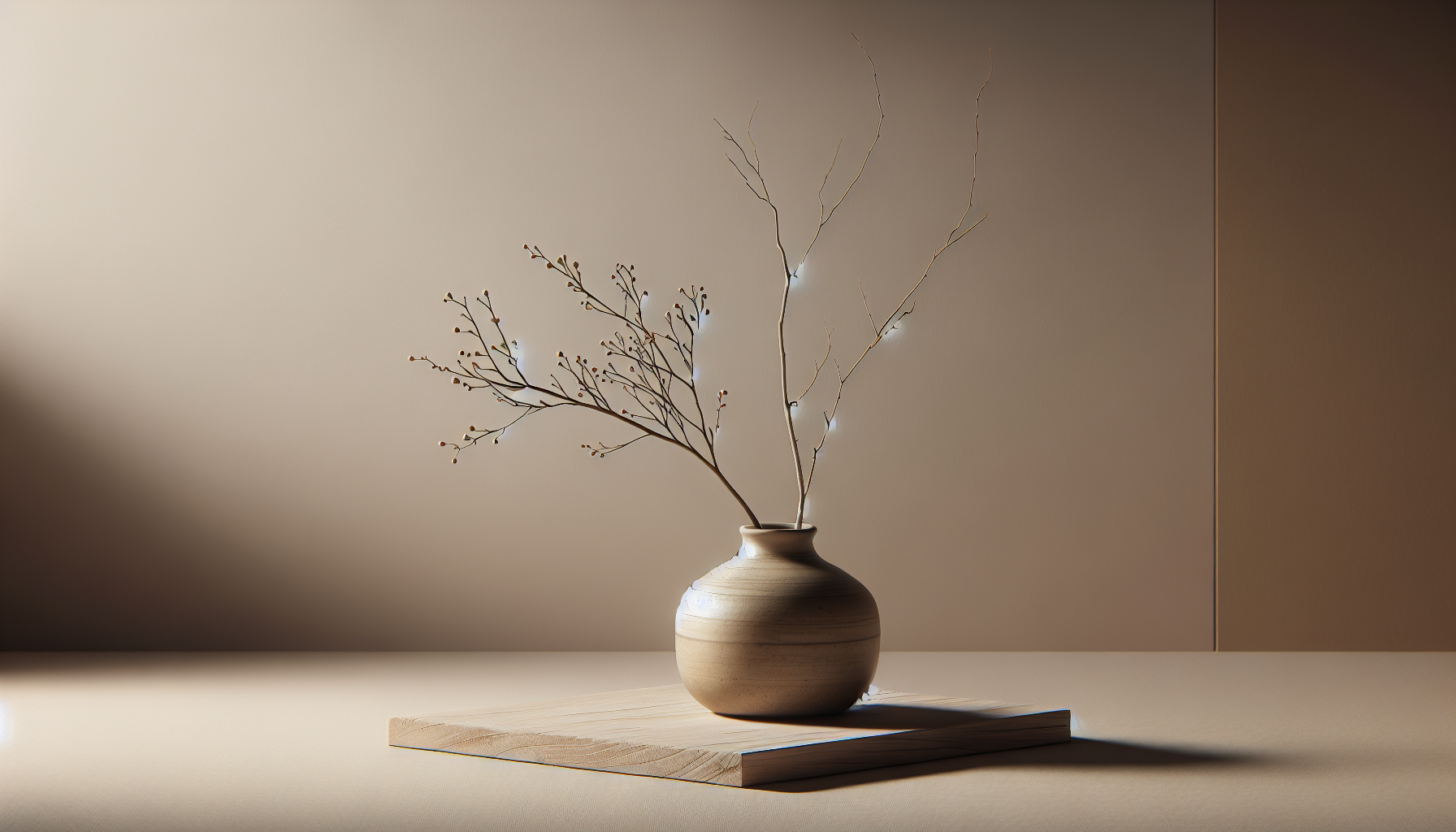
Have you ever walked into a room and felt an immediate sense of calm without being able to name why?
Design Insights: What first impressions people have of Japandi homes
You’ll find that Japandi homes often create instant, memorable impressions because they combine two familiar aesthetics into a single coherent experience. This article breaks down what people notice first, why those impressions form, and how you can shape the same positive responses in your own space.
What is Japandi?
You should understand Japandi as a design movement that blends Japanese minimalism and Scandinavian functionality into a warm, restrained aesthetic. It’s not just a style mix; it’s a thoughtful synthesis of philosophies that prioritize simplicity, natural materials, and human-centered design.
Origins and philosophy
You’ll see roots in traditional Japanese design—values like wabi-sabi, appreciation for imperfection, and a connection to nature. At the same time, Scandinavian design contributes practicality, comfort, and an emphasis on light and airy spaces.
Core principles
You’ll notice several consistent principles: minimal clutter, high-quality materials, balanced proportion, and an emphasis on utility without excess ornament. These principles guide how rooms are laid out, what items are displayed, and how finishes are selected.
Key visual cues that shape first impressions
When you walk into a Japandi home, certain visual cues are likely to register immediately and shape your overall assessment. These elements act quietly but powerfully to communicate the style’s intentions.
Minimalism and negative space
You’ll detect restraint through empty space as much as through the objects present; negative space becomes part of the design vocabulary. That breathing room helps the eye rest and conveys purpose in every object and surface.
Natural materials and tactile warmth
You’ll recognize wood grains, woven fibers, ceramic textures, and soft linens as signals of naturalness and tactile comfort. These materials create warmth without heavy ornament, inviting touch and prolonged attention.
Neutral palette and tonal harmony
You’ll notice a controlled color scheme—greys, warm beiges, soft blacks, muted whites—often punctuated by subtle earthy tones. The palette helps form an immediate impression of calm cohesion rather than visual chatter.
Craftsmanship and attention to detail
You’ll appreciate the subtle joinery, hand-finished surfaces, and well-chosen hardware that suggest intentionality. Details aren’t loud, but they communicate quality and refined taste.
Functional layout and uncluttered surfaces
You’ll observe purposeful placement of furniture and minimal surface clutter that suggests the home is lived in and well-considered. Function becomes an aesthetic choice, so rooms feel efficient and welcoming.
Emotional reactions people commonly report
Your emotional response when entering a Japandi home tends to be consistently positive, and often predictable. These responses explain why the style has such broad appeal.
Calm and serenity
You’ll usually feel calmer because the space reduces visual noise and presents a predictable, balanced environment. The sparseness works to lower cognitive load and encourages relaxation.
Comfort and coziness (Hygge meets Wabi-sabi)
You’ll sense a layered comfort—the Scandinavian notion of hygge mixed with the Japanese acceptance of imperfect beauty—creating a subtle but deep coziness. This combination lets the space feel lived-in without being cluttered.
Appreciation for simplicity and restraint
You’ll respect the intentional absence of excess; the restraint signals discipline and taste. That appreciation is often accompanied by curiosity about each item’s purpose and origin.
Respect for nature and seasonality
You’ll notice elements that reference the outdoors—plants, timber, stone, and texture—that give a sense of seasonal sensitivity. These cues invite you to slow down and notice subtle changes over time.
How cultural fusion informs first impressions
If you’re trying to understand why Japandi feels so balanced, it helps to look at the cultural values that inform each side of the hybrid. The resulting aesthetics are complementary rather than contradictory.
Japanese influence (wabi-sabi, minimal rituals)
You’ll encounter ideas like simplicity, the beauty of imperfection, and ritualized living that aim to create a sense of calm. These translate into intentional placement, handmade objects, and an appreciation for modesty in design.
Scandinavian influence (light, function, community)
You’ll see prioritization of light, practical furniture design, and comfort meant for social living. Scandinavian elements introduce warmth, accessibility, and textiles that encourage communal use of spaces.
Visual synthesis: how elements balance
You’ll notice the balance in action: Japanese restraint tempers Scandinavian coziness, while Scandinavian warmth prevents the Japanese minimalism from feeling austere. The result feels both refined and approachable.
Common misconceptions and why they happen
You’ll likely encounter a few myths about Japandi that can prevent people from committing to the style. Understanding these misconceptions helps you avoid misjudging what a Japandi home can be.
“Too sparse” myth
You might worry the style will feel empty or sterile, but sparsity is purposeful and always balanced with texture and warmth. The aim is thoughtful selection, not deprivation.
“Cold and impersonal” myth
You might assume minimalism equals coldness, though the warmth of materials and careful layering counters that completely. When done well, Japandi feels human-centered and inviting.
“Expensive to achieve” myth
You might think you need designer pieces or expensive materials, but you can start small with curated finds and thrifted or secondhand items that have good lines and natural materials. Prioritizing quality over quantity often means thoughtful choices, not expensive ones.
Practical tips to create a positive first impression
You’ll want actionable strategies you can use to stage a Japandi space that immediately makes a good impression. Below are practical tips grouped by room elements and sensorial factors.
Entryway and foyer
You’ll want the entry to set the tone: uncluttered, practical, and tactile. Use a low bench, a simple mirror, and a woven mat to communicate warmth and functionality the moment someone arrives.
- Keep storage concealed: a single cabinet or a basket to hide shoes and small items.
- Choose one or two focal items: a ceramic tray for keys or a small plant.
Lighting
You’ll rely on soft, layered lighting to create a calm atmosphere and highlight natural textures. Combine ambient light with task lamps and soft accent lights to avoid harsh shadows.
- Favor warm color temperature bulbs (2700–3000K).
- Use dimmers and multiple light sources rather than a single overhead fixture.
Furniture selection and placement
You’ll prioritize furniture with clean lines, low profiles, and natural materials. Choose pieces that allow for negative space around them so circulation and sightlines feel open.
- Opt for multifunctional furniture: storage benches, nesting tables.
- Keep arrangements simple: one or two statement pieces per zone.
Textiles and layering
You’ll introduce texture through rugs, throws, and cushions, but you’ll avoid busy patterns. Layer neutral textiles in varying weaves to provide visual interest without clutter.
- Mix linen, wool, and cotton for different tactile experiences.
- Use a single accent color in small doses to keep the palette cohesive.
Surfaces and finishes
You’ll prefer matte, hand-finished surfaces over glossy, reflective ones. These finishes age gracefully and signal craftsmanship.
- Use oiled wood, matte ceramics, and untreated stone where possible.
- Resist overly polished or lacquered pieces that can appear too manufactured.
Natural elements and plants
You’ll incorporate plants and natural accents to reinforce the connection to the outdoors. Choose low-maintenance varieties that echo the simplicity of the room.
- Use bonsai, snake plants, or small potted maples for sculptural forms.
- Place plants where they can be seen but won’t overwhelm the composition.
Curated accessories
You’ll use accessories sparingly and intentionally—one or two statement pieces rather than many small objects. Each object should have a reason to be visible.
- Choose handmade pottery, a single art print, or a woven basket.
- Rotate items seasonally to keep the space feeling fresh and intentional.
Color palette and accents
You’ll stick to a restrained palette with thoughtful accents, avoiding strong contrasts that break the mood. The effect is tonal harmony with occasional emphasis.
- Base neutrals: warm whites, soft greys, and sandy beiges.
- Accent tones: deep charcoal, muted greens, or terracotta in small doses.
Scent and sensory cues
You’ll use subtle, natural scents to round out the sensory experience without overwhelming. Think woodsmoke, light citrus, or green tea, administered through incense, candles, or diffusers.
- Avoid synthetic or strong fragrances that disrupt the calm.
- Keep scent levels moderate and localized to entry areas.
Maintenance and upkeep
You’ll make maintenance part of the design so that the aesthetic doesn’t fall apart over time. Japandi depends on neatness and cared-for materials.
- Schedule regular decluttering and re-conditioning of textiles.
- Treat natural wood with appropriate oils to maintain color and texture.
Mixing old and new
You’ll mix vintage and contemporary items to create warmth and narrative without clutter. Handcrafted pieces and heirlooms can anchor the space and provide history.
- Balance scale and proportion when mixing eras.
- Refinish or reupholster old pieces to match the Japandi palette.
Budget-friendly approaches
You’ll achieve similar impressions without high cost by prioritizing texture, proportion, and a few quality anchor pieces. Secondhand markets, DIY finishes, and strategic lighting can transform inexpensive pieces.
- Upcycle thrifted furniture with a fresh matte paint and new upholstery.
- Focus spending on one high-quality sofa or dining table and keep everything else simple.
Avoiding common mistakes
You’ll avoid these pitfalls: over-accessorizing, mixing too many patterns, or choosing overly ornate pieces. Each error pulls attention away from the intentional calm Japandi is meant to convey.
- Don’t crowd surfaces with decorative items.
- Keep contrast subtle and finishes consistent.
Visual comparison: Japanese vs Scandinavian elements
You’ll benefit from a concise comparison that highlights what each tradition contributes and how they combine in Japandi.
| Element | Japanese Influence | Scandinavian Influence | Japandi Synthesis |
|---|---|---|---|
| Palette | Earthy neutrals, ink black | Light neutrals, pale woods | Muted neutrals with warm accents |
| Materials | Bamboo, cedar, ceramics | Pine, beech, wool | Mixed woods, linen, stone |
| Scale | Low, intimate | Airy, functional | Low-to-medium with open sightlines |
| Ornament | Minimal, symbolic | Minimal, practical | Purposeful, sparse decorative choices |
| Texture | Subtle, tactile | Cozy, layered | Layered natural textures for warmth |
You’ll use this table as a quick guide when making design choices to ensure balance and coherence.
Before-and-after examples & mini case studies
You’ll find concrete examples useful for translating principles into real rooms. Here are three short scenarios that show typical transformations.
Example A — Small apartment living area
You’ll replace bulky furniture with a low-profile sofa, a narrow console for storage, and a single sculptural plant. With reduced clutter, natural wood tones, and soft lighting, the apartment instantly reads as calm and intentional.
Example B — Family dining room
You’ll select a solid timber table, simple chairs, and a single pendant light with a soft glow. Adding a linen runner and a ceramic bowl as a centerpiece gives the room tactile warmth while keeping it practical for family life.
Example C — Studio workspace
You’ll choose a compact desk, open shelving for select items, and a neutral pinboard for functional display. The pared-back arrangement supports concentration and communicates purpose when someone enters.
Checklist: Make a strong first impression
You’ll find the following checklist helpful when preparing a room to leave the intended impression. Use this to audit corners, entries, and living spaces.
| Element | Why it matters | Quick action |
|---|---|---|
| Entry clarity | Sets tone immediately | Remove shoes, place keys in assigned tray |
| Negative space | Lets elements breathe | Remove non-essential pieces |
| Natural light | Enhances materials | Keep windows unobstructed; use light diffusers |
| Warm lighting | Creates mood | Add lamps and dimmers |
| Textural layers | Adds interest | Add a rug, throw, cushion in natural fibers |
| Single focal piece | Avoids visual competition | Choose one art piece or sculptural object |
| Concealed storage | Prevents clutter | Use baskets, cabinets with clean lines |
| Plant or natural object | Connects to nature | Place one sculptural plant near sightline |
| Quality over quantity | Signals longevity | Invest in one or two well-made pieces |
| Scent | Completes sensory experience | Use subtle candles or incense |
You’ll use this list during staging to ensure every element is working toward the same impression.
Frequently asked questions
You’ll probably have a few practical questions if you’re considering Japandi for your home. These FAQs address common concerns and offer clear answers.
Is Japandi suitable for families with kids?
You’ll be able to make Japandi family-friendly by prioritizing durable, washable textiles and functional storage. The aesthetic can remain intact while accommodating toys and day-to-day life with smart organization.
Can a small apartment look Japandi without feeling cramped?
You’ll use low-profile furniture, vertical storage, and a minimal color palette to make small spaces appear larger and more serene. The key is to reduce visual clutter and keep the floor plane clear.
How do you incorporate color without losing the Japandi calm?
You’ll apply color sparingly as muted accents—think a single terracotta pot, a pale green cushion, or a charcoal throw. Consistency and restraint keep the palette harmonious.
Do you need expensive pieces to achieve an authentic look?
You’ll achieve the look on a budget by focusing on texture, proportion, and a few well-chosen items. High-quality finishes help, but careful editing and good lighting do the heavy lifting.
How often should you rotate accessories or textiles?
You’ll rotate pieces seasonally or whenever the space starts to feel stale, usually every three to six months. Minimal change maintains the aesthetic while keeping the home feeling alive.
Maintenance practices to preserve first impressions
You’ll preserve your home’s initial impact by making maintenance part of the overall design strategy. Ongoing care is as much a part of the style as the initial staging.
Routine decluttering
You’ll set a weekly habit to remove out-of-place items that can creep in and undermine the aesthetic. A quick sweep of surfaces and reset of cushions can keep the space looking intentional.
Material care
You’ll follow simple routines for wood, textiles, and ceramics to keep surfaces in top condition. Oil timber, vacuum or rotate rugs, and hand-wash delicate fabrics as needed.
Seasonal refresh
You’ll rotate textiles and nature-based accents seasonally to keep a subtle connection to the cycle of time. These small changes are enough to maintain interest without disrupting coherence.
Avoiding overstylized displays
You’ll be careful not to create a museum-like space that looks staged and impractical. Authenticity comes from lived-in touches that feel considered, not contrived.
Balance lived-in and curated
You’ll let a few everyday items remain visible—books on a shelf, a folded blanket, a well-used chopping board—to signal life. Keep these items grouped and intentional rather than scattered.
Keep ergonomics in mind
You’ll ensure that comfort and usability are never sacrificed for the look. Proportion, height, and circulation should make sense for real daily use.
Final thoughts
You’ll find that the first impression of a Japandi home is less about flashy statements and more about a quietly orchestrated sense of balance. When you combine natural materials, careful proportion, restrained color, and functional design, the resulting feeling is immediately approachable, calm, and refined.
If you want to shape that first impression in your own space, start small: clear a room of non-essentials, add a warm light source, and choose one quality piece that anchors the space. Over time, you’ll refine the balance so your home communicates welcome, comfort, and lasting style without saying a word.