
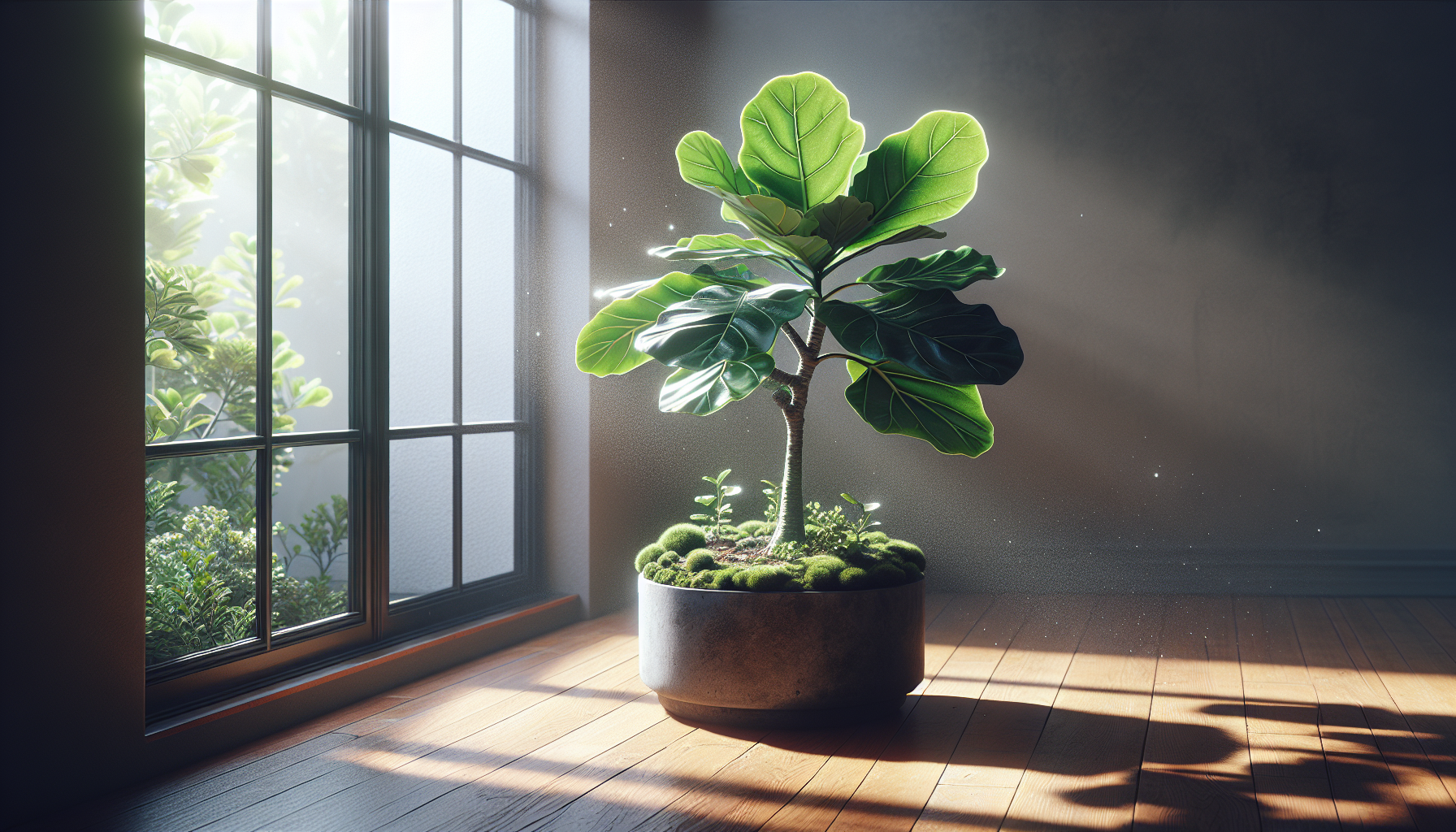
?How would you like to feel like you’re standing in a quiet forest while you’re inside your own home?
Creating a Forest Feeling Indoors
You can transform your interior into a calming, forest-like environment by combining plants, materials, light, scent, and sound in intentional ways. This article walks you through practical, creative, and budget-friendly steps so you can craft that forest sensation in any room.
Why aim for a forest feeling?
You may want this atmosphere for stress reduction, productivity, or simply a more grounding home environment. Research shows biophilic design — bringing natural elements into built spaces — improves mood, focus, and overall wellbeing.
The psychological benefits
Being surrounded by natural elements lowers cortisol, reduces anxiety, and enhances cognitive restoration. You’ll find it easier to relax, think clearly, and sleep better when your space echoes the calm rhythms of a forest.
The practical benefits
A forest-like space can improve indoor air quality, increase humidity when needed, and create microclimates that support plant life. You’ll also gain a unique aesthetic that can elevate daily rituals like reading, cooking, or working.
Core elements that create a forest feeling
To simulate a forest, focus on five interlocking layers: plants, light, sound, scent, and materials. When these layers work together, the effect becomes immersive rather than decorative.
Plants as the foundation
Plants are the single most important element because they provide visual density, texture, and life. You should think about the variety of heights, leaf shapes, and growth habits to mimic an understory, mid-story, and canopy.
Light to create depth and mood
Light sculpts how you perceive space; soft dappled light mimics shade under trees, while shafts of bright light simulate forest clearings. You can use natural and artificial lighting to create rhythm and contrast that evokes outdoor conditions.
Sound and scent for immersion
Ambient sounds like running water or bird calls and scents such as green leaves or pine bring another sensory layer. Small speakers and low-intensity diffusers can produce subtle, nonintrusive cues that your brain interprets as natural.
Materials and textures
Wood, stone, woven textiles, and unglazed ceramics connect you physically to natural materials. These tactile cues—like the feel of a wooden table or the roughness of a stone planter—reinforce the illusion of being outdoors.
Choosing plants: types and placement
Choosing the right plants is crucial; you’ll want a mix of large-leaved species, trailing vines, and fine-textured foliage to reproduce forest complexity. Consider scale and maintenance needs when making choices.
Canopy and structural plants
Large potted trees or tall plants form the canopy-like structure indoors and give vertical presence. Examples include fiddle leaf fig, rubber tree, and indoor olive; these anchor corners and create perceived height.
Mid-story and understory plants
Medium-height plants fill the middle visual plane and create density without blocking sight lines entirely. Philodendrons, monsteras, and schefflera work well in this role, providing rich foliage that reads like a forest understory.
Groundcovers and mosses
Low plants and moss soften surfaces and create that forest floor impression. Options include baby tears, peat moss in terrariums, and shallow planters with ferns or miniature hostas.
Trailing plants and vines
Trailing plants emulate vines and epiphytes, adding vertical connections between layers. Pothos, English ivy, and string of hearts can be placed on shelves or in hanging pots to create layered depth.
Plant selection by light level (table)
Different rooms get different light levels, so choose plants that match your conditions to keep maintenance manageable. The table below helps you pair plant types with typical indoor light levels.
| Light level | Typical room features | Plant examples |
|---|---|---|
| Low | North-facing rooms, interior hallways | ZZ plant, snake plant, cast iron plant |
| Medium | East-facing, filtered light near windows | Pothos, philodendron, peace lily |
| Bright indirect | South/east windows with curtains, near windows | Fiddle leaf fig, monstera, rubber plant |
| Direct sun | South-facing window sills | Succulents, aloe, ponytail palm |
Designing layout and spatial planning
Good placement makes the forest feeling believable; you want density without clutter and pathways that feel natural. Think about visual sightlines, furniture arrangement, and walking flow to mimic a forest’s sense of discovery.
Grouping and layering plants
Group plants in odd numbers and at varying heights to create natural clusters. Clusters should include at least one tall, one medium, and one trailing or low plant to mimic a forest’s layered structure.
Using furniture to create clearings
Furniture can define “clearings” where you sit, read, or gather, surrounded by plant clusters. This contrast between a cozy open space and surrounding density enhances the forest metaphor.
Focal points and sightlines
Create focal points like a large tree, water feature, or a moss terrarium, and arrange sightlines so they reveal the space gradually. You’ll want each vantage point to offer a slightly different composition, as you would experience while walking through actual woods.
Lighting strategies: natural and artificial
Light control shapes how shadows and highlights play across leaves and surfaces, which is critical for a forest-like ambiance. You can layer ambient, task, and accent lighting to simulate sunlight filtering through branches.
Maximizing natural light
Use sheer curtains, reflective surfaces, and unobstructed windows to bring in soft natural light. You should avoid harsh direct sunlight on delicate plants unless they require high light; instead, create diffused light that mimics canopy shade.
Artificial lighting options
Full-spectrum LED grow lights, warm-toned ambient fixtures, and directional spotlights all have roles. Use adjustable LED panels to accent canopy plants and small, warm spotlights to simulate shafts of sunlight.
Lighting timeline and controls
Programming lights to follow a gentle daily rhythm (warmer morning light, brighter midday, dimmer evening) reinforces circadian comfort. Smart bulbs or timers let you automate this without daily fuss.
Humidity and microclimate management
Forests are humid compared to many homes, and replicating that moisture level helps plants thrive and gives skin and air a fresher feel. You’ll need to balance humidity increases with mold prevention.
Ideal humidity ranges
Most tropical houseplants like 50–70% relative humidity, while temperate species are comfortable at 40–50%. Aim for midrange humidity that supports most plants without promoting mold or condensation issues.
Ways to raise humidity
Use pebble trays, room humidifiers, grouping plants together, and misting (as supplemental, not primary) to raise local humidity. A humidifier with a built-in hygrometer helps you keep precise control.
Monitoring and ventilation
Monitor humidity and temperature with simple sensors and maintain gentle ventilation to avoid stagnant air. Proper air circulation reduces pest problems and prevents fungal growth on soil and leaves.
Scent and sound to complete the mood
Subtle scents and soft sounds add important context clues that your brain reads as outdoors. Keep these cues light and natural to avoid feeling like a theme park.
Natural scents and diffusers
Essential oils such as cedarwood, pine, eucalyptus, or green leaf blends evoke forest aromas. Use a low-output diffuser or simmer pots with natural ingredients rather than overpowering sprays.
Ambient soundscapes
Low-volume tracks of rain, distant thunder, running water, or woodland bird calls enhance immersion without distracting you. Use a small speaker with a playlist or an app that offers gentle natural loops.
DIY scent and sound ideas
Create a jar of dried pine, cedar shavings, and bay leaves; warm it gently on a heat mat for occasional scent release. You can also place a tabletop fountain near plants to produce a soft water sound that feels natural.
Materials, textures, and color palette
The tactile and visual materials you choose will either convince or betray the forest illusion. Favor natural, matte, and textured surfaces in greens, browns, and soft neutrals.
Wood, stone, and fibers
Solid wood furniture, stone planters, jute rugs, and linen textiles bring organic texture and weight. These materials should be slightly worn or matte to feel authentic rather than polished and showroom-new.
Color considerations
Use a dominant palette of greens and warm earth tones—moss green, olive, deep emerald, ochre, terracotta, and warm browns. Accent with muted blues or soft golds for variety without breaking the natural scheme.
Surface finishes and patterns
Matte finishes and subtle, irregular patterns (wood grain, stone veining, handwoven textiles) mimic forest surfaces. Avoid glossy synthetic surfaces that reflect harsh light and break the feeling of natural depth.
Containers, pots, and planters
Containers act like the pots trees grow in; they should complement but not overpower plants. You’ll want a mix of sizes and materials that coordinate with the overall forest aesthetic.
Pot materials and finishes
Use unglazed terracotta, cement, fibrous stone, and weathered wood for authenticity. If you prefer a cleaner look, use matte ceramic in natural tones rather than bright glossy colors.
Sizes and root space
Make sure pots are appropriately sized so plants aren’t root-bound; a too-small pot stresses plants and reduces growth. Select deeper pots for large structural plants and shallow, wider pots for groundcovers.
Hanging and wall-mounted planters
Hanging planters and wall-mounted dishes let you place greenery at eye level and above to create vertical layers. These are especially effective for vines and trailing plants that mimic forest epiphytes.
Living walls and terrariums
Living walls and terrariums concentrate plant life in compact formats, creating instant visual density and a micro-ecosystem feel. Both can be tailored to your light, humidity, and maintenance capabilities.
Living walls: pros and cons
Living walls deliver dramatic visual impact and can improve air quality, but they require irrigation systems and more maintenance oversight. If you’re ready to commit, they become a stunning centerpiece.
Terrariums and closed systems
Terrariums recreate a miniature forest floor and are ideal for low-light areas and humidity-loving species. Closed terrariums recycle moisture and can be nearly self-sustaining for extended periods.
Maintenance routines and tips
Maintenance keeps the forest feeling alive and credible; neglected foliage quickly undermines the effect. You should build simple routines that fit your schedule and plant choices.
Daily and weekly tasks
Quick daily tasks include checking moisture in topsoil and removing dust from larger leaves; weekly tasks involve watering schedules, trimming dead leaves, and checking for pests. Consistency keeps plants vigorous and attractive.
Monthly and seasonal tasks
Monthly tasks include fertilizing during growth seasons, rotating plants for even light exposure, and pruning to maintain shape. Seasonally, move plants away from drafty windows in winter and increase watering in hotter months.
A basic maintenance checklist (table)
Use this checklist to guide a routine that prevents most common problems.
| Frequency | Task | Notes |
|---|---|---|
| Daily | Visual check, wipe dust off large leaves | Quick 2–5 minute scan |
| Weekly | Watering as needed, rotate pots | Tailor to plant type |
| Monthly | Fertilize (growing season), prune lightly | Use balanced houseplant fertilizer |
| Quarterly | Deep clean planters, repot if root-bound | Check soil quality and drainage |
| Seasonal | Adjust light/humidity, inspect for pests | Prepare for winter/summer changes |
Troubleshooting common problems
Even the best forest simulations face issues like pests, fungus, or stressed plants. Knowing common symptoms and solutions helps you fix problems quickly and keep the vibe intact.
Yellowing leaves and overwatering
Yellow leaves often indicate overwatering or poor drainage; check soil moisture and improve drainage or reduce watering frequency. Repotting into well-draining mix can rescue many plants.
Pests and disease
Aphids, spider mites, and scale are common indoors; treat with insecticidal soap, neem oil, or manual removal for small infestations. Keep humidity and air circulation balanced to reduce fungal issues.
Poor growth from insufficient light
Leggy growth and pale leaves signal too little light; move plants closer to a window, supplement with grow lights, or choose lower-light species. Regularly rotate plants so all sides receive light.
Small spaces and apartment-friendly strategies
You can create a convincing forest feeling in apartments using vertical space, compact plants, and multi-functional furniture. Small-scale design requires creativity and careful plant selection.
Vertical layering and shelving
Use tall shelving with staggered plant placements to create a sense of vertical forest structure. Shelves let you layer different leaf textures and heights while keeping floor area clear.
Hanging planters and window clusters
Hanging planters and clustered pots on window sills give you more green without sacrificing walkable space. Use macramé hangers or wall hooks to elevate plants to eye level.
Low-maintenance plant picks
Choose resilient, low-light plants like snake plants, ZZ plants, and pothos if you have limited time or variable light. They tolerate neglect better and still contribute to a lush visual.
Creating a forest workspace or office
Bringing forest elements into your workspace can boost creativity and reduce stress. You should balance greenery with ergonomic furniture to maintain productivity and comfort.
Desk plants and small groupings
Place small potted plants on shelves, near monitors, or on filing cabinets to soften the workspace edges. Choose plants that tolerate slightly lower light and occasional neglect.
Acoustic and visual benefits
Plants and soft materials reduce reverberation and create visual breaks that help your brain focus. A living screen — a tall row of plants — can separate zones and create privacy while improving air quality.
Budget-friendly options and DIY projects
You don’t need a large budget to achieve a forest feeling; thrifted materials and simple DIY projects can be highly effective. Focus on high-impact, low-cost elements like plants, textiles, and small water features.
Thrifty plant sources and propagation
Propagate new plants from cuttings of friends’ plants, buy clearance nursery stock, or join plant swap groups. Cuttings of pothos, philodendron, and coleus root easily in water and produce new plants quickly.
DIY moss frames, planters, and shelves
Create moss frames with plywood, chicken wire, and sheet moss, or repurpose crates, pallets, and terracotta pots for rustic planters. Build simple shelves from reclaimed wood to display groupings with character.
Budget planning table
A small budget can still achieve a strong effect; the table helps you allocate funds.
| Budget tier | Key purchases | Impact |
|---|---|---|
| <$100< />d> | 3–5 small plants, 1 humidifier, thrifted pots | Small clusters, improved humidity |
| $100–$500 | 8–15 plants, quality pots, grow light | Strong visual density, better growth |
| $500+ | Large structural plants, living wall kit, furniture | Dramatic, near-complete transformation |
Seasonal adjustments and variations
A forest indoors shouldn’t be static; seasonal tweaks keep the feeling authentic and responsive. Changing scent, light temperature, and plant groupings maintains interest.
Seasonal decor and plant rotation
Rotate accents like conifer branches in winter and fresh cut herbs in summer to reflect outside seasons. Some plants enjoy a seasonal rest period—reduce watering and fertilizer during dormancy.
Managing seasonal light shifts
In winter, supplement with grow lights to counter shorter days and keep humidity slightly higher to offset dry indoor heating. In summer, increase ventilation and monitor for heat stress.
Safety, pets, and child considerations
If you have pets or children, you’ll need to choose non-toxic plants and take precautions to avoid ingestion or contact hazards. Many common houseplants are toxic, so plan carefully.
Pet-safe plant list
Select pet-friendly options such as spider plant, Boston fern, and certain palms. Always verify species-specific toxicity, and place potentially harmful plants out of reach.
Childproofing plant displays
Use heavy, stable planters and secure hanging installations to prevent tipping. Keep small decorative items, fertilizer, and tools locked away and teach safe plant habits.
Final styling tips and finishing touches
Small details—like a textured rug, soft throws, or a wooden watering can—finalise the forest feeling and make the space usable. Aim for subtlety and coherence so the overall effect feels calm rather than staged.
How to layer accessories
Place textiles, natural ceramics, and hand-made objects in small groupings near plant clusters. These accents should support the green palette and capture light rather than dominate it.
Keeping it sustainable
Choose sustainably sourced materials, native plants where possible, and avoid single-use decor. Repurpose containers, use organic potting mixes, and compost plant trimmings to reduce waste.
Summary and next steps
You can create a forest feeling indoors by combining layered plants, controlled light, organic materials, and gentle scent and sound cues. Start small, build over time, and adapt to the light and humidity conditions you have.
A simple starter plan
Begin with three plants of different heights, one humidifier or pebble tray setup, a soft rug, and one water-sound source. Add a grow light or reposition plants as you observe how they respond over the first few months.
Encouragement and habit formation
Caring for your indoor forest becomes part of your daily rhythm, and the benefits grow as your plants mature. You’ll find the process calming and rewarding as the room transitions from a few potted plants into a living, breathing micro-forest.