
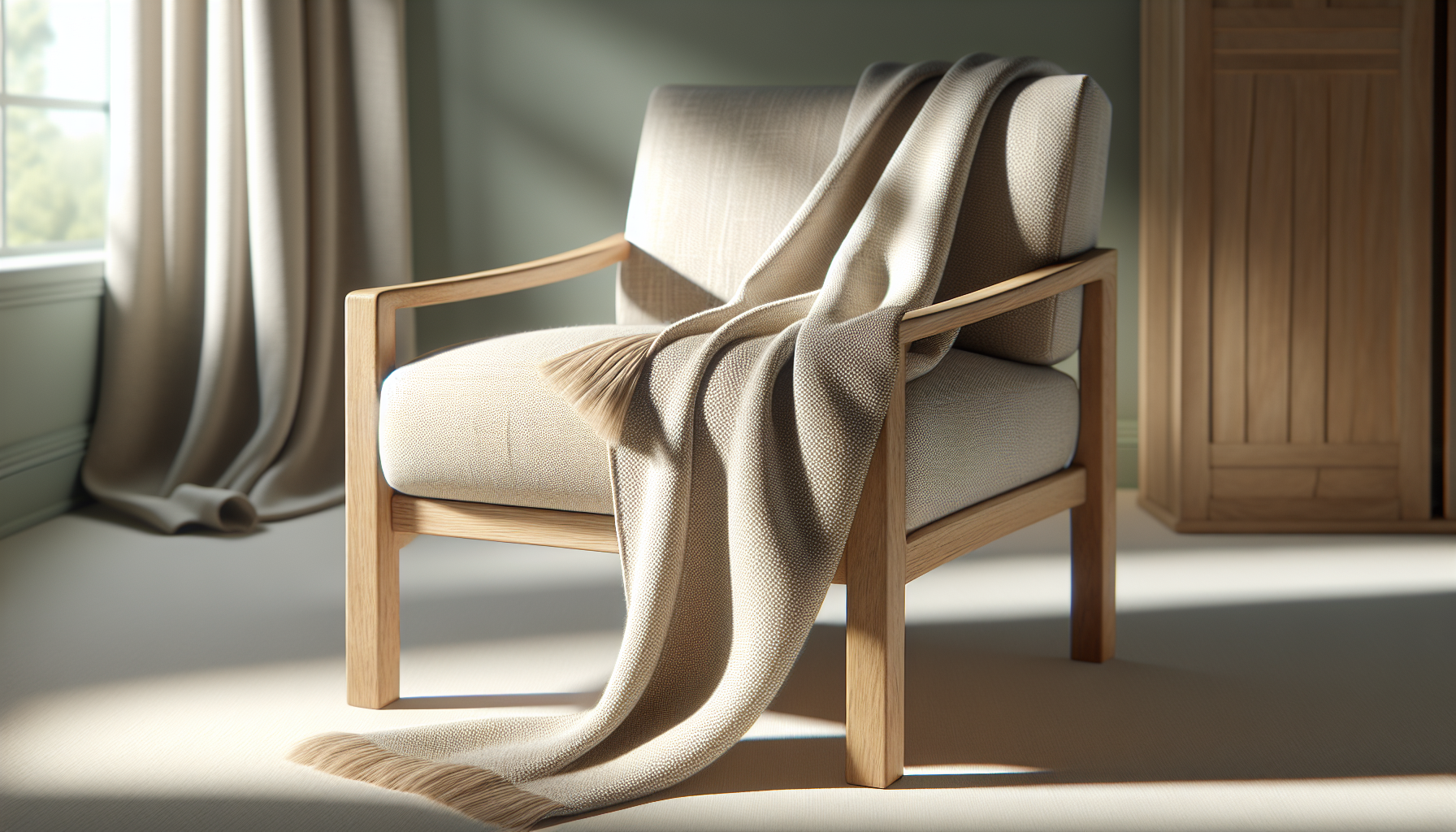
Which texture will make your Japandi sofa feel both serene and inviting?
What is Japandi style?
Japandi is a design marriage between Japanese minimalism and Scandinavian warmth. You get clean lines, functional furniture, natural materials, and a calm, restrained color palette that prioritizes comfort without clutter.
Why texture matters in Japandi sofas
Texture is one of the most powerful tools you have to create a Japandi vibe. While the silhouette of your sofa defines the style, texture gives it personality and tactility. You want surfaces that feel quiet and refined, yet warm and touchable.
Key texture characteristics for Japandi upholstery
When choosing upholstery textures for a Japandi sofa, focus on qualities that support calm, natural simplicity. Soft matte finishes, gentle slubs and weaves, and tactile but understated surfaces help anchor the space without calling too much attention.
- Natural fiber appearance: linen-like slubs, wool nap, or cotton twill give an honest, organic look.
- Low to medium sheen: avoid high-shine materials that contradict the muted Japandi palette.
- Tactile but restrained: textures that invite touch without being overly fussy.
- Durability balanced with softness: the look should be serene, but fabric still needs to perform for daily use.
- Neutral color affinity: textures that work well in warm neutrals, muted greys, indigos, and soft greens.
Common upholstery fabrics and how they fit Japandi
Below you’ll find the most relevant fabric families and how they align with Japandi principles. Each entry explains appearance, tactile feel, pros and cons, and typical maintenance considerations so you can make practical choices.
Linen
Linen has a signature slubbed surface and natural irregularity. It’s breathable, cool to the touch, and shows a relaxed, lived-in look that suits Japandi’s natural aesthetic.
- Pros: Natural, biodegradable, breathable, beautiful patina with age.
- Cons: Wrinkles easily and can be less durable on high-use seating unless blended.
- Maintenance: Spot-cleanable; consider performance-linen blends for families.
Cotton
Cotton provides a softer, smoother finish than linen and comes in a wide range of weaves. It’s versatile and approachable for many home styles, including Japandi when kept in subdued tones and simple weaves.
- Pros: Soft, affordable, many weave options.
- Cons: Can stain; lower abrasion resistance than performance fabrics.
- Maintenance: Washable covers available; pre-treated or blended options improve durability.
Wool
Wool upholstery offers warmth, a soft nap, and excellent resilience. Its tactile richness brings in the cozy, hygge side of Japandi while keeping a refined look.
- Pros: Durable, insulating, naturally flame-resistant.
- Cons: Can be pricey; susceptible to moths unless treated.
- Maintenance: Professional cleaning often recommended; regular vacuuming helps.
Boucle
Boucle is a nubbly, looped yarn fabric that feels very tactile and cozy. In soft, neutral colors, boucle provides a modern organic texture that pairs well with Japandi’s simplicity.
- Pros: Extremely tactile, hides wear and stains, trendy yet timeless.
- Cons: Looped fibers can catch on sharp objects or pet claws.
- Maintenance: Vacuum gently; professional cleaning for deep stains.
Chenille
Chenille has a soft, plush pile with a subtly lustrous surface. It can feel luxurious without being flashy when chosen in matte, muted shades.
- Pros: Soft, comfortable, warm-looking.
- Cons: Can show nap direction; may pill over time.
- Maintenance: Regular vacuuming; check for colorfastness.
Velvet (Matte, Low-Sheen)
Traditional velvet can read as opulent, but matte, low-sheen velvets in muted tones can work for a Japandi sofa if used sparingly. They add a touch of depth without breaking the minimal mood.
- Pros: Rich hand, good color depth.
- Cons: Higher sheen variants feel less Japandi; shows wear fingerprints and pet hair.
- Maintenance: Careful maintenance; spot-clean or professional cleaning.
Leather (Muted, Full-Aniline or Pull-Up)
Leather brings natural texture and lasting structure. For Japandi, opt for soft, matte, full-aniline or pull-up leathers in earthy tones. They age beautifully and add sophistication without ornament.
- Pros: Durable, develops patina, easy to wipe.
- Cons: Can be cold or hot to the touch depending on climate; can be expensive.
- Maintenance: Leather conditioners and gentle cleaning required.
Faux Leather / Performance Leather
High-quality faux leathers can emulate the tactile quality of real leather with more stain resistance and sustainability at times. Look for muted finishes and natural grain.
- Pros: Easier care, vegan-friendly options, affordable.
- Cons: Lower breathability; avoid high-gloss finishes.
- Maintenance: Wipe clean; avoid abrasive cleaners.
Microsuede / Performance Microfiber
Microsuede offers a soft, suede-like hand with excellent stain resistance. In neutral tones and a tight, matte finish, it can suit a family-friendly Japandi sofa.
- Pros: Stain resistant, durable, pet-friendly.
- Cons: Can look synthetic if shine is present.
- Maintenance: Easy spot cleaning; check manufacturer guidance.
Hemp and Linen Blends
Hemp is sturdy with a natural texture similar to linen but more durable. Blends with cotton or linen produce upholstery fabrics that combine texture and strength.
- Pros: Sustainable, strong, naturally textured.
- Cons: Can be coarse if pure; blended options are preferable.
- Maintenance: Spot clean; professional cleaning recommended.
Tencel (Lyocell) and Modal
These plant-based manufactured fibers feel smooth and drape well. They can be woven into matte, soft upholstery fabrics that feel refined and modern.
- Pros: Soft, eco-friendlier than some synthetics, good color retention.
- Cons: Lower abrasion resistance than heavy-duty fibers.
- Maintenance: Follow care recommendations; blends with cotton or polyester improve durability.
Fabric comparison table
| Fabric | Texture / Look | Pros | Cons | Suitability for Japandi | Maintenance |
|---|---|---|---|---|---|
| Linen | Slubbed, organic | Natural, breathable, ages well | Wrinkles, moderate durability | Excellent for calm, natural look | Spot clean; blends for durability |
| Cotton | Smooth to textured | Soft, versatile, affordable | Prone to stains, moderate wear | Good in plain weaves & neutrals | Washable covers available |
| Wool | Napped, warm | Durable, cozy, insulating | Costly, moth risk | Very good — adds warmth | Vacuum; professional clean |
| Boucle | Nubby, looped | Tactile, hides wear | Can snag | Excellent as statement texture | Gentle vacuuming |
| Chenille | Plush pile | Soft, warm | May pill | Good in muted tones | Regular cleaning; professional |
| Velvet (matte) | Soft pile, deep color | Luxurious hand | Shows marks | Use sparingly | Spot clean; pro care |
| Leather (aniline) | Smooth to grained | Durable, patina | Temp sensitive | Good in muted, natural tones | Wipe, condition |
| Faux leather | Smooth, consistent | Easy care, cheaper | Less breathable | OK if matte & natural colored | Wipe clean |
| Microsuede | Suede-like | Stain resistant | Can look synthetic | Good for family homes | Easy spot cleaning |
| Hemp / Linen blend | Coarse to slubbed | Sustainable, strong | Can be coarse pure | Very good with blends | Spot clean |
| Tencel / Modal | Smooth, matte | Soft, eco option | Moderate durability | Works in blends | Follow care label |
Weaves and yarns: how they affect texture
The way yarns are woven changes both the look and the feel of upholstery. For Japandi sofas you’ll typically prefer weaves that read subtle rather than bold.
- Plain weave: Simple and understated with a crisp hand; ideal for a minimalist surface.
- Twill: Diagonal lines create subtle motion and durability; good for a slightly structured look.
- Herringbone / Chevron: Adds quiet pattern without being busy; use sparingly.
- Satin weave: Smooth and slightly reflective; generally less suitable for Japandi unless very low sheen.
- Boucle/Looped yarn: Gives a sculptural, tactile surface ideal for accent pieces.
- Slub yarns: Irregular thickness that produces organic texture; great for natural linen appearance.
- Chenille pile: Plush and warm, good for cozy accents rather than the entire sofa in minimal spaces.
Performance metrics you should consider
When you shop, you’ll see technical values for fabric performance. Knowing what those numbers mean helps you match fabric to use.
- Martindale / Wyzenbeek (rub count): Measures abrasion resistance. For residential sofas, aim for 15,000–30,000 rubs. High-traffic or commercial use requires 30,000+.
- Pilling resistance: Indicates whether small bobbles will form. High-pilling fabrics age poorly in look and touch.
- Colorfastness (to light and rubbing): Important if your sofa is near windows or receives frequent use.
- Stain resistance: Factory-applied treatments or inherent fiber properties (like polyester) can make cleaning easier.
- Fire retardancy: Often required in commercial settings; for home use verify local codes if needed.
Choosing fabric based on lifestyle
Your day-to-day life should guide your choice as much as aesthetics. Here are scenarios and practical recommendations.
If you have children
You need fabrics that can be cleaned and resist stains without shouting utilitarian. Look for performance cotton blends, microfiber, or treated linen blends. Removable covers are a lifesaver.
If you have pets
Pet claws favor tighter loop-free weaves. Boucle and loose loops are tempting but can snag. Leather and microsuede perform well; high-performance poly blends are also good. Choose darker neutrals or mid-tones that disguise hair.
If you live in a sunny climate
Choose fabrics with good colorfastness and avoid high-pile or highly textured fabrics that sun will degrade faster. Natural leathers and medium-weight woven linens with UV-friendly dyes are better options.
If you prioritize sustainability
Seek natural fibers like organic linen, hemp blends, and certified wool. Tencel and recycled PET options are better than virgin polyester. Check for certifications (GOTS, OEKO-TEX, GRS).
If you want a luxury minimalist sofa
Fine-woven wool or matte velvet can give a refined, tactile finish. Limit patterns and keep color to warm neutrals for a serene, high-end Japandi look.
Recommended fabrics by situation (table)
| Situation | Best Fabrics | Notes |
|---|---|---|
| Family with kids | Performance cotton blends, microsuede, treated linen blends | Look for removable, machine-washable covers |
| Pet owners | Leather (muted), microsuede, high-performance polyester blends | Avoid looped textures; check claw resistance |
| Sunny rooms | Treated linen blends, leather, sun-resistant synthetics | Check colorfastness ratings |
| Sustainability focus | Organic linen, hemp blends, certified wool, Tencel | Verify certifications |
| Luxury minimalist | Matte velvet, fine wool, full-aniline leather | Keep tones understated |
Color, pattern, and texture synergy
Texture and color work together to create depth without visual clutter. In Japandi you’ll usually keep patterns minimal and rely on texture to create interest.
- Stick to a restrained palette: warm beiges, soft greys, muted greens, indigo, charcoal, and natural wood tones.
- Use texture to define zones: a nubby bouclé armchair alongside a smooth linen sofa can provide contrast without busyness.
- Small, subtle patterns like herringbone or thin stripes in neutral tones can work when scaled appropriately.
- Avoid loud prints or high-contrast patterns that compete with the tranquil Japandi aesthetic.
Cushion fill and construction influence on perceived texture
What’s inside the sofa matters as much as the upholstery. Fill and construction change how fabric drapes, wrinkles, and feels when you sit.
- Foam cores with a soft feather wrap give tailored shapes with a soft surface. Suitable for clean-lined Japandi sofas.
- Feather and down cushions feel luxurious and slump more — pair with firmer covers to retain a neat aesthetic.
- High-resilience foam offers structure and longevity but can feel firmer; top with down or softer foam for comfort.
- Removable cushion covers let you refresh or wash without changing the cushion fill.
Practical considerations: maintenance, stain resistance, UV, seams, and covers
Think through daily care and long-term maintenance before committing.
- Removable covers: For many households, removable, zippered covers are highly practical. You can machine wash or professionally clean them as needed.
- Seam and piping details: Flat seams and minimal piping support Japandi’s clean lines. Contrast piping is usually too decorative.
- Stain treatments: Factory-applied stain guards (e.g., fluorocarbon-free options) help. Some fiber types (polyesters) are naturally more stain resistant.
- UV exposure: Prolonged sun exposure fades and weakens fibers. Position your sofa away from direct sun or use UV-filtering window treatments.
- Pet proofing: Consider leather or tight-weave synthetics for ease of maintenance and reduced snag risk.
Maintenance cheat sheet (table)
| Fabric | Regular Care | Stain Treatment | Professional Cleaning |
|---|---|---|---|
| Linen | Vacuum, brush creases | Blot spills; mild detergent | As needed; blends easier |
| Cotton | Vacuum | Blot; cold water + gentle soap | Yearly or as needed |
| Wool | Vacuum with soft brush | Blot; avoid harsh detergents | Professional recommended |
| Boucle | Gentle vacuum | Blot; careful with snagging | Professional for deep clean |
| Chenille | Vacuum (no beater bar) | Blot; test first | Professional |
| Velvet | Brush & vacuum | Blot; avoid water marks | Professional best |
| Leather | Wipe, condition | Wipe spills; mild soap | Leather specialist occasionally |
| Microsuede | Vacuum | Blot; rubbing alcohol for marks | Infrequent professional |
| Tencel blends | Vacuum | Blot; follow label | As recommended by maker |
How to test fabric before buying
Ordering swatches and testing in your actual room is essential. Here are practical tests to perform at home.
- Touch test: Feel the fabric at different temperatures. Does it feel welcoming and appropriate for your climate?
- Fold test: Fold the swatch and check for color change or crushing. Fabrics that crush easily may show wear quickly.
- Sun test: Tape the swatch by a window for a few days to get a sense of fading potential.
- Rub test: Rub the swatch to test pilling and color transfer. Use a white cloth to check for dye release.
- Stretch test: Gently tug to see if the weave recovers. Some synthetic blends have more stretch that can sag over time.
- Visual test with furniture: Place the swatch against wood finishes and other textiles you already own to ensure harmony.
Styling tips: mixing textures while staying Japandi
You want balance — but not boring. Here are ways to layer texture in a restrained Japandi way.
- Limit the number of textures: Two to four different textures is usually plenty for a cohesive look.
- Hold to neutral colors: Use texture to vary visual interest rather than color.
- Use accent pieces: A boucle accent chair, wool throw, and linen cushions can create depth without clutter.
- Add natural elements: Wood legs, woven rattan trays, or stone accessories complement soft upholstery textures.
- Mind scale: Small rooms favor textures with finer scale; larger rooms can take chunkier knits and boucle.
Eco and ethical considerations
If sustainability matters to you, factor it into fabric choice and supplier selection.
- Look for certifications: GOTS (organic textiles), OEKO-TEX (low chemical content), GRS (recycled materials).
- Prefer durable fabrics: Long-lasting textiles reduce waste over time.
- Consider end-of-life: Natural fibers biodegrade better; recycled synthetics have a second life but may not biodegrade.
- Check manufacturing transparency: Smaller producers or brands that disclose mills and dyeing processes often have higher ethical standards.
Common mistakes to avoid
A few pitfalls can derail the Japandi intent. Avoid these common errors when choosing upholstery textures.
- Choosing high-sheen fabrics that conflict with the matte, natural mood.
- Over-texturing: Too many competing textures create visual clutter.
- Neglecting maintenance needs: Beautiful fabrics that look great but require impractical upkeep can lead to early replacement.
- Ignoring scale and proportion: Large-scale textures on a small sofa can overpower the room.
- Forgetting to test swatches in your lighting and with other materials.
Quick step-by-step decision guide
- Clarify usage: Who sits on it, how often, kids or pets?
- Set your palette: Choose a restrained color family for the upholstery.
- Order swatches: At least three candidates in your primary color family.
- Test swatches at home: Touch, rub, sun, and pair with wood finishes.
- Evaluate durability metrics: Martindale/rub counts and pilling ratings.
- Decide on construction: Removable covers, cushion fill, welt options.
- Confirm care and warranties: Check stain-treatment claims and return policies.
- Purchase and care: Follow recommended maintenance to keep texture intact.
Final checklist before buying
- Have you ordered physical swatches and tested them in your space?
- Does the fabric’s sheen align with the Japandi aesthetic?
- Is the fabric durable enough for your household’s needs?
- Are you satisfied with the maintenance demands?
- Does the texture work with your palette and other room materials?
- Have you checked sustainability or ethical credentials if that matters to you?
Conclusion
Choosing the right upholstery texture for your Japandi sofa is about balancing restrained aesthetics with real-life practicality. You’ll want materials that feel honest and natural, perform well for your lifestyle, and age gracefully. By combining tactile surfaces like linen, wool, or muted boucle with careful choices around color, weave, and construction, you can create a sofa that looks calm and inviting while standing up to daily use. Use the swatch tests and performance metrics to guide you, and remember that subtle texture — not loud pattern — is what makes Japandi feel both serene and deeply comfortable.
If you’d like, you can tell me about your living situation (kids, pets, climate, preferred colors), and I’ll recommend three fabric options and a care plan tailored to your sofa.