
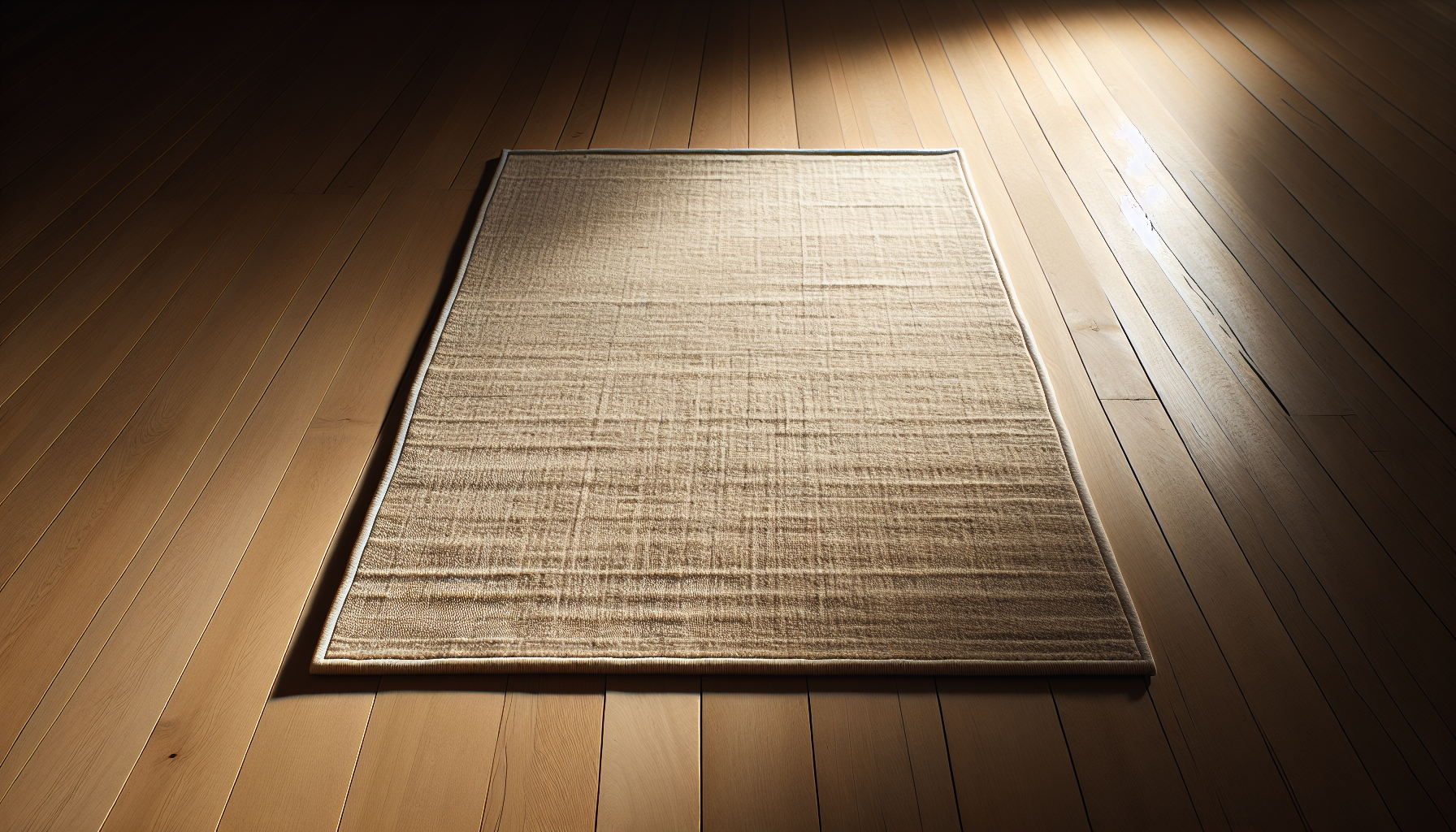
? Are you trying to find a minimalist rug that will enhance the calm, balanced look of a Japandi interior while remaining practical and long-lasting?
Choosing minimalist rugs for Japandi interiors
You want a rug that supports the Japandi aesthetic — restrained, natural, and functional — without drawing too much attention. This article will guide you through the decisions that matter, from material and color to size, placement, and care.
What is Japandi style?
Japandi is a hybrid aesthetic that combines Japanese wabi-sabi restraint with Scandinavian warmth and functionality. You’ll notice clean lines, natural materials, muted colors, and a focus on craftsmanship and comfort.
Origins and influences
You should know that Japandi draws heavily from both Japanese and Scandinavian traditions, marrying minimalism and intentional imperfection with hygge-inspired coziness. Understanding these roots helps you choose a rug that honors the balance of form and function central to the style.
Core principles of Japandi
The style prioritizes simplicity, natural materials, muted tones, and purposeful design, so your rug must follow those principles rather than compete with them. Think calm, utility, and deliberate beauty when you evaluate any rug for this aesthetic.
Why rugs matter in Japandi interiors
A rug does more than cover the floor; it anchors a room, defines functional zones, and softens acoustic and tactile experiences. For Japandi interiors, the rug’s role is both practical and aesthetic — it enhances balance and comfort without overpowering the space.
Visual grounding and scale
You’ll use a rug to establish scale and define seating or dining areas so that furniture appears intentional and cohesive. The right rug size and placement will make your layout feel measured and harmonious.
Texture and comfort
Rugs contribute tactile warmth and comfort, especially in minimalist spaces where textiles act as a main source of softness. Your choice of texture should complement the room’s wood, ceramic, and metal surfaces rather than contrast with them too sharply.
Color and harmony
A rug should foster visual calm and support the room’s color palette instead of introducing a jarring accent. Subtle tonal variations, natural hues, and muted contrasts will create the serene effect Japandi seeks.
Rug characteristics to prioritize
When choosing a rug for a Japandi interior, prioritize natural fibers, understated colors, low to medium pile, and simple textures or gentle, organic patterns. These characteristics balance the clean geometry of Scandinavian design with the soft, imperfect ethos of Japanese design.
Minimalist color palette
You’ll typically choose neutral shades like warm beige, soft gray, off-white, and muted earth tones, with occasional subdued greens or indigos. These colors maintain visual calm and allow wooden furniture or a handcrafted piece to stand out subtly.
Texture over pattern
You should favor tactile interest created through weave and texture more than bold patterns, so the rug contributes depth without visual clutter. Furniture and accessories will provide personality while the rug remains a quiet foundation.
Natural materials
Choose natural fibers like wool, cotton, jute, or hemp when possible, since they align with Japandi values of simplicity and sustainability. Natural materials age gracefully, provide warmth, and typically have a more muted, organic appearance.
Low profile and pile height
You’ll usually want a low to medium pile that keeps silhouettes clean and avoids a visually heavy look. Flatweaves and low-pile rugs are especially appropriate if you use minimalist, low-slung furniture, which is common in Japandi interiors.
Clean lines and simple shapes
Rugs with simple rectangular or round shapes and restrained border details will support the room’s structure. Avoid elaborate medallions, high-contrast borders, and ornate trims that pull the eye away from the room’s harmony.
Choosing the right material
Material affects appearance, feel, durability, and maintenance, so you should match material to your lifestyle and room usage. The table below compares common rug materials to help you choose.
| Material | Appearance & Texture | Durability | Suitability in Japandi | Maintenance |
|---|---|---|---|---|
| Wool | Natural matte sheen, soft, slightly springy | High — resists crushing and stains fairly well | Excellent — warm, cozy, and classic | Vacuum regularly; professional clean occasionally |
| Cotton | Soft, casual, breathable | Moderate — less durable than wool | Good for low-traffic or layered styles | Machine-washable smaller rugs; spot clean |
| Jute | Coarse, natural, earthy texture | Moderate — can shed and absorb moisture | Very Japandi-friendly for texture and look | Vacuum; avoid damp areas |
| Hemp | Slightly coarse, natural matte finish | Good — strong fiber | Excellent — sustainable, organic look | Similar to jute but less prone to shedding |
| Silk (or silk blends) | Luminous, fine, smooth pile | Moderate to low — delicate | Use sparingly in low-traffic areas | Professional cleaning required |
| Synthetic (e.g., polypropylene) | Can mimic many textures | High — stain-resistant and affordable | Useful in high-traffic or wet areas but less authentic | Easy to clean; some lose natural aesthetic |
How to match material to room use
You should select wool or high-quality synthetics for living rooms and hallways that see frequent foot traffic, while cotton and flatweaves work nicely in casual spaces or layered looks. For areas where moisture or heavy soiling is likely, prefer easy-to-clean synthetic options or even washable cotton rugs.
Rug sizes and room placement
Choosing the right size is essential to maintain the sense of order in Japandi rooms, and scale is often more important than exact measurements. The table below gives practical starting points for typical rooms.
| Room | Typical rug size(s) | Placement tips |
|---|---|---|
| Living room | 8×10 ft, 9×12 ft, or large enough so front legs of all major furniture sit on the rug | Keep rug under fronts of sofas and chairs to unify seating |
| Dining room | 8×10 ft or large enough for chairs to remain on rug when pulled out | Rug should extend at least 24 inches beyond table edges |
| Bedroom | 5×8 ft beside bed for smaller rooms; 8×10 ft or larger to fit under bed and extend beyond | Place rug under bed with at least 18–24 inches of rug visible |
| Entryway/hall | Runner widths 2–3 ft, lengths 6–12 ft | Keep runner centered and proportionate to hallway width |
| Small seating nook | 4×6 ft or 5×8 ft | Ensure rug anchors the seating or sits neatly between furniture legs |
Living room placement guidelines
You’ll usually want a rug that holds the major seating pieces together, often with the front legs of sofas and chairs on the rug. This creates a unified conversation area and a feeling of intentional composition.
Dining room placement guidelines
Place a rug under the dining table that’s large enough for chairs to remain on the rug when someone pulls them back. This signals that the dining area is complete and thoughtfully layered.
Bedroom placement guidelines
In bedrooms, you can place a large rug under the bed so the rug extends beyond the sides and foot, or use smaller rugs at each side for a more minimalist look. Both approaches deliver comfort underfoot and anchor the bed visually.
Pattern, color, and tone: subtleties for Japandi
Patterns can exist in Japandi design, but they’re typically subtle, organic, and low-contrast so that the overall atmosphere remains serene. Color should be muted, with occasional low-saturation accent hues.
Neutrals and muted accents
You should stick mostly to neutrals — warm beiges, taupes, soft grays, and cream — and add subdued accent tones like washed indigo, olive, or terracotta in small doses. These accents should harmonize with your wood tones and finishes.
Simple, organic patterns
If you want pattern, choose soft, irregular lines, subtle stripes, or faded geometric motifs that echo artisanal weaving rather than machine-made loud patterns. Patterns with breathing room and low contrast will keep the rug from becoming the dominant focal point.
Texture and pile: creating warmth without clutter
Texture provides tactile interest and helps balance clean lines, but you should choose textures that read as natural and refined rather than busy. Pile height and weave type determine visual weight and practical comfort.
Flatweave vs low pile vs shag — pros and cons
Flatweave rugs are low-profile and crisp, perfect for clean-lined rooms; low-pile wool offers warmth with structure; shag rugs provide softness but can appear heavy and disrupt minimalism. Match pile height to furniture scale and the desired level of snugness.
Balancing texture with other materials
You’ll want your rug’s texture to complement wood grain, ceramics, and metal accents, creating contrast without visual noise. For example, a slightly nubby jute rug pairs well with smooth oak furniture, while a soft low-pile wool anchors plush textiles like linen throws.
Layering rugs in Japandi interiors
Layering can be used sparingly to add subtle depth, but you should avoid excessive layers that read as clutter. When done correctly, layering lets you combine textures and define zones while keeping the palette restrained.
When to layer and when to avoid it
Layer rugs when you want to add texture, protect floors, or visually separate zones in an open-plan room, but avoid layers in tiny spaces where simplicity is the priority. Also, ensure the top layer is proportionate — a small accent rug should never obscure the scale of the base rug.
How to layer tastefully
You should layer a smaller, textured rug (like a soft wool or cotton) over a larger neutral flatweave, keeping colors tonal and patterns minimal. Keep alignment intentionally asymmetrical at times to echo Japanese imperfection, but maintain overall balance.
Rug maintenance and care
A rug that fits Japandi principles should also be practical; you’ll want one that’s relatively easy to maintain and that ages gracefully. Regular care extends the life of natural fibers and preserves the rug’s look.
Regular cleaning routines
You should vacuum weekly in high-traffic areas and shake or take smaller rugs outside periodically. Rotate rugs seasonally to avoid uneven fading and wear.
Stain removal and professional cleaning
Address spills immediately by blotting (don’t rub) and using mild cleaners appropriate for the fiber. For deep cleaning, schedule professional cleaning for natural fiber rugs every 1–3 years depending on use.
Sustainability and ethical considerations
Japandi places value on mindful living and quality, so sustainability and ethical sourcing are important when you choose a rug. Selecting durable, responsibly made pieces supports the long-lived, slow-design ethos of the style.
Certifications and responsible sourcing
You should look for credible certifications like GOTS (Global Organic Textile Standard), OEKO-TEX, Fair Trade, or FSC (for materials with wooden backing) to confirm responsible production. Local or small-batch artisanal rugs often reduce transport footprint and support ethical labor practices.
Long-term durability and repairability
A rug that you can repair or rebind and that has long-term durability supports sustainable living. Choose fibers and construction methods that allow reweaving or patching, and select neutral tones that remain stylish over time.
Budgeting and where to buy
Rug prices vary widely, and you should match quality expectations to your budget while prioritizing materials and craftsmanship. You’ll often find the best long-term value by investing in a well-made rug rather than replacing cheap options frequently.
High-end vs budget options
High-end rugs made from wool or heirloom handweaves will last longer and patina beautifully, while budget synthetics or machine-made options can be practical for high-traffic areas. If you balance budget with the room’s function, you’ll maximize both style and durability.
What to look for in online shopping
You should examine close-up photos, zoom in on weave quality, confirm returns and measurement policies, and read reviews about color accuracy. Ask for material samples when possible or request fabric swatches to ensure the rug’s texture and tone match your expectations.
Common mistakes to avoid
Choosing a rug for a Japandi room is easy to get right when you avoid a few frequent missteps. Keep proportion, material, color, and maintenance in mind so the rug enhances rather than conflicts with your interior.
Choosing too many patterns or colors
You should avoid introducing loud patterns and high-contrast colors that compete with the room’s calm. A single restrained accent color or soft pattern can be effective, but more usually detracts from the design.
Wrong size or placement
A too-small rug will make the space feel disconnected, while an oversized rug can overwhelm the room’s proportions. Follow the size guidelines and visual rules discussed earlier to keep the room grounded and balanced.
Quick checklist for choosing your Japandi rug
Use this checklist to guide your selection and avoid second-guessing after purchase. It’s a practical way to ensure every important factor has been considered.
| Checklist item | Why it matters |
|---|---|
| Correct size for the room and furniture | Maintains proportional balance and anchors zones |
| Natural material appropriate to use | Aligns with aesthetics and longevity |
| Low to medium pile or flatweave | Preserves clean lines and minimal visual weight |
| Muted color palette with possible subtle accent | Keeps calm and cohesive visual harmony |
| Texture that complements other materials | Adds tactile interest without clutter |
| Easy maintenance or professional cleaning options | Ensures longevity and practicality |
| Ethical sourcing or certifications (if important) | Supports responsible consumption |
| Color sample or small swatch reviewed in-room | Avoids color mismatch under real lighting |
Frequently asked questions (FAQ)
Here are answers to questions you’ll likely have as you shop for a Japandi rug.
How important is color matching with wood tones?
You should aim for complementary contrasts: warm wood pairs well with warm beiges or muted grays, while cooler wood benefits from warm neutrals or soft taupe. The goal is harmony — the rug should enhance the wood’s character without clashing.
Can I use a patterned rug in Japandi interiors?
Yes, but choose low-contrast, organic or faded patterns that read as texture rather than focal art. Subtle patterns provide interest while maintaining the calming effect of the overall room.
Are synthetic rugs acceptable for Japandi style?
They’re acceptable in functional or high-traffic spaces where durability and easy cleaning are priorities, though natural fibers align more closely with Japandi philosophy. If a synthetic offers a natural matte finish and muted tones, it can work well.
What rug shape suits Japandi best — round or rectangular?
Both shapes work; choose according to furniture arrangement and room geometry. Rectangular rugs are typical under seating and beds, while round rugs soften corners and work well under small dining tables or seating nooks.
How do I make a small room feel larger with a rug?
You should use a rug that leaves a narrow margin of floor visible around the edges to create a sense of extension, and choose lighter, low-contrast tones to open the visual field. Keep patterns minimal and textures fine to avoid visual compression.
Final tips and stylistic examples
When you shop, imagine the rug as the quiet foundation of your room rather than the star of the show, and choose materials and tones that feel timeless and tactile. If you’re unsure, pick a quality neutral in a natural fiber and add personality with small accent textiles or ceramics.
You now have a comprehensive framework to evaluate rugs for a Japandi interior: prioritize natural materials, muted colors, appropriate scale, and subtle textures. With those principles, you’ll make choices that create a calm, functional, and beautiful home that ages gracefully.