
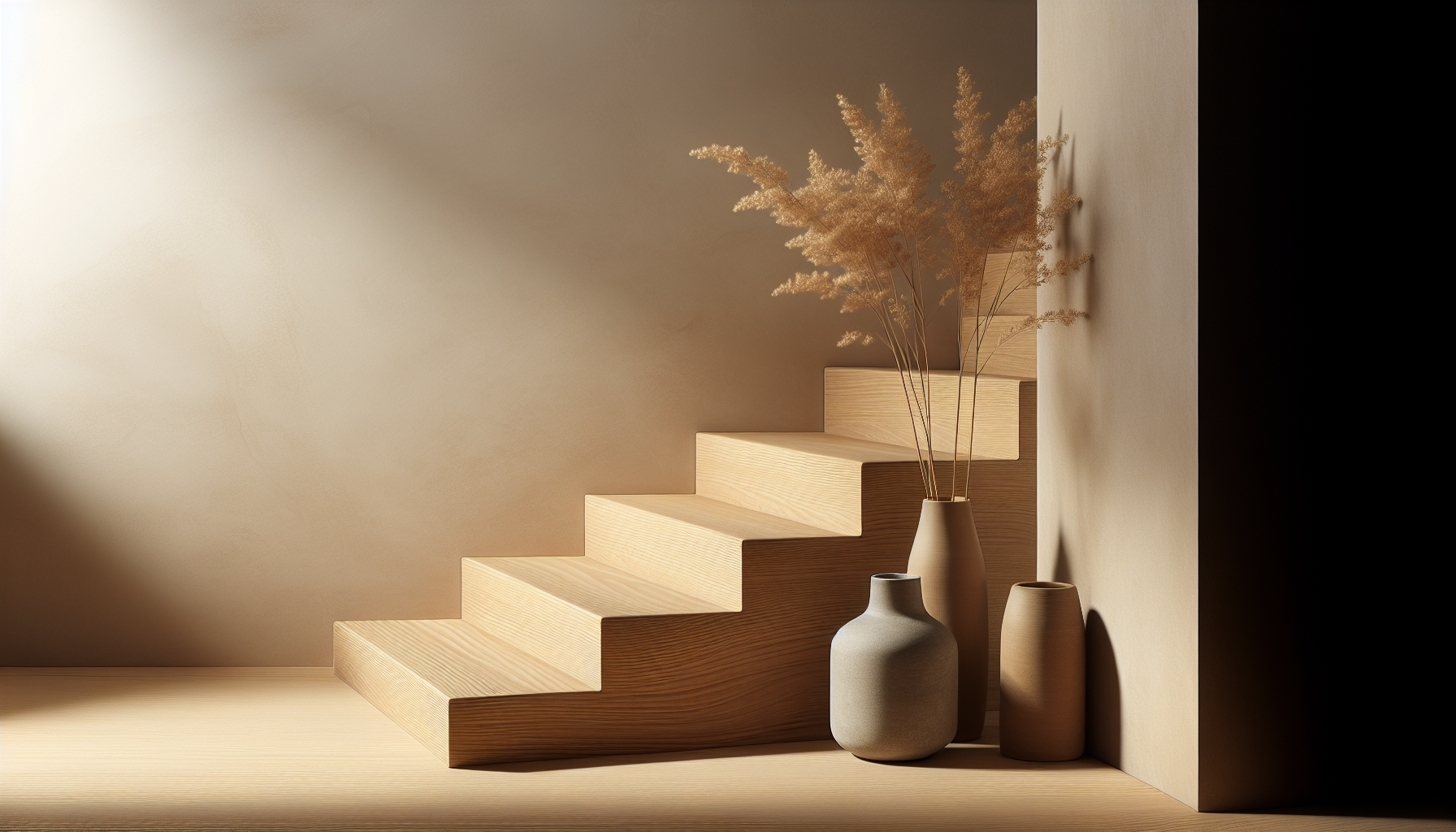
?Can Japandi work across multiple floors of a home?
If you’re wondering whether the calm, minimalist warmth of Japandi can flow seamlessly from one level to another, the short answer is yes. With thoughtful planning, consistent materials, and attention to transitions, you can create a home that feels cohesive and balanced while still allowing each floor or room to have its own character.
What is Japandi?
Japandi is a hybrid design style that combines Japanese minimalism with Scandinavian comfort and warmth. It emphasizes simplicity, natural materials, muted palettes, functional furniture, and an appreciation for craftsmanship and imperfection.
You’ll notice clean lines, uncluttered spaces, and an emphasis on natural light in Japandi interiors. The goal is a calm, purposeful environment that feels both modern and timeless.
Core principles of Japandi
Japandi focuses on minimalism, functionality, and emotional warmth through natural materials. You will prioritize quality over quantity, and choose pieces that have both aesthetic and practical value.
Balance is crucial: the Japanese influence brings restraint and refined details, while Scandinavian influence contributes hygge-like comfort and cozy textures. Together they create a restrained, human-centered design language.
Typical materials and palette
You’ll see wood (usually lighter Scandinavian tones paired with warmer Japanese woods), neutral paints, soft textiles, ceramic, and stone. The palette leans toward calm neutrals—muted beiges, warm greys, soft whites—often accented with deep green, indigo, or charcoal.
Textural contrast is important: smooth ceramics against raw wood, woven textiles against stone surfaces. This layering keeps the space from feeling cold.
Can Japandi work across multiple floors of a home?
Yes, Japandi can absolutely work across multiple floors, but success depends on how you manage continuity and transitions. You’ll want a unifying thread so the house reads as a single cohesive environment.
You should balance repetition and variation: repeat materials or color cues to link floors, and introduce subtle differences to give each level its own purpose or mood. Thoughtful vertical connections—stairs, railings, sightlines—will make the style feel intentional throughout.
Why continuity matters
Continuity helps you avoid a disjointed feeling as you move through spaces. When you maintain a few common elements, your home will feel calm and intentional rather than a series of disconnected rooms.
You’ll also gain practical benefits: consistent flooring and finishes can simplify circulation, maintenance, and future decorating decisions.
When a multi-floor Japandi approach might not be ideal
If you live in a heritage house with many protected features, or if different floors are used for very different functions that demand incompatible materials, fully consistent Japandi might be impractical. You can still apply Japandi principles selectively in these cases.
Also, if you want strong stylistic contrasts (for example, a very eclectic family floor and a minimalist private floor), consider using transition strategies rather than strict uniformity.
Key challenges to anticipate
You’ll face challenges like differing light levels, existing structural elements, and furniture scale across floors. Stairs and vertical transitions often need special attention to maintain both safety and aesthetic cohesion.
Managing acoustics and thermal differences between levels is important. You’ll need to think about how textures and finishes perform in bathrooms, kitchens, basements, and sunlit upper floors.
Design strategies for a cohesive multi-floor Japandi home
Successful multi-floor Japandi comes down to a few consistent strategies you can apply across your house. These help you achieve harmony without making every space feel identical.
You’ll want deliberate repetition of materials, careful selection of focal pieces, consistent hardware choices, and thoughtful lighting. Each of these contributes to a sense of flow.
Establish a unified color palette
Choose a base palette of two to four neutrals and one or two accent colors. Repeat these across floors to create visual continuity.
Your accents can vary in intensity by floor: for instance, a muted indigo feature on the upper floor and a deeper charcoal in the living space. This creates variety while maintaining unity.
Choose consistent flooring
Using the same or complementary flooring across floors is one of the most effective ways to unify a home. Wood or high-quality engineered timber in a consistent tone will make transitions smooth and visually continuous.
If you must change flooring (for wet areas, basements, or kitchens), aim for materials with a harmonious undertone. Match wood tones and grout colors so differences feel intentional.
Table: Flooring options and suitability for multi-floor Japandi
| Flooring type | Suitability across floors | Notes |
|---|---|---|
| Engineered hardwood | High | Stable across humidity changes; choose warm, natural tones. |
| Solid hardwood | Medium | Beautiful but sensitive to moisture; suitable for upper levels. |
| Wide-plank oak | High | Popular Japandi choice; natural grain and warm tone. |
| Bamboo | High | Sustainable, strong; choose low-gloss finish. |
| Porcelain tile (wood-look) | High for wet areas | Durable for kitchen/bath while matching wood tones. |
| Polished concrete | Medium | Works for modern Japandi but can feel cold; add rugs/textiles. |
| Cork | Medium | Warm underfoot and dampens sound; consider for bedrooms. |
Design stairs and vertical connections thoughtfully
Stairs are a major visual connector. You’ll want to keep lines simple, materials natural, and railings minimal yet warm. A continuous stair runner in a neutral hue or a consistent banister finish helps maintain flow.
Consider open risers or thin steel balustrades combined with wooden treads to keep sightlines open. Integrate lighting into the stair design to emphasize gradual transitions.
Maintain consistent hardware and detailing
Small details like door handles, switch plates, and trim profiles create cohesion. Choose low-profile hardware in matte black, brushed brass, or warm nickel that complements your palette.
Keep trim simple: narrow profiles or square edges work well with Japandi’s clean aesthetic. Consistent hardware links rooms subtly but effectively.
Use lighting to create continuity and mood
Your lighting strategy should combine general, task, and accent lighting with a consistent fixture language. Use simple pendant shapes, paper or linen shades, and warm color temperatures.
You’ll want to maintain similar bulb color temperatures (2700–3000K) across the house to avoid visual jarring. Layered lighting and dimmers cultivate the cozy, considered atmosphere Japandi aims for.
Balance furniture scale and layout
Scale must be appropriate for each floor. You’ll want furniture with low profiles, tapered legs, and refined proportions. Repeat furniture styles or finishes across rooms to create cohesion.
Avoid overly ornate or bulky pieces; instead, choose items with thoughtful details that feel crafted rather than mass-produced. This will maintain visual lightness across multiple floors.
Use texture and tactile materials
Textural variety keeps the neutral palette from feeling flat. Use woven rugs, linen curtains, wool throws, and ceramic accents to create warmth.
You’ll vary textures between floors to reflect function: smoother, more durable textiles in high-traffic spaces; softer, cozier fabrics in bedrooms.
Minimalism with warmth and personal touches
Japandi is minimalist, but it’s not sterile. Include curated personal items—handmade pottery, a single framed print, or a sculptural vase—to avoid a show-home feel.
Be selective: each object should have a reason to exist, either functional or emotional. This curatorial approach scaled across floors helps maintain personality without clutter.
Integrated storage and clutter control
Clutter is the enemy of the aesthetic. Build storage into the architecture—under-stair drawers, recessed shelving, and built-in wardrobes—to keep surfaces clear.
You’ll keep each floor tidy by giving every item a home. Consider a consistent storage vocabulary (wood finishes, pull styles) across floors to reinforce cohesion.
Room-by-room guide for multiple floors
A floor-by-floor approach helps you apply Japandi principles practically. Below are strategies tailored to typical zones of a multi-level home.
You’ll find suggestions for finishes, furniture, and how to connect spaces visually and functionally.
Entryway / foyer
Your entry sets the tone for the whole home, so make it calm and purposeful. Keep the layout simple: a low bench, a narrow console, and practical storage for shoes and outerwear.
Use a durable natural material like treated wood or tile for flooring, and add functional hooks or a built-in cabinet to keep clutter out of sight. A single art piece or a mirror with a thin wooden frame adds interest without overwhelming.
Living room / main common area
This is where you’ll most fully embody Japandi comfort—clean lines, a neutral palette, and warm textures. Choose a low-profile sofa in a muted tone and pair it with a wooden coffee table with visible joinery.
Balance open space for circulation with curated accessories: a woven rug, a ceramic vase, and a single large plant. Keep storage integrated and minimal to maintain a serene atmosphere.
Kitchen and dining
Kitchens must be practical, but they can still reflect Japandi restraint. Prefer flat-front cabinetry with subtle handles or integrated pulls, natural wood or matte laminate finishes, and stone or engineered countertops.
For dining, a simple wooden table with tapered legs pairs well with mixed seating—benches or sculptural chairs. Lighting above the table should be simple and warm to promote conviviality.
Bedrooms and private floors
Bedrooms should feel restful and uncluttered. Use soft, layered textiles and simple wooden bedframes. Keep color restrained, and limit decorative items to a few meaningful pieces.
You’ll choose quieter finishes upstairs: softer rugs for sound absorption, blackout curtains for restful sleep, and dimmable bedside lamps for reading and relaxation.
Bathrooms
Bathrooms require more durable surfaces, but you can maintain the Japandi look with muted tiles, wooden vanities (or wood-effect cabinets), and matte fixtures. Keep countertops clear and focus on tactile elements like matte ceramics and woven baskets for towels.
Opt for large-format tiles or subtle patterns to avoid visual noise. Consider recessed storage and niches to keep toiletries concealed.
Home office / workspaces
Design your office for focus with a clean desk, ergonomic chair, and minimal shelving. Natural light and a calm color palette will help concentration, while one or two personal items add warmth.
Cable management and drawer storage are critical to maintain the calm aesthetic you want across floors.
Children’s rooms and family floors
Japandi can be family-friendly if you prioritize durable, easy-to-clean materials, and practical storage. Use muted palettes with pops of deeper color for playfulness, and choose furniture that can grow with the child.
Keep open floor space for play, and integrate baskets and low shelving so kids can learn to tidy up within the same visual language as the rest of the home.
Basement and lower levels
Basements often present light and moisture challenges. Use durable fibers, moisture-resistant flooring, and layered lighting while keeping the palette slightly darker or cozier to compensate for lower light levels.
You’ll use rugs, warm lighting, and wooden accents to make these areas feel part of the same home.
Attic or loft spaces
Lofts can be expressive within the Japandi framework: keep low, simple furniture, and emphasize natural materials. Maintain a consistent palette and use skylights or light tubes to bring in daylight.
Use built-in storage in awkward eaves to keep clutter away from sight lines.
Outdoor connections and terraces
Connections to the outdoors are central to Japandi’s appreciation for nature. Choose flooring and furniture that bridge interior and exterior—untreated or minimally finished woods, simple planters, and natural textiles.
You’ll repeat exterior color cues and materials so the transition between inside and outside feels seamless.
Material and finish recommendations
Choosing the right materials will anchor your Japandi multi-floor plan. Below are guidelines and recommendations to help you decide.
You’ll prefer natural, textured, and low-gloss finishes. Mix warm wood tones with muted stone and matte metal.
Table: Recommended materials and where to use them
| Material | Best uses | Notes |
|---|---|---|
| Oak (light/medium) | Flooring, furniture | Warm, durable, and versatile; wide-plank gives a natural look. |
| Walnut | Accent furniture, railings | Richer tone for contrast; use sparingly to avoid heaviness. |
| Bamboo | Floors, cabinetry | Sustainable; choose low-VOC finishes. |
| Porcelain tile | Kitchens, bathrooms | Moisture-resistant; choose wood-look if you want continuity. |
| Stone (limestone, honed granite) | Countertops, accent walls | Natural texture; pair with wood to avoid coldness. |
| Matte ceramics | Sinks, vases | Tactile and handcrafted feel complements Japandi. |
| Linen and wool | Upholstery, curtains, throws | Textiles that add warmth and texture. |
| Matte metal (black/brass) | Hardware, lighting | Minimal, low-shine finishes align with Japandi restraint. |
Finishes and maintenance
Choose finishes that are easy to maintain and age gracefully. Low-sheen or matte sealants look natural and show fewer scratches. For floors, consider durable finishes that can be refreshed over time.
You’ll prefer finishes that patina rather than need constant replacement, aligning with Japandi’s respect for imperfection and longevity.
Color palettes and accent strategies
A well-chosen palette is central to this style. You’ll want cohesion but not monotony, so plan palettes that repeat across floors with small variations.
Use a neutral base, one or two natural accent tones, and occasional deeper anchors for contrast.
Table: Four Japandi-ready palettes
| Palette name | Base neutrals | Accents | Suggested usage |
|---|---|---|---|
| Soft Sand | Warm beige, off-white | Sage green, soft clay | Living/dining main floors for soothing warmth |
| Mist Grey | Pale grey, warm white | Charcoal, indigo | Modern areas, kitchens, and ateliers |
| Warm Oak | Light oak tones, cream | Walnut, terracotta | Bedrooms and private floors for cozy feel |
| Calm Stone | Stone grey, ivory | Moss green, black | Basements, bathrooms, and more contemplative rooms |
You’ll use darker accents sparingly—on a single wall, a bench, or a large upholstered piece—to anchor a space without overpowering the calm.
Practical considerations and challenges
Maintaining Japandi across multiple floors involves dealing with practical constraints. Thinking ahead will save you time and money.
You’ll need to plan for acoustics, heating/cooling, light variability, and real-world family needs.
Acoustics and noise control
Open-plan homes can transmit sound between floors. Use rugs, soft furnishings, and acoustic panels discreetly to manage noise.
Consider underlayments for floors, upholstered furniture, and bookcases that act as sound absorbers to preserve tranquility.
Light and exposure
Different floors will have different light. You’ll adjust color saturation and texture according to exposure: darker tones on less sunny floors, lighter palettes where daylight is abundant.
Window treatments should filter light gently—linen sheers or soft shades—to maintain even, warm illumination.
Safety and code requirements
Stairs, handrails, and balustrades must meet local safety codes. You’ll choose materials and designs that balance safety with minimalism—simple timber handrails or slim metal balusters are both functional and stylish.
Ensure slip-resistant finishes in stairs and bathrooms to maintain safety without compromising aesthetics.
Climate and thermal performance
Multi-floor homes often have temperature differences. Use rugs and textiles to warm upstairs floors, and ensure consistent heating zoning if possible.
You’ll consider insulation, double-glazing, and thermal breaks in exposed areas to maintain comfort across floors.
Mixing Japandi with other styles across floors
You don’t have to make every floor strictly Japandi. Thoughtful blending can allow each floor to have a distinct personality while staying cohesive.
You’ll achieve this by repeating key materials or colors and letting secondary styles influence accessories or a single feature wall.
Transition strategies
Use transitional areas—a landing, stairwell, or corridor—to bridge stylistic differences. A consistent flooring or a repeated accent color on these connectors will make the change feel intentional.
Keep the furniture language similar (e.g., low profiles, wooden legs) and vary textiles or art to adjust character per floor.
Examples of acceptable mixes
- Japandi upstairs (quiet, restful) and a more eclectic family floor downstairs with jewel-toned accents—unite them with the same wood tone on trims and stairs.
- Minimalist main floor with a rustic basement entertainment space—connect them using matching hardware finishes and neutral wall paint.
Budgeting and phasing a multi-floor Japandi makeover
Transforming multiple floors can be costly if attempted all at once. Plan a phased approach and prioritize high-impact changes.
You’ll get the most value from consistent flooring, lighting upgrades, and decluttering/storage solutions early in the process.
Prioritization checklist
- Flooring continuity or complementary floor finishes.
- Stair and vertical connection finishes (handrails, treads, lighting).
- Main living area furniture and lighting.
- Storage integration to reduce clutter.
- Kitchens and bathrooms (functional areas requiring more budget).
- Bedrooms and secondary spaces.
You can phase smaller cosmetic elements—textiles, accessories, artwork—over time while concentrating budget on structural and high-use improvements first.
Checklist: Bringing Japandi across multiple floors
Use this checklist to ensure you cover the essentials when planning a multi-floor Japandi home. It helps keep the process manageable and intentional.
Table: Multi-floor Japandi project checklist
| Category | Action items |
|---|---|
| Overall plan | Choose base palette and repeat across floors |
| Flooring | Select continuous or complementary flooring |
| Stairs | Design consistent treads, railings, and lighting |
| Lighting | Standardize bulb temperature and fixture language |
| Furniture | Maintain scale, low profiles, and wooden accents |
| Storage | Integrate built-in storage and declutter strategies |
| Materials | Prioritize natural, durable materials |
| Hardware | Use consistent finishes on handles and switches |
| Textiles | Repeat textures (linen, wool) with subtle variations |
| Safety/Code | Ensure stair safety and moisture-resistant surfaces |
| Budgeting | Phase the project and prioritize high-impact areas |
Final thoughts
You can absolutely make Japandi work across multiple floors by committing to a few unifying threads: consistent materials, a limited palette, and careful attention to transitions. You’ll balance repetition and variation to create a home that reads as a whole while allowing each floor to serve its specific purpose.
Approach the project with patience and prioritization. Start with the elements that most affect perception—flooring and vertical connections—then layer furniture, textiles, and personal items. When you keep the design restrained, functional, and warm, each level will feel both intentional and welcoming, giving your entire home the calm, lived-in elegance Japandi is known for.