
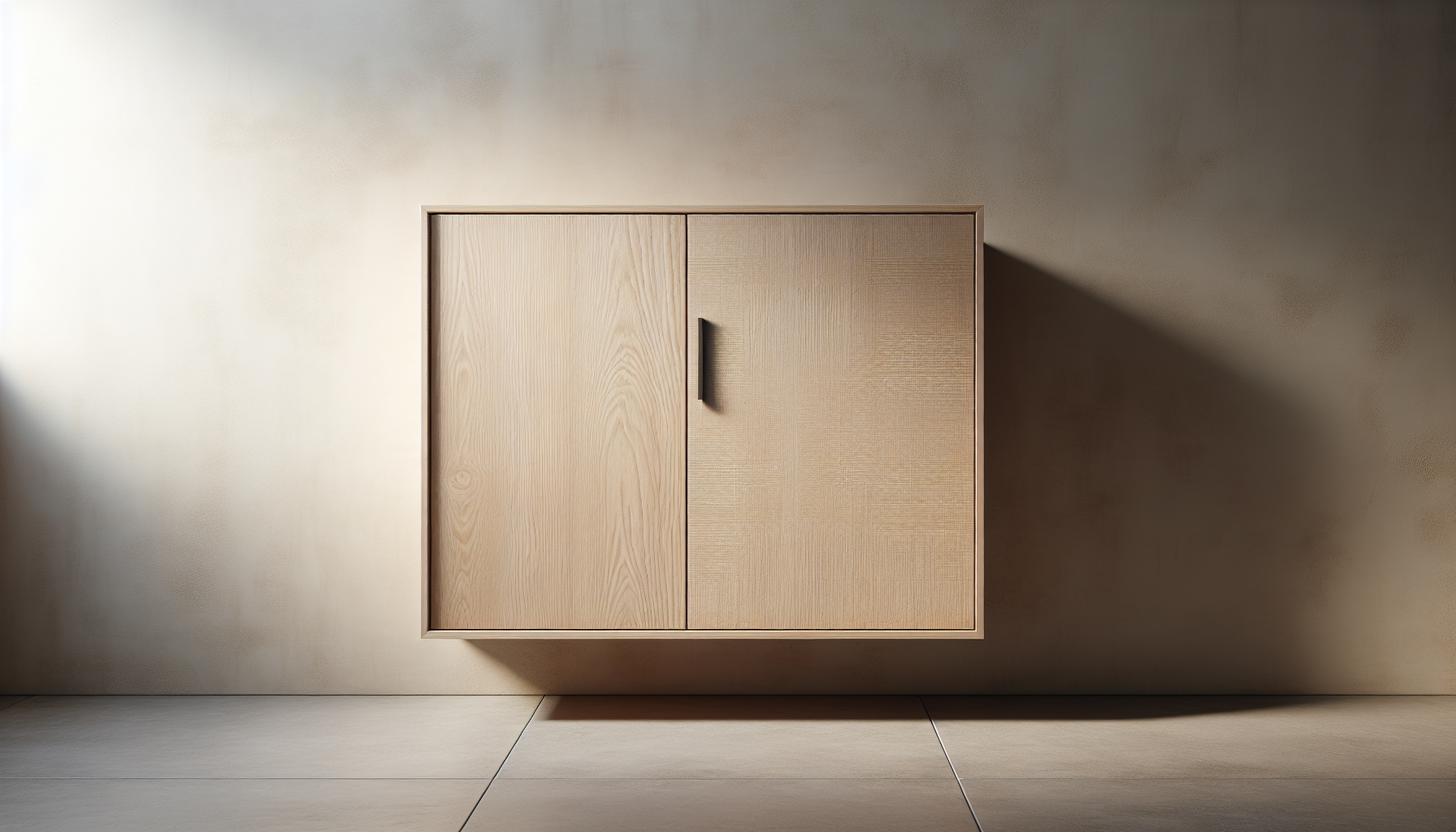
Are built-in modular pieces really a good match for Japandi design, or will they clash with the aesthetic you want to create?
Can Japandi include built-in modular furniture?
Introduction
You may be wondering whether Japandi—a style that blends Japanese minimalism with Scandinavian warmth—can include built-in modular furniture without losing its signature calm and balance. The short answer is yes: built-in modular pieces can be fully compatible with Japandi when you prioritize simplicity, natural materials, and careful proportion.
In this article you’ll find practical guidance, design strategies, material recommendations, and step-by-step considerations so you can plan built-in modular furniture that feels authentically Japandi. Every section contains clear takeaways to help you apply the ideas in your home.
What is Japandi?
Japandi is a design fusion that marries the restrained elegance of Japanese interiors with the cozy, functional sensibility of Scandinavian design. You should think of Japandi as a philosophy that values craftsmanship, functionality, and a calm palette rather than a strict checklist of elements.
You’ll often see low-profile furniture, uncluttered spaces, natural materials, and a muted color scheme in Japandi rooms. The goal is to create environments that feel thoughtful, human-scaled, and quietly warm.
Origins of Japandi
You’ll find that Japandi emerged as people recognized the shared values between Japanese and Scandinavian aesthetics: an appreciation for simplicity, natural materials, and purposeful objects. Both traditions emphasize restraint and a connection to craftsmanship.
When you incorporate elements from both cultures, you create spaces that feel balanced—where the spare Zen of Japan meets the hygge comfort of Scandinavia.
Core Principles
You should keep several core principles in mind: minimalism (less visual clutter), functionality (every piece earns its place), quality materials, and an emphasis on texture and tactility. These principles will guide all decisions about built-in modular furniture.
Also keep the idea of wabi-sabi in mind—the acceptance of imperfection—as it helps you favor authentic materials and hand-finished surfaces over overly polished, mass-produced looks.
What is Built-in Modular Furniture?
Built-in modular furniture combines the permanence of built-in elements with the flexibility of modular systems. You’ll see fixed frameworks integrated into walls or architectural niches along with configurable shelves, drawers, and door modules that can be rearranged or customized.
This hybrid approach allows you to achieve a tailored fit for your space while preserving adaptability. In practice, you might have a built-in framework for a media wall that accepts modular cabinet fronts, shelves, and storage boxes.
Types of Built-in Modular Furniture
You’ll encounter several common types:
- Built-in modular shelving and bookcases for living rooms and studies.
- Modular wardrobes and closet systems for bedrooms.
- Kitchen cabinetry with modular drawer and door units.
- Built-in seating with modular cushions or storage cubbies.
- Media walls combining fixed cavities and interchangeable panels.
Each type can be designed to read as built-in while offering modularity for function and future changes.
Materials & Construction
You should aim for materials and construction techniques that align with Japandi values: solid woods (oak, ash, walnut), high-quality plywood with wood veneer, matte metal accents, and joinery that celebrates craftsmanship. Use low-VOC adhesives and finishes to maintain indoor air quality.
Construction methods can include plywood carcasses, timber face frames, tongue-and-groove paneling, and concealed hardware to preserve clean lines. Modular components should use robust connectors and adjustable fittings for precise alignment.
Can Japandi include built-in modular furniture?
Yes—you can include built-in modular furniture in Japandi interiors and still maintain the aesthetic’s integrity. The trick is to design the built-in modular pieces with Japandi principles in mind: simplicity, natural materials, muted palette, and thoughtful proportion.
When you treat built-in modular furniture as part of the architecture rather than as decorative clutter, it becomes a seamless extension of the space. That integration is what makes modularity compatible with Japandi: the pieces are useful and restrained rather than decorative statements.
Key compatibility points
You should focus on several compatibility points:
- Minimal visual clutter: Use smooth faces and concealed storage to keep surfaces calm.
- Natural materials: Favor wood veneers and textured surfaces that provide warmth without busy patterns.
- Neutral color palette: Keep tones muted and cohesive with the rest of the room.
- Craftsmanship: Prioritize joinery and finishes that feel handmade rather than mass-produced.
- Flexibility: Modular elements should improve function while staying visually restrained.
These points will guide your choices of modules, finishes, and hardware so the built-in furniture feels like a Japandi natural.
Potential conflicts & how to avoid them
You might worry that modular systems look too utilitarian or modular “boxes” will break the serene Japandi look. You can avoid these conflicts by:
- Choosing continuous grain wood veneers across fronts to read as a single surface.
- Hiding seams with recessed profiles or tall, uninterrupted panels.
- Using minimal handles or push-to-open hardware to reduce visual noise.
- Limiting the number of finishes and materials to maintain harmony.
If you design with restraint, the modularity becomes a functional advantage rather than a visual distraction.
Design Strategies to Make Built-in Modular Fit Japandi
You should adopt design strategies that emphasize unity, proportion, and texture. Built-in modular furniture must feel integrated, not pasted onto the room.
- Keep proportions human-scale. Low profiles and gentle horizontality tend to read as more Japanese; lightness and simple legs reference Scandinavian design. Use a mix where appropriate.
- Use negative space. Don’t overload walls with modules; allow breathing room and show the architectural lines.
- Favor concealed storage. Use drawers and cabinets for small items so surfaces remain uncluttered.
- Limit materials. Stick to two or three complementary materials and finishes for consistency.
- Integrate lighting subtly. Concealed LED strips behind shelves or inside cabinets support function without drawing attention.
These strategies help you maintain balance and keep the focus on calm, usable beauty.
Practical layout tips
You should plan layouts that prioritize flow and sightlines. Place built-in elements where they reinforce the room’s natural focal point (a window, hearth, or entry). For open-plan spaces, use built-in modules as subtle room dividers but maintain visual continuity across spaces.
Aim for symmetry or intentional asymmetry depending on your preference: a symmetrical built-in can read as calm and ordered; a carefully composed asymmetry can feel dynamic yet restrained.
Materials, Colors, and Finishes
Material choices are one of the most important ways to make built-in modular furniture feel Japandi. You should prioritize natural, warm, and matte finishes.
Recommended choices:
- Wood: Oak, ash, walnut, and bamboo for veneers and solid sections.
- Plywood: High-quality birch or poplar plywood with visible edges or veneered face for minimalist looks.
- Finishes: Matte lacquer, oil finishes, or natural waxes rather than high-gloss.
- Metals: Blackened steel, brass accents, or muted aluminum for subtle hardware.
- Paint colors: Muted greys, warm off-whites, taupes, soft greens, and clay tones.
Avoid glossy laminates, high-contrast grain mixes, or bright colors that will disrupt the calm visual field.
Matching grains and seams
You should match wood grain direction and color across modular fronts when possible. Continuous grain across doors and drawer fronts will read as a single surface and help the modular system feel built-in.
Where seams are unavoidable, use thin reveals, recessed grooves, or shadow gaps to make them intentional rather than accidental.
Layout and Spatial Planning
Spatial planning will determine how well your built-in modular furniture integrates with the room. You should measure carefully and think of the piece as architecture.
- Consider ceiling height and wall proportions to choose vertical or horizontal emphasis.
- Keep walkways clear; built-ins should support circulation.
- Use a modular grid that relates to the room’s dimensions—divide wall width into modules that scale with furniture and architectural elements.
Planning in this way helps you keep the composition balanced and prevents the built-ins from overpowering the space.
Room-by-room suggestions
Living room: You should use a low-profile media unit with concealed storage and a few open shelves for curated objects. Keep shelving sparse to maintain calm.
Bedroom: Choose built-in wardrobes with sliding or push-to-open doors and integrated bedside storage. A built-in headboard with concealed pockets or small shelves can enhance functionality.
Kitchen: Modular built-ins suit Japandi kitchens when fronts are wood veneer or matte painted and handles are minimal. Integrate appliances behind uniform panels where possible.
Entry: Use built-in benches with storage and hooks recessed into niches. Keep finishes durable but still natural.
Home office: Built-in desks and shelving should balance work needs and visual calm—hide cables and use warm wood panels to soften the space.
Bathroom: Use floating built-in vanities with wood or textured fronts and recessed niches for toiletries. Maintain moisture-resistant finishes.
Case Studies / Examples
Practical examples help you see how theory translates into real spaces. You should look for projects that balance built-in function with restrained aesthetics.
Example 1 — Small apartment: A 45 m² apartment uses a continuous oak veneer media wall with modular drawer units and a hidden murphy bed. The result is an airy living area with plenty of storage and surfaces left intentionally empty.
Example 2 — Family home: In an open-plan living/kitchen, a built-in wall houses the TV, books, and a beverage station in a single, warm-toned framework. The modular elements allow future reconfiguration without changing the primary wood finish.
Example 3 — Studio workspace: A compact home office uses built-in shelving and a pull-out desk module. Neutral finishes and minimal hardware keep the space calm and professional.
These real-world strategies show how the same principles adapt to different scales and needs.
Customization and Modular Systems
You should weigh the benefits of custom built-ins against off-the-shelf modular systems. Custom work guarantees the perfect fit and finish but costs more; modular systems give you flexibility and often lower cost.
When selecting a system, look for:
- Adjustable shelf pins and slotted rails.
- Interchangeable fronts and drawer units.
- Concealed hardware and soft-close mechanisms.
- Systems that allow future changes in layout and front materials.
If you want the Japandi look but with cost control, choose a reputable modular system and request custom front panels in wood veneer or matte colours.
Off-the-shelf vs custom: quick comparison
| Factor | Off-the-shelf modular | Custom built-in |
|---|---|---|
| Cost | Lower initial cost | Higher initial cost |
| Flexibility | High reconfiguration potential | Tailored fit and finishes |
| Finish quality | Varies; often less refined | High; can match Japandi materials |
| Installation | Usually simpler | Requires skilled trades |
| Longevity | Good, but depends on product | Excellent with proper construction |
Use this table to decide which approach meets your budget and aesthetic goals.
Installation and Practical Considerations
You should plan installation carefully to avoid common pitfalls. Consider structural attachment, wall stud location, and load-bearing requirements for shelves and cabinets.
Key points:
- Anchor heavy units to studs or use a plywood backing attached to studs for even load distribution.
- Plan for electrical outlets, cable runs, and integrated lighting before installation.
- Account for door swings and sliding mechanisms in tight spaces.
- Allow for ventilation in enclosed cabinets—electronics, shoes, and some appliances need airflow.
Hiring a carpenter or cabinetmaker ensures proper fit, especially for irregular walls or sloping ceilings.
Installation checklist
| Step | Why it matters |
|---|---|
| Measure twice, plan grid | Prevents costly mistakes |
| Locate studs & services | Ensures safe anchoring & access |
| Decide access panels | Allows future maintenance |
| Pre-finish panels if possible | Easier to apply consistent finish |
| Coordinate electricians/plumbers | Avoids reworking built-ins |
| Use level & shims | Guarantees clean lines & gaps |
| Test modular fittings | Ensures modules align and operate |
Following a checklist like this helps you avoid delays and hidden expenses.
Cost and Budgeting
You should set your budget early because built-in modular projects vary widely in cost.
Rough price ranges (these will vary by region and materials):
- Simple modular shelving and small built-ins: low to mid-range.
- Full wall systems with veneer finishes: mid to high-range.
- Custom cabinetry with premium wood and integrated systems: high.
Cost-saving tips:
- Use high-quality plywood with a real wood veneer instead of solid hardwood for large faces.
- Limit full-height veneers to focal walls and use painted panels elsewhere.
- Choose modular carcasses with custom fronts to get both cost savings and the Japandi look.
- Phase the project over time—install the most necessary elements first.
Remember that good construction and finishes increase longevity and often deliver better long-term value.
Sustainability and Material Sourcing
You should prioritize sustainable materials and responsible sourcing to align with the ethical aspect of both Japanese and Scandinavian design traditions.
Guidelines:
- Choose FSC-certified or reclaimed wood.
- Use low-VOC paints and finishes.
- Opt for durable materials to reduce the need for replacement.
- Consider local craftsmen to reduce transportation impact and support local economies.
Sustainable choices will make your built-ins feel more authentic and healthier for your home.
Maintenance and Longevity
Built-in modular furniture can last for decades with proper care. You should schedule routine maintenance to preserve finishes and functionality.
Tips:
- Dust regularly with a soft cloth to keep surfaces calm and clean.
- Re-oil or re-wax natural wood finishes as needed per manufacturer recommendations.
- Check hardware and adjust hinges and drawer slides annually.
- Address small scratches with appropriate touch-up kits rather than replacing fronts.
Doing simple upkeep keeps your Japandi built-ins feeling timeless and well-cared-for.
Pros and Cons
You should weigh advantages and trade-offs before committing to built-in modular solutions.
| Pros | Cons |
|---|---|
| Customized fit improves function and flow | Higher upfront cost for custom work |
| Clean, integrated look supports Japandi aesthetics | Less portability than freestanding furniture |
| Can hide clutter and create calm surfaces | Requires careful planning and installation |
| Modular elements allow some flexibility | Poor-quality modular systems can appear cheap |
| Increases perceived value of the home | Modifications later can be more involved |
This balanced view helps you make an informed decision based on your priorities.
Where to Buy or Commission
You should consider a mix of sources depending on your budget and desired finish:
- Local cabinetmakers and joiners for custom work.
- High-end furniture makers offering bespoke veneer panels.
- Modular systems from reputable manufacturers with customizable fronts.
- Specialty carpenters experienced in Japandi and minimalist finishes.
Ask for references, visit completed installations, and request samples to ensure finishes match your vision.
DIY Tips
If you plan to DIY, you should start small and prioritize skills that give the most visual impact.
DIY suggestions:
- Build a low-profile media console with plywood carcass and wood veneer faces.
- Use pre-made modular carcasses and fit custom veneer or painted fronts.
- Pre-finish panels before installation to avoid touch-up issues.
- Practice shop-made dovetails, edge banding, and finishing on scrap pieces before finalizing fronts.
Keep your ambitions realistic: complex built-ins with integrated electrics are often better done by professionals.
Common Mistakes to Avoid
You should avoid pitfalls that undermine the Japandi look:
- Over-designing with too many materials and finishes—stick to a restrained palette.
- Ignoring scale—oversized units can overwhelm the calm of your room.
- Using shiny or high-gloss surfaces that clash with the matte, tactile feel of Japandi.
- Forgetting to plan for cables, ventilation, and future maintenance access.
- Cluttering open shelves—Japandi values curated negativity and few well-chosen objects.
Addressing these mistakes upfront will save time and keep your design cohesive.
Frequently Asked Questions
You should find answers to common concerns here, written directly to help with practical decisions.
Q: Will built-in modular furniture make my space feel smaller? A: Not if you plan for scale and negative space. Low profiles, horizontal lines, and light finishes will keep the space feeling open.
Q: Can you mix painted panels with wood veneer in one built-in system? A: Yes. Use painted panels as background or secondary faces and reserve continuous wood veneer for focal fronts to maintain unity.
Q: How do you hide TV cables in a Japandi media built-in? A: Conceal cables behind the paneling and use built-in recessed channels or a fixed media cavity with ventilation. Keep devices behind doors or in drawers where possible.
Q: Are sliding doors better than hinged doors for Japandi? A: Sliding doors save space and can read as minimalist when hardware is hidden, but high-quality hinges with soft-close can work equally well if proportions are right.
Q: What hardware works best? A: Concealed hinges, recessed finger pulls, or simple black or brass bar pulls with minimalist profiles suit Japandi.
Q: Can you incorporate lighting into built-ins? A: Absolutely. Use warm LED strips behind shelves and inside cabinets with dimming to maintain ambiance.
Q: Is plywood acceptable in Japandi aesthetics? A: Yes—good-quality plywood with exposed edges or veneer faces is often used for its honest, structured look.
Q: How do you maintain the natural wood finish? A: Clean with a soft, damp cloth and apply oil or wax periodically if the finish is natural. Follow the manufacturer’s guidelines for lacquered surfaces.
Conclusion
You should feel confident that built-in modular furniture can absolutely be part of a Japandi interior when you design it with restraint, good materials, and careful proportion. The combination can enhance function without sacrificing the calm, crafted feel that defines the style.
Start by clarifying the function you need, choose a limited material palette, and plan for clean lines and uncluttered surfaces. Whether you go custom or use modular systems with bespoke fronts, built-ins can become quiet architectural anchors in your Japandi home.