
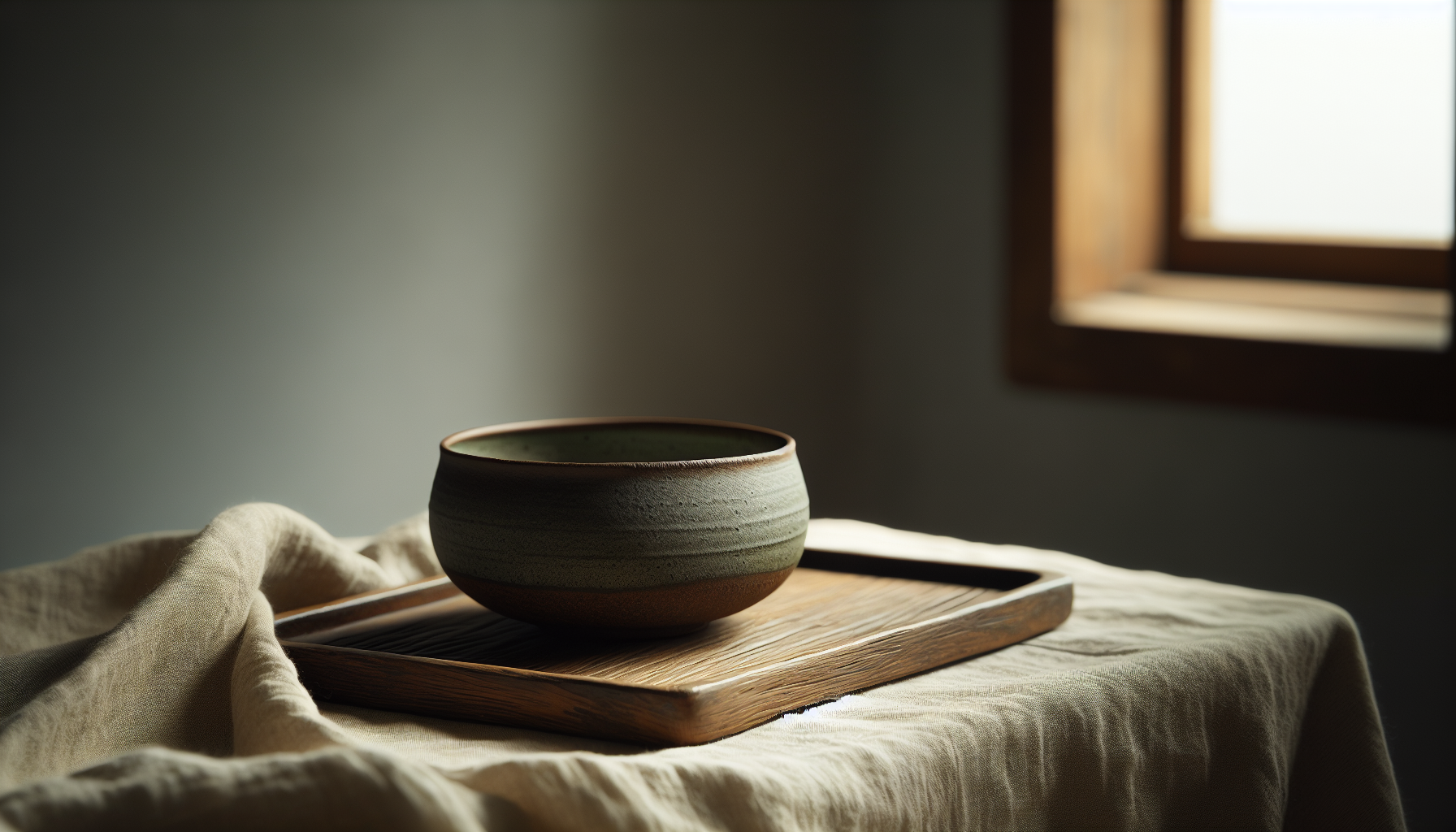
?Have you ever wondered whether the Japandi style can shape the way you think, feel, and move through your day?
Can Japandi design influence how we think and feel?
You’ll find that design isn’t just about looks; it’s about how space supports thought and feeling. Japandi combines Japanese restraint and Scandinavian warmth, and that combination can meaningfully shift your emotions, attention, and behavior in everyday life.
What is Japandi?
Japandi is a hybrid interior design style that blends Japanese and Scandinavian aesthetics. It emphasizes minimalism, natural materials, craftsmanship, and functional beauty, creating spaces that feel calm, grounded, and intentional.
Origins and cultural influences
Japandi evolved from two design traditions with shared values: Japanese wabi-sabi (accepting imperfection and transience) and Scandinavian hygge (comfort and conviviality). These philosophies converge around simplicity, natural textures, and human-centered living.
Core values behind the style
Japandi prioritizes function, quality, and restraint over decoration for decoration’s sake. You’ll notice an emphasis on slow design, sustainability, and objects that age gracefully—approaches that encourage mindful consumption and deeper appreciation.
How design affects cognition and emotions
Design shapes your attention, mood, and behavior through sensory cues, spatial organization, and ritual affordances. The layout, materials, lighting, and even smells in a room provide constant input that your brain uses to form emotional responses and habits.
Attention and cognitive load
Cluttered environments increase cognitive load and make it harder to focus, remember, and reason. Japandi’s uncluttered surfaces and intentional storage solutions reduce competing stimuli, helping you concentrate and feel mentally lighter.
Emotional regulation and mood
Materials, textures, and color palettes influence your emotional state. Natural woods, muted tones, and soft textiles tend to soothe the nervous system, whereas harsh contrasts and glossy clutter can trigger alertness or stress. Japandi tends to bias spaces toward calm and comfort.
Behavioral nudges and habits
Design can nudge you toward certain behaviors—like sitting down to read, cooking with care, or slowing your routines. Thoughtful placement of furniture and functional zones in Japandi interiors makes it easier to adopt calm rituals and remove friction from beneficial habits.
Visual and material language of Japandi
To understand how Japandi shapes feeling, you should know the elements it uses. These elements are chosen not only for beauty, but also for the psychological effects they invite.
Color palette
Japandi favors muted, natural colors: warm beiges, soft grays, washed greens, and deep charcoal or indigo accents. These hues reduce visual noise and promote relaxation by avoiding high-contrast stimulation.
Materials and textures
You’ll see raw or lightly finished woods (oak, ash, walnut), stone, linen, cotton, and matte ceramics. These materials feel tactile, age well, and encourage touch and presence—sensory inputs that can ground you in the moment.
Furniture and proportions
Furniture in Japandi tends to be low-profile, functional, and well-made. Clean lines and gentle curves create a sense of balance and calm, while purposeful negative space allows items to “breathe,” reducing visual chaos.
Lighting
Soft, layered lighting—ambient, task, and accent—replaces harsh overhead glare. Natural light is maximized where possible, and fixtures often emit warm color temperatures that support relaxation in the evening and clarity during the day.
Psychological mechanisms at work in Japandi
Understanding how Japandi works on your mind requires connecting design features to cognitive and emotional processes.
Attention Restoration Theory
Natural materials, greenery, and unobtrusive patterns help restore directed attention by offering gentle, non-demanding stimuli. You’ll find your ability to focus rebounds after time spent in such environments.
Biophilia and nature connection
Biophilic elements—wood, plants, natural light—tap into innate preferences for nature. These features reduce stress markers, lower blood pressure, and foster a sense of well-being.
Minimalism and decision fatigue
Fewer options and clearer organization reduce decision fatigue. With less visual clutter, your brain spends less energy filtering stimuli, so you’ll likely feel more decisive and less mentally exhausted.
Embodied cognition and material cues
When you touch warm wood or sit on a supportive, well-made chair, your body registers comfort and security. Those physical sensations inform cognitive states, making you feel more grounded and present.
Evidence and research: what studies suggest
While not every claim about design has experimental proof, a growing body of research connects environmental design with cognitive and emotional outcomes.
Studies on clutter and cognition
Research shows that cluttered spaces correlate with increased stress and impaired task performance. By contrast, organized spaces improve sleep quality, concentration, and mood.
Studies on natural materials and well-being
Numerous studies link exposure to natural materials and greenery with reduced stress, improved attention, and faster recovery from mental fatigue. Japandi leverages these features deliberately.
Lighting and circadian rhythms
Research on light demonstrates that warmer, dimmer evening lighting supports melatonin production and sleep onset, while cooler, brighter light during the day supports alertness. Japandi’s layered lighting aligns with these findings.
Practical benefits of adopting Japandi in your life
When you bring Japandi principles into your home, you can expect several practical benefits that affect daily functioning and emotional health.
Reduced stress and anxiety
Simplified visual environments and natural materials help down-regulate the nervous system. You’ll likely feel calmer after spending time in a Japandi-style room.
Improved focus and productivity
Clear surfaces, designated functional zones, and reduced distractions allow you to work and think more efficiently. Your tasks can feel less fragmented and more achievable.
Better sleep and restoration
Neutral tones, gentle textures, and appropriate lighting support pre-sleep routines. A calm bedroom in Japandi style can facilitate better sleep hygiene and restorative rest.
Stronger social connection
Warm materials and intentional seating encourage present, comfortable social interactions. You’ll find it easier to connect when spaces feel inviting without being overstimulating.
Room-by-room guide: how Japandi influences each space
Applying Japandi per room helps you shape specific emotional and behavioral responses suited to each activity.
Living room: calm sociability
In the living room, low-profile furniture and a restrained color palette support relaxed conversation and restorative downtime. Arrange seating to promote eye contact and leave clear pathways to avoid visual busyness.
Bedroom: restorative sanctuary
A Japandi bedroom prioritizes sleep and calm. Use natural linens, warm woods, and layered soft lighting. Keep surfaces minimal and storage hidden to signal it’s a place for rest rather than mental work.
Kitchen: mindful preparation
Kitchens in this style emphasize functional beauty—organized storage, durable materials, and uncluttered counters. That clarity supports mindful cooking and reduces mealtime stress.
Home office: focused clarity
Choose a simple desk, ergonomic chair, and efficient storage for your workspace. You’ll reduce cognitive friction and create a place where focused work feels easier to begin and finish.
Entryway: intentional first impression
The entry sets a psychological tone. Keep shoes and outerwear organized, provide a small surface for keys, and use natural materials to establish calm from the moment you step inside.
Bathroom: ritual and refreshment
In the bathroom, muted tiles, wooden accents, and soft textiles turn daily hygiene into a grounding ritual. Thoughtful storage and simple design reduce morning chaos and support evening relaxation.
How to introduce Japandi elements gradually
You don’t have to redesign everything at once. Incremental changes can shift how you feel and behave while staying within budget.
Declutter and simplify
Start by removing visual clutter and organizing surfaces. You’ll immediately notice reduced mental noise and clearer pathways through your home.
Add natural materials
Introduce a few wooden pieces, linen throws, or ceramic objects to anchor the space. Even small tactile shifts can change how grounded you feel.
Improve lighting
Swap harsh bulbs for warm-toned LEDs and add a few layered light sources like floor lamps or table lamps. Adjusting light is a high-impact, low-cost change.
Replace or re-cover textiles
Swap bright or busy textiles for neutral linens and cottons. You’ll soften the visual scene and increase tactile comfort.
Bring in plants thoughtfully
Add one or two well-chosen plants—place them where they get appropriate light. Plants offer psychological lift without creating clutter when chosen deliberately.
Materials, finishes, and maintenance
Choosing materials that age gracefully and require reasonable maintenance supports Japandi’s long-term psychological benefits.
Wood choices and finishes
Opt for matte or satin-finished wood that shows natural grain. Avoid high-gloss laminates; they create visual glare and feel less tactilely inviting.
Textiles and hygiene
Choose breathable, washable textiles like linen and cotton. They feel comfortable and are easy to maintain, encouraging you to use and enjoy the space without guilt.
Durable ceramics and stone
Ceramics and matte stone surfaces add tactile interest and longevity. Imperfections are welcomed as part of the aesthetic, which reduces anxiety about wear and tear.
Color guidance and palettes
Color influences mood in predictable ways. Japandi tends to use a controlled palette that invites calm and clarity.
Base neutrals
Use warm beiges, soft grays, and off-white tones as your base. These colors establish an unobtrusive backdrop that allows objects to stand out without noise.
Accent tones
Introduce muted greens, deep indigos, or charcoal for contrast. Keep accents limited and intentional so they amplify focus rather than compete.
Seasonal and personal adjustments
You can adjust textiles seasonally to bring warmth in winter and coolness in summer. Personal objects with sentimental value can remain as careful focal points.
Lighting strategy for mood and function
Lighting is a powerful tool to shape your day. Japandi’s approach to light supports both productivity and relaxation.
Maximize natural light
Where possible, allow daylight to enter rooms unimpeded. Natural light lifts mood and synchronizes your circadian rhythm.
Layer artificial lighting
Combine ambient, task, and accent lighting to suit different activities. You’ll move more smoothly between work, rest, and socializing when lighting matches the function.
Color temperature and timing
Use cooler (4000–5000K) tones for daytime tasks and warmer (2700–3000K) tones in evening spaces. Dimmer switches or smart lighting systems are helpful to tune the atmosphere.
Plants and biophilia: what to choose and why
Plants provide oxygen, texture, and a connection to life that influences mood and attention.
Low-maintenance plant options
Choose easy-care plants like snake plants, pothos, ZZ plants, and peace lilies. These give you biophilic benefits with minimal upkeep, helping you feel more at ease.
Placement and scale
Place plants where they complement furniture proportions—tall plants in corners, smaller plants on shelving. Avoid crowding surfaces to keep visual calm.
Pot choices and cohesion
Use simple, matte pots in neutral tones. Consistent pot materials create coherence without dominance.
Rituals and behavioral design
Japandi supports rituals—small, repeated actions that anchor your day and improve well-being.
Morning and evening routines
Use the bedroom and bathroom as cues for sleep and wake rituals: lighting adjustments, simple stretches, or a moment of quiet. These small practices leverage your environment to improve mood.
Mindful eating and cooking
A tidy, well-organized kitchen encourages mindful meal preparation. Setting a table with care can transform eating into a restorative act rather than rushed consumption.
Social rituals
Curate a cozy seating arrangement and offer simple rituals like serving tea or taking shoes off at the door. These cues help slow interactions and deepen connection.
Sustainability and ethical choices
Japandi naturally aligns with sustainable practices by emphasizing durable materials, craftsmanship, and reduced consumption.
Choose quality over quantity
Invest in well-made pieces that will last rather than cheap, disposable items. You’ll reduce waste and feel better about the longevity of your space.
Source responsibly
Look for FSC-certified wood, recycled materials, and local craftspeople. These choices support environmental health and ethical labor practices.
Upcycling and secondhand
Don’t hesitate to repurpose or refinish vintage pieces. A well-chosen used item can enhance the aesthetic while cutting environmental impact.
Common mistakes to avoid
Even with good intentions, some missteps can undermine Japandi’s psychological benefits.
Over-minimalizing to the point of sterility
If you strip a space of warmth or personal meaning, it can feel cold and uninviting. Keep a few meaningful objects that anchor memory and identity.
Mixing too many patterns or colors
Busy patterns or clashing tones increase cognitive load. Keep patterns subtle and colors restrained to preserve calm.
Using low-quality imitations
Cheap materials that mimic natural textures often feel inauthentic and can create visual dissonance. Invest where it counts—surfaces you touch often and focal furniture.
Budget-friendly Japandi: where to spend and where to save
You can obtain significant psychological benefits without overspending by prioritizing certain items.
Spend on:
- A comfortable, well-built sofa or bed that supports rest.
- Quality lighting with dimming capability.
- Durable wooden pieces that age gracefully.
Save on:
- Decorative objects—choose a few meaningful pieces rather than a host of small accessories.
- Replaceable textiles (cushion covers, throws) can be swapped affordably.
Quick checklist to assess your space
A practical list helps you evaluate how Japandi-like and psychologically supportive your environment is.
| Area | What to check | Desired Japandi trait |
|---|---|---|
| Surfaces | Countertops and tables | Clear and purposeful, minimal clutter |
| Lighting | Natural and layered artificial | Warm, dimmable, functional zones |
| Materials | Floors, furniture, textiles | Natural, tactile, durable |
| Color | Walls and large furnishings | Neutral base with 1–2 muted accents |
| Storage | Visible and hidden storage | Efficient, concealing unnecessary items |
| Plants | Quantity and placement | Thoughtful placement, not overcrowded |
| Personal items | Photographs and mementos | Small number of meaningful objects |
How to measure changes in mood and cognition
You can track the impact of Japandi changes by using simple, practical measures.
Subjective journaling
Note your mood, focus, and sleep quality daily or weekly. Over a month, you’ll see patterns that suggest benefits.
Task performance and routines
Monitor how long it takes to start tasks or how often you avoid distractions. Write down changes in productivity or calmness.
Environmental metrics
Track light levels, noise, and clutter visually. Small improvements here often translate into mental gains.
Frequently asked questions
This section addresses common curiosities and practical concerns about Japandi’s psychological impact.
Will Japandi work in small spaces?
Yes. Small spaces often benefit especially from Japandi because the emphasis on clarity and multifunctional furniture reduces clutter and increases a sense of spaciousness.
Is Japandi expensive to implement?
It doesn’t have to be. Thoughtful edits—decluttering, swapping textiles, improving lighting—can yield large benefits without major expense. Invest in a few pieces you’ll use daily.
Is Japandi just minimalism?
Japandi shares minimalism’s restraint but balances it with warmth and human-scale comfort. It’s minimal without being clinical.
Final thoughts and an action plan
You don’t need to overhaul everything to test how Japandi affects you. Small, deliberate changes can produce meaningful shifts in thought and feeling.
A simple 30-day action plan
- Week 1: Declutter one primary space (living room or bedroom) and clear surfaces.
- Week 2: Adjust lighting—add warm bulbs and a table lamp or dimmer.
- Week 3: Introduce one natural material (wooden tray, linen throw) and a plant.
- Week 4: Create a short ritual (morning stretch, evening reading) that uses the new space.
By the end of the month, assess mood, focus, and sleep to see changes. You’ll likely notice increased calm, clearer attention, and a greater desire to spend time in thoughtfully arranged spaces.
Conclusion
Japandi is more than a visual trend; it’s an intentional approach to living that aligns environmental cues with psychological needs. By using natural materials, restrained color palettes, purposeful furniture, and supportive lighting, you’ll create spaces that help you think more clearly, feel more at ease, and live with more intention. If you introduce these elements slowly and thoughtfully, you should notice subtle but powerful changes in how your home shapes your mind and behavior.