
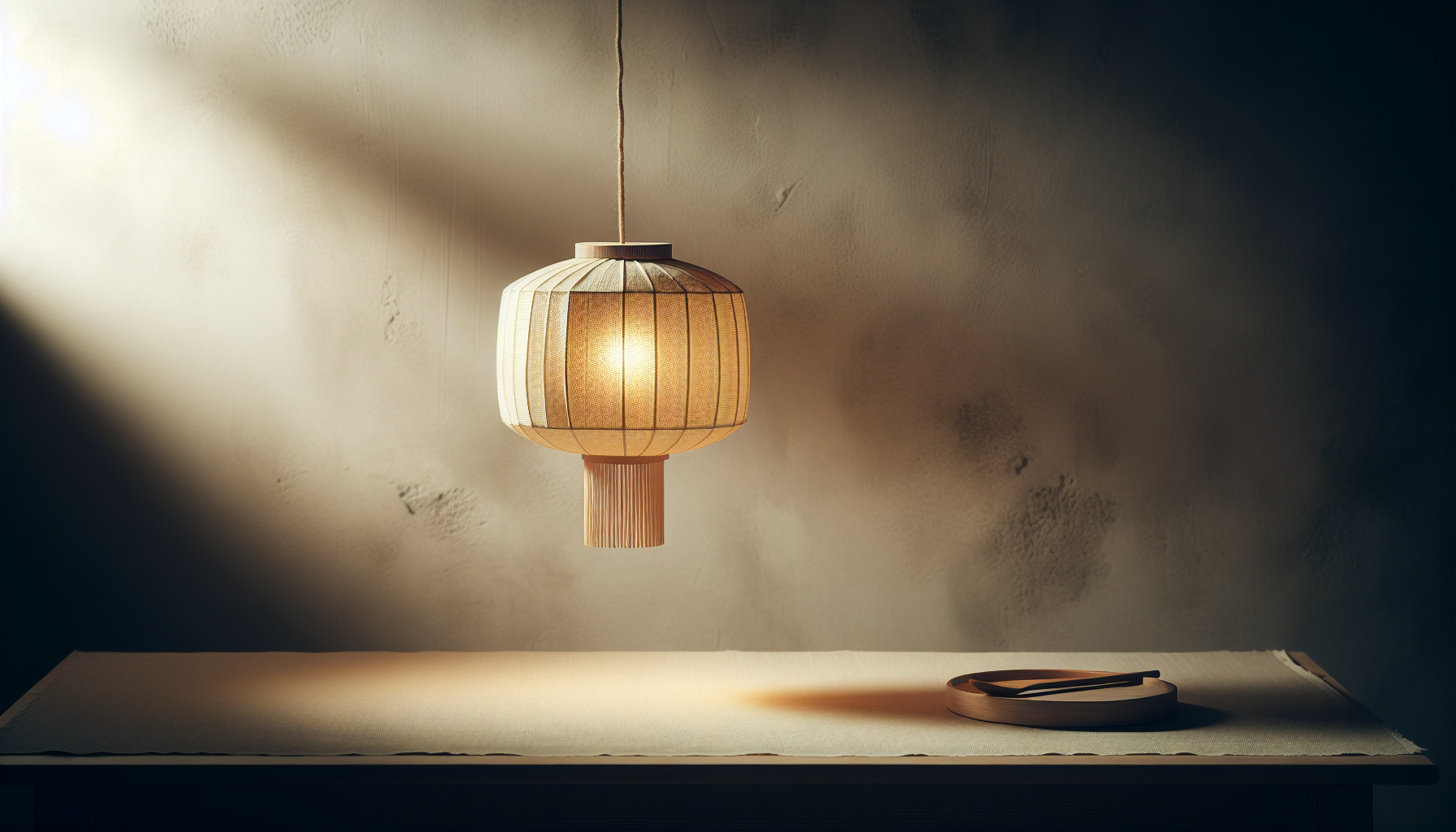
What simple lighting decisions can make your Japandi space truly feel calm and intentional?
Introduction to calm lighting in Japandi spaces
You’re aiming for a space that feels quiet, balanced, and gently ordered. Calm lighting in Japandi design supports those goals by emphasizing softness, natural materials, and restrained contrast rather than bright, clinical illumination.
Japandi combines Scandinavian functionality and minimalism with Japanese warmth and wabi-sabi sensibility. Light in this hybrid style should feel both practical and poetic, guiding the eye and mood without demanding attention.
What is Japandi and why people describe it as “calm”
Japandi marries the clean lines and light palettes of Scandinavian design with Japanese restraint, craftsmanship, and muted color. You’ll often find uncluttered layouts, natural materials, and muted tones, all of which reduce visual noise and contribute to a calm atmosphere.
People call Japandi “calm” because the aesthetic limits visual clutter, prioritizes purpose-built objects, and uses textures and tones that soothe rather than stimulate. Lighting amplifies those features by creating a gentle, layered environment that highlights form and texture instead of flashy fixtures.
Origins and core influences
You’ll see Scandinavian emphasis on function and lightness alongside Japanese prioritization of natural materials and minimalism. This combination produces spaces that are tranquil, efficient, and focused on craft.
Understanding those roots helps you make lighting choices that reinforce calmness—light that feels honest and handcrafted, and that supports everyday activities without visual fuss.
Key visual and sensory characteristics
Japandi tends to use a neutral color palette, soft contours, and tactile finishes. Lighting should echo those elements by being understated, warm, and texture-enhancing rather than overly bright or decorative.
Your lighting choices should foster slow living: comfortable brightness for tasks, dimmable mood light for relaxation, and accent light to celebrate craft and material.
The role of lighting in Japandi philosophy
Lighting is more than practical illumination; it’s an essential material in Japandi design. You’ll use light to reveal texture, create quiet zones, and foster rhythm across the day.
Good lighting in this context is layered, adjustable, and integrated with architecture and furnishings. It often emphasizes indirect or diffused sources to maintain a soft, visual calm.
Light as a material
Treat light like a material that interacts with wood grains, paper, and linen. You’ll want lighting that enhances warmth and texture rather than flattening surfaces with harsh light.
When you choose fixtures and bulbs, think about how light wraps objects and casts soft shadows, producing depth and a sense of stillness.
Core lighting strategies for calm Japandi spaces
These strategies will guide most of your decisions: layering light, prioritizing warmth, controlling brightness, and using simple, natural materials.
Each strategy helps you create spaces that are comfortable, flexible, and visually serene. Follow them in combination rather than isolation to achieve the best results.
Layer your light: ambient, task, accent
Layering provides balanced illumination without glare. You’ll blend ambient light for overall brightness, task light for activities like reading or cooking, and accent light to highlight texture or focal points.
Aim for gentle transitions between layers so that no single source dominates the room—this preserves calm.
Choose warm, tunable color temperatures
Warm light supports relaxation and enhances natural materials. Generally aim for 2200–3000K for living and sleeping areas, 2700–3500K in kitchens and work areas where clarity is helpful, and consider tunable white systems to adjust throughout the day.
The table below gives general guidance for commonly used temperatures and moods:
| Color Temperature (K) | Typical Mood & Use | How it fits Japandi |
|---|---|---|
| 1800–2200K | Candlelike, very cozy | Useful for candles or dim-to-warm LEDs for sofas and dining |
| 2200–2700K | Warm, relaxing | Ideal for living rooms and bedrooms |
| 2700–3000K | Warm and practical | Good for multipurpose areas and dining |
| 3000–3500K | Neutral-warm, clear | Kitchens, bathrooms, task-critical zones |
| 3500–4000K | Neutral to cool | Limited use; can feel more modern than Japandi typically favors |
Prefer diffused and indirect light
You’ll want fixtures and layouts that soften light—paper or textile shades, frosted glass, and cove lighting reduce glare. Indirect uplighting and wall-wash techniques produce gentle gradients rather than hard hotspots.
Diffused light helps textures and colors read softly and prevents the starkness that would break the Japandi mood.
Use dimmers and simple controls
Dimming is essential: you’ll adapt scenes for morning routines, daytime tasks, and evening relaxation. Simple rotary dimmers, touch-dim controls, or single-button scenes keep the system intuitive and unobtrusive.
Avoid overly complex interfaces—simplicity aligns with the Japandi aesthetic and makes daily use effortless.
Maximize natural light and seasonal modulation
Natural light is central: keep window treatments minimal and layered with sheers or sliding screens to filter light without blocking it. You can modulate daylight with shoji screens, adjustable blinds, or thin linen curtains.
Consider seasonal changes—build lighting scenes that compensate for shorter days while preserving a warm, comforting atmosphere.
Leverage shadow and soft contrast
Shadow creates depth. You’ll want subtle shadows around textured surfaces and furniture legs to anchor objects and add calm complexity. Avoid high-contrast lighting that creates stark, disruptive shadows.
Think of small shadow plays—lamp light grazing a wooden table or wall-mounted sconces highlighting plaster texture—to maintain gentle visual interest.
Respect scale and proportion
Fixture scale should relate to room size and furniture. You’ll prefer low-profile pendants over oversized chandeliers and compact floor lamps that sit harmoniously beside seats and low tables.
Proper scale prevents visual clutter and keeps the focus on materials and forms.
Use natural materials for fixtures and shades
Wood, rice paper, woven rattan, linen, and matte metals are excellent choices. These materials diffuse light in a warm way and match the tactile palette of Japandi interiors.
Your fixtures should feel like they belong—craft-forward and subtle rather than flashy.
Favor high-CRI, energy-efficient light sources
Aim for CRI 90+ to render wood tones and textiles accurately. Choose efficient LED solutions that offer dimming and, if possible, dim-to-warm characteristics for a candlelike glow when lowered.
Energy efficiency supports Japandi’s practical ethos and reduces maintenance.
Lighting strategies by room
Each room has unique functional and mood requirements. These concise plans help you implement Japandi lighting in specific spaces.
The following table summarizes practical targets for rooms:
| Room | Primary Strategy | Ideal CCT | Suggested Lumen Range | Typical Fixtures |
|---|---|---|---|---|
| Living Room | Layer ambient + task + accent | 2200–2700K | 1500–3000 lm total | Floor lamps, low-hung pendant, table lamps, wall sconce |
| Bedroom | Soft ambient + reading task | 2200–2700K | 800–2000 lm total | Bedside lamps, wall sconces, dimmable ceiling |
| Dining Room | Warm ambient + focused dining light | 2200–2700K | 800–1600 lm (dining task) | Low pendant over table, dimmer, candles |
| Kitchen | Bright task + warm ambient | 2700–3500K | 3000–5000 lm total | Under-cabinet lights, recessed, pendant over island |
| Bathroom | Even task light + relaxed ambient | 3000–3500K | 1000–3000 lm total | Vanity lights, recessed, frosted fixtures |
| Hallway / Entry | Directional ambient + accent | 2200–3000K | 400–1000 lm | Wall sconces, recessed with dimmer |
| Home Office | Focused task + comfortable ambient | 3000K (task) / 2700K (ambient) | 3000–4500 lm total | Desk lamp, adjustable task light, indirect ambient |
Living room
You want a layered, relaxing space to read, chat, and rest. Use a low-hung pendant or a subtle ceiling fixture as the ambient source, add a floor or table lamp for reading, and small accent fixtures to highlight ceramics or a wooden shelf.
Keep contrasts gentle, and use dimmers to progress from bright daytime levels to cozy evening light.
Bedroom
Your bedroom needs two modes: low, restful ambient light and focused reading light. Choose bedside lamps with linen or paper shades, wall-mounted swing arms, or indirect cove lighting. Keep color temperature warm and ensure dimmers or low-level nightlights for gradual transitions.
Dining room
A single low pendant above the table creates intimacy and focus. Select a fixture that echoes natural materials and proportion—low enough to create a pool of light but high enough to allow eye contact across the table. Use a dimmer and add candlelight for special occasions.
Kitchen
Functionality is key in the kitchen, but Japandi aesthetics still apply. Use under-cabinet task lighting and layered ambient light. Choose neutral-warm CCTs that render food and wood tones naturally, and select simple, durable fixtures in matte finishes.
Bathroom
Your bathroom lighting should balance clarity and softness. Use even, shadow-minimizing vanity light for grooming and a softer ambient source for relaxation. Materials like frosted glass and matte ceramics help keep light gentle.
Hallway and entry
These transitional spaces benefit from soft, directional light that guides movement. Wall sconces, recessed uplighting, and low-level floor lamps create warmth while preventing the hallway from feeling like a corridor of glare.
Home office / study
Prioritize good task lighting while keeping ambient light comfortable for the rest of the room. Use a high-CRI desk lamp with adjustable angle and brightness, supplemented by indirect ambient light that reduces eye strain.
Fixture types and how to use them
Choosing the right fixture style and placement is central to calm lighting. Each fixture type has a role.
Pendants and low-hung fixtures
Pendants create focal pools of light and are ideal over dining tables or kitchen islands. You’ll select low, warm-glowing pendants made of wood, paper, or matte metal to keep the look restrained.
Floor lamps
A good floor lamp adds task illumination and soft ambiance without major installation. Place it beside seating or behind a sofa to create gentle backlight and subtle shadows.
Table lamps
Table lamps are portable accents that support reading and surface tasks. You’ll prefer soft shades and low-wattage, high-CRI LEDs to maintain warm color and texture.
Wall sconces
Sconces free table space and provide layered light. Use uplighting for indirect effects or shaded sconces to form pools of light on walls and surfaces.
Recessed and track lighting
These can be discreet if positioned carefully. You’ll use recessed cans for ambient light and track spots for adjustable accenting. Keep beams soft and avoid too much directional glare.
Paper lanterns and shoji-style fixtures
Paper and rice-paper shades diffuse light beautifully and feel inherently Japandi. Choose high-quality, durable materials or modern versions with inner diffusers to meet safety standards.
Cove and indirect uplighting
Cove lighting washes walls and ceilings and produces calm, shadowless glow. You’ll conceal strips or profiles behind shelves or within architectural recesses for seamless, soft light.
Bulb selection and technical considerations
Bulb choices significantly affect mood, color, and efficiency. Pay attention to CRI, dimmability, and color rendering.
CRI and color rendering
Choose bulbs with CRI 90+ for accurate rendering of wood, textiles, and skin tones. Lower CRI will desaturate materials and reduce the tactile warmth of your space.
Dim-to-warm and tunable technology
Dim-to-warm LEDs mimic incandescent warm-up as you dim, which is ideal for Japandi evenings. Tunable white systems allow you to adjust CCT across the day—cooler in the morning and warmer at night—supporting circadian rhythm.
Beam angles and diffusion
Wide beam angles and diffused fixtures produce even light; narrow beams create focused accents. For ambient lighting, choose broader beams and diffusers; for accents, use narrower, controlled beams.
Energy efficiency and lifecycle
Choose high-quality LEDs with appropriate warranty and long lifespan. Look for energy certification and calculate lifetime cost rather than purchase price to support sustainable Japandi principles.
Materials and finishes for calm fixtures
Fixtures should feel tactile and crafted. You’ll choose finishes that harmonize with wood, ceramics, and natural textiles.
- Wood and bamboo: Warm, tactile surfaces that soften light.
- Rice paper and linen shades: Diffuse and warm light beautifully.
- Matte metals and ceramic: Understated, durable, non-reflective finishes.
- Stone and concrete accents: Grounded, but use sparingly to avoid coldness.
Match finishes to existing materials to create a coherent palette and make lighting feel integrated.
Common mistakes to avoid
Knowing what to avoid helps you reach calm faster. Here are common pitfalls and how to correct them.
- Overly bright single sources: Large, bright overhead fixtures create harsh light and kill subtle texture. Balance with diffused ambient and task layers.
- Incorrect color temperature: Too cool light will disrupt the warm, natural feel. Use warm CCTs and tunable options.
- Clashing fixture styles: Avoid mixing too many visual languages. Stick to a limited material palette and simple silhouettes.
- Ignoring scale: Fixtures that are too large dominate the room. Measure and mock up before buying.
- Overcomplicated controls: Complicated systems break the calm. Keep control intuitive and minimal.
Implementation plan: step-by-step
Follow these steps to apply calm lighting to your Japandi space.
- Assess natural light: Note windows, sun direction, and daily patterns. This sets the base for ambient needs.
- Define function zones: Identify where you read, cook, relax, and work. That determines task lighting.
- Select primary light layers: Choose ambient, task, and accent sources for each zone.
- Choose color temperatures and CRI: Pick warm CCTs and CRI 90+ across fixtures.
- Pick materials and fixtures: Match wood, paper, linen, and matte finishes to your palette.
- Add controls: Install dimmers and simple scene switches.
- Test and adjust: Live with the scheme for a week and tweak brightness, height, and placement.
Use the checklist table below when planning:
| Step | Action | Notes |
|---|---|---|
| 1 | Measure daylight | Note peak sun and shade times |
| 2 | Zone by activity | Living, dining, kitchen, bedroom, work |
| 3 | Choose ambient source | Cove, pendant, recessed (diffused) |
| 4 | Add task lighting | Lamps, under-cabinet lights, desk lamp |
| 5 | Add accents | Small wall or picture lights |
| 6 | Set CCT & CRI | Warm CCT, CRI 90+ |
| 7 | Install controls | Dimmers, single-button scenes |
| 8 | Live test | Adjust for comfort and function |
Budgeting and shopping tips
Plan your budget with an eye to longevity and quality. You’ll often spend more upfront for fixtures and bulbs that last longer and deliver the right light.
A rough allocation by priority:
- 35–45% on quality ambient fixtures and installation
- 20–30% on task and accent fixtures (lamps, under-cabinet)
- 10–20% on controls and dimmers
- 10–15% on bulbs, trims, and finishes
Buy in person when possible to see real light, or order from suppliers with generous return policies. Test a few bulbs at home to confirm color and dimming behavior.
Simple DIY ideas for calm lighting
You don’t need a full renovation to improve calmness. Consider these approachable projects:
- Add a linen shade to an existing lamp to soften light.
- Install LED tape under shelves for indirect glow.
- Replace existing bulbs with dim-to-warm LEDs of correct CRI.
- Use a low-voltage uplight behind furniture to create gentle backlight.
These small changes often produce big improvements in mood and texture.
Case studies: real-life applications
Practical examples help translate theory into action. Here are three quick scenarios you can adapt.
Living room: You replace a bright overhead fixture with a concealed cove light and two floor lamps with linen shades. The space feels softer, and the wood grain in furniture becomes more visible.
Dining room: A low, wooden pendant is hung 30–36 inches above the dining surface with a dimmer and dim-to-warm bulb. Meals feel intimate and the table surface glows warmly.
Bedroom: Wall-mounted swing-arm lamps replace overhead lights for targeted reading, while a slim cove strip provides soft ambient. Nighttime transitions are calm and deliberate.
Final checklist and maintenance schedule
Keep your lighting performing well with a simple routine:
| Task | Frequency | Why it matters |
|---|---|---|
| Clean shades and fixtures | Every 3–6 months | Dust reduces diffusion and color quality |
| Inspect bulbs and dimmers | Twice a year | Ensure consistent performance and safety |
| Re-evaluate CCT and scenes | Annually | Adjust to seasonal light changes or new needs |
| Replace aged LEDs | As needed (check warranty) | Maintain color rendering and efficiency |
Closing thoughts
You’ll create a calm Japandi interior by choosing warm, diffused light, layering thoughtfully, and selecting materials that feel handcrafted. Small, intentional decisions—like using paper shades, dim-to-warm LEDs, and well-placed task lamps—add up to a serene environment.
Keep simplicity and function front and center: with gentle layering, good controls, and attention to materiality, your lighting will reinforce the quiet confidence of Japandi design and make your space truly restful.