
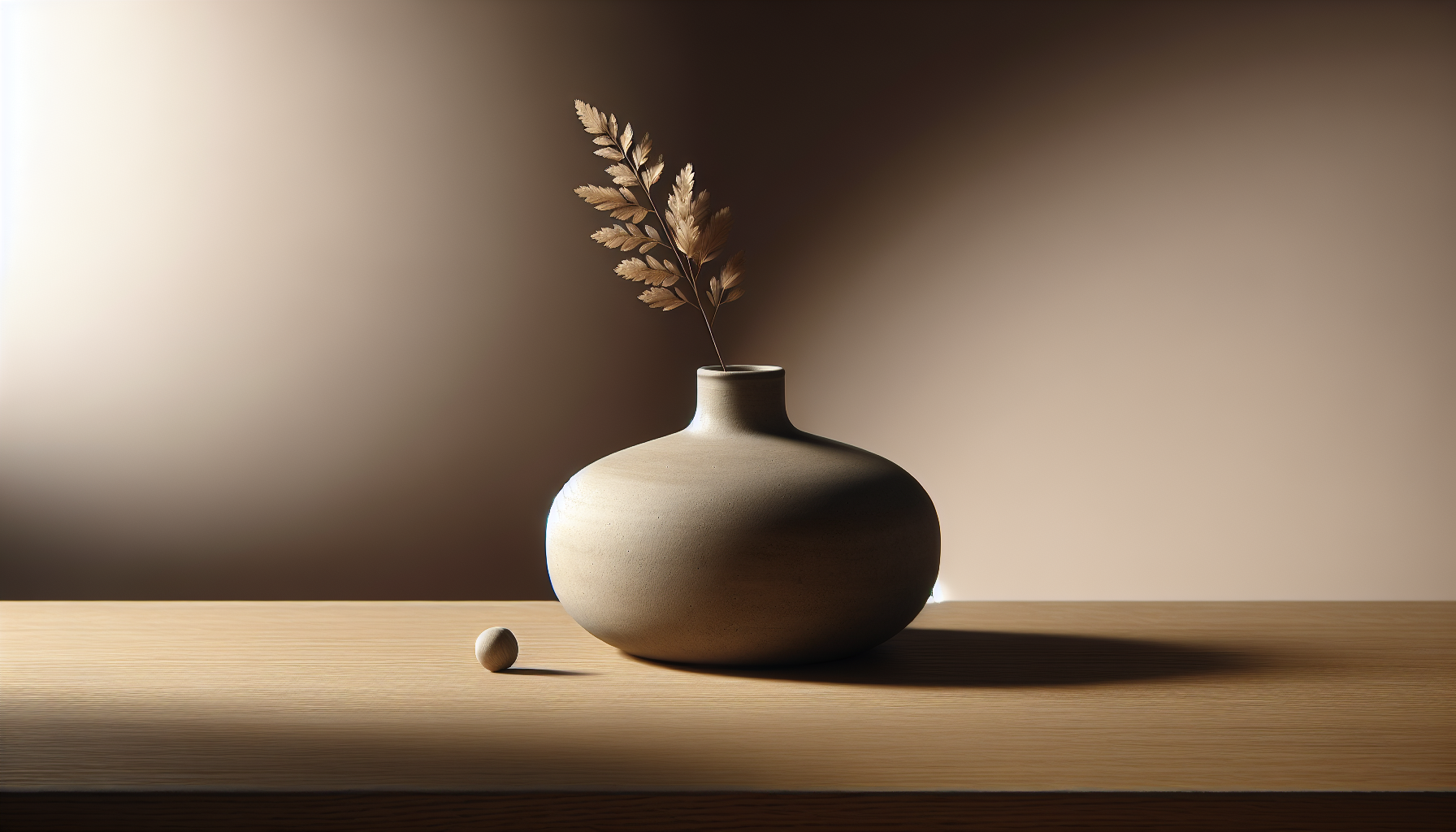
?Are you trying to make a home that feels warm and relaxed without losing the calm, uncluttered lines that define Japandi style?
Balancing Comfort and Simplicity in Japandi Interiors
This guide shows you how to balance comfort and simplicity in Japandi design so your spaces feel both restful and inviting. You’ll learn principles, practical steps for each room, material and color choices, furniture and lighting guidance, and tips for maintaining a lived-in but tidy look.
What Japandi Is and Why Balance Matters
Japandi combines Japanese wabi-sabi and Scandinavian hygge to create interiors that are aesthetically minimal and emotionally warm. You’ll find clean lines, natural materials, and low-profile furniture from Japan paired with the functional, cozy textures and lighting of Scandinavia. Balancing these elements ensures your home feels calm without being cold, useful without being cluttered.
The core goals of Japandi you should focus on
You’ll aim for simplicity, utility, naturalness, and comfort. Simplicity removes excess; utility ensures pieces are purposeful; naturalness brings texture and warmth; comfort makes the space livable and inviting.
Key Principles to Guide Your Decisions
Apply a few core principles consistently so every choice reinforces the balance between comfort and simplicity.
Less but better
You’ll prioritize quality over quantity. Select fewer pieces that serve a purpose and bring joy, rather than filling space with items that merely occupy it.
Natural materials and neutral tones
You’ll use wood, stone, clay, linen, and wool in muted palettes to create a calming base. These materials add warmth while maintaining simplicity.
Functional beauty
You’ll choose furniture and objects that are both beautiful and useful. Designs should feel intentional and effortless.
Imperfection and handmade details
You’ll accept irregularities in materials and finishes as character, letting handcrafted pieces contribute a human touch.
Color Palette: Creating Calm with Contrast
Your color choices set the mood. Japandi palettes use neutral backgrounds with warmed accents.
Base neutrals
Start with soft whites, warm grays, and beige tones for walls and large pieces. These keep the space feeling airy and uncluttered without starkness.
Accent colors
Introduce muted greens, dusty blues, and deep charcoals sparingly to create contrast and depth. These tones should support the natural palette, not overwhelm it.
How to use color in layers
You’ll use color in layers: wall base, major furniture upholstery, and small accents such as cushions, ceramics, or a throw. That layering keeps things simple while adding subtle warmth.
Materials and Textures: Warmth through Nature
Materials create the tactile comfort that prevents minimalism from feeling cold.
Wood and finishes
Use matte, lightly grained wood for furniture and flooring—oak and ash from Scandinavia plus darker Japanese-inspired woods like walnut or teak for accents. Keep finishes natural or softly oiled rather than high-gloss.
Textiles and soft surfaces
You’ll bring in linen, wool, and cotton in natural weaves. Textiles should be tactile but restrained—think a chunky wool throw or a linen slipcover, not heavily patterned fabric.
Stone, ceramic, and metal
Stone countertops or ceramic vases add an organic weight while brass or black metal accents create subtle structure. Use these sparingly to maintain simplicity.
Materials summary table
| Element | Purpose | Typical Choices |
|---|---|---|
| Flooring | Warmth + continuity | Light oak, bamboo, natural stone |
| Major furniture | Form + function | Ash, oak, walnut (matte/oiled) |
| Textiles | Comfort + texture | Linen, wool, organic cotton |
| Surfaces & accents | Visual weight + craftsmanship | Unglazed ceramics, stone, matte metal |
Furniture: Low, Simple, and Crafted
Furniture is where you synthesize Japanese minimalism and Scandinavian comfort.
Scale and proportion
You’ll favor low-profile sofas and tables with clean lines. Keep proportions modest to preserve openness and encourage human-centered use of space.
Multipurpose and well-made
Choose multipurpose pieces—extendable tables, storage benches, or nesting side tables. Invest in craftsmanship so items feel tactilely pleasing and durable.
Seating variety
Provide both soft seating (a comfortable sofa, cushioned armchair) and structured pieces (a wooden bench or a minimalist dining chair). This mix creates a balance between relaxation and formality.
Suggested furniture choices
- Low, upholstered sofa with a clean silhouette and removable linen covers.
- Simple wooden coffee table with tapered legs.
- Minimal dining table with a bench on one side to keep sightlines open.
- Platform bed with storage or a simple wooden frame.
Layout and Spatial Planning
Your layout should facilitate calm movement and purposeful living.
Negative space as design tool
You’ll actively leave empty areas to allow furniture and objects to breathe. Negative space is as important as objects because it creates focus and calm.
Flow and sightlines
Arrange furniture so sightlines are open and movement feels natural. Avoid obstructing windows or routes to frequently used areas.
Zoning in open plans
Use rugs, lighting, and furniture groupings to create zones without building walls. This maintains openness while defining function.
Lighting: Soft, Layered, and Functional
Lighting sets the mood and impacts how comfortable your space feels.
Natural light
You’ll maximize natural light using simple window treatments—sheer curtains or wood blinds that filter light softly. Natural light should feel warm and diffused.
Layered lighting
Combine ambient (overhead), task (reading, kitchen work), and accent lighting (art, architectural features) to create depth. Use dimmers so you can adjust brightness easily.
Fixtures and materials
Choose fixtures with simple forms in warm metals or wood. Paper lanterns, ceramic bases, or woven pendants reference Japanese and Scandinavian design without dominating the space.
Textiles and Soft Furnishings: Comfort without Clutter
Textiles are your main tool to make rooms feel cozy while keeping surfaces tidy.
Choose understated patterns
You’ll use solid colors, subtle stripes, or small-scale textures rather than bold prints. This keeps the visual field calm.
Layering for warmth
Layer rugs, throws, and cushions in complementary neutral tones and tactile materials. Aim for a curated, not piled-on, look.
Rug rules
Use rugs to anchor seating and dining areas. Natural fibers like jute, sisal, or wool in low-pile textures work best.
Storage: Clean Surfaces, Hidden Solutions
Good storage lets you maintain simplicity without sacrificing daily comfort.
Conceal where possible
You’ll favor closed storage (cabinets, drawers) for items that create visual clutter and open shelving for curated displays.
Built-in vs freestanding
Built-ins can streamline a space for minimalism, while freestanding pieces add flexibility. Choose built-ins when you want long-term simplicity.
Declutter routine
Keep surfaces clear by implementing a simple declutter routine: daily tidying and monthly reassessment of items you don’t use.
Adding Life: Plants and Natural Elements
Natural elements bring vitality and soften minimal lines.
Plant selection and placement
Choose low-maintenance plants with artful shapes—ficus, snake plant, or bonsai. Place them to punctuate corners, fill negative space, or accent a reading nook.
Organic decor
Use stones, driftwood, or simple ceramic bowls as sculptural accents. These items should feel thoughtfully placed, not decorative clutter.
Room-by-Room Guidance
Break design decisions into rooms to make implementation manageable. Each room has specific needs but follows the same Japandi principles.
Living Room
Your living room should be your calm hub—comfortable yet uncluttered.
- Choose a low sofa with neutral upholstery and a wooden coffee table.
- Use a single statement rug and an armchair or bench for varied seating.
- Keep storage hidden; surface clutter should be minimal.
Bedroom
The bedroom should emphasize rest and simplicity.
- Use a simple wooden bed frame, natural bedding, and minimal bedside tables.
- Limit decor to one or two meaningful objects and a soft rug by the bed.
- Consider a bench with storage at the foot of the bed for function.
Kitchen and Dining
Kitchens need to be practical without losing warmth.
- Prioritize durable surfaces and uncluttered countertops.
- Use open shelving sparingly to display curated ceramics.
- For dining, a wooden table with mixed seating (chairs + bench) is balanced and social.
Bathroom
You’ll create a spa-like calm with natural materials and simple forms.
- Use stone or neutral tiles, wooden accessories, and soft textiles.
- Keep countertops clear with concealed storage for toiletries.
Home Office or Workspace
Design a workspace that supports focus and comfort.
- Keep a minimal desk, ergonomic chair, and good task lighting.
- Use closed storage for supplies and a plant or tactile object for warmth.
Balancing Minimalism and Lived-in Comfort
This is where judgment matters—you want life in the space without visual chaos.
Allow curated clutter
You’ll keep a few personal items visible: a stack of books, a ceramic bowl, or a framed print. The key is curation—every visible object should add meaning or function.
Rotate instead of accumulate
Rotate decorative items seasonally to keep surfaces fresh and prevent accumulation. This also lets you enjoy more of your collection without crowding.
Comfort-first approach
When choosing between minimalism and comfort, prioritize comfort in rooms designed for rest and socializing. You can be more minimal in transitional or purely functional spaces.
Shopping, Sourcing, and Budgeting
You’ll want to make choices that align with aesthetics, ethics, and your budget.
Buy fewer, better pieces
Invest in key pieces like a sofa, dining table, or bed. Save on accessories by selecting affordable throws or lamps that still have good texture and color.
Where to look
Search local craftsmen, small-scale makers, and ethical manufacturers for unique, quality items. Secondhand furniture can be a great source of character and sustainability.
Budget breakdown table
| Priority Item | Suggested Budget % | Notes |
|---|---|---|
| Sofa | 25–35% | Most-used piece—invest in comfort |
| Dining table | 10–20% | Durable and central to daily life |
| Bed + mattress | 20–30% | For sleep quality, prioritize this |
| Lighting | 5–10% | Small investment, big mood impact |
| Textiles & decor | 10–20% | Affordable ways to warm the space |
Sustainable and Ethical Choices
Japandi’s emphasis on natural materials aligns well with sustainability.
Choose durable over disposable
You’ll favor well-made pieces that last, reducing turnover and waste. Repair rather than replace when possible.
Natural and reclaimed materials
Look for FSC-certified wood, reclaimed timber, and natural-fiber textiles. These choices lower environmental impact and often add character.
Minimalism reduces consumption
By buying less and sourcing intentionally, you’ll reduce clutter and support a slower consumption model.
Common Mistakes and How to Avoid Them
Knowing pitfalls helps you maintain balance without sacrificing comfort.
Mistake: treating minimalism as coldness
Solution: Add tactile textiles, warm wood tones, and soft lighting. Small, comfortable touches counteract sterility.
Mistake: too many matchy pieces
Solution: Mix wood tones and textures to avoid a showroom feel. Contrast smooth and raw surfaces to create interest.
Mistake: overusing trends
Solution: Commit to classic lines and natural materials; use trends only in easily replaceable accessories.
Mistake: ignoring ergonomics
Solution: Test seating and bed height. Simplicity doesn’t mean sacrificing comfort—function is essential.
Maintenance and Living with Japandi
Design should make daily life simpler, not more complicated.
Easy cleaning routines
You’ll adopt simple cleaning rituals—wipe surfaces, shake rugs occasionally, and rotate cushions. Natural materials may need specific care, so follow manufacturer guidelines.
Seasonal refresh
Use a seasonal refresh instead of large overhauls: switch throws, rotate decor, and reassess storage to keep things feeling intentional.
Teaching household members
If you share the home, create clear storage rules and a declutter rhythm so everyone understands how to maintain the aesthetic.
Visual Harmony Checklist
Use this checklist to evaluate whether a space balances comfort and simplicity.
| Item | Yes/No | Notes |
|---|---|---|
| Natural materials present | Wood, stone, ceramics | |
| Neutral layered palette | Base neutrals + 1–2 muted accents | |
| Soft lighting with dimmers | Ambient + task + accent | |
| Enough seating for daily use | Mix of soft and structured | |
| Hidden storage for clutter | Cabinets/drawers used efficiently | |
| Curated personal items only | Meaningful and functional pieces | |
| Comfortable textiles (throws, rugs) | Tactile, neutral, low pattern | |
| Plants or natural accents | Scaled and well-placed |
Small Upgrades with Big Impact
If you can only change a few things, prioritize these high-impact updates.
- Swap heavy curtains for sheer linen to soften light.
- Replace harsh overhead lights with a warm pendant or soft floor lamp.
- Add a high-quality throw and a textured rug for instant warmth.
- Clear countertops and invest in a single beautiful bowl or tray for keys and mail.
Final Thoughts
You’ll find that Japandi is less about rigid rules and more about thoughtful restraint. The balance between comfort and simplicity comes from choosing pieces that are useful, tactile, and quietly beautiful. When you prioritize natural materials, good craftsmanship, and intentional living, your home will feel both peaceful and lived-in.
If you’d like, you can tell me about a specific room you’re working on and the furniture you already own, and I’ll suggest tailored changes to help you achieve a balanced Japandi look.