
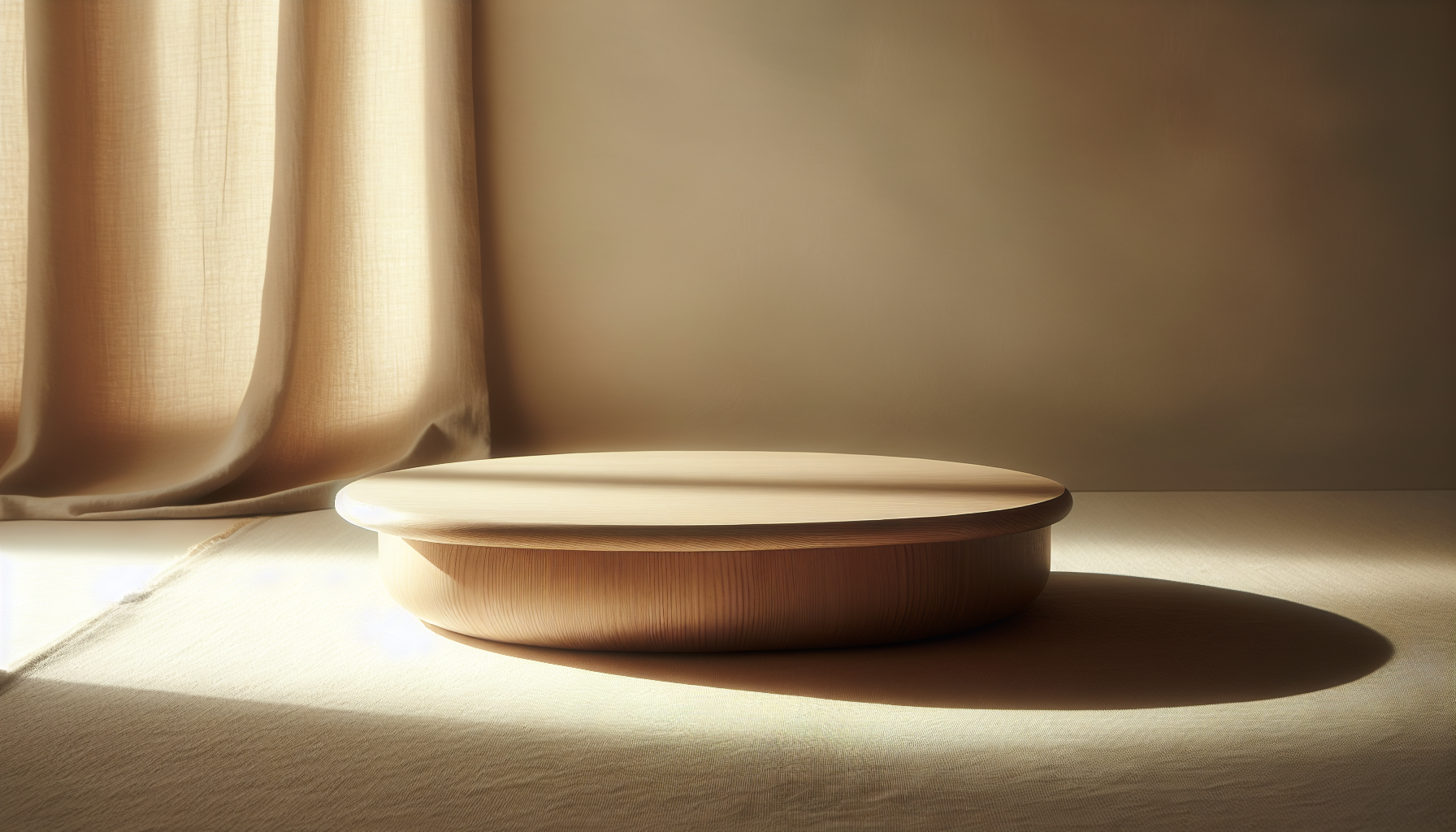
Could soft geometric forms fit into a Japandi interior without breaking its calm, minimalist spirit?
Are soft geometric forms acceptable in Japandi decor? Balancing softness and simplicity
Japandi is a harmony of Japanese minimalism and Scandinavian warmth, and you might wonder whether rounded shapes, arches, and organic geometry belong in that restrained mix. This article explains how soft geometric forms can be used thoughtfully in Japandi decor so your space feels serene, tactile, and balanced rather than cluttered or fussy.
What is Japandi?
Japandi is a hybrid style that combines Japanese wabi-sabi and Scandinavian hygge. It emphasizes clean lines, functional furniture, uncluttered spaces, and warm natural materials, while also celebrating craftsmanship and quiet elegance.
Core principles of Japandi
You rely on simplicity, functionality, and quality materials to create Japandi interiors. The aesthetic values restraint, natural textures, muted tones, and an overall sense of calm.
The role of minimalism and warmth
You achieve balance by pairing minimal, purposeful design with cozy, human touches. Minimalism brings clarity and order, while warmth from textiles and wood keeps spaces inviting rather than austere.
What are soft geometric forms?
Soft geometric forms are shapes that retain clear geometry but have gentle curves, rounded edges, and flowing contours. Think rounded rectangles, arches, ovals, and softened triangles that soften a room’s visual tension without becoming overly organic or irregular.
Examples of soft geometric elements
You will see rounded sofas, arched mirrors, oval coffee tables, simple circle pendants, and soft-corner shelving in softer-geometric designs. These elements have geometry that reads as intentional and calm rather than ornate.
Why soft geometry feels different from rigid geometry
Soft geometry reduces harshness and introduces a tactile, approachable quality to objects and spaces. You get the structure of geometry with more human scale and touchability.
Can soft geometric forms be used in Japandi?
Yes — when used with restraint and thoughtful intention. Soft geometric forms can complement Japandi’s emphasis on calm and craftsmanship, as long as you maintain balance between simplicity, negative space, and natural materials.
Why soft geometry works in Japandi
You can use soft geometry to add gentle contrast and visual interest without overwhelming the minimalism. Rounded forms echo Japanese joinery and Scandinavian ergonomics, both of which favor comfortable, human-centered proportions.
When you should be cautious
Avoid excessive ornamentation, crowded compositions, or mixing too many competing shapes. Overuse of soft geometry can dilute Japandi’s quiet aesthetic if pieces are too bold in color, scale, or pattern.
Design principles for balancing softness and simplicity
To maintain Japandi balance, use soft geometric forms strategically. Follow a few simple principles that keep the space restrained, harmonious, and functional.
Proportion and scale
You should scale soft pieces to match the room and existing furniture. Large rounded furniture can dominate a small room, while very small curved accessories can look insignificant in a generous space.
- Keep major furniture proportions low and grounded, a Japandi hallmark.
- Use one or two larger soft shapes as focal points and smaller rounded accents for cohesion.
Material and texture
You should prioritize natural materials like matte wood, ceramic, linen, and wool to keep soft forms rooted in Japandi tradition. Smooth matte finishes and hand-crafted textures pair well with gentle geometry.
- Choose wood with warm, muted tones for frames and tables.
- Pair curved ceramics and textiles to create tactile contrast without bright shine or gloss.
Color and finish
You should favor muted, earthy, and neutral palettes when implementing soft shapes. Soft geometry will feel integrated when color values remain subtle and tonal rather than saturated.
- Use a restrained palette: warm whites, beiges, muted greens, greys, and soft blacks.
- Opt for matte, natural finishes instead of high-gloss or metallic unless used sparingly.
Negative space and minimalism
You should preserve negative space around curved pieces so their forms can breathe. Japandi relies on uncluttered surfaces and visible emptiness to highlight what’s present.
- Position soft geometric pieces with deliberate spacing.
- Avoid surrounding a soft shape with too many competing objects.
Repetition and restraint
You should repeat a shape or motif a few times to create harmony, but avoid repeating too many distinct forms. Consistent repetition ties spaces together without creating monotony.
- Pick one dominant soft motif (e.g., arches) and echo it subtly (mirrors, shelving cutout, textiles).
- Balance repetition with contrast from straight lines and right angles.
Quick guidelines at a glance
| Design Element | Soft Geometry Approach | Why it Works |
|---|---|---|
| Furniture scale | Low-profile sofas and coffee tables with rounded edges | Keeps you grounded and visually calm |
| Materials | Warm matte wood, textured ceramics, natural fibers | Anchors shapes in Japandi tradition |
| Color | Muted neutrals and soft earthy tones | Preserves minimal, serene mood |
| Placement | Use negative space and asymmetry | Maintains balance and focus |
| Repetition | 1–3 repeated soft motifs | Creates cohesion without clutter |
Room-by-room application
You should adapt soft geometric forms to the function and mood of each room while preserving the overall Japandi ethos. Here are practical suggestions per room.
Living room
You should introduce one main soft geometric piece, like a rounded sofa or oval coffee table, and complement it with simple, linear shelving. The room should feel warm and inviting while maintaining ordered minimalism.
- Use a low, rounded sofa with tapered wooden legs for a Scandinavian touch.
- Add an oval solid-wood coffee table that echoes the sofa’s curves.
- Anchor with a neutral rug and one or two sculptural ceramics.
Bedroom
You should prioritize tranquility and tactile comfort in the bedroom, so soft headboards, rounded nightstands, and circular mirrors are excellent choices. Keep bedding simple and layered in natural fabrics.
- Choose a headboard with a subtle arch or curved corners for a calming focal point.
- Use bedside tables with gentle geometry and simple hardware.
- Limit accessories to one or two curved forms to maintain restful minimalism.
Kitchen and dining
You should keep cabinetry and counters streamlined while allowing rounded dining chairs, a soft-edge dining table, or an arched niche to introduce warmth. Avoid ornate cabinetry or busy backsplash patterns.
- Use Scandinavian-style dining chairs with curved backs and wooden legs.
- Choose an oval or rounded-edge dining table to foster conviviality.
- Add handcrafted ceramics and a matte pendant lamp with a soft silhouette.
Bathroom
You should rely on simple geometry with a few soft accents like rounded mirrors, oval stone basins, or soft-cornered cabinetry for a spa-like feel. Natural stone, wood, and linen work well here.
- Install an oval mirror above a wooden vanity.
- Select a vessel sink with soft geometry in matte ceramic.
- Use neutral towels and minimal shelving to maintain openness.
Entry and hallway
You should create a calm entry with a rounded bench, an arched mirror, and uncluttered storage. The entry sets tone, so keep it functional and sculptural but not busy.
- Choose a low bench with rounded corners.
- Include a slim console table with curved legs or edges.
- Add a single ceramic vase or bowl as a tactile accent.
Small spaces
You should be especially intentional when using rounded forms in small rooms. Soft geometry can make compact spaces feel cozier but can also eat up visual space if too large.
- Use nesting tables or an oval table that fits circulation paths.
- Lean an arched mirror against a wall to increase perceived depth.
- Keep multi-functional, scaled-down furniture to preserve flow.
Furniture and product selection
You should select pieces that are crafted, functional, and proportionate, and that use soft geometry sparingly to maintain Japandi restraint.
Choosing seating
You should pick seating that balances ergonomics and simplicity—low, supportive seating with subtle curves is ideal. Avoid overly plush, high-backed styles that read as heavy.
- Look for sofas and chairs with rounded arms, slim frames, and wooden legs.
- Prioritize durable natural upholstery: linen, cotton blends, or tightly woven wool.
Tables and storage
You should favor low-profile tables with soft edges and simple, open storage. Storage units should be minimal and discreet, with flat faces and subtle rounded corners if you want softness.
- Choose an oval or rounded coffee table in matte wood.
- Use simple storage cabinets with inset handles or small, subtle pulls.
Lighting
You should use lighting to highlight shapes and create atmosphere. Lamps with soft silhouettes and warm bulbs reinforce the mood.
- Select paper, fabric, or matte ceramic pendant lights with rounded shapes.
- Use floor lamps with gentle arcs and dimmable LED bulbs for adjustable ambiance.
Rugs and textiles
You should layer natural-fiber rugs and simple textiles to add warmth and soften geometry. Keep patterns minimal and color palettes restrained.
- Use wool or jute rugs in neutral tones with subtle texture.
- Add throw pillows with muted geometric patterns echoing other soft shapes.
Decor and ceramics
You should keep decorative objects deliberate and limited. Handcrafted ceramics and simple sculptural objects work best.
- Choose matte ceramic vases with soft profiles.
- Avoid glossy or highly decorative pieces that compete with the restrained aesthetic.
Comparing soft vs hard geometry in Japandi
| Application | Soft Geometric Option | Hard-Edged Alternative | When to Use |
|---|---|---|---|
| Sofa | Rounded low-profile sofa | Straight-edged linear sofa | Use soft for comfort; hard for strict minimalism |
| Coffee table | Oval solid-wood table | Rectangular slab table | Soft for approachability; hard for strong architectural lines |
| Mirror | Arched or circular mirror | Rectangular mirror | Soft for warmth; hard for formality and symmetry |
| Shelving | Rounded shelf cutouts | Boxy shelving units | Soft for visual rhythm; hard for maximum storage efficiency |
| Lighting | Dome pendant, paper lantern | Cylindrical or angular pendant | Soft for ambient relaxation; hard for modern industrial look |
Practical steps to introduce soft geometry into your Japandi home
You should follow a methodical approach to ensure soft geometric forms enhance rather than overwhelm the design.
- Assess the room and remove clutter. Keep only pieces that serve a function or bring calm.
- Choose one focal soft form. This could be a rounded sofa, arched mirror, or oval table.
- Select supporting elements. Add two to three smaller curved items (lamp, vase, cushion) that echo the focal shape.
- Maintain a neutral palette. Use muted tones and natural finishes to harmonize the forms.
- Balance with straight lines. Counterbalance curves with linear shelving, frames, or architectural details.
- Respect negative space. Give each piece room to breathe; avoid crowding.
- Edit constantly. Remove anything that feels decorative for decoration’s sake.
Quick implementation checklist
- One dominant soft geometric focal piece selected
- 1–3 supporting curved accents chosen
- Natural material finishes prioritized
- Neutral, muted color palette established
- Negative space around pieces respected
- Hard lines introduced for structural balance
Common mistakes and how to avoid them
You should be aware of pitfalls that can make soft geometry feel out of place or cluttered in a Japandi interior.
Mistake: Over-accessorizing
You can easily clutter the space with too many rounded objects, each competing for attention.
Solution: Limit decorative pieces and focus on quality craftsmanship. Keep surfaces mostly clear.
Mistake: Using bright, saturated colors
Bright colors can break the serene mood and draw attention away from form and texture.
Solution: Stick to muted palettes and use color sparingly as accent if needed.
Mistake: Ignoring scale
A large rounded sofa in a tiny room will dominate and shorten sightlines.
Solution: Measure and choose proportions that maintain sightlines and circulation.
Mistake: Mixing too many styles
Combining soft geometric Japandi pieces with ornate or ultra-modern furniture can create visual conflict.
Solution: Curate complementary pieces that share materiality and tone.
Color palette suggestions
You should build palettes that feel grounded and subtle. Here are palettes that work well with soft geometry in Japandi interiors.
| Palette Name | Key Colors | Suggested Uses |
|---|---|---|
| Calm Neutrals | Warm white (#F6F3EE), Stone beige (#D9CFC3), Muted charcoal (#4A4A48) | Base walls, larger furniture, anchor pieces |
| Soft Earth | Clay (#C8A58F), Moss green (#9AA499), Sand (#E6D8C9) | Accent furniture, ceramics, textiles |
| Misty Blue | Pale blue-grey (#C7D6DD), Warm grey (#B6B6B4), Soft black (#2F2F2D) | Bedrooms, bathrooms, calming accents |
| Walnut and Linen | Walnut brown (#7A5A46), Linen cream (#F1EDE8), Olive grey (#8B8F80) | Wood finishes, upholstery, rugs |
How to combine color and form
You should let color support shape rather than overpower it. Use warm neutrals on large surfaces and introduce richer, muted hues in small doses to highlight soft geometric pieces.
Mixing patterns and textures
You should use textures to bring depth and tactility while keeping pattern minimal. Pattern adds interest but must be scaled and spaced carefully.
- Favor textured solids: nubby weaves, slub linen, hand-thrown ceramics.
- If you use pattern, choose simple geometric motifs—very small repeat or single large motif—and keep them in muted tones.
- Combine a soft curved form with a linear weave or striped textile for contrast.
Sustainability, craftsmanship, and materials
You should prioritize sustainably sourced materials and workmanship that reflects Japandi values. Longevity and repairability are key.
- Choose solid wood construction rather than veneers when possible.
- Opt for locally made or artisanal pieces that show human touch—this reflects Japanese respect for craft and Scandinavian functionalism.
- Select finishes and textiles that age gracefully and can be maintained rather than replaced.
Visual cues and sample vignettes
You should picture how soft geometry looks when done well. Here are concise room vignettes that reflect appropriate use.
Living room vignette
A low, rounded sofa in muted beige sits on a textured wool rug. An oval solid-wood coffee table anchors the seating, while an arched mirror on the wall reflects light. A single matte ceramic vase and a small stack of books complete the scene.
Bedroom vignette
An upholstered headboard with a gentle arch rests against pale plaster walls. Two slim rounded nightstands flank the bed with warm wood grain. Linen bedding in off-white and a round wall lamp create a calm, cohesive look.
Dining vignette
A simple oval dining table in walnut pairs with rounded back chairs upholstered in muted grey. A single paper pendant with a soft dome shape hangs above, while handcrafted plates and a small ceramic bowl provide subtle texture.
Frequently asked questions (FAQs)
You should find answers to common concerns about integrating soft geometry into Japandi homes.
Will soft shapes make my space feel less minimal?
Not if you use them sparingly and pair them with negative space and linear elements. One or two soft focal pieces can enhance warmth without sacrificing minimalism.
How many soft geometric pieces are too many?
A good rule is one dominant soft focal piece plus two to three supporting accents. More than that risks visual overload.
Are bold colors ever appropriate with soft geometry in Japandi?
Bold colors can work as very small accents, but the overall palette should remain muted to preserve tranquility.
Can I mix curved and straight-lined furniture?
Yes. Mixing curves and straight lines enhances balance. Use straight lines for storage and structure, and curves for seating and accents.
Do soft geometric forms suit small apartments?
They can, but you must pay close attention to scale and circulation. Rounded furniture often improves flow in tight corners and can make small spaces feel more spacious.
Are mass-produced curved items okay for Japandi?
You should prioritize craftsmanship and materials, but well-designed mass-produced items can work if they follow the material and finish guidelines.
Maintenance and care
You should maintain soft geometric pieces the same way you would other Japandi furniture—gentle cleaning, repair when possible, and mindful wear.
- Use soft, dry cloths for dusting and mild cleaners for wood as recommended by the maker.
- Refinish or oil wooden surfaces periodically to preserve matte character.
- Rotate cushions and rugs to maintain even wear.
Final thoughts
You can successfully incorporate soft geometric forms into Japandi decor when you apply restraint, emphasize natural materials, and balance curves with linear elements and empty space. Soft geometry can add a human, tactile warmth to the minimalist structure of Japandi interiors, making your home feel serene, comfortable, and beautifully composed.
If you follow the guidelines above, you’ll be able to introduce rounded shapes and soft silhouettes in a way that feels intentional, calm, and authentically Japandi.