
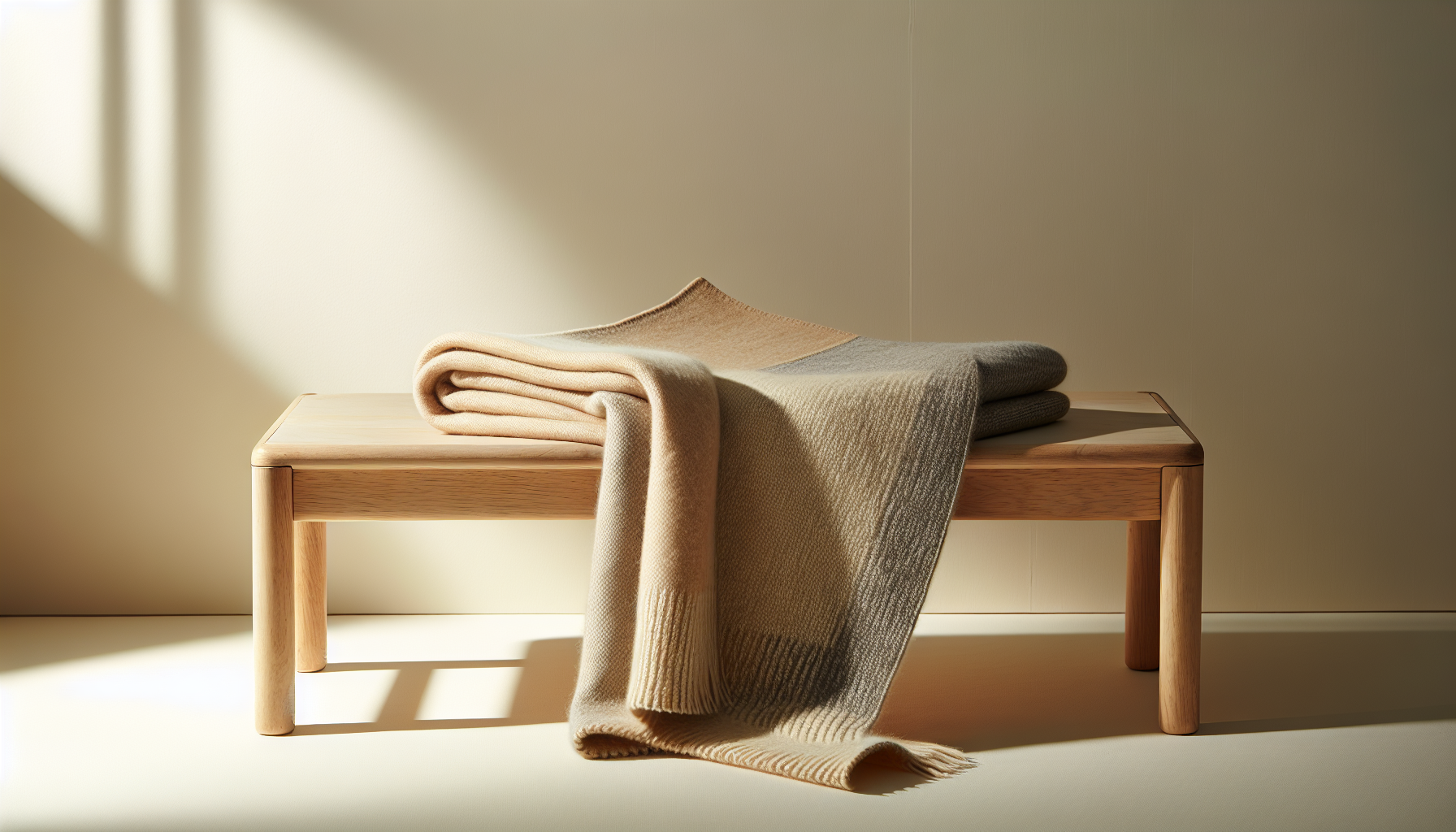
How do you add warmth through textiles in Japandi style?
Adding Warmth with Textiles in Japandi Interiors
Japandi blends the calm minimalism of Japanese design with the cozy functionality of Scandinavian interiors. If you want your space to feel both serene and inviting, textiles are one of the most effective tools you can use. They introduce tactile depth, visual warmth, and seasonal adaptability without cluttering your aesthetic.
Why textiles matter in Japandi interiors
Textiles soften hard lines and introduce a human scale to minimalist spaces. In Japandi interiors, where simplicity and restraint guide design choices, well-selected textiles bring comfort without overwhelming the clean aesthetic. You’ll rely on texture, subtle color shifts, and natural fibers to achieve balance and warmth.
Core principles to guide your choices
Keep these principles in mind as you select fabrics: prioritize natural materials, maintain a muted and harmonious palette, layer thoughtfully, and focus on craftsmanship. Your aim is to create an uncluttered, lived-in feeling where each textile serves a functional and aesthetic purpose.
Understanding the Japandi textile palette
Japandi palettes favor neutral, earthy tones with occasional muted accents. The goal is to create a calm backdrop that allows texture and form to stand out.
Typical colors and how to use them
Stick to warm greys, soft beiges, muted greens, barley yellows, and warm whites as base colors. Use deeper mahogany, charcoal, indigo, or clay tones sparingly for contrast. You can place color accents in smaller textiles—throws, cushions, or a single rug—so the room keeps its tranquil core while feeling grounded.
Example color combinations
- Warm taupe walls with off-white linen curtains and a charcoal wool rug for contrast.
- Natural oak furniture with a muted green cushion and a barley-yellow throw for a subtle focal point.
- Soft cream bedding with indigo accent pillows to create quiet depth.
Materials: natural fibers first
Natural fibers are central to the Japandi ethos because they age gracefully and feel warm yet restrained. Choose fibers that are breathable, texturally interesting, and sustainable when possible.
Materials comparison
| Material | Characteristics | Best uses | Care notes |
|---|---|---|---|
| Wool | Warm, resilient, textured | Rugs, throws, upholstery | Dry clean or gentle wash; air regularly |
| Linen | Breathable, slightly slubby texture, cool to touch | Curtains, bedding, cushions | Machine or hand wash; iron for crisp look |
| Cotton | Versatile, soft, affordable | Bedding, cushions, light throws | Machine washable; easy to care for |
| Hemp | Durable, matte finish, eco-friendly | Rugs, upholstery, curtains | Machine or gentle wash; softens over time |
| Silk | Lustrous, smooth, luxurious | Accent cushions, throws | Dry clean or gentle hand wash |
| Cashmere | Extremely soft, insulating | Throws, accent cushions | Hand wash or dry clean; high maintenance |
| Jute/Coir | Coarse, natural, rustic | Floor mats, low-pile rugs | Spot clean; avoid excessive moisture |
| Blends (natural + synthetic) | Increased durability, lower cost | High-traffic upholstery, rugs | Follow blend-specific care labels |
How to decide between fibers
Choose wool and hemp for durability and warmth, linen for a light and airy feel, silk and cashmere for luxurious accents, and cotton for everyday practicality. Blends can give you the best of both worlds when durability and cost matter.
Texture as your main tool
In Japandi interiors, texture replaces ornamentation. You’ll use different weaves, pile heights, and finishes to create visual interest without patterns that scream for attention.
Textural vocabulary
- Slubby linen brings casual elegance and a relaxed drape.
- Nubby wool and boucle introduce tactile depth and visual warmth.
- Flatweave rugs provide subtle pattern without heavy contrast.
- Knitted throws and chunky weaves make seating areas more inviting.
How to layer textures effectively
Start with a neutral base (rug or sofa) and add progressively softer textures: a wool rug, a linen cushion, a cashmere or heavy-knit throw. Keep color transitions gentle—vary the texture more than the hue. This creates complexity that feels calm rather than busy.
Rugs: anchoring the room
Rugs are foundational in Japandi spaces because they anchor furniture and define zones while adding warmth beneathfoot.
Choosing pile, size, and weave
- Low to medium pile wool or wool blends work best: they’re warm but still minimal.
- Flatweave or low-pile rugs with subtle irregularities mimic handcrafted Japanese tatami textures.
- Size the rug so at least the front legs of larger furniture rest on it; smaller rugs can define conversation spots or bedside areas.
Rug placement tips
Place a larger rug under the seating grouping to create a cohesive vignette. In dining areas, ensure the rug is large enough for chairs to remain on it when pulled out. For layered looks, pair a flatweave base with a smaller, plush rug near a seating area for contrast.
Cushions and throws: small elements, big impact
Cushions and throws are the easiest way to introduce warmth and shift the mood seasonally.
How to mix sizes, shapes, and fills
Vary cushion sizes (e.g., two larger 60×60 cm square cushions with a smaller 40×60 lumbar) to make seating feel thoughtfully arranged. Use natural fill materials like wool or down for loft and warmth. Keep shapes mainly square or rectilinear to align with Japandi geometry; add a single round cushion sparingly for softness.
Throw strategies
Drape a chunky knit throw across the arm of a sofa, fold a linen blanket at the foot of a bed, or keep a wool throw casually bunched in a basket. Use throws to add a tactile counterpoint to smooth wooden surfaces and crisp linens.
Curtains and window treatments: warmth without heaviness
Window textiles control light and contribute to insulation, privacy, and the overall softness of the room.
Fabric choices and opacity
Choose medium-weight linen or a linen-cotton blend for a soft, filtered light that still feels airy. Heavier wool or thick hemp curtains are appropriate in very cold climates for thermal benefit but should be restrained in color and pattern to avoid dominating the space.
Hanging and styling
Mount curtains close to the ceiling and let them pool slightly for a tailored yet relaxed look. Use simple wooden or matte black rods that match the room’s finishes. Consider dual layers: a sheer linen inner layer for daylight and a heavier outer layer for privacy and insulation.
Bedding and bedroom textiles: serene, yet tactile
Bedrooms are prime real estate for warmth because they need to be both restful and comforting.
Layering for comfort and style
Start with breathable linen or cotton sheets, add a lightweight wool or cotton blanket for warmth, and top with a thick wool or cashmere throw if needed. Choose a pillowy mix of standard and lumbar cushions for reading nooks or bed backing. Keep the color story cohesive with your living spaces.
Mattress and duvet choices
A natural-fill duvet (wool or down) offers breathability and warmth; choose tog ratings seasonally. Natural mattress toppers like wool or latex improve comfort and insulation without resorting to synthetic materials.
Dining and kitchen textiles: understated functionality
In Japandi interiors your kitchen textiles should be utilitarian but beautiful.
Materials and colors for table linens
Linen napkins, cotton or linen table runners, and woven jute placemats provide warmth without pretension. Keep patterns minimal—subtle stripes or tone-on-tone textures work well.
Towels and potholders
Choose thick, absorbent linen or cotton kitchen towels in neutral shades. Use leather or simple stitched fabric loops to hang them neatly—functional storage contributes to the uncluttered look.
Upholstery and furniture textiles: consider scale and use
When selecting upholstery, balance tactile appeal with maintenance and longevity.
Durability vs. aesthetic
For high-traffic sofas, choose a durable wool blend or heavy linen with a tight weave. For accent chairs or occasional seating, you can afford softer, tactile fabrics like boucle or velvet in muted tones. Consider removable covers where possible to ease cleaning.
Complementing wood and finishes
Pair tactile textiles with natural wood finishes—light oak, walnut, or stained ash—to maintain harmony. Avoid high-gloss or ornate fabrics that clash with Japandi simplicity.
Pattern, restraint, and the art of subtlety
Patterns are permissible but should be subtle and purposeful. Small-scale motifs, natural irregularities, or woven textures are preferable to bold geometrics.
Pattern types that work
- Tone-on-tone weaves
- Soft irregular stripe or pinstripe
- Small-scale checks or basket weaves
- Slight slubs and natural fibers that create organic pattern
How to use pattern sparingly
Limit patterned textiles to one or two elements in a room—a rug or a cushion—and keep the rest plain. This maintains calm while giving the eye a focal point.
Keeping the space minimal but lived-in
Textiles should make your home feel inhabited, not staged. You want warmth without clutter.
Practical tips
- Limit decorative cushions to three to five per seating area.
- Use baskets to store extra throws neatly.
- Rotate textiles seasonally to keep the environment fresh and optimized for comfort.
Seasonal adjustments
Textiles are your easiest seasonal switch to regulate warmth and mood.
Winter strategies
Bring in thicker wool rugs, denser curtains, and heavier throws. Layer bedding with an extra wool blanket. Use darker or deeper neutrals discreetly for a cozier feel.
Summer strategies
Swap to lighter linen and cotton pieces, remove heavy throws, and use lighter rug options or even washable flatweaves. Keep the palette airy with cool neutrals and subtle greens.
Lighting and textile interplay
Textiles react to light—how you light a room affects how materials look and feel.
Warm light complements warm textiles
Use warm, dimmable light sources to enhance the tactile warmth of wool and wood. Natural light highlights the nuanced textures in linen and jute; use sheers to diffuse harsh sunlight.
Task lighting and reading nooks
Place a soft-textured throw and a lumbar cushion under a warm-toned floor lamp to create an inviting reading corner that aligns with Japandi restraint.
Sustainability and ethical sourcing
Japandi values mindfulness, so choose textiles that are responsibly made and long-lasting.
Look for these certifications and practices
- Organic or GOTS-certified cotton and linen
- Responsible wool standards (RWS)
- Fair trade production
- Locally made or artisanal textiles
- Reclaimed and upcycled textiles
Why it matters
Natural, well-made textiles can last decades, improving with use and reducing the need for frequent replacements. Choosing sustainable options aligns with the Japandi ethos of intentional consumption.
Care and maintenance: extend the life of your textiles
Maintaining textiles keeps them looking good and functioning well. Proper care also supports sustainability by reducing waste.
General care guidelines
| Item | Typical care | Tips |
|---|---|---|
| Wool rugs | Spot clean, professional clean as needed | Rotate to avoid uneven wear; use rug pads |
| Linen curtains | Machine wash gentle or hand wash | Iron damp for crispness; avoid bleach |
| Cotton bedding | Machine wash warm | Tumble dry low; remove promptly to avoid wrinkles |
| Delicate cushions (silk/velvet) | Dry clean | Rotate usage; keep out of direct sun |
| Throws (wool/cashmere) | Hand wash or dry clean | Air out regularly; store folded in breathable bags |
Storage tips
Store off-season textiles in breathable cotton bags rather than plastic to prevent moisture buildup. Add lavender or cedar to deter moths for wool items.
Budget-friendly routes and DIY ideas
You don’t need to spend a fortune to achieve a warm Japandi look.
Affordable swaps
- Use quality cotton or linen blends instead of pure linen.
- Choose wool blends for rugs rather than 100% wool.
- Buy unfinished cushions and sew your own covers in linen—this gives you control over color and texture.
Simple DIY projects
- Hand-knit a chunky throw or knit a cushion cover for a personal, tactile piece.
- Re-dye or tea-stain plain linen for subtle warm tones.
- Reupholster an inexpensive chair in a neutral woven fabric for a high-impact update.
Common mistakes to avoid
Avoid a few pitfalls to keep your Japandi space warm without compromising its minimalist roots.
What not to do
- Don’t overload a space with too many fabrics—resist the urge to add every throw and cushion you own.
- Avoid bright, saturated patterns and colors that break the calm.
- Don’t place heavily patterned rugs or loud upholstery in small rooms; they will dominate the space.
- Don’t neglect maintenance—dirty or pilled textiles quickly undermine the aesthetic.
Shopping checklist
Use this checklist when shopping so you make mindful, consistent choices:
- Is the material natural or a responsible blend?
- Does the texture complement existing surfaces (wood, stone, metal)?
- Is the color within your palette (muted, warm, or cool depending on intent)?
- Is the textile easy to care for and durable enough for its use?
- Does it contribute functionally (thermal, acoustic) as well as aesthetically?
Final styling checklist
- Start with neutral, natural bases: rugs, curtains, large upholstery.
- Introduce two to three textures per zone: smooth, nubby, knitted.
- Limit pattern use to one focal textile per room.
- Use cushions and throws to adjust seasonally.
- Favor local, artisanal, or sustainably certified textiles when possible.
- Keep your storage solutions simple and consistent with the aesthetic.
Conclusion
You can make your Japandi interior feel genuinely warm and inviting without abandoning minimalism. By prioritizing natural materials, harmonious colors, and thoughtful layering of textures, you’ll create spaces that feel calm, functional, and cozy. Textiles offer flexibility—seasonal swaps, easy updates, and tactile comfort—so they’re an excellent place to invest your time and attention. Follow the principles above, keep the palette restrained, and allow texture to do the expressive work for you; your home will feel considered, comfortable, and timeless.