
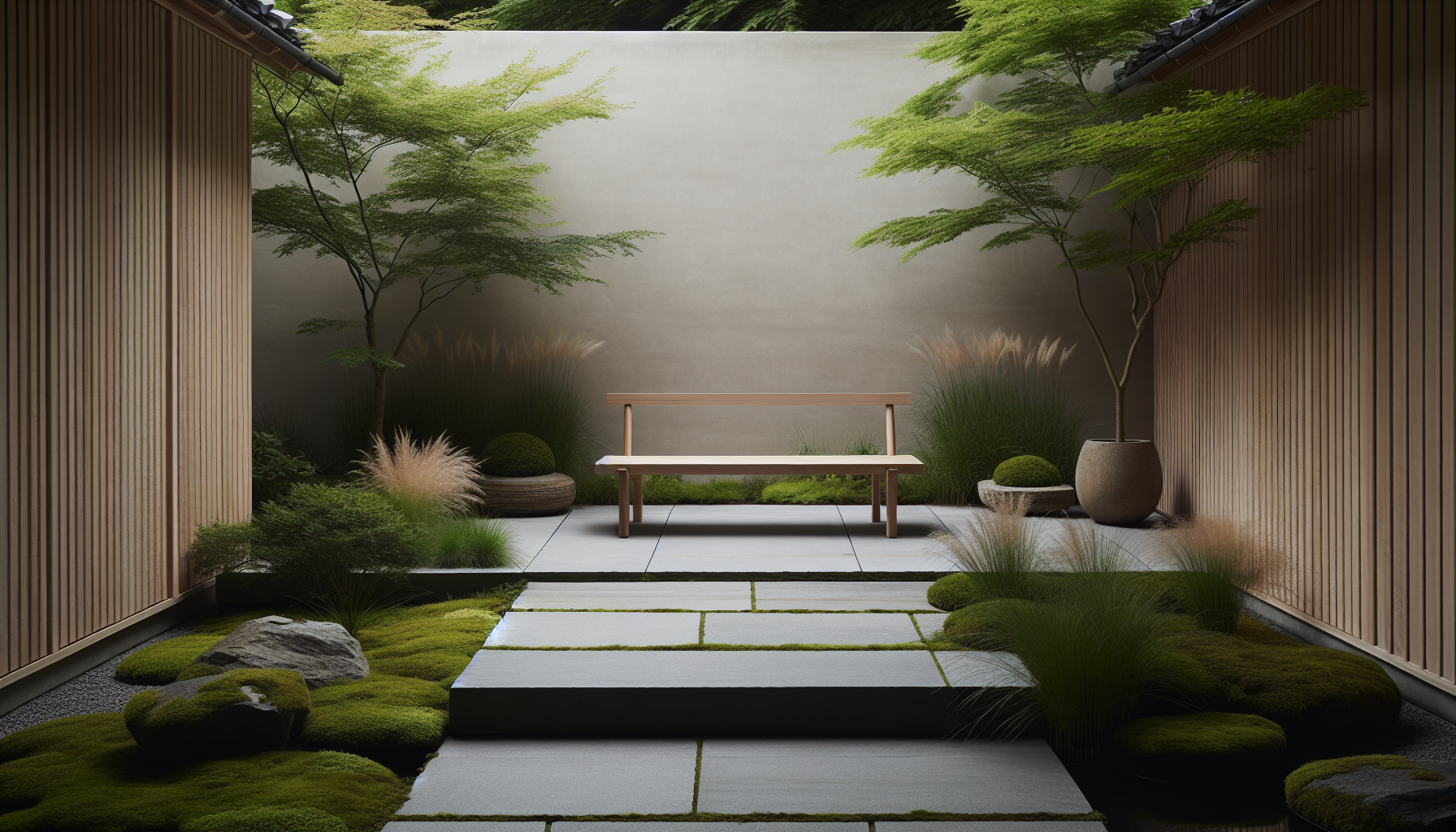
Have you ever noticed how some outdoor spaces seem to effortlessly blend simplicity and functionality while still feeling warm and inviting? That distinctive charm often stems from the Japandi aesthetic, a harmonious union of Japanese and Scandinavian design principles. Let’s unpack how Japandi influences outdoor architecture, creating spaces that resonate with both tranquility and modern living.
Understanding Japandi Design Principles
Japandi combines the minimalistic features of Scandinavian design with the Zen-like qualities of Japanese aesthetics. At its core, it emphasizes functionality, simplicity, and natural elements. This blend manifests in outdoor spaces designed to facilitate relaxation and connection with nature.
Key Characteristics of Japandi
- Natural Materials: Wood, stone, and rattan often define Japandi spaces. These materials not only provide beauty but also durability, making them perfect for outdoor settings.
- Neutral Color Palette: Soft, earthy tones dominate, with grays, browns, and greens setting a serene backdrop. This is essential in outdoor spaces, helping them feel connected to nature.
- Clean Lines: The architecture tends to favor straight lines and geometric shapes, creating a sleek look. This Minimalism encourages open, uncluttered spaces where you can truly unwind.
- FUNCTIONALITY: Every item in a Japandi space serves a purpose. Whether it’s seating or decor, the focus is on utility without sacrificing beauty.
The Role of Nature in Japandi Outdoor Architecture
Nature plays a crucial role in Japandi design. By incorporating the outdoors into the living spaces, you can create a seamless transition between interior and exterior environments.
Biophilic Design Elements
Biophilic design, which seeks to connect occupants with nature, is vital in Japandi. You might consider adding:
- Greenery: Integrating plants into your outdoor space enhances aesthetics and provides air purification.
- Natural Water Features: A small fountain or pond can evoke the tranquil elements of nature, amplifying a sense of peace.
- Views: Positioning seating or activity areas to capitalize on stunning natural vistas fosters a connection with the environment.
Integrating Japandi into Outdoor Spaces
When it comes to turning outdoor areas into tranquil sanctuaries, incorporating Japandi elements can create a welcoming atmosphere. Let’s take a closer look at how you can achieve this.
Creating a Seamless Transition
To ensure a fluid transition between indoors and outdoors, consider the following strategies:
- Large Windows and Doors: Incorporate expansive sliding or bi-fold doors that can be opened to merge indoor living areas with outdoor spaces.
- Consistent Flooring: Using the same flooring materials inside and outside helps to blur the lines and visually connect the spaces.
Consideration of Layout
The layout significantly impacts how you experience outdoor spaces. Here are some points to consider:
- Open Spaces for Relaxation: Design areas where you can lounge, meditate, or enjoy a meal outdoors.
- Defined Zones: Use furniture placement to create separate areas for different activities, ensuring each section feels purposeful yet unified.
Choosing Furniture and Decor
Selecting the right furniture and decor for outdoor Japandi architecture is crucial in achieving that serene environment.
Minimalist Outdoor Furniture
Invest in minimalist furniture pieces made from natural materials. Look for:
- Wooden Benches or Lounges: Crafted from responsibly sourced timber, these pieces offer both comfort and style.
- Rattan Accents: Chairs or tables with rattan elements bring texture and warmth to the space while remaining lightweight and durable.
Decorative Elements
While Japandi emphasizes minimalism, decorative elements can play a significant role. Aim for:
- Textural Variations: Use cushions and throws with different materials to enhance comfort without overcrowding the space.
- Earthy Planters: Incorporate terracotta or ceramic pots for your garden plants, which add bursts of color and complement the natural theme.
Sustainable Practices in Japandi Design
Sustainability is key in modern outdoor architecture, especially with the Japandi approach. Here’s how you can incorporate eco-friendly practices:
Responsibly Sourced Materials
When selecting materials, opt for sustainably harvested wood, recycled materials, and non-toxic finishes. This not only ensures a lower environmental impact but imbues your space with an integrity that aligns with the Japandi ethos.
Emphasis on Low Maintenance
Reducing the upkeep of your outdoor area can help protect the environment. Choose:
- Drought-resistant Plants: Native plants require less water and maintenance, making them a sustainable choice.
- Durable Furnishings: Invest in high-quality pieces built to last, reducing the need for replacements and minimizing waste.
Landscaping with Japandi in Mind
Landscaping is a vital component of outdoor Japandi architecture and involves creating a serene and harmonious natural environment.
Simple Plant Selection
Favor native plants and trees that thrive in your area. Their adaptation to local conditions minimizes water usage and upkeep.
Pristine Pathways
Consider adding clean-lined pathways made from natural stone or gravel. Not only do they serve as functional routes, but they also add a contemporary flair to your garden.
Water Management
Incorporating natural water management systems can enhance the beauty of your outdoor space while promoting sustainability. Consider:
- Rain Gardens: These are designed to capture rainwater and allow for natural drainage while also creating a beautiful garden area.
- Permeable Paving: This allows rain to seep through, reducing runoff and promoting healthier landscapes.
Creating Social Spaces
Japandi focuses on fostering a sense of community and social interaction. Here’s how you can create inviting social spaces outdoors.
Entertaining Areas
Design outdoor seating areas conducive to social gatherings and relaxation. Use a combination of:
- Dining Sets: A simple wooden table surrounded by benches or modern chairs encourages sharing meals and conversation.
- Fire Pits: A central fire pit can create a cozy atmosphere, encouraging gatherings in the evening.
Relaxation Zones
Don’t forget to include areas that cater to individual relaxation. Consider:
- Hammocks: Perfect for lounging in the shade, they add an effortless comfort to your outdoor setup.
- Meditation Spaces: Create a quiet corner with cushions, rugs, and natural elements where you can practice mindfulness.
Incorporating Art and Culture
Adding artistic elements can give your outdoor space a unique touch while reflecting your personality and values.
Thoughtful Art Displays
Choose art pieces that resonate with the Japandi aesthetic. This may include:
- Japanese Zen Gardens: These can serve as focal points and invite tranquility, embodying the simplicity and grounding nature of Japandi design.
- Scandinavian Sculptures: Modern sculptures made from stone or metal can add a touch of sophistication.
Personalizing Your Space
Your outdoor space should ultimately reflect your tastes and preferences. Don’t hesitate to tweak the Japandi principles to suit your personality better.
Color and Texture
Feel free to incorporate colored cushions or throws that bring a bit of your favorite hues to the space. Mixing textures can also breed warmth and comfort, ultimately making the outdoor area more inviting.
Sentimental Touches
Think about integrating personal items that hold sentimental value. Whether it’s a cherished pot, artwork, or decoration, these elements can help narrate your story and ensure the space feels uniquely yours.
The Future of Japandi-Inspired Outdoor Architecture
As more people begin to appreciate simplicity and mindfulness, Japandi influences on outdoor architecture will likely grow. The focus on integrating nature with modern living will create serene environments that not only manifest beauty but also promote sustainability.
Trends to Watch
- Eco-friendly Innovations: As technology evolves, expect to see advancements in sustainable materials and smart landscaping techniques.
- Community Engagement: Outdoor spaces will increasingly reflect the needs of communities, fostering connections and enhancing well-being.
Conclusion
Embracing Japandi in your outdoor architecture offers a beautiful way to create serene, functional, and sustainable spaces. By combining natural elements, thoughtful design, and personal touches, you can cultivate an outdoor sanctuary that invites relaxation and joy. Whether you have a sprawling garden or a cozy balcony, the principles of Japandi can help transform your outdoor experience into something truly special.
So, how will you incorporate the beauty of Japandi into your own outdoor spaces? Embrace your creativity, connect with nature, and let tranquility guide your design choices.