
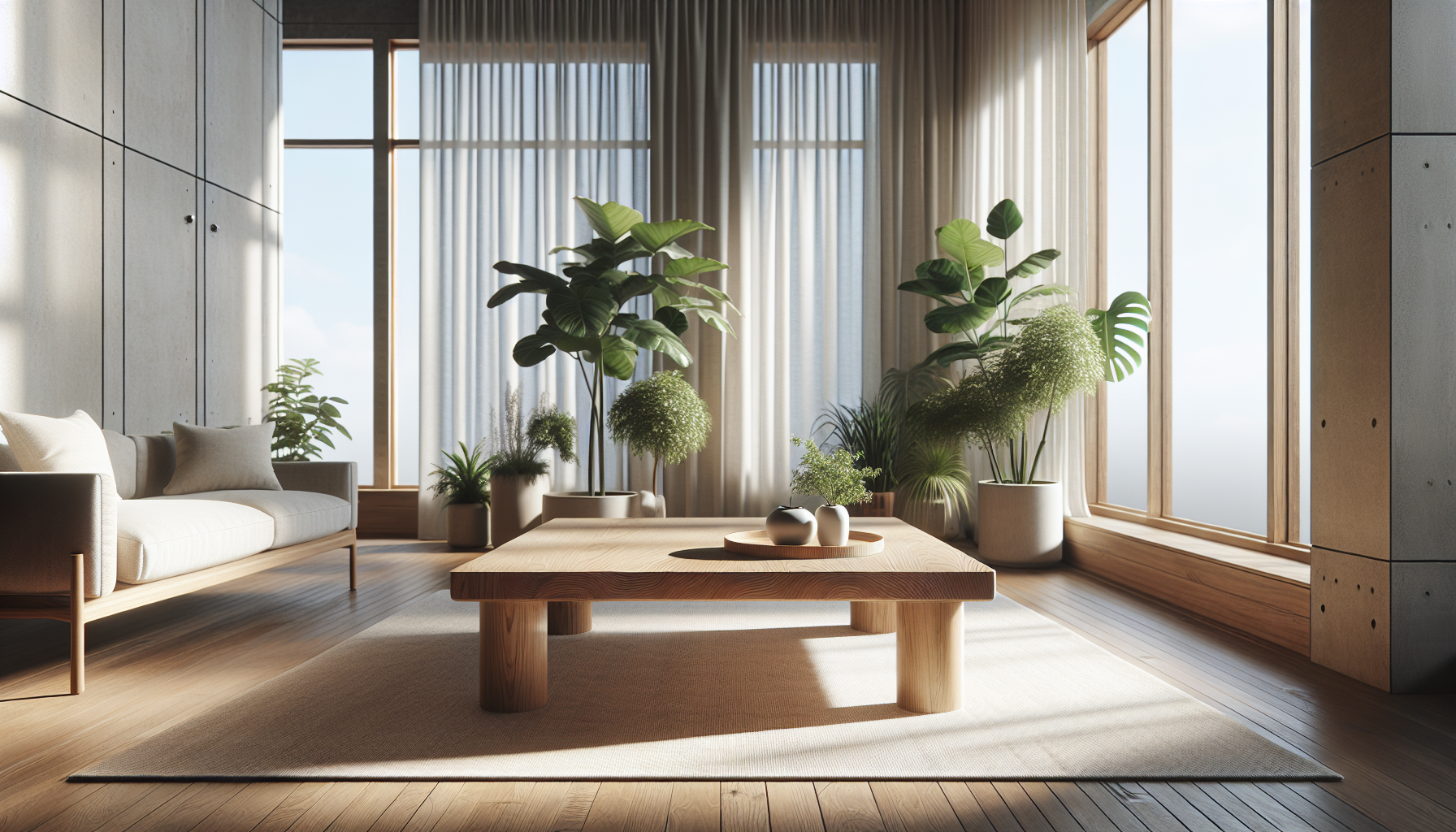
Have you ever wondered how to transform your high-rise apartment into a serene and stylish retreat? If so, then Japandi style might be the perfect design aesthetic for you. This blend of Japanese minimalism and Scandinavian functionality creates an inviting atmosphere while maximizing limited space. Let’s dive deeper into how you can successfully apply this delightful style to your high-rise living.
What is Japandi Style?
Japandi is an interior design style that merges the simplistic beauty of Japanese design with the cozy warmth of Scandinavian decor. The result is an environment that emphasizes calmness and functionality, making it particularly suitable for urban living.
Origins of Japandi
The roots of Japandi emerge from centuries of Japanese craftsmanship, known for its attention to detail and use of natural materials. Scandinavian design follows a similar philosophy, focusing on functionality, simplicity, and a sense of coziness. Together, they create a harmonious balance that’s perfect for high-rise apartments.
Key Characteristics of Japandi Style
Understanding the characteristics of Japandi can help you implement this style effectively in your apartment. Here are some of the defining features:
Minimalism
Minimalism is at the core of Japandi design. This means you’ll want to focus on decluttering your space and only keeping items that serve a purpose. Think of furniture that has both function and beauty, allowing your apartment to feel open and airy.
Natural Materials
Incorporating natural materials like wood, bamboo, and stone brings warmth and texture to your high-rise apartment. Opt for furniture made from sustainable materials that not only align with Japandi principles but also add an organic feel to your space.
Neutral Color Palette
Japandi design often utilizes a neutral color palette, including shades of white, gray, beige, and soft earth tones. This helps create a calming environment. You might want to add pops of color through accessories or artwork, but always keep it understated.
Incorporating Japandi Style in Your High-Rise Apartment
Now that you have a grasp of what Japandi style encompasses, it’s time to learn how to apply it to your high-rise apartment effectively.
Furniture Selection
When selecting furniture for your apartment, consider the following:
-
Multi-functional Pieces: Look for furniture that serves more than one purpose, such as a coffee table with storage options or a sofa bed for guests.
-
Low Profiles: Opt for low-profile furniture to create a sense of space and openness. A low sofa or bed provides a more grounded aesthetic.
-
Simple Lines: Seek out furniture with clean lines and minimal ornamentation to adhere to the minimalist aspect of Japandi style.
Layout and Spatial Planning
Proper layout in a high-rise apartment is essential for maintaining that spacious feel.
-
Open Spaces: Aim for an open floor plan when possible. This is where multi-functional furniture can make a huge difference, offering flexibility.
-
Zoning: Use area rugs or dividers to define spaces for different functions without overcrowding the area visually.
-
Vertical Space: Make the most of your vertical space with tall shelving or wall-mounted designs. This not only saves floor space but also draws the eyes upward, enhancing the sense of height in a high-rise.
Lighting Choices
Lighting plays a crucial role in setting the mood of your space.
-
Natural Light: Maximize natural light by using sheer curtains that allow light to filter in while maintaining privacy.
-
Layered Lighting: Incorporate various light sources, such as floor lamps, table lamps, and wall sconces. Opt for warm light bulbs to create a cozy atmosphere.
-
Simple Fixtures: Choose lighting fixtures with a minimalist design. Consider pendant lights made from natural materials like rattan or wood for that perfect Japandi touch.
Textures and Fabrics
Bringing in texture is vital for adding warmth and depth to your apartment.
-
Organic Fabrics: Think about using natural fabrics like cotton, linen, or wool for your soft furnishings and linens. These materials offer comfort while aligning with the Japandi philosophy.
-
Layering Textures: Incorporate a variety of textures through cushions, throws, and rugs. Mixing different textures harmonizes the minimalism with a sense of coziness.
Accessories and Decor
Accessories are where you can infuse your personality into the Japandi style.
-
Art and Decor: Select art pieces that evoke tranquility, such as landscapes or abstract designs. Keep the frames simple and unobtrusive.
-
Plants: Incorporate houseplants to bring a touch of nature indoors. Simple and low-maintenance plants like succulents, ferns, or bonsai trees align beautifully with Japandi principles.
-
Ceramics and Natural Stone: Consider pottery and decor items made from clay or stone. Their organic forms and textures enhance the overall ambience.
Color Schemes in Japandi Style
A cohesive color scheme is fundamental to achieving a unified look that embodies Japandi principles.
Neutral Base
Start with a neutral base throughout your apartment. Shades like soft whites, warm grays, and muted beige serve as a calming backdrop.
Accent Colors
Choose one or two accent colors to subtly introduce depth and character.
| Accent Color | Effect |
|---|---|
| Soft Green | Brings a sense of renewal and tranquility. |
| Dusty Blue | Evokes calmness and promotes relaxation. |
| Terracotta | Adds warmth and earthiness to the palette. |
Harmonizing Colors
When mixing colors, it’s essential to maintain harmony. You can keep accent colors in the same tonal family or ensure they complement each other for an effortless, cohesive look.
Maximizing Space in High-Rise Apartments
One of the unique challenges of high-rise living is the limited space. Here are strategies to maximize your space while maintaining a Japandi aesthetic.
Smart Storage Solutions
-
Built-in Storage: Consider built-ins for books, decorations, or additional organizational needs. They can blend into the wall for a seamless look.
-
Under-furniture Storage: Furniture that offers hidden storage helps you keep your space clutter-free. Look for ottomans, benches, or coffee tables that open up to reveal storage.
Utilizing Vertical Space
With limited floor space, make good use of your vertical space:
-
Wall-mounted Units: Wall shelving can create visual interest while storing items above the ground level.
-
Hanging Plants: Consider hanging planters to free up surface space while adding greenery and life to your atmosphere.
Decluttering Regularly
Regular decluttering can help you refrain from accumulating unnecessary items over time. Aim for a habit of reevaluating your items every few months to keep your apartment feeling open and serene.
Mindful Living and Japandi Design
Japandi style isn’t just about aesthetics; it’s about fostering a mindful approach to life.
Embracing Simplicity
Living simply translates into fewer distractions, which helps you focus on what truly matters. A decluttered environment encourages mindfulness and tranquility.
Creating Rituals
You can enhance the Japandi experience by creating daily rituals, such as a morning coffee routine or a moment of meditation. A serene environment promotes a connectedness to these practices.
Sustainability and Ethics in Japandi Living
Sustainability is a crucial aspect of Japandi design. By choosing eco-friendly materials and practices, you not only enhance your space but also contribute to a healthier planet.
Choosing Sustainable Materials
-
Bamboo and Cork: Both materials are renewable resources, making them great choices for floors, furniture, and decorative items.
-
Recycled Materials: Many modern furniture pieces are crafted from recycled components, providing a sustainable solution.
Reducing Carbon Footprint
Be mindful of your purchases. Opt for local artisans or brands that promote sustainable practices. This way, you’re not just decorating your apartment but also supporting eco-conscious efforts.
Bringing It All Together
Applying Japandi style to your high-rise apartment can transform how you experience your space. By focusing on minimalist aesthetics, natural materials, and thoughtful design, you can create an oasis of calm and functionality amid the hustle and bustle of city life.
Conclusion
Your journey into Japandi design can serve as both a creative outlet and a step toward a simplified, mindful lifestyle. Embrace the core principles of this style and adapt them to fit your unique needs. Your high-rise apartment can become not just a home, but a serene retreat where every detail encourages calm and connection.