
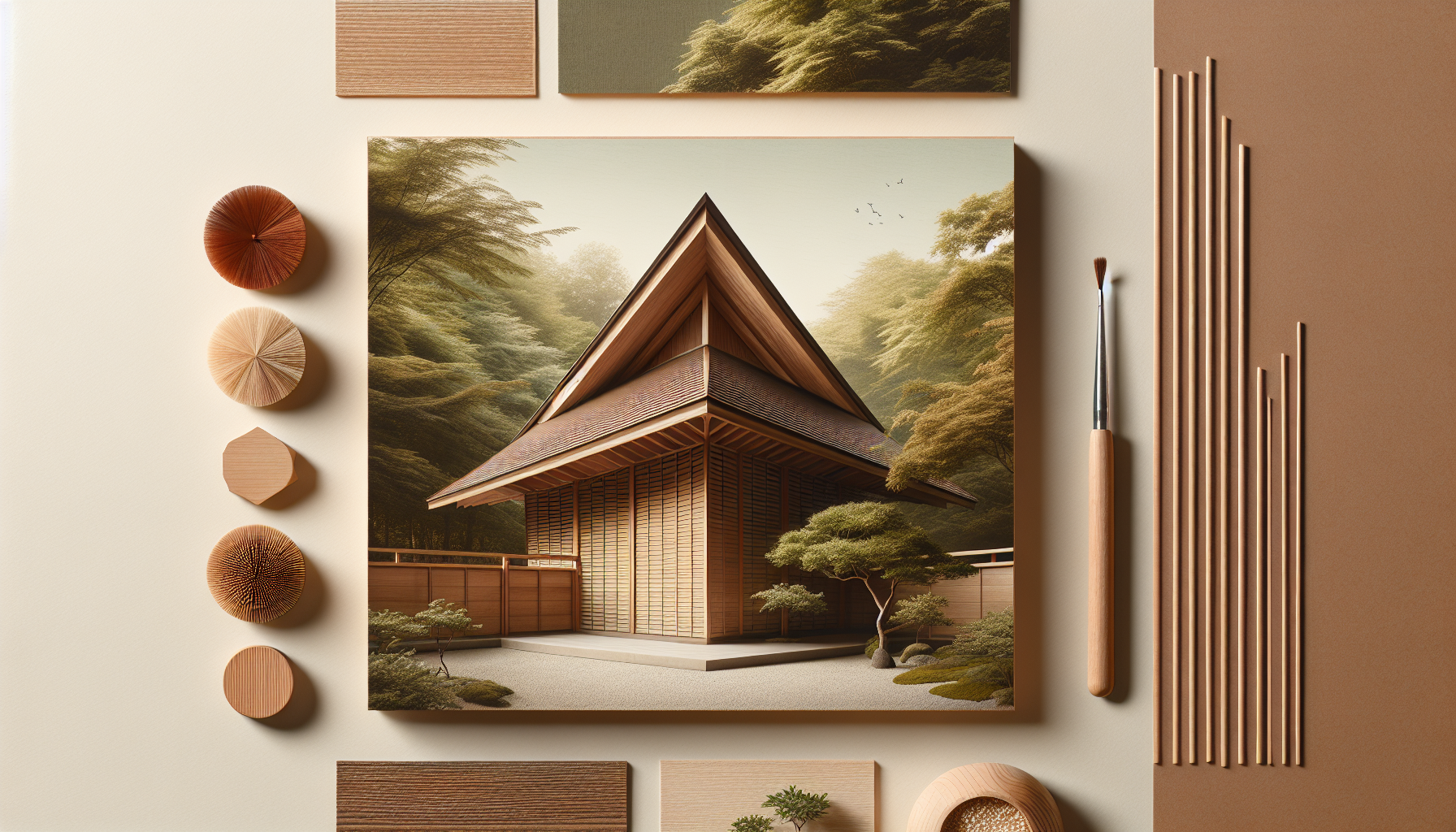
What rooflines suit Japandi architecture best? If you’re considering a home design that balances modern minimalism with traditional warmth, Japandi architecture may have caught your eye. This fusion of Japanese and Scandinavian aesthetics emphasizes simplicity, natural materials, and functional beauty. One essential aspect of this architectural style is its roofline, which can significantly influence both the visual appeal and functionality of your space.
Understanding Japandi Architecture
At its core, Japandi is all about harmony. It marries the sleek lines and functional design prevalent in Scandinavian homes with the serene aesthetics of Japanese design. This blend promotes a tranquil living space filled with natural light and earthy tones.
Characteristics of Japandi Architecture
To grasp how rooflines fit into Japandi architecture, it’s essential to recognize its defining features:
-
Natural Materials: You will often see wood, stone, and natural textiles, which contribute to a warm atmosphere.
-
Minimalism: This style thrives on simplicity. Each piece of furniture or decor serves a purpose without excessive clutter.
-
Functional Harmony: Designs don’t just look good—they work well, providing practical spaces that enhance your life.
Importance of Rooflines
Rooflines may seem like a minor detail, but they play a crucial role in the overall architectural design. The roofline significantly influences the character of your home, affecting both its appearance and functionality.
Optimal Rooflines for Japandi Architecture
Now that you have a grasp of Japandi architecture’s essence, let’s dive into what rooflines work best to complement this style.
Simple Gable Roofs
One of the most common roofing styles is the gable roof.
-
Features: It consists of two sloping sides that form a triangular shape.
-
Benefits: This simplicity aligns perfectly with the Japandi ethos, offering a clean, uncluttered aesthetic.
-
Why It Works: The steep pitch of the gable roof allows for effective water drainage, making it practical in various climates. You will also notice that it often creates ample attic space—ideal for extra living space or storage.
| Feature | Description |
|---|---|
| Design Style | Simple and functional |
| Aesthetic | Clean lines, minimalist look |
| Functionality | Good water drainage, extra space |
Shed Roofs
Shed roofs are another excellent option for Japandi architecture.
-
Features: A shed roof consists of a single-slope surface, often creating a more modern look.
-
Benefits: It enhances the building’s height and allows for expansive windows to let in more natural light.
-
Why It Works: With raised sidewalls and a gentle slope, shed roofs help to create a spacious interior while maintaining a minimalistic exterior. This roof style harmonizes with other elements of Japandi design by drawing the eye upwards.
| Feature | Description |
|---|---|
| Design Style | Modern and airy |
| Aesthetic | Sleek and unadorned |
| Functionality | Maximizes natural light |
Flat Roofs
Flat roofs might seem unconventional, but they have their place in Japandi architecture.
-
Features: These roofs are level and have a minimal pitch.
-
Benefits: The simplicity of flat roofs allows for easy landscaping and outdoor living spaces.
-
Why It Works: By embracing this roof style, you create seamless transitions between indoor and outdoor areas. This feature is vital for enjoying nature, a central theme in Japandi architecture.
| Feature | Description |
|---|---|
| Design Style | Clean, uninterrupted lines |
| Aesthetic | Contemporary yet simple |
| Functionality | Opportunities for green spaces |
Hip Roofs
Hip roofs present a unique option for those drawn to traditional designs.
-
Features: A hip roof slopes down on all four sides, creating a more enclosed feel.
-
Benefits: They provide a more complex silhouette while ensuring durability against harsh weather.
-
Why It Works: The balance and symmetry of hip roofs align beautifully with the harmonious aesthetics of Japandi design, offering both visual appeal and architectural stability.
| Feature | Description |
|---|---|
| Design Style | Balanced and traditional |
| Aesthetic | Warm and welcoming |
| Functionality | Sturdy and weather-resistant |
Factors to Consider for Your Roofline Choice
After reviewing the options, it’s essential to consider several factors when settling on a roofline for your Japandi-inspired home.
Climate
The environment in which you reside greatly influences your choice of roofline.
-
Snowy Regions: In areas where heavy snow is common, a steep gable or hip roof might be ideal due to their ability to shed snow.
-
Rainy Climates: Flat roofs might work well in drier areas but consider a gable roof to ensure effective drainage in wetter environments.
Functionality
Think about how you plan to use your home.
-
Attic Space: If you desire additional living space or storage, consider a gable roof that allows for a functional attic.
-
Outdoor Areas: If you envision rooftop gardens or terraces, flat roofs may be your best option.
Aesthetic Appeal
The look of your home matters, and each roofline provides a different aesthetic.
- Modern vs. Traditional: Decide whether sleek and modern or warm and traditional appeals more to you. Your chosen roofline should align with your overall design philosophy.
Budget Considerations
Rooflines can vary in cost due to their complexity and the materials used.
-
Affordability: Simple designs usually require less material and labor, making them more budget-friendly.
-
Investment: On the other hand, investing in a more complex structure may yield more significant long-term benefits in energy efficiency or added living space.
The Role of Materials in Rooflines
The materials you choose for your roofline can enhance its aesthetic and functional qualities.
Wood
Welcoming warm, earthy tones, wood can be an excellent choice for various roof styles.
-
Benefits: It contributes to the natural feel and can be stained or treated to fit your design vision.
-
Considerations: Keep in mind the maintenance wood requires to prevent decay or rot.
Metal
Metal roofing offers durability and a modern edge.
-
Benefits: It is often energy-efficient and can be shaped into various designs.
-
Considerations: Be aware of the noise during rain and the potential for heat retention, requiring adequate insulation.
Slate or Tile
These materials offer classic beauty and longevity.
-
Benefits: Slate or tile roofs can enhance the traditional aspect of your design while providing excellent insulation.
-
Considerations: They are typically heavier and more expensive, so ensure your structure can support the weight.
Combining Rooflines with Other Architectural Features
The roofline isn’t an isolated decision; it should work cohesively with other architectural details.
Windows
Large windows and sliding glass doors can help maintain natural light while showcasing your roofline.
- Design Tip: Position your windows strategically to complement the roof’s slope and enhance the overall aesthetic.
Eaves
Adding generous eaves to your roof can provide shade and protect your walls from water damage.
- Design Tip: Wide, overhanging eaves are common in Japandi homes, reinforcing the architectural style while enhancing functionality.
Outdoor Spaces
Creating outdoor living spaces like decks or patios can be significantly influenced by your roofline.
- Design Tip: Ensure that your roof design provides shelter and a visual connection to the surrounding landscape.
Landscaping
Your landscaping should harmonize with your architecture.
- Design Tip: Using tree placements or shrubs can frame your roofline beautifully and emphasize the natural aspects of Japandi style.
Conclusion
Choosing the optimal roofline for Japandi architecture is more than just picking a design—it’s about creating a harmonious blend between form and function. By understanding the various roof styles, considering climate and materials, and thinking about how they integrate with other architectural elements, you can craft a serene, beautiful living space that embodies the principles of Japandi design.
With careful selection and planning, your home can reflect the tranquility, warmth, and functional beauty that this architectural style promises. Whichever roofline you choose, remember that it’s all about balance, functionality, and design that speaks to you personally. Enjoy your journey in creating a space that complements the best of both worlds in a chic and timeless manner!