
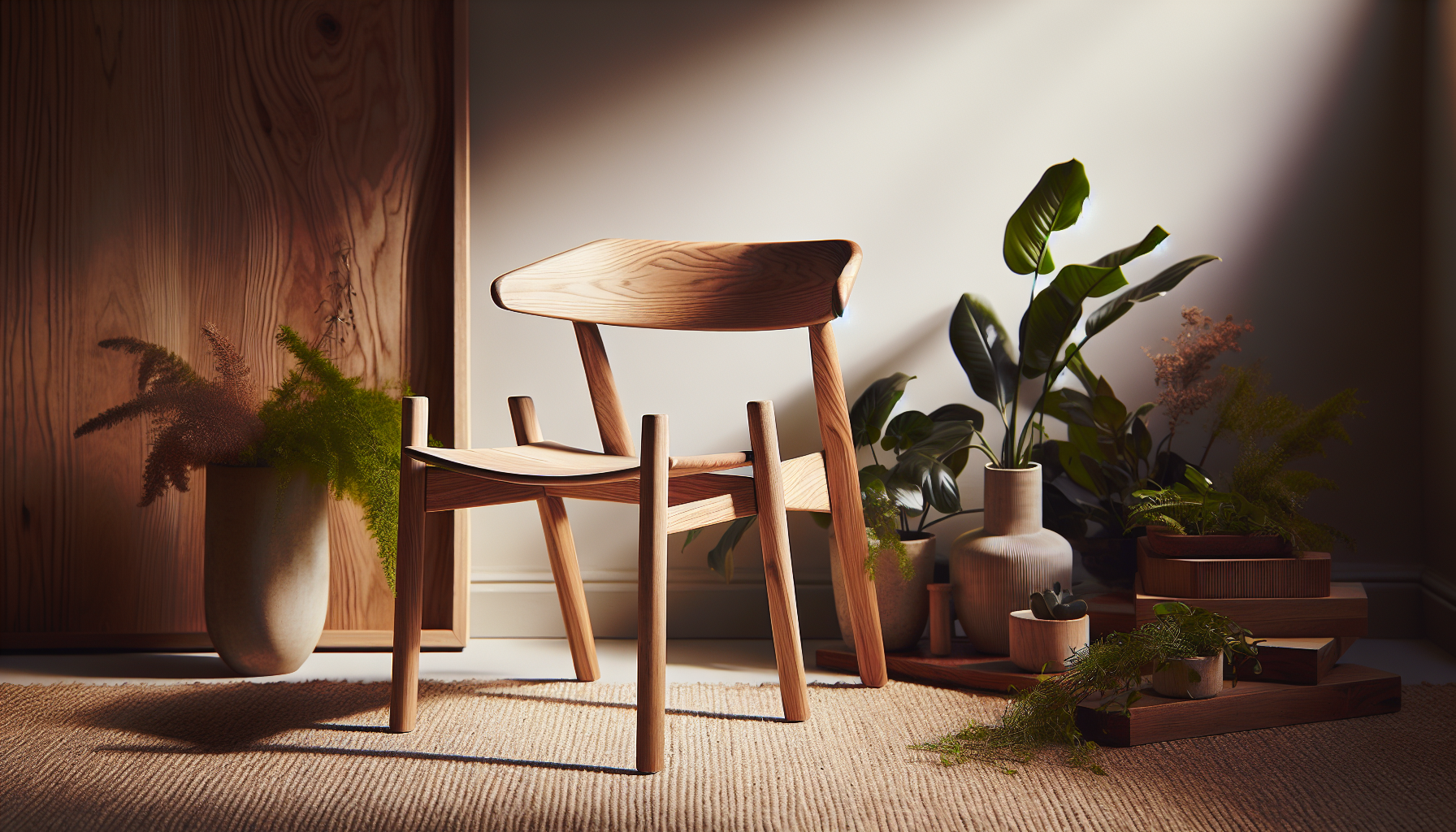
What if the feel of your home could reflect the beauty of nature while still being cozy and functional? That’s the magic of Japandi interiors, where minimalism meets warmth, often infused with local materials.
Understanding Japandi Style
Japandi combines Japanese minimalism and Scandinavian functionality, creating an aesthetic that feels serene and inviting. Think about clean lines, natural materials, and a soft, neutral palette. By using local materials, you not only embrace the essence of Japandi but also contribute to sustainability.
The Key Elements of Japandi Design
When you think about Japandi interiors, a few key features come to mind.
-
Minimalism: You won’t find clutter in a Japandi home. Everything has its purpose, and spaces are kept open to encourage a sense of calm.
-
Natural Materials: Wood, stone, and clay are often used to create a connection with nature.
-
Neutral Color Palette: Soft tones like beige, grey, and pastels help foster tranquility.
-
Functional Furniture: Each piece serves a purpose and is designed for comfort.
-
Cultural Fusion: Japandi incorporates the elegance of Japanese decor with the coziness of Scandinavian styling.
Imagine transforming your home into a serene oasis that feels both modern and timeless.
The Importance of Local Materials
Using local materials in your Japandi interiors is a beautiful way to support your community and ensure sustainability.
Why Choose Local?
-
Sustainability: By sourcing materials nearby, you reduce transportation emissions.
-
Cultural Significance: Local materials often carry the essence of your community’s heritage.
-
Unique Aesthetic: Incorporating locally sourced items gives your space a distinctive character that mass-produced objects simply won’t match.
-
Support Local Economy: Purchasing from local artisans and businesses helps your community thrive.
This challenges you to think creatively about how you can integrate what’s around you into your home while embodying the principles of Japandi design.
Sourcing Local Materials
Finding locally sourced materials can be exciting and fun. You might discover hidden gems in your own neighborhood!
Materials to Consider
| Material | Description | Local Sourcing |
|---|---|---|
| Wood | Opt for varieties native to your area; think about oak or pine, which add warmth. | Local lumber yards or craft fairs |
| Stone | Natural stone adds elegance; consider using it for countertops or flooring. | Local quarries or stone suppliers |
| Clay | Great for pottery or bricks that can add texture and color. | Ceramics artists or local clay deposits |
| Textiles | Natural fibers like linen or cotton can be wonderful for upholstery. | Farmers’ markets or textile mills |
| Bamboo | If available, bamboo is sustainable and adds a unique flair to furniture. | Local craft shops or sustainable farms |
Identifying the right materials can set the stage for your design choices while maintaining that cozy, inviting feel characteristic of Japandi interiors.
Choosing the Right Color Palette
Color plays a huge role in creating atmosphere. In Japandi interiors, think neutral, soft hues.
Recommended Color Combinations
- Warm Neutrals: Cream, beige, and taupe can give a soft base to your decor.
- Earthy Tones: Greens, browns, and soft blues can reflect the outside world.
- Accent Colors: Use muted versions of brighter colors like deep blue or terracotta for pops of interest.
Choosing your colors intentionally creates a soothing environment, helping to achieve the Japandi ambiance you desire.
Furniture Essentials in Japandi Design
Now that you have a foundation with materials and colors, let’s talk about furniture. The right pieces are essential for a successful Japandi interior.
Selecting Functional and Aesthetic Furniture
- Low-profile Sofas: These create an illusion of more room and invite relaxation.
- Natural Wood Tables: A sturdy wooden table adds warmth; consider reclaimed wood for that sustainability factor.
- Multi-functional Pieces: You might find side tables that also serve as storage; think about how each item can serve dual purposes.
- Simple Chairs: Choose designs that are stylish yet comfortable, perhaps in natural textiles.
You’ll find that incorporating these elements will enhance the serene vibe that Japandi interiors embody.
Integrating Decor and Accessories
Once you have your foundational pieces, it’s time to think about the little things that make your home uniquely yours.
Accessorizing Tips for Japandi Style
-
Natural Textiles: Opt for wool, linen, or cotton throws and cushions that feel inviting.
-
Minimalist Artwork: Consider local artists’ work that reflects nature or your community.
-
Plants: Incorporating greenery can breathe life into your space, adding both color and a sense of calm.
-
Handcrafted Items: Look for pottery or ceramics created by local artisans; they can bring character and texture.
-
Lighting: Soft lighting from natural materials (like wood or bamboo) can enhance warmth.
You have the power to curate your space by adding little personal touches. Each of these items should reflect your style and values, combining beauty and functionality seamlessly.
The Role of Space Planning
An integral part of Japandi design is thoughtful space planning.
How to Maximize Your Space
-
Open Layout: If possible, remove unnecessary barriers to foster flow within your space.
-
Proportionate Furniture: Choose pieces that fit the scale of your rooms to avoid overcrowding.
-
Zoning: Use furniture to create distinct areas for activity, like a reading corner or a workspace.
-
Vertical Space: Don’t ignore the walls! Floating shelves can display decor while maximizing floor space.
Your home should feel balanced and cohesive, where each area serves its purpose and is easy to navigate.
Bringing Nature Inside
One of the principles of Japandi design is connecting your indoors with the great outdoors.
Tips for a Natural Connection
-
Natural Light: Maximize windows and consider sheer curtains to let the light pour in.
-
Indoor Plants: Opt for low-maintenance plants that purify the air and create a warmer atmosphere.
-
Natural Views: Arrange your furniture to take advantage of picturesque views, drawing the eye outside.
-
Materials from Nature: Incorporate stone, wood, and other natural elements to enhance this connection further.
By focusing on these aspects, your space will not only look good but feel good too, bringing tranquility and happiness to your daily life.
Japandi and Sustainable Living
You may be wondering how you can further embrace sustainability within this design style.
Tips for Sustainable Japandi Interiors
-
Upcycled Furniture: Repurposing old furniture can add character and reduce waste.
-
Eco-friendly Materials: Prioritize organic textiles and sustainably harvested wood.
-
Energy Efficiency: Consider energy-efficient lighting and heating options to embrace a more sustainable lifestyle.
-
Conscious Sourcing: Carefully choose where you buy your furnishings, opting for local artisans whenever possible.
By implementing these sustainable practices, you can create a home that is not only beautiful but also kind to the planet.
Final Thoughts on Creating a Japandi Home
Now that you know the essentials of Japandi interiors, you can begin to dream about creating your serene sanctuary.
Put Your Vision to Work
-
Plan Your Space: Start by sketching your ideal layout, thinking about how each area flows into the next.
-
Create a Mood Board: Collect color swatches, images, and materials that reflect your vision for the space.
-
Take It Slow: Remember that creating your ideal Japandi space doesn’t need to happen overnight. Allow yourself the grace to collect the right pieces over time.
-
Personal Touch: Don’t forget to add your personality to your design. Whether that’s through art, personal items or cherished souvenirs, these touches will make your home uniquely yours.
Creating a Japandi-inspired space using local materials encourages sustainability, supports your community, and most importantly, brings warmth and functionality into your home. You have all the tools you need to embark on this creative journey—so what are you waiting for? Start planning, and let your home reflect the serenity and beauty around you.