
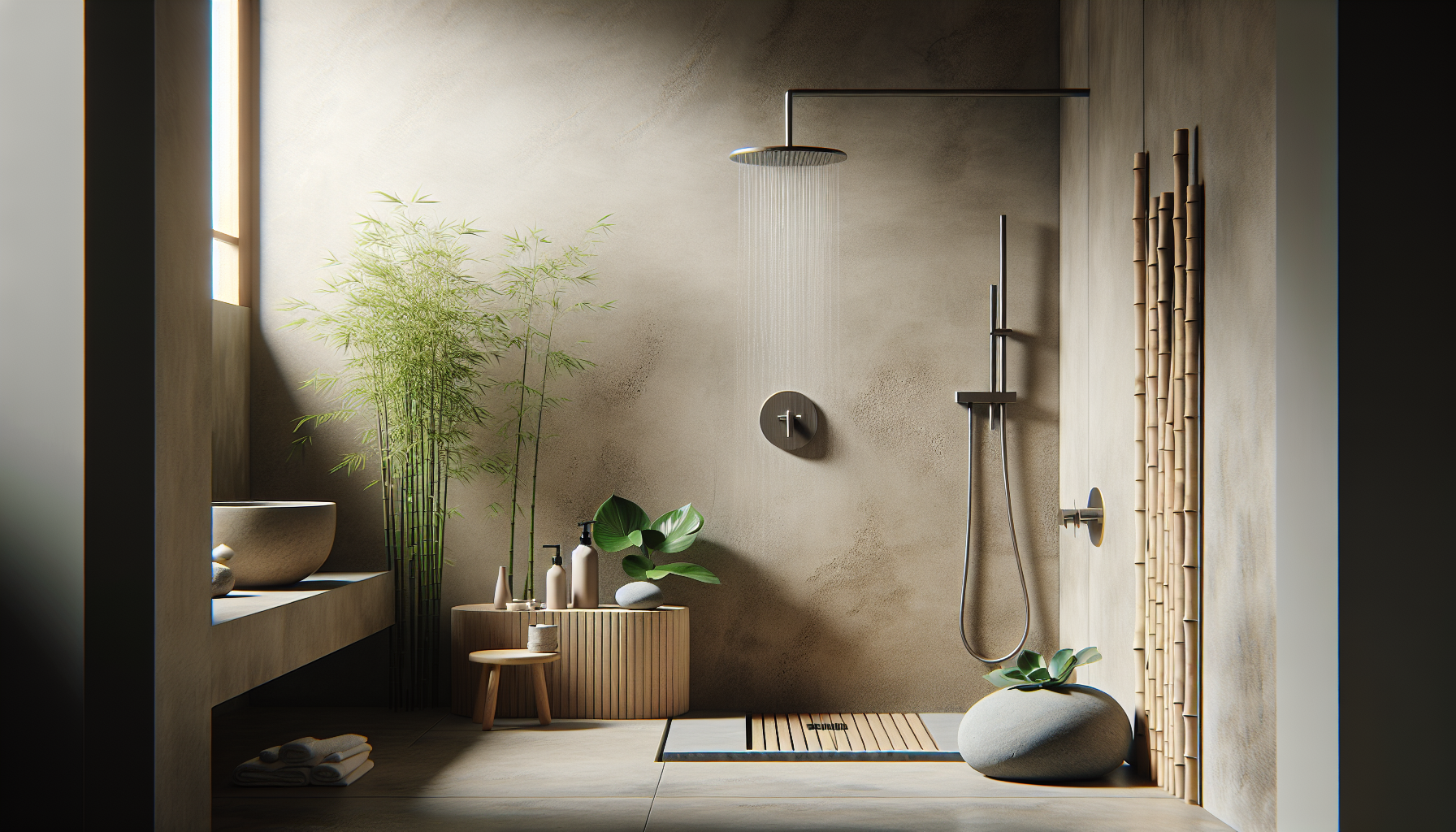
Have you ever considered how your home decor choices can impact the world around you? The way you design your living spaces might not seem like it would influence environmental issues, but certain styles, like Japandi design, can subtly promote water conservation and sustainability in your daily life. Let’s take a closer look at how adopting this unique design aesthetic can not only enhance the beauty of your home but also inspire eco-friendly habits.
Understanding Japandi Design
Japandi design is a harmonious blend of Japanese and Scandinavian design principles. This style emphasizes minimalism, functionality, and natural materials, creating a serene and clutter-free environment. Its origins lie in the pursuit of simplicity and efficiency, making it perfectly aligned with sustainable living practices.
Key Characteristics of Japandi Design
- Minimalism: Japandi design focuses on fewer, well-chosen pieces of furniture, which reduces the need for excess materials and consumption.
- Natural Materials: Wood, bamboo, and stone are frequently used, promoting sustainability as these materials are often renewable and require less energy in their production.
- Neutral Color Palette: The muted tones associated with Japandi promote a calm atmosphere and can reduce the need for artificial lighting.
- Functional Spaces: Each element in a Japandi-inspired home serves a purpose, encouraging you to value quality over quantity.
By adopting this style, you not only create a peaceful living space but also lay the groundwork for water conservation practices.
The Connection Between Design and Water Conservation
You might be wondering how your design choices could influence water usage. The concept of water conservation extends beyond just saving water in the garden or during your shower. It can also relate to how you design your interior spaces and the products you choose. When you incorporate water-conscious decisions into your Japandi design, you’re taking important steps towards sustainability.
Efficient Fixtures and Appliances
A central tenet of Japandi design is choosing high-quality, functional products. By investing in water-saving fixtures and appliances, you can create a home that is not only beautiful but also conscientious about water use.
| Fixture/Appliance | Water-Saving Feature |
|---|---|
| Low-Flow Showerheads | Reduces water usage without sacrificing pressure |
| Dual-Flush Toilets | Offers two options for flushing, conserving water when possible |
| Efficient Appliances | Dishwashers and washing machines designed to use less water per load |
By selecting these water-efficient items, you embody the Japandi spirit of functionality while promoting conservation.
Creating a Sustainable Landscape
Landscape design is an essential component of a home’s overall aesthetic. When you apply Japandi principles to your outdoor spaces, you can create a stunning environment that also conserves water.
Principles of Sustainable Landscaping
- Native Plants: Choose species that naturally thrive in your region. They require less water and maintenance, reducing your overall consumption.
- Xeriscaping: This method involves designing gardens that require minimal irrigation. By strategically placing drought-resistant plants, you can create a lush look while conserving water.
- Rain Gardens: These beautiful additions capture runoff and allow it to filter back into the groundwater, reducing the need for irrigation.
By aligning your landscaping choices with the minimalist aesthetic of Japandi, you enhance your property’s beauty while supporting water conservation efforts.
Sustainable Materials for Outdoor Spaces
Incorporating sustainable materials into your landscaping can further promote water conservation. Here are a few recommended materials that fit well with the Japandi aesthetic:
| Material | Benefits |
|---|---|
| Recycled Wood | Durable and eco-friendly for decks, fences, and furniture |
| Stone and Gravel | Great for pathways and landscaping, allowing for natural drainage |
| Natural Fibers | Use for outdoor furniture that is inviting and sustainable |
Incorporating these materials not only aligns with the Japandi style but also ensures that your landscape supports water conservation.
Water-Conserving Toilets and Faucets
In any home, bathrooms are significant water usage areas. You can save considerable amounts of water simply by upgrading your fixtures to more efficient models, in line with Japandi in both aesthetics and purpose.
Choosing the Right Fixtures
Selecting plumbing fixtures that reflect the simple and elegant lines characteristic of Japandi is essential. You’ll want to look for products that not only conserve water but also blend seamlessly into your design.
- Low-Flow Toilets: These toilets utilize about 1.28 gallons per flush, significantly less than traditional models.
- Water-Saving Faucets: Options that limit flow rate to 1.5 gallons per minute or lower are excellent choices.
- Sensor-Activated Faucets: These can help reduce waste by only running water when you need it.
By integrating these features, you can promote a conscious approach to water use while maintaining the design integrity you desire.
Embracing Indoor Plants
Houseplants can play a vital role in your Japandi-inspired home, not only enhancing the aesthetic but also promoting better water management practices.
Benefits of Indoor Plants
- Air Purification: Many indoor plants filter toxins from the air, fostering a healthier living space.
- Humidity Regulation: As plants release water vapor through transpiration, they help maintain a comfortable humidity level, reducing the need for air conditioning.
Water-Saving Plant Choices
When choosing plants, consider their water needs. Selecting varieties that require less frequent watering aligns perfectly with the Japandi ethos.
| Plant | Water Requirement | Aesthetic Contribution |
|---|---|---|
| Snake Plant | Low | Unique architectural form |
| ZZ Plant | Low | Glossy leaves add shine |
| Pothos | Moderate | Trailing vines create warmth |
With thoughtful selection, you can create a lush environment without excessive water consumption.
Smart Irrigation Systems
If your home includes outdoor gardens or landscaping, smart irrigation systems can significantly contribute to your water-saving goals while dovetailing with Japandi design principles.
Features of Smart Irrigation Systems
- Automated Timers: Allow for optimal watering schedules, reducing waste compared to manual systems.
- Soil Sensors: These devices monitor moisture levels, ensuring that you’re watering only when necessary.
- Weather Adjustments: Many systems come with features that adjust based on weather conditions, preventing overwatering.
By choosing a smart irrigation system, you can keep your outdoor areas flourishing while minimizing water usage—a true reflection of Japandi’s functional beauty.
Reducing Water Use in the Kitchen
The kitchen is often a hub of activity, but it can also be a high-consumption area. You can modify your practices to limit water waste without sacrificing functionality or style.
Practical Tips for Water Conservation in the Kitchen
- Use a Bowl for Washing Fruits and Vegetables: Instead of running water continuously, try filling a bowl to wash produce.
- Efficient Dish Rinsing: Use a two-basin sink. Soak dirty dishes in one side and rinse in the other to save water.
- Limit Water Wastage When Cooking: Only use the amount of water you need for boiling or steaming, and opt for steaming to preserve nutrients and reduce water use.
By implementing these practices, you can foster a management style that embodies the Japandi ethos while contributing to a sustainable lifestyle.
Reusing Water
One effective way to conserve water is through reusing it where practical. In a Japandi-inspired home, this concept aligns with the simplistic and purposeful nature of the design.
Strategies for Reuse
- Greywater Systems: Collect water from sinks and showers for reuse in gardening. These systems can be designed to fit seamlessly within your home’s aesthetic.
- Collecting Rainwater: Install rain barrels to collect runoff from your roof and use it for irrigation. This method is not only sustainable but can also add architectural interest.
- Repurpose Water: If you have surplus water from boiling pasta or steamed vegetables, let it cool and use it to water plants.
By innovatively reusing water, you can limit your consumption while aligning with the sustainable principles of Japandi design.
Educating Others About Water Conservation
A beautiful aspect of adopting a lifestyle centered around sustainable practices is the opportunity to inspire those around you. You can make a difference by sharing your knowledge of water conservation through your Japandi design.
Ways to Share
- Host Workshops or Informal Gatherings: Share your journey towards a more sustainable home, discussing both design elements and water-saving practices.
- Social Media: Use platforms to showcase your home decor choices and the methods you employ to conserve water.
- Community Involvement: Organize or participate in local initiatives focused on water conservation, gardening, or sustainable living.
Each of these options empowers you to contribute positively to your community while spreading awareness about the critical importance of conserving water.
Conclusion
Your home’s design can be an influential part of a broader strategy for promoting water conservation. Embracing Japandi design allows you to create beautiful, functional spaces that not only enhance your daily life but also contribute to a sustainable future. By making mindful choices in your materials, fixtures, and practices, you can encourage a lifestyle that values both aesthetics and environmental consciousness.
By letting the principles of Japandi design inspire your approach to water conservation, you are taking significant steps toward reducing your environmental footprint. So, as you consider your design choices, remember that every little decision can contribute to a lasting impact on our planet.