
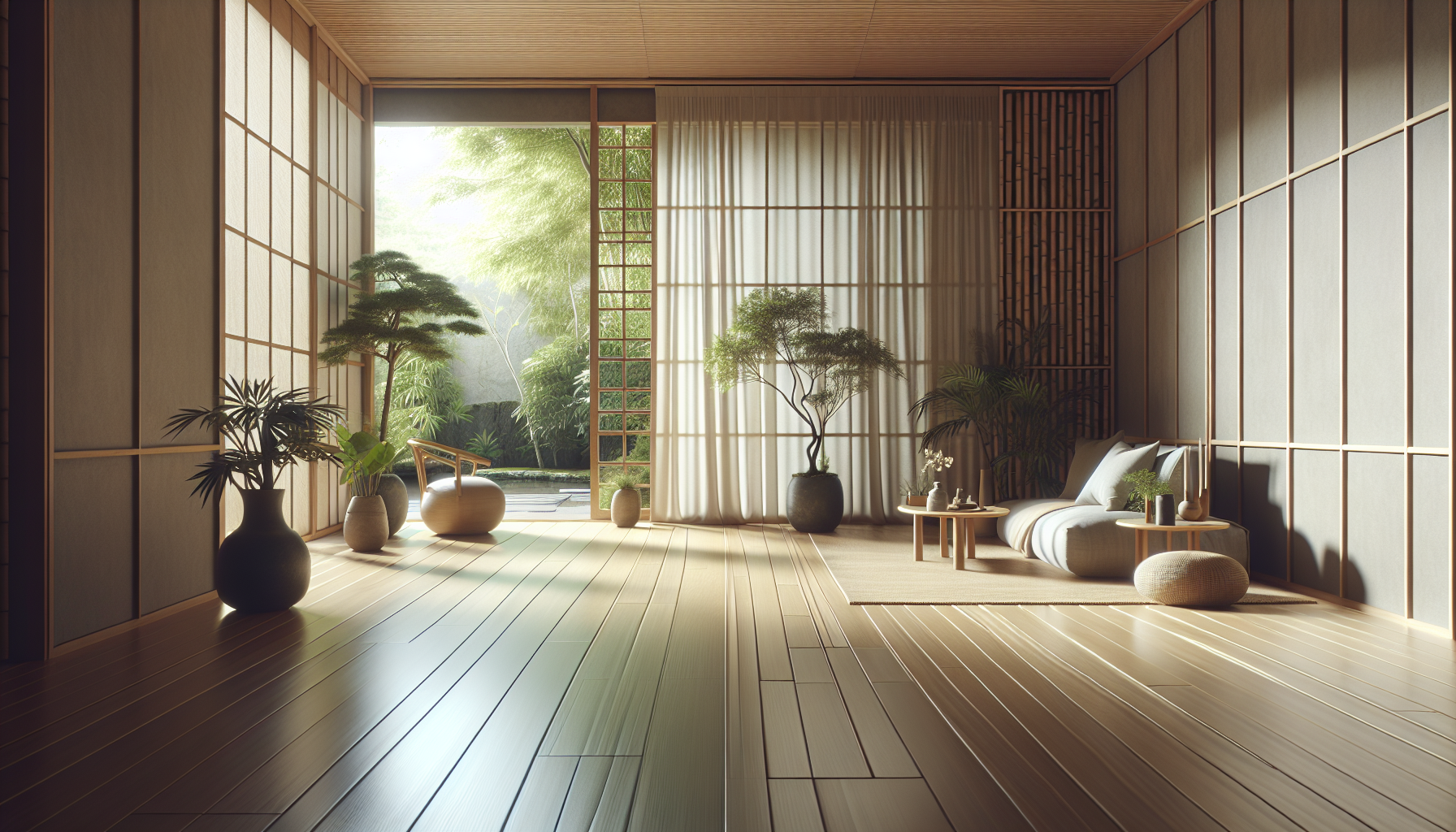
What if you could transform your living space into an eco-friendly haven while also embracing a minimalist aesthetic? Today, let’s talk about Japandi flooring choices that not only enhance the beauty of your home but also align with sustainable practices.
Understanding Japandi Style
Japandi combines the rustic charm of Japanese design with the sleekness of Scandinavian aesthetics. You’ll find clean lines, neutral colors, and natural materials as key components. This harmonious blend aims to foster serenity and simplicity in your living space, making every element count—including your flooring choices.
The Importance of Eco-Conscious Flooring
When you consider flooring, you may not immediately think about its environmental impact. However, traditional flooring materials can have significant ecological footprints. Choosing eco-conscious options not only supports sustainability but also contributes to healthier indoor air quality and overall well-being.
Key Features of Eco-Conscious Flooring
Before diving into specific flooring options, it’s essential to understand what makes a flooring choice eco-conscious. Here are some critical features to keep in mind:
Renewable Materials
Materials that regenerate quickly or can be easily replenished are fundamental to sustainable flooring options. Bamboo and cork are prime examples; they grow faster than traditional hardwood and can be harvested without damaging the ecosystem.
Low VOC Emissions
Volatile Organic Compounds (VOCs) are chemicals that can evaporate and harm indoor air quality. Eco-friendly flooring often has low or no VOCs, making your space healthier for you and your family.
Durability and Longevity
It’s not just about what the material is made from; durability also plays a role in eco-conscious flooring. A long-lasting floor reduces the need for replacements, thus minimizing waste and resource consumption.
Recyclability
Consider how easily flooring can be recycled at the end of its life. Sustainable materials often come with better recycling options, ensuring that your flooring won’t end up in a landfill.
Eco-Conscious Flooring Choices for Your Japandi Space
Now that you have a grasp of what makes flooring eco-conscious, let’s take a closer look at some materials that fit beautifully with the Japandi design ethos.
Bamboo Flooring
Bamboo flooring is a top contender for eco-conscious choices.
Benefits of Bamboo
- Sustainability: Bamboo is a grass that can grow up to three feet in a day and can be harvested every three to five years without harming the plant.
- Durability: It offers significant hardness, making it highly resistant to scratches and dents.
- Style: With a light, airy look, bamboo complements the minimalist theme of Japandi design.
Considerations
When selecting bamboo flooring, opt for products that are certified by organizations like the Forest Stewardship Council (FSC) to ensure sustainable sourcing.
Cork Flooring
Cork flooring is derived from the bark of cork oak trees—an incredibly eco-friendly option.
Benefits of Cork
- Eco-Friendly Harvesting: Cork can be harvested without cutting down the tree, allowing the ecosystem to thrive.
- Insulating Properties: This material has excellent sound and thermal insulation qualities, making your space cozy and quiet.
- Natural Look: With its warm tones and unique textures, cork flooring fits seamlessly into a Japandi aesthetic.
Considerations
While cork is durable, it can be susceptible to moisture. Ensure your installation is done correctly and is sealed for longevity.
Reclaimed Wood Flooring
Using reclaimed wood ties in wonderfully with both eco-friendliness and the rustic elements of the Japandi style.
Benefits of Reclaimed Wood
- Sustainable Sourcing: This type of wood reduces the demand for new lumber, cutting down on deforestation and energy use associated with timber production.
- Unique Character: Each piece has a story, providing a distinct, warm look that adds character to your home.
- Versatility: Reclaimed wood can work well with various design themes while offering a beautifully aged appearance.
Considerations
It’s crucial to ensure that reclaimed wood is treated and free from harmful substances that could affect indoor air quality.
Linoleum Flooring
Linoleum is another fantastic option that many overlook.
Benefits of Linoleum
- Natural Materials: Made from linseed oil, cork dust, and wood flour, linoleum is biodegradable and made from renewable resources.
- Low Maintenance: It’s resistant to wear and tear and doesn’t require toxic cleaning products, which can affect air quality.
- Variety of Styles: Linoleum comes in various colors and patterns, allowing you to achieve that minimalist design without sacrificing aesthetics.
Considerations
While linoleum is durable, proper sealing is crucial for longevity and resistance to moisture.
What to Look For When Choosing Flooring
When selecting floor options for your eco-conscious Japandi home, keep these aspects in mind:
Certification
Always look for certifications that guarantee eco-friendliness. Certifications such as FSC, GreenGuard, and Cradle to Cradle can guide your decision-making process.
Maintenance
Consider how much effort and resources you’re willing to invest in maintaining your flooring. Eco-friendly options often require less maintenance over time, making them more sustainable in the long run.
Installation
Some eco-conscious materials may require a professional installation, especially if they need specific conditions to thrive in your environment. Factor this into your budget and timeline.
Cost
While eco-friendly options might have a higher upfront cost, consider the long-term savings in maintenance and environmental impact. It’s often worth the investment.
Enhancing Your Japandi Space with Eco-Conscious Flooring
Choosing the right flooring is just one step in creating an eco-conscious and stylish Japandi-inspired space. Beyond flooring, consider elements that can enhance the overall atmosphere of your home.
Complementary Design Elements
Pair your sustainable flooring with other eco-friendly materials, such as natural fiber rugs, organic cotton textiles, and recycled metal or glass accents.
Natural Lighting
Maximizing natural light can enhance the aesthetic of Japandi design and reduce the need for artificial lighting. Consider large windows or skylights to brighten your space.
Green Plants
Bringing plants indoors is not only visually pleasing but also improves indoor air quality. Consider incorporating indoor greenery to complement the natural feel of your flooring.
Flooring Care Tips for Longevity
Maintaining your eco-conscious flooring can extend its life and reduce the need for replacement. Here are some helpful tips:
Regular Cleaning
Dust and debris can cause scratches and wear over time. A simple routine of sweeping and occasional damp mopping can keep your floors looking their best.
Avoid Harsh Chemicals
Stick to eco-friendly cleaning products to maintain a healthy environment. Harsh chemicals can not only damage your flooring but also release harmful VOCs into your home.
Use Mats and Rugs
Utilize mats at entryways to capture dirt and debris from shoes. This can significantly reduce wear on your flooring.
Mind the Sun
While natural light is wonderful, too much direct sunlight can fade certain types of flooring. Consider using window treatments that filter light without obstructing it completely.
Conclusion: The Path to an Eco-Friendly Japandi Home
Creating a peaceful and eco-conscious living space goes beyond aesthetics; it’s about making thoughtful choices that benefit both you and the planet. By choosing sustainable flooring options that align with the Japandi style, you’re investing in a healthier home and contributing to global environmental efforts.
As you embark on this journey, remember that each decision—big or small—adds up to a more sustainable lifestyle. Whether you choose bamboo, cork, reclaimed wood, or linoleum, you’re on the right track to creating a serene, stylish, and eco-friendly living space. Happy designing!