
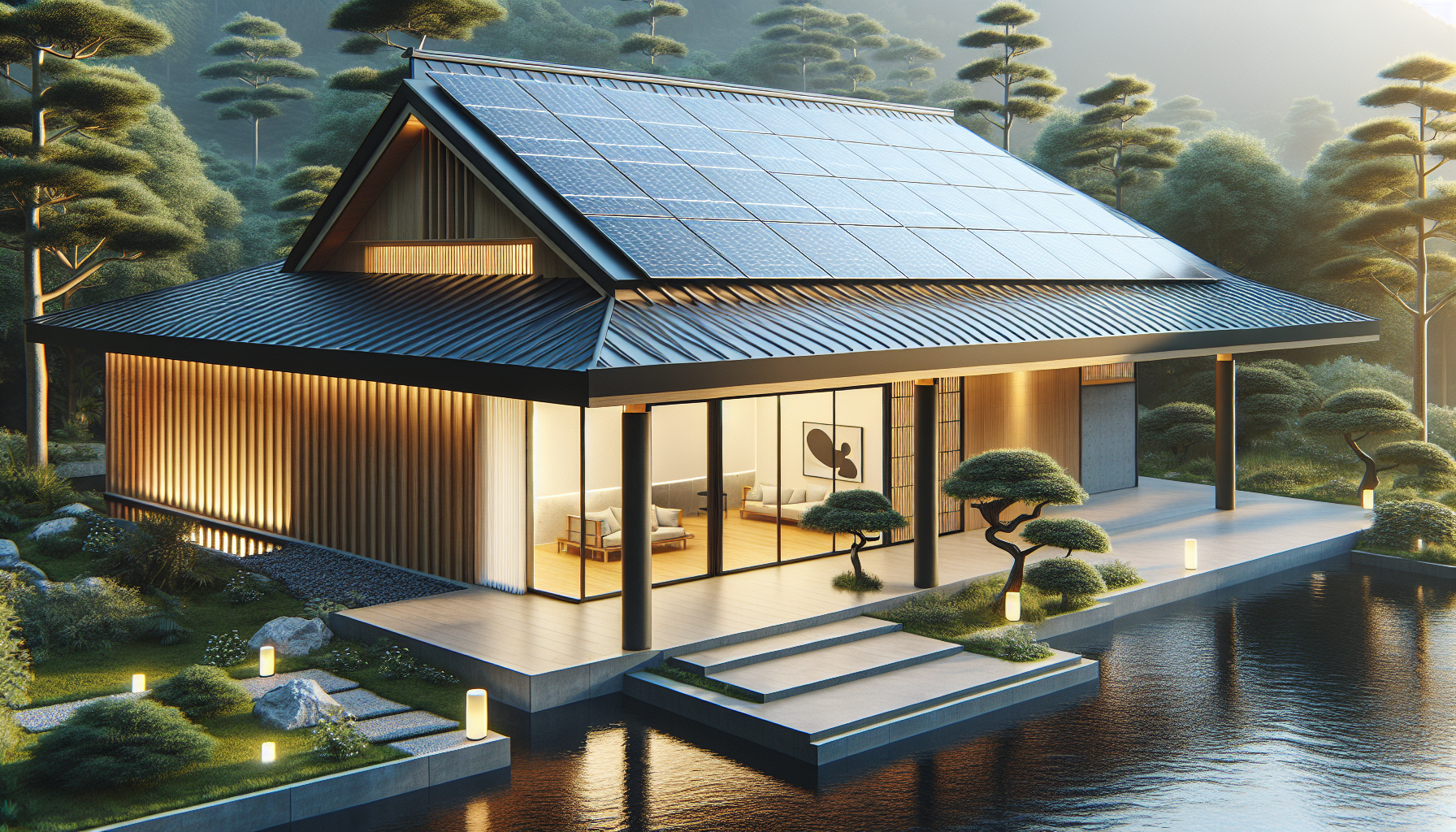
Have you ever wondered how solar design can harmonize with the clean lines and simplicity of Japandi architecture? It’s an intriguing idea that blends sustainability with aesthetic appeal, creating spaces that are not only beautiful but also environmentally conscious.
Understanding Japandi Architecture
Japandi architecture merges two design philosophies: Japanese minimalism and Scandinavian coziness. This hybrid style emphasizes functionality, simplicity, and natural materials. The beauty of Japandi lies in its ability to create serene and harmonious environments.
Key Characteristics of Japandi Design
- Simplicity: Japandi designs favor uncluttered spaces, removing excess and focusing on what truly matters.
- Natural Materials: Wood, stone, and paper are commonly used elements that bring warmth and texture.
- Neutral Colors: A muted palette with earth tones creates a calm, inviting atmosphere.
- Functional Furniture: Pieces are not only decorative but serve a practical purpose, often handcrafted.
- Indoor-Outdoor Connection: Large windows and sliding doors invite natural light and blur the boundaries between the indoors and the outdoors.
Understanding these characteristics can help you think about how integrating solar design can enhance the inherent beauty of Japandi style.
The Role of Solar Design
Solar design focuses on optimizing energy efficiency and harnessing the sun’s energy for heating, lighting, and power. This approach is crucial as it minimizes the carbon footprint of buildings and helps create sustainable environments.
Benefits of Solar Design
When you implement solar design in your architecture, you can enjoy numerous benefits:
- Energy Savings: Utilizing solar power can significantly reduce your energy bills.
- Sustainability: Designing with solar energy considerations promotes environmental responsibility.
- Increased Property Value: Homes with solar power systems often enjoy higher resale values.
- Tax Benefits and Incentives: Many regions offer financial incentives for solar power installations.
Integrating solar design within Japandi architecture can further enhance these benefits, adding functionality that meets modern energy needs while maintaining aesthetic values.
Synergy Between Solar Design and Japandi Architecture
You might be curious about how to make solar design complement the minimalist elegance of Japandi architecture. The two can coexist beautifully with some thoughtful considerations.
1. Incorporating Large Windows
Maximizing natural light is a fundamental aspect of both Japandi and solar design. Large windows not only allow ample sunlight to flood the space but also facilitate passive solar heating during colder months.
- Benefit: This reduces the need for artificial lighting and contributes to heating, which can lower energy costs.
2. Using Solar Panels Discreetly
When incorporating solar panels, choose designs that blend seamlessly with the roofline or the overall aesthetic of your home. Opting for solar shingles can maintain the sleek appearance of your Japandi home.
- Benefit: This integration ensures that the aesthetic appeal remains intact while benefiting from renewable energy.
3. Orientation and Layout
Positioning your home to take advantage of sunlight is crucial. When planning the layout, consider orienting living spaces towards the south or southwest to maximize solar gain.
- Benefit: This strategy not only enhances natural lighting but can also improve thermal efficiency and reduce heating demands.
Solar Design Elements That Suit Japandi Aesthetics
While focusing on efficiency, it’s important to choose solar design elements that align with the calming characteristics of Japandi architecture.
Solar Water Heating Systems
Incorporating a solar water heating system can contribute to energy savings without disrupting your home’s aesthetic. These systems can often be installed discreetly on rooftops.
Skylights for Natural Light
Integrating skylights into your design can help bring natural light into darker areas of your home, enhancing the feeling of openness that is characteristic of Japandi style.
- Benefit: Skylights provide natural illumination while also serving as an additional solar energy source.
Green Roofs
Consider a green roof that incorporates solar photovoltaic panels. This not only provides insulation and habitat for wildlife but also allows for energy generation without compromising the visual aspect of your home.
- Benefit: A green roof can blend naturally into the surrounding landscape, maintaining the organic feel of Japandi architecture.
Suggestions for Solar-Enhanced Japandi Interiors
After considering the architectural side, it’s vital to think about how solar design can influence your interior space.
1. Natural Lighting with Minimal Disruption
Utilizing solar-responsive shading can help control indoor temperature without blocking the natural light that complements a Japandi interior. Install shades that are simple in design and made from natural materials.
2. Eco-Friendly Furnishings
Choose furnishings made from sustainably sourced wood or recycled materials. This choice not only aligns with the principles of Japandi but also supports your commitment to sustainability.
3. Indoor Plants
Incorporate plants that thrive in natural sunlight. Not only do they purify the air, but they also add life to the minimalist aesthetic that defines Japandi.
4. Minimalist Decor
When it comes to decorations, opt for a few carefully selected pieces that reflect both function and aesthetic beauty. Choose art and decor that align with nature-inspired themes to tie your space together harmoniously.
Practical Steps for Integration
If you’re ready to embark on this exciting journey of integrating solar design with Japandi architecture, here are practical steps to follow.
Assess Your Space
Evaluate your current space to see how much natural light it receives. Identify areas that may benefit from additional sunlight and consider how those spaces can be optimized for energy efficiency.
Consult with Experts
Engaging an architect or designer who understands both Japandi aesthetics and solar technology can make a significant difference. They can provide tailored solutions that meet your needs while adhering to the principles of both designs.
Consider Passive Solar Techniques
Think about implementing passive solar techniques as you design your space. This could include thermal mass elements that retain heat or strategic window placement to enhance airflow.
Evaluate Local Solar Incentives
Research any local or federal incentives for solar installation. Many regions provide tax credits or rebates, which can make the investment in solar technology more affordable.
Challenges to Consider
While the integration of solar design and Japandi architecture is largely beneficial, it’s essential to be aware of potential challenges.
Initial Costs
The upfront costs for solar technology can be substantial. However, considering the long-term savings can help you justify the investment.
Aesthetic Concerns
Integrating technology into a minimalist design can pose aesthetic challenges. You must choose solutions that blend into your home’s design rather than distract from it.
Climate Considerations
Your local climate will impact how effective solar designs will be. It’s essential to analyze your specific location and how much sun exposure you typically receive.
Future Trends in Solar and Japandi Architecture
As sustainability becomes a primary focus in architecture, trends continue to evolve. Keep an eye out for innovative materials and technologies that can enhance both solar design and Japandi aesthetics.
Smart Home Integration
With advancements in smart technology, we can expect more homes to integrate smart energy management systems. These systems can optimize energy use and contribute to a seamless living experience.
Biophilic Design
Fusing biophilic design with solar considerations can elevate both nature and efficiency in your home. Expect to see more homes incorporating natural elements that resonate with your connection to the outdoors while harnessing solar energy.
Modular Design
The trend of modular construction may also impact how you integrate solar design and Japandi architecture. Modular homes can be built with sustainable materials and optimized for solar efficiency from the get-go.
Conclusion: A Harmonious Blend
Integrating solar design with Japandi architecture is not only possible but also incredibly rewarding. By carefully considering design elements and focusing on sustainable solutions, you can create a tranquil, energy-efficient space that reflects your values and aesthetic preferences.
Feel encouraged to embark on this journey, knowing that with thoughtful planning and a clear understanding of both architectural styles, you can craft a beautiful home that is a testament to modern living and connectivity with nature. As you embrace solar solutions, you become part of a larger community dedicated to a sustainable future, all while enjoying the serene and minimalistic beauty of Japandi design.