
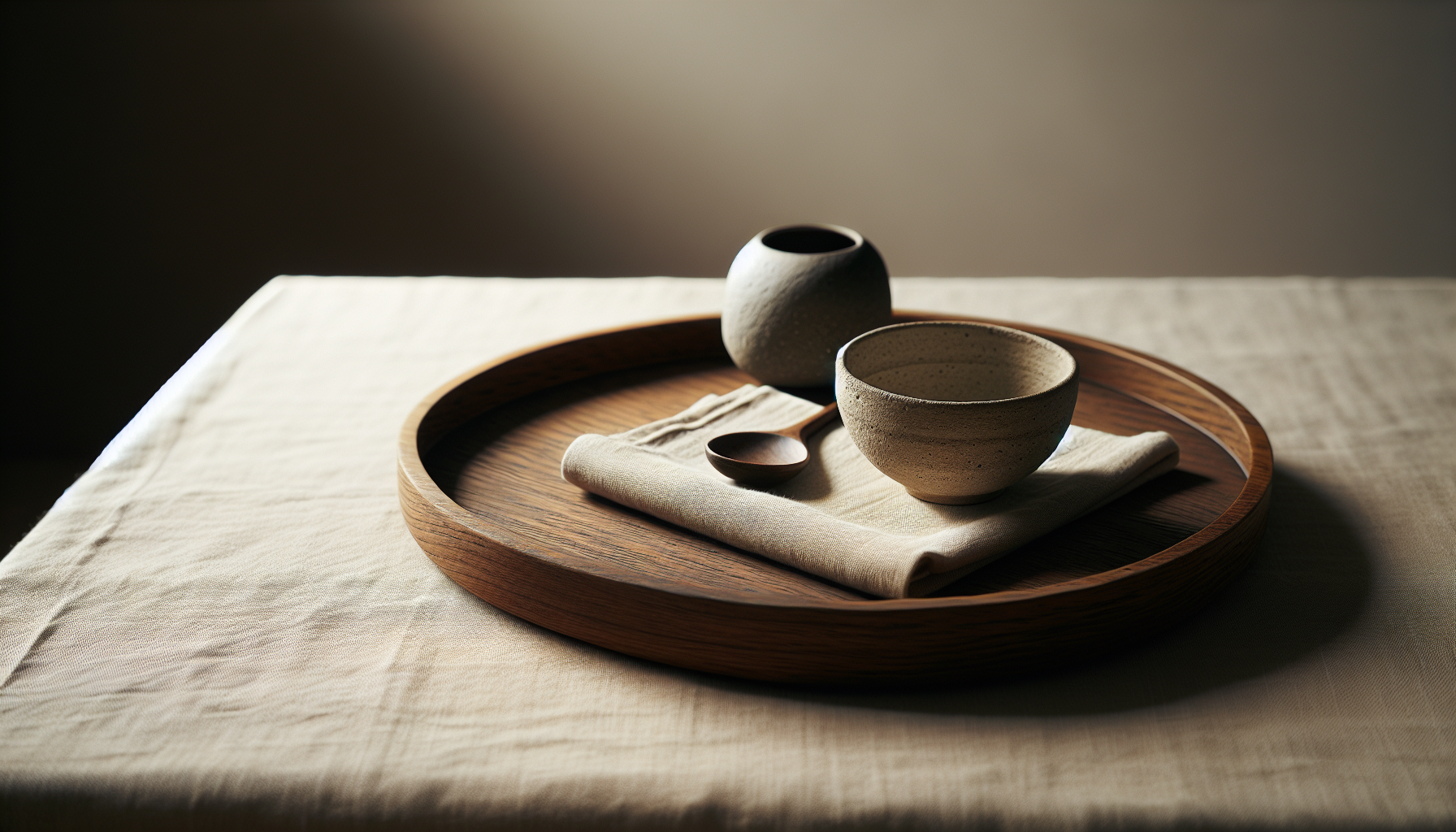
?Have you ever wondered how Japandi design could actually make your daily life feel simpler and more intentional?
How does Japandi simplify daily routines? A guide to effortless living
What is Japandi and why it matters for your routine
Japandi is a hybrid design aesthetic that marries Japanese minimalism with Scandinavian warmth. It focuses on functionality, calmness, and natural materials, which directly supports less cluttered, more purposeful daily habits. When you shape your space around these ideas, your routines become easier to manage and more enjoyable.
The core principles of Japandi that support effortless living
The principles are simple but powerful: minimalism, functionality, craftsmanship, natural materials, and soft colors. These tenets encourage you to keep only what is useful and beautiful, reducing decision fatigue and making daily tasks quicker and more satisfying.
Minimalism and intentional ownership
You control what enters your home, keeping possessions that serve a purpose or spark joy. This focus reduces time spent cleaning, organizing, and deciding what to wear or use.
Functional design and multipurpose items
Every item is chosen for a reason and often serves multiple purposes. Furniture with hidden storage, well-placed hooks, and versatile textiles let you move through your day with fewer obstacles and more ease.
Quality craftsmanship and lasting pieces
Investing in durable, well-made pieces reduces the need for frequent replacements and lowers the mental load of maintenance. You spend less time worrying about repair and more time enjoying your space.
Natural materials and sensory calm
Wood, stone, linen, and paper create a tactile environment that soothes the senses. That calmness makes it easier to stick to routines and make deliberate choices instead of reacting to clutter or visual noise.
Neutral, warm color palette
Soft neutrals reduce visual overstimulation. A muted palette helps your brain focus on what’s important, like your morning tasks or evening relaxation rituals.
How Japandi reduces decision fatigue
By limiting the variety of colors, textures, and furniture types, Japandi reduces the number of small decisions you must make daily. Fewer choices mean faster decisions about what to wear, where to sit, and how to organize your day.
Built-in cues and predictable layout
A predictable layout and consistent styling provide visual cues that guide your behavior. When everything has a place and function, you naturally follow the intended flow of the space, making routines almost automatic.
Streamlined wardrobe and fewer outfit choices
A curated wardrobe complements Japandi living. Fewer, higher-quality garments narrow your options to pieces that work well together, reducing wardrobe anxiety and saving time each morning.
How Japandi optimizes specific daily routines
Japandi influences the entire day—from waking up to going to bed—by creating conditions that make routine tasks simpler.
Morning routines made gentler and faster
A calm bedroom with soft lighting, minimal bedside items, and a small tray for essentials helps you move through your morning without clutter-induced stress. Natural materials wake your senses gradually so you feel ready to start the day.
Meal prep and dining: functional simplicity
Open shelving, clear work surfaces, and a small set of quality cookware encourage intentional meal preparation. A clean, uncluttered dining area invites you to sit down and enjoy meals without distraction.
Work and focus: clear spaces for concentration
A clean, minimalist workspace, with only the tools you need, helps you concentrate. Neutral tones and natural light reduce stress and allow you to maintain focus for longer periods.
Evening wind-down: creating space for rest
Soft textures, warm lighting, and minimal electronic distractions help you transition into rest. A simple ritual, like brewing tea on a low tray, becomes more meaningful in a serene setting.
The emotional and mental benefits of Japandi routines
Your surroundings have a direct impact on your mood and cognitive load. Japandi’s intentional calm reduces anxiety and improves your ability to stick to healthy habits.
Lower stress through order
Orderly and intentional spaces reduce visual chaos, which in turn lowers cortisol levels for many people. You’re more likely to feel relaxed at home and less likely to procrastinate on chores.
Greater satisfaction from fewer, better things
Owning fewer items that you truly appreciate increases gratitude and contentment. This often leads you to make more mindful consumption choices, reinforcing a simpler lifestyle.
Practical steps to create a Japandi-inspired home
You don’t need a full renovation to start simplifying your daily routines. Small, deliberate changes can have a big impact.
Step 1: Declutter with purpose
Assess each item for function and beauty. Ask whether it supports your daily life or distracts from it. Keep the essentials and let go of items that complicate routines.
Step 2: Prioritize multifunctional furniture
Choose furniture that serves multiple roles, such as benches with storage or nesting tables. This reduces the number of pieces you need and keeps surfaces uncluttered.
Step 3: Adopt a muted, cohesive palette
Choose a small set of neutral and warm tones for your walls, textiles, and major furniture. A consistent palette reduces visual noise and makes assembling outfits and decor choices faster.
Step 4: Use natural materials strategically
Introduce wood, stone, linen, and pottery to create tactile warmth. Natural materials age gracefully, so you worry less about wear and tear and feel more connected to your environment.
Step 5: Organize with intention
Install simple storage solutions—baskets, low-profile cabinets, and designated trays. Label or consistently group items so you always know where things belong.
A practical checklist to simplify routines with Japandi
Below is a table that helps you track key actions you can take room-by-room to make daily life more effortless.
| Room | Key Actions | Why it helps |
|---|---|---|
| Entryway | Add a bench with storage, wall hooks, a single tray for keys | Creates a landing zone so you can leave and return quickly |
| Kitchen | Keep countertops clear, use open shelving for essentials, one set of tableware | Makes meal prep faster and cleanup less daunting |
| Living room | Limit decorative items, use multipurpose furniture, soft textiles | Encourages relaxation and efficient cleaning |
| Bedroom | Minimal nightstand items, neutral bedding, under-bed storage | Promotes restful sleep and easy morning routines |
| Workspace | Only necessary tools, cable management, ergonomic chair | Reduces distractions and improves productivity |
| Bathroom | Keep products to daily-use essentials, matching dispensers, towel hooks | Speeds up grooming and reduces clutter |
Sample morning routine aligned with Japandi
Creating routines that match your environment makes them easier to follow. Here’s a simple morning flow that pairs well with Japandi principles.
| Time | Action | Japandi benefit |
|---|---|---|
| 6:30 | Wake in soft light, open blinds | Natural light and calm colors ease you into the day |
| 6:40 | Make bed, fold throw | A tidy bed sets the tone and reduces visual clutter |
| 6:45 | Simple stretching by a plant | Natural materials and greenery support a grounding ritual |
| 7:00 | Minimal breakfast on a clean counter | Clear surfaces streamline meal prep and mindful eating |
| 7:20 | Select outfit from a curated wardrobe | Fewer choices speed decision-making and improve style cohesion |
| 7:30 | Grab keys from designated tray and leave | A consistent exit routine prevents last-minute scrambling |
Storage strategies that actually make daily life easier
Good storage is the backbone of routine simplification. Japandi storage emphasizes hidden or low-profile solutions that keep visual calm without sacrificing accessibility.
Low, accessible storage
Low cabinets and benches keep items reachable and maintain open sightlines. You don’t have to climb or search through heavy shelving to find what you need.
Concealed storage for flat surfaces
Choose furniture with drawers or lift-top storage to keep tables and counters clear. Less visible clutter means fewer distractions and simpler cleaning.
Textile storage and baskets
Natural-fiber baskets and linen boxes add warmth while keeping small items organized. They’re easy to move and maintain, which helps you organize quickly.
One-in, one-out policy
Keep clutter from creeping back by adopting a rule: for every new item you bring in, remove one old item. This habit maintains the balance that keeps routines simple.
Lighting and sensory design for an easier day
Light and sensory cues can regulate your daily cycle and support predictable behavior.
Layered lighting
Use ambient, task, and accent lighting to create zones of function. Soft, warm bulbs in relaxation spaces and brighter light in work zones help you move naturally through activities.
Tactile cues
Textiles like linen and wool are both attractive and functional. Their textures cue relaxation and comfort, encouraging you to use the intended space for its purpose.
Sound management
Soft rugs, curtains, and wooden surfaces can moderate sound. Lower noise levels support focus and restful sleep, improving your overall routine effectiveness.
Minimalism without coldness: balancing warmth and simplicity
Japandi avoids the clinical feel often associated with minimalism by adding cozy textures and organic shapes. This balance keeps your home inviting while remaining uncluttered.
Add warmth with textiles and plants
Introduce a few well-chosen throws, cushions, and plants that bring life without excess. These elements make simple routines—like sitting to read or brewing tea—feel special.
Choose curved shapes and handcrafted pieces
Rounded furniture and handmade objects add humanity to minimal spaces, increasing comfort without adding complexity.
Meal planning and kitchen layout tips
A Japandi kitchen is efficient and calming, which makes meal routines faster and more enjoyable.
Keep essentials visible and accessible
Store frequently used plates, bowls, and utensils within easy reach. Less searching means quicker meal prep and fewer interruptions.
Limit duplicate items
A small, quality set of cookware and tableware reduces decision-making and storage needs. You’ll spend less time cleaning and organizing.
Prep-friendly surfaces
Maintain clear counters and a dedicated chopping area. A clutter-free workspace makes cooking feel less like a chore and more like a ritual.
Cleaning routines that match the aesthetic
Cleaning becomes quicker when the environment is designed for it. Japandi choices make surfaces easy to wipe and reduce dust traps.
Daily micro-tasks
Spend five to ten minutes daily on small tasks—wiping counters, clearing a table, hanging a towel. These micro-tasks prevent build-up and keep you from needing lengthy cleaning sessions.
Weekly focused cleaning
Reserve one or two longer sessions per week for vacuuming, laundry, and bathroom cleaning. The simplicity of the space makes these tasks faster.
Seasonal editing
Every few months, reassess what you own and remove items that no longer fit your lifestyle. This prevents clutter from re-accumulating and keeps routines efficient.
Creating mindful rituals that fit Japandi living
Intentional rituals are central to Japandi and make everyday actions feel meaningful.
Simple beverage rituals
A tea or coffee ritual on a wooden tray can become a grounding practice. The act of preparing and serving becomes part of your mental reset.
Minimal self-care routines
Design a short, consistent self-care sequence—cleanse, moisturize, lightly stretch. A clean, uncluttered bathroom makes following the sequence easier.
Family habits and shared responsibilities
Use the same principles to coordinate household routines. A shared landing zone for shoes and coats, or a weekly simple meal rotation, makes joint living smoother.
Common pitfalls and how to avoid them
Adopting Japandi doesn’t mean stripping everything away. There are common mistakes that can make your home less functional.
Avoiding sterility
If your space feels too empty, add a few tactile items—textiles, plants, or a handmade bowl—to warm things up.
Over-curation leading to impracticality
Be careful not to remove items you actually use. Conduct a real-use assessment before decluttering to keep your routines practical.
Inconsistent style across rooms
A cohesive palette and consistent material choices help your home feel unified and intuitive, which supports smooth routines.
Cost considerations and budgeting
You can adopt Japandi principles at many price points. The goal is quality and function, not expensive design.
Start small and prioritize
Invest in key pieces that improve your routines—an ergonomic chair, a solid bed, or a reliable dining table. Other items can be thrifted or gradually replaced.
Where to spend and where to save
Spend on durable, high-contact items (mattress, sofa, cookware) and save on accessories (candles, inexpensive throws) that can still support the aesthetic.
Sourcing and sustainability
Japandi’s emphasis on natural materials aligns well with sustainable choices. Choosing local, ethically made items supports both the aesthetic and the planet.
Choose timeless over trendy
Timeless pieces reduce waste because you won’t feel compelled to replace items each season. This makes your routines more stable and reduces shopping-related decisions.
Repair and repurpose
When something breaks, consider repair before replacement. Repurposing items also keeps your space meaningful and reduces the need to bring in new things.
A 30-day plan to simplify your routines with Japandi
A gradual approach helps you build sustainable habits. Use this simple timeline to transform your space and routines.
Week 1: Declutter high-impact areas (entry, kitchen) and set up landing zones. Week 2: Tackle bedroom and wardrobe—curate your clothes and simplify morning routines. Week 3: Organize living room and workspace—remove distractions and add functional storage. Week 4: Finalize lighting, textiles, and small rituals; start daily micro-tasks and weekly cleaning rhythms.
Measuring success: how you’ll know Japandi is working
You’ll notice small but meaningful changes: less time spent searching for items, fewer cleaning marathons, easier decision-making, and more satisfaction in daily rituals. Track time saved or note how often you complete morning/evening routines without stress.
Frequently asked questions (brief)
- How quickly will my routines improve? Small changes can make mornings easier within days; larger habit shifts may take weeks.
- Do I need to replace all my furniture? No—prioritize key pieces and edit what you already own.
- Is Japandi cold or hard to live in? Not when you balance natural warmth, textiles, and handcrafted items.
Final tips for lasting simplicity
Keep the core Japandi ideas in mind: choose function first, value quality, and maintain a small, cohesive palette. Regularly assess what supports your life and what doesn’t. Your home should serve the way you live, and Japandi gives you a framework to make daily routines clearer, calmer, and more intentional.
By adopting these principles, you’ll likely find that small decisions become simpler, chores take less time, and ordinary rituals start to feel more meaningful. The result is a living environment that quietly nudges your day toward ease—so you can focus on what matters most to you.