
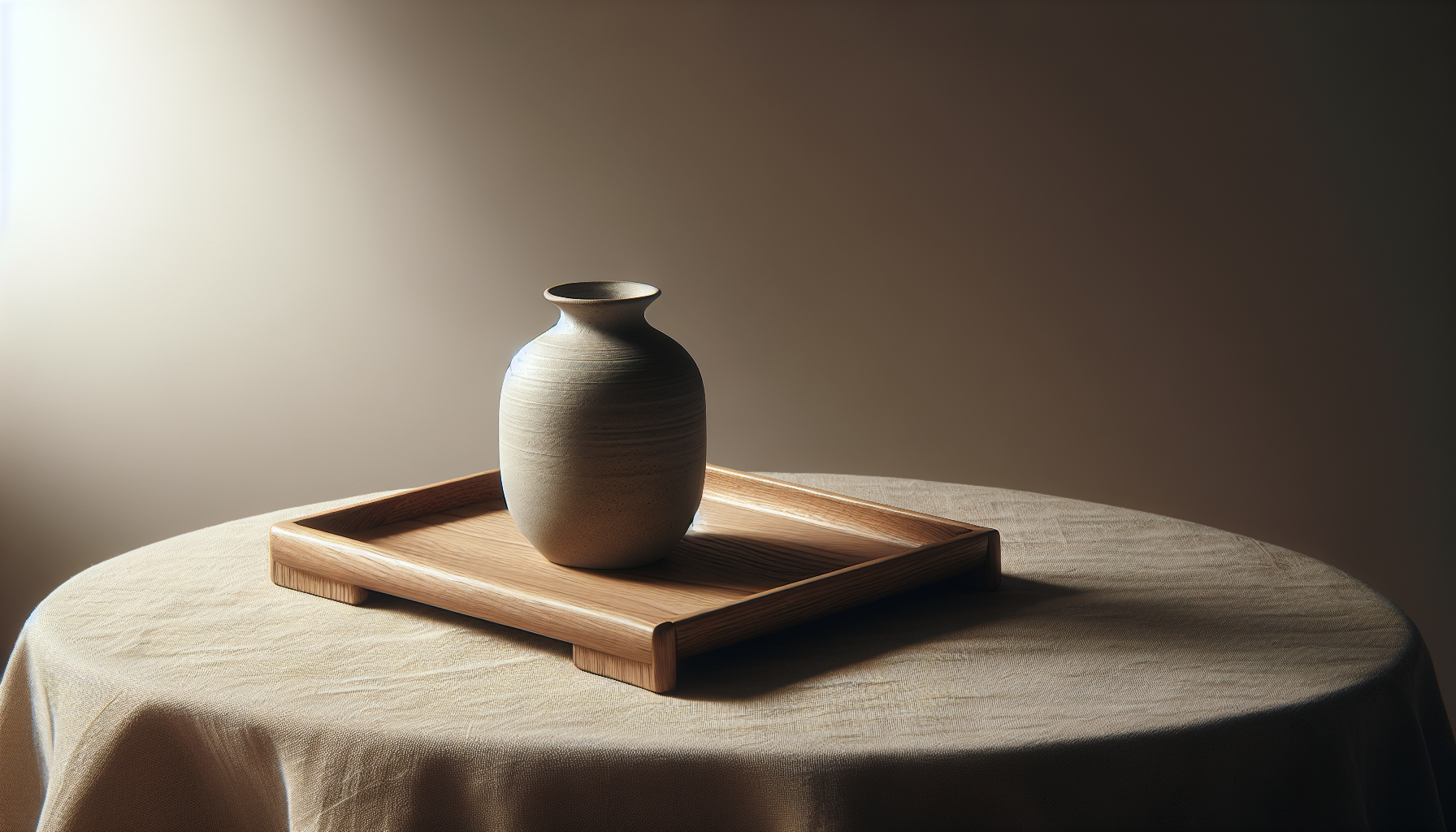
Have you noticed how some homes immediately make you feel calm and cared for the moment you step inside?
Impressions of Minimalism in Japandi Homes
Japandi homes blend Japanese restraint with Scandinavian warmth to create interiors that feel intentional, calm, and inviting. When you first encounter a Japandi space, the impression is rarely loud or dramatic; instead, it often registers as a quiet, well-considered atmosphere that invites you to slow down and appreciate details.
What Is Japandi?
Japandi is a design aesthetic that harmonizes the minimal elegance of Japanese interiors with the cozy, functional sensibility of Scandinavian design. It emphasizes simplicity, craftsmanship, natural materials, and human-centered functionality so that every object appears purposeful and the whole environment feels balanced.
Origins and Philosophy
Japandi emerged from a convergence of two philosophies that value restraint and authenticity. Japanese wabi-sabi celebrates imperfection and transience, while Scandinavian design prioritizes practicality, comfort, and light — together they create spaces that feel both refined and lived-in.
Core Principles
The core principles of Japandi include minimal clutter, natural materials, neutral color palettes, tactile textures, and a focus on handcrafted or well-made pieces. You’ll notice that every piece of furniture and decor tends to have a clear function and is chosen with intention.
First Visual Impressions
The first thing you’ll notice in a Japandi home is visual calm. Instead of a layered collection of trends or eclectic pieces, you often see a limited palette, well-placed furniture, and generous negative space that allows elements to breathe.
Clean Lines and Calm Composition
Straightforward silhouettes and uncluttered compositions create an immediate sense of order. You’ll likely perceive a restrained geometry where shapes and proportions are balanced, rather than competing for attention.
Neutral, Warm Color Palettes
Muted tones and earth-inspired neutrals dominate Japandi interiors. You may first notice soft beiges, warm greys, muted greens, or charcoal contrasted with the warmth of wood. These colors help create a serene, cohesive look that’s easy to read at a glance.
Negative Space and Scale
Negative space is used intentionally so that focal elements can stand out and your eye can move around the room without strain. Proportions tend to favor lower furniture and horizontal sightlines, which gives the impression of openness and a grounded feel.
Materials and Textures That Catch the Eye
Materials play a central role in forming first impressions. The tactile quality of wood, the matte finish of ceramics, and woven textiles often speak louder than ornate decoration.
Natural Woods and Finishes
You’ll notice the prominence of pale to medium-tone woods like ash, oak, or walnut used in furniture and flooring. These woods are often presented with minimal sheen so grain and texture become part of the visual story.
Tactile Textiles and Softness
Textiles such as linen, cotton, and wool are layered to give warmth without visual clutter. Their natural slubs and subtle irregularities make surfaces feel approachable and human. You will often be drawn to touch these materials because they signal comfort.
Stone, Ceramics, and Metal Accents
Stone countertops, unglazed ceramics, and matte metal accents are used sparingly to add weight and contrast. These materials are typically handcrafted or finished in ways that highlight subtle imperfections rather than hiding them.
Lighting and Ambiance
Lighting in Japandi spaces is designed to support a serene mood rather than command attention. When you enter, the atmosphere is often softly lit, accentuating textures and creating gentle shadows.
Natural Light First
Large windows and minimal window treatments allow daylight to become the primary lighting factor. You’ll often feel connected to the outdoors due to open sightlines and abundant soft light.
Layered, Soft Artificial Lighting
Complementary lamps and pendant lights feature simple shapes and warm color temperatures. Paper lanterns, linen shades, and low-glare bulbs help you feel relaxed and at ease in the space.
Furniture, Layout, and Movement
Furniture is selected for functionality and proportion, not for show. The layout is intentional so that movement through the space feels natural and unobstructed.
Low-Profile, Functional Furniture
You’ll notice furniture sits lower to the ground with slim profiles and simple joinery. This approach lends a contemplative rhythm to the room, allowing your sightlines to travel and your body to relax.
Multipurpose and Uncluttered Storage
Concealed storage systems and multi-functional pieces are common. You will appreciate how visible surfaces remain clear and how daily items are stored out of view, which preserves the tranquil first impression.
Flow and Sightlines
Open sightlines and purposeful pathways let you scan the room effortlessly. Thoughtful placement of a single accent, like a sculptural vase or bonsai, becomes more significant because there’s less competition for attention.
How Minimalism Feels — Not Just Looks
Minimalism in Japandi is not cold or sterile; it’s an intentional reduction that creates room for warmth and meaning. The first impression often reads as disciplined yet welcoming.
Minimalism as Pause and Presence
When clutter is reduced, you can breathe easier, focus better, and feel present. The pared-back environment encourages conscious living and a stronger appreciation for the objects that remain.
Warmth Through Texture and Tone
Minimalism is balanced with soft textiles, warm wood grains, and gentle lighting so the space reads cozy rather than austere. Your emotional response is likely to be comforted rather than restrained.
How You Perceive Space: Psychological Effects
Your perception of a Japandi home is shaped not only by visual cues but also by how the space influences your mood and behavior. The first impression often leaves you calmer, more focused, and grounded.
Calm and Reduced Cognitive Load
Cluttered spaces create visual noise that taxes your attention. A Japandi interior’s restraint reduces that cognitive load and makes navigation and mental processing easier, so you feel less overwhelmed.
Focus on Intentional Objects
Because few items are displayed, the things you keep gain significance. You’re more likely to notice craftsmanship, forms, and materials — and to attribute more meaning to each object.
Encouragement of Slow Living
The environment subtly suggests a slower pace: lingering over morning tea, sitting without screens, and appreciating natural light throughout the day. This is an impression that can affect how you choose to spend your time.
Sensory Impressions on Arrival
Your first impressions involve sight, touch, smell, and sound. Japandi design attends to these senses in a subtle, cohesive way.
Sight: Composition and Focal Points
Visually, you may first notice how balance and restraint let particular elements stand out. A single piece of pottery, a wooden console, or a framed print will often serve as a quiet focal point.
Touch: Surface Qualities and Comfort
Textural contrasts invite touch — the slightly rough feel of linen, the silky patina of well-finished wood, the cool matte stone of a windowsill. These sensations reinforce the handcrafted and natural qualities of the space.
Smell: Clean, Natural Aromas
Natural materials and plants create a gentle, earthy aroma rather than heavy artificial scents. You might register the faint fragrance of tea, citrus, or wood rather than overpowering air fresheners.
Sound: Soft Acoustics and Quiet
Soft textiles, rugs, and upholstered furniture soften echoes and reduce harshness. You’re likely to notice a quieter, more contemplative acoustic environment that supports calm conversation and reflection.
Design Elements That Shape First Impressions
Below is a table that helps you see how Japanese and Scandinavian design contributions combine to form the Japandi aesthetic and what you might notice first when you enter a room.
| Design Element | Japanese Influence (what you might notice) | Scandinavian Influence (what you might notice) | How It Shapes First Impression |
|---|---|---|---|
| Color Palette | Muted earth tones, indigo, charcoal | Pale neutrals, soft pastels, warm greys | A harmonious, soothing palette that feels natural and balanced |
| Materials | Raw wood, bamboo, paper, stone | Light woods, wool, linen, leather | Natural textures create warmth without clutter |
| Furniture | Low profiles, refined joinery, tatami-inspired seating | Functional, ergonomic, multi-use pieces | Balanced proportions that feel grounded and practical |
| Decor Approach | Single meaningful objects, asymmetry, wabi-sabi | Curated minimalism, cozy textiles, functional decor | Each object feels intentional and contributes to comfort |
| Lighting | Shoji screens, paper lanterns, indirect light | Large windows, warm bulbs, layered fixtures | Soft, warm light that accentuates texture and calm |
| Storage | Hidden compartments, minimalist cabinetry | Built-in solutions, practical shelving | Visible spaces are cleared, leaving a serene visual field |
Craftsmanship and Detail
Craftsmanship is essential to the Japandi impression. You’ll often notice subtle joinery, hand-thrown ceramics, and textiles that reveal human touch rather than mass-produced perfection.
Appreciation of Handwork
Handmade objects often carry slight variations that signal authenticity. When you observe these details, you sense time and care invested in the object, which enriches the overall impression of quality and thoughtfulness.
Subtle Imperfections as Beauty
Wabi-sabi celebrates imperfect beauty, so modest irregularities in a ceramic tea bowl or a knot in the wood are seen as assets rather than flaws. You’re likely to feel a deeper connection to items that show traces of the maker’s hand.
Functional Minimalism: How Utility Influences First Impressions
Japandi homes place a strong emphasis on function. The first impression is often that everything you see has a purpose and there’s a place for everything.
Concealed and Thoughtful Storage
Because storage is integrated seamlessly, surfaces remain uncluttered. When you enter, the lack of visible mess conveys order and ease, suggesting that daily life is supported by efficient systems.
Multipurpose and Durable Pieces
You’ll notice furniture that supports several uses — a bench that doubles as storage, a table sized for both dining and work. Durability and versatility ensure that pieces remain relevant over time, reinforcing the impression of longevity.
Personalization Without Clutter
Personal items are present but curated. The first impression may be of restraint, but personal touches make the environment feel lived-in.
Curated Collections Over Abundance
You might see a small shelf of curated objects — a few books, a ceramic cup, a framed print — instead of shelves overflowing with possessions. Each item carries intent and often a story.
Use of Plants for Life and Scale
Plants are used strategically to introduce life and scale. A single sculptural plant or a low table arrangement can soften geometry and add visual interest without creating clutter.
Practical Tips to Create a Japandi First Impression in Your Home
If you want your home to convey the calm and warmth of Japandi on first arrival, start with intentional edits and material choices. These practical steps will help you achieve that immediate, memorable impression.
Edit Your Belongings with Purpose
Begin by choosing which objects truly matter to you and contribute to everyday life or well-being. Edit ruthlessly: keep only what you use, love, or display with meaning. This selective approach creates visual breathing room.
Steps:
- Empty a surface and replace only items that serve a purpose or carry meaning.
- Group small items together and contain them in simple bowls or trays.
- Rotate decor seasonally to keep surfaces fresh without adding clutter.
Choose a Unified Color Palette
Limit your primary palette to 3–5 complementary tones. Select one or two wood finishes and coordinate textiles in neutral tones to create visual cohesion.
Guidelines:
- Use a dominant neutral for walls and large surfaces.
- Add a secondary warm tone through wood and leather.
- Introduce one muted accent color through small accessories or textiles.
Prioritize Natural Materials and Textures
Incorporate wood, stone, linen, wool, and ceramic to create tactile warmth.
How to apply:
- Replace synthetic fabrics with natural fibers where possible.
- Choose matte or hand-finished surfaces over glossy, reflective ones.
- Use texture layering (rug + throw + cushion) to add depth without clutter.
Lighting Design for a Welcoming Mood
Employ multiple light sources and maintain a warm color temperature (2700–3000K).
Tips:
- Maximize daylight with sheer or minimal window treatments.
- Add table lamps and floor lamps with soft shades for evening warmth.
- Use dimmers to adjust ambiance according to activity.
Use Storage That Keeps Surfaces Clear
Select furniture with integrated storage or add minimalist cabinetry that hides daily clutter.
Storage ideas:
- Low credenzas for living room essentials.
- Built-in shelving with closed doors at eye level.
- Baskets with simple textures to contain small items.
Incorporate Nature and Seasonal Touches
Bring the outdoors in with plants, flowers, or natural arrangements, and let seasonal changes influence decor.
Suggestions:
- Keep one or two statement plants rather than many small ones.
- Use natural arrangements like a single branch in a ceramic vase.
- Switch textiles seasonally (lighter linens in summer, warm wools in winter).
Maintain Balance Between Form and Comfort
Be intentional about ergonomics as well as aesthetics. Opt for furniture that invites sitting and human connection even if it looks restrained.
Balance ideas:
- Add a comfortable upholstered chair with a slim profile.
- Use cushions sparingly but choose high-quality fills for comfort.
- Keep walking paths clear and seating oriented for conversation.
Common Misconceptions and Pitfalls
It’s easy to misunderstand Japandi as a purely aesthetic trend or to mistake minimalism for austerity. Recognizing common pitfalls will help you achieve a genuine, livable outcome.
Not Just an Empty, Sterile Look
A common mistake is removing warmth in the name of minimalism. If your space feels cold, reintroduce tactile textiles, warmer-toned wood, or a carefully selected rug to restore comfort.
Avoid Over-Curation That Feels Contrived
Trying too hard to stage every surface can make a space feel inauthentic. Let the objects you display be meaningful rather than decorative-only.
Balancing Trends and Timelessness
Japandi contains trending elements, but true success comes from prioritizing quality and longevity. Invest in durable pieces and timeless materials rather than chasing every fad.
Final Impressions: What Visitors Typically Remember
When visitors leave a Japandi home, the lasting impressions are usually calmness, craftsmanship, and considered comfort. People often comment on how relaxed and grounded the space made them feel.
Simple Narratives That Stick
Because the visual field is simplified, the narrative of the home — the story about what you value — becomes clear. Visitors may remember a single object or the way the light fell across a wooden bench more than a parade of small decorative items.
The Power of Intention
The first impression of a Japandi home communicates intention: that you’ve thought about how objects and spaces support daily life. That calm message can linger longer than a particular color or material choice.
Making Your Japandi Home Speak for You
Your home can convey your values and preferences subtly and powerfully. To make that message personal and authentic, prioritize meaningful items, balance function with beauty, and allow your space to change with you over time.
Personalization Strategies
- Choose a few heirlooms or handmade items that reflect your life story.
- Use art in modest formats — single framed pieces or small cluster arrangements — to express taste without clutter.
- Experiment with rotating displays to highlight different aspects of your personality while keeping surfaces clear.
Conclusion
A Japandi home makes its first impression through calm composition, thoughtful materials, and quietly functional design. When you enter such a space, you’re likely to feel relaxed, attentive to detail, and welcomed into an environment that prioritizes comfort and purpose. By using a restrained palette, natural textures, and intentional editing, you can create a home that not only reads well at first glance but continues to support a calmer, more meaningful everyday life.