
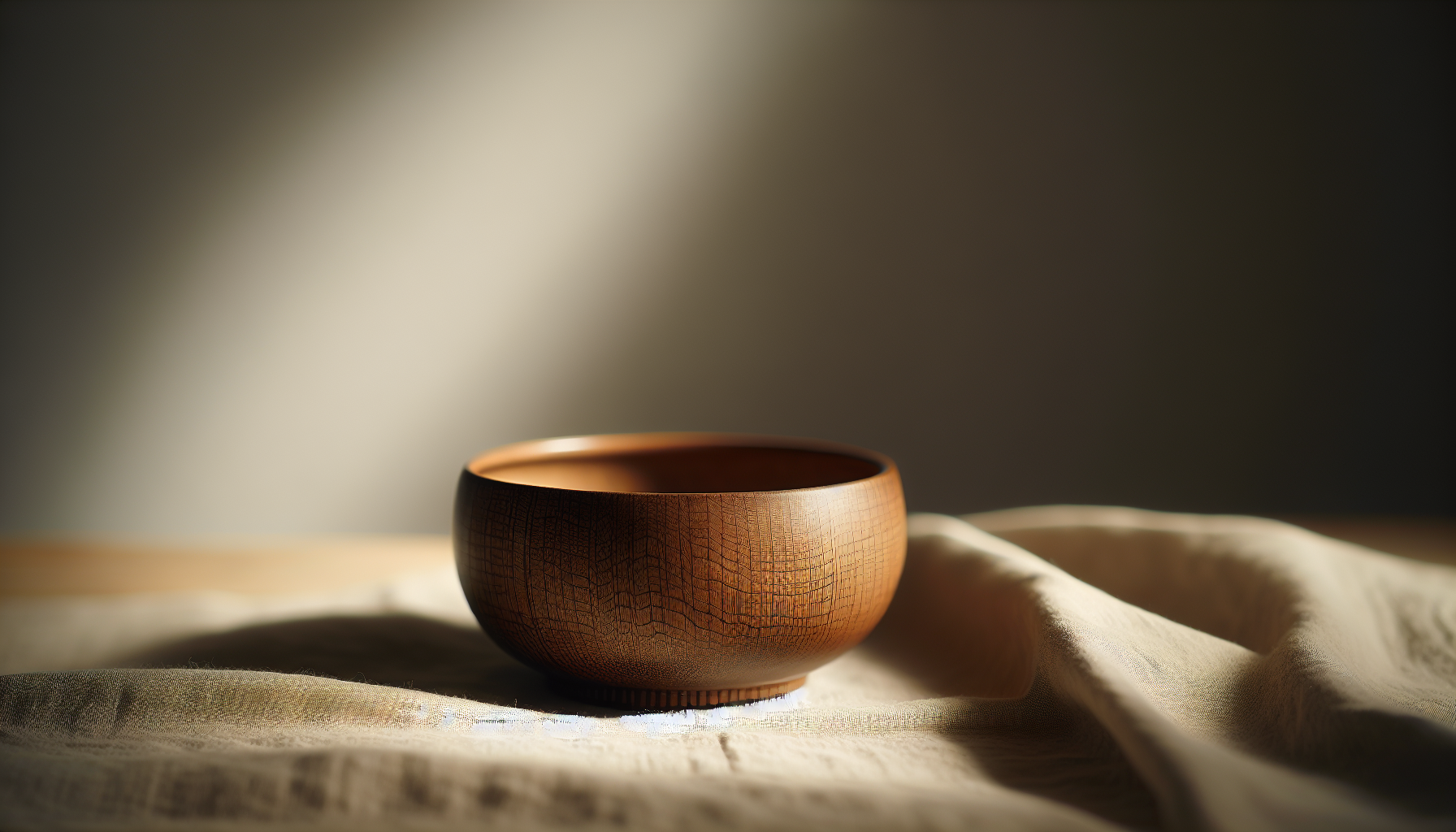
Have you noticed how some interiors make you feel instantly calmer, as if your breathing slows and your mind finds space?
Japandi Aesthetics That Foster Emotional Comfort
Japandi blends the quiet warmth of Scandinavian design with the restrained beauty of Japanese aesthetics. You’ll find the result feels both modern and timeless, offering a peaceful backdrop that supports emotional well-being. This article explains why Japandi often feels “peaceful” and shows you how to use its principles to create emotional comfort in your own space.
What Japandi Is and Why It Resonates
You can think of Japandi as a thoughtful hybrid. It combines Scandinavian functionality, clean lines, and cozy textures with Japanese restraint, natural materials, and an appreciation for imperfection. Together, these elements create a balanced environment that comforts the senses without overwhelming them. For you, that balance translates into spaces that encourage relaxation, focus, and presence.
Key Influences: Wabi-Sabi and Scandinavian Hygge
Both traditions prioritize human needs and simple pleasures. Wabi-sabi values impermanence and the beauty in imperfection, while Scandinavian design emphasizes light, warmth, and functional comfort. When you bring these philosophies together, you get a style that honors simplicity, authenticity, and comfort—ingredients that directly support emotional well-being.
Why People Find Japandi “Peaceful”
You’ll notice several consistent features in Japandi interiors: muted palettes, natural materials, minimal clutter, and considered craftsmanship. These components reduce sensory overload, encourage mindful living, and create environments that feel purposeful and serene. For most viewers, that translates into an immediate sense of peace.
Core Principles That Create Emotional Comfort
Understanding the guiding principles helps you apply Japandi thoughtfully. Each principle contributes to a sense of calm by addressing specific sensory, visual, or functional needs.
Simplicity and Purpose
You should choose items that serve a purpose or bring joy. When every piece in your space has intent, visual distractions decrease and daily life becomes smoother. That simplicity supports emotional clarity and reduces decision fatigue.
Natural Materials and Tactile Warmth
You’ll find wood, stone, rattan, wool, and linen commonly used in Japandi design. These materials introduce warmth and grounding textures that are pleasant to touch and sight. Their organic qualities bring nature indoors, which helps regulate emotions and reduce stress.
Balanced Minimalism
Minimalism here isn’t about empty spaces; it’s about thoughtful restraint. You can retain warmth and personality while keeping the overall aesthetic uncluttered. The balance between openness and coziness is central to the style’s emotional appeal.
Craftsmanship and Imperfection
You should value craftsmanship and subtle imperfections. Handmade objects and visible grain or patina tell a story and create emotional connection. Those imperfections remind you that life is lived, not staged, and that can be comforting.
Materials, Textures, and Their Emotional Effects
Materials and textures are where Japandi’s calming effects become tangible. Your choices influence how a room feels physically and emotionally.
Wood: Warmth and Grounding
Wood anchors a space. Lighter woods like oak or ash provide Scandinavian brightness, while darker woods like walnut or reclaimed timber add Japanese depth. When you incorporate wood in floors, furniture, or trim, you create a stable, comforting presence.
Natural Fibers: Softness and Breathability
Linen, cotton, wool, and hemp add softness and breathability. These textiles regulate temperature, feel pleasant to touch, and introduce subtle texture that you enjoy without distraction. Soft throws, cushions, and curtains make spaces feel approachable.
Stone and Ceramics: Quiet Strength
Stone and ceramic surfaces give a sense of permanence and quiet luxury. A stone tabletop or ceramic vase brings a tactile coolness that balances warmth from textiles and wood, helping you feel grounded and composed.
Matte Finishes and Muted Surfaces
Matte or satin finishes reduce glare and visual noise. You’ll notice that these finishes create a more relaxed atmosphere because they don’t shout for attention. They also age gracefully, adding to long-term comfort.
Color Palette: How Color Soothes Your Mind
Color choices in Japandi are subtle and intentional. You should use neutral and muted tones as the base and add restrained accents for depth.
Base Neutrals: Calm and Cohesion
Think warm whites, soft beiges, gentle greys, and pale taupes. These hues reflect light softly and create visual continuity. Your eye can move through the room without abrupt stops, which calms your nervous system.
Accent Colors: Nature-Inspired Depth
When you choose accents, pick muted blues, mossy greens, terracotta, or charcoal. These colors reference nature and bring quiet energy. Accents are used sparingly to anchor areas and add emotional warmth without overwhelming the space.
Contrast and Harmony
You’ll balance light and dark elements to create cozy contrasts—light walls with darker wood furniture, or a pale sofa with a deep-toned floor. Harmony is more important than bright contrast; the goal is gentle visual interest that soothes.
Layout, Scale, and Furniture Choices
How you arrange furniture matters as much as what you choose. Layout influences movement, interaction, and how safe and comfortable you feel.
Open, Functional Layouts
You should aim for layouts that support flow and function. Open sightlines and clear pathways reduce visual clutter and promote a sense of ease. Each space should have a clear purpose and intuitive arrangement.
Human-Scale Furniture
Choose furniture that’s comfortable and proportionate to the room. Oversized or undersized pieces can create tension. You want items that invite use—low-profile sofas, modest dining tables, and simple storage that fits your daily needs.
Mix of Soft and Solid
Include both soft seating and solid, sculptural pieces. Sofas and rugs invite you to relax, while wooden cabinets and tables provide structure. The combination supports both comfort and order.
Lighting: Mood, Rhythm, and Comfort
Lighting has a direct effect on mood. Japandi uses layered, soft lighting to mimic natural cycles and support emotional balance.
Natural Light as Priority
You should maximize natural light with unobtrusive window treatments. Natural light lifts mood, regulates circadian rhythms, and reveals true colors. Keep windows uncluttered and oriented to capture daylight.
Layered Artificial Lighting
Use three layers: ambient (general), task (specific activities), and accent (highlighting). Warm-toned bulbs, dimmers, and lamps with soft shades create a cozy atmosphere that you can adjust according to your needs.
Candles and Soft Accent Lighting
Candles or low-level accent lights add intimacy and calm. They emulate the Japanese appreciation for gentle light and can help you transition to a more restful state in the evening.
Bringing Nature In: Biophilia and Emotional Comfort
Natural elements are central to Japandi and support emotional health by connecting you to the outdoors.
Plants: Life, Texture, and Calm
Plants purify air, add texture, and introduce a living, changing element. You should choose species that suit your home’s light conditions and your ability to care for them. Even a few well-placed plants offer immediate benefits.
Views and Natural Materials
If you have views of nature, frame them with simple window treatments. When outside access isn’t possible, natural materials and imagery can recreate the effect—wood, stone, and botanical artwork help you feel connected.
Seasonal Awareness
Rotate décor elements with the seasons—lighter textiles in summer, warmer textures in winter. This seasonal rhythm helps you stay attuned to natural cycles, which supports emotional equilibrium.
Decluttering, Storage, and Visual Calm
Clutter creates cognitive load. Japandi strategies for organizing space help you reduce mental noise and feel more at ease.
Intentional Decluttering
You’ll keep only what you need and love. A decluttering process focused on functionality and emotional value reduces distractions and makes spaces feel lighter and more trustworthy.
Built-In and Discreet Storage
Use concealed storage solutions—cabinets with clean fronts, baskets, and low shelving—to maintain a calm aesthetic. Well-designed storage keeps surfaces clear and your mind uncluttered.
Systems Over Stuff
Create simple systems for items you use daily: a dedicated place for keys, mail, or shoes. When things have a place, your environment supports predictable routines that lower stress.
Sensory Design: Sight, Touch, Sound, and Smell
Japandi addresses multiple senses to create a complete feeling of comfort. You should consider how each sense is met in your home.
Sight: Balanced Visual Rhythm
Your visual field benefits from repetition and restraint. Repeating a few shapes, materials, and colors creates rhythm without monotony. Negative space—areas left intentionally empty—gives your eyes room to rest.
Touch: Tangible Comfort
Soft textiles, warm wood, and smooth ceramics invite tactile engagement. You’ll find that interacting with thoughtful materials slows you down and grounds you in the present.
Sound: Quiet and Acoustics
Minimize hard, echoing surfaces by using rugs, curtains, and soft furnishings. Consider acoustic panels or bookshelves to soften sound. Quiet spaces let you think and relax more easily.
Smell: Subtle, Natural Fragrances
You should favor natural scents—wood, green notes, or a hint of citrus or tea. Avoid overpowering artificial fragrances. Scents tied to daily rituals (tea, baking, essential oils) strengthen feelings of comfort and home.
Rituals and Daily Practices That Enhance Comfort
A Japandi interior supports certain rituals that reinforce emotional well-being.
Mindful Morning and Evening Routines
Design spaces to support simple rituals: a morning tea station, a reading nook for evening wind-down, or a tidy entrance that encourages a calm departure. These routines anchor your day.
Rituals of Maintenance
Regular small acts—folding a throw, wiping a table, caring for plants—become calming rituals. You’ll find that caring for your space can be meditative rather than burdensome when systems are simple.
Intentional Slowing
Create spots for undistracted activity: a place for journaling, an alcove for stretching, or a low chair for quiet reflection. These micro-rituals foster presence and reduce anxiety.
Room-by-Room Implementation
Practical guidance helps you apply Japandi principles in each room. You should focus on function first, then aesthetic refinement.
Living Room: The Heart of Comfort
Prioritize comfortable seating, a calm color base, and a low furniture profile. Keep accessories minimal but meaningful, and choose a soft rug to anchor the area. The living room should invite conversation or solo relaxation without visual clutter.
Bedroom: Sanctuary and Rest
Make the bedroom about rest: a neutral palette, layered bedding, blackout options, and minimal electronics. Nightstands with warm lighting and a small amount of storage will keep the space restful and personal.
Kitchen: Quiet Efficiency
You’ll aim for an uncluttered, practical kitchen where tools are easy to access and countertops remain clear. Natural wood finishes and simple ceramics can make cooking feel more like a craft.
Dining Area: Ritual and Community
Choose a sturdy, modest dining table and comfortable chairs. The dining area should encourage slow meals and presence. Keep table settings simple and tactile—linen napkins, ceramic plates.
Bathroom: Clean Lines and Calm
Use natural stone or wood accents, soft towels, and simple storage. A small plant or a handmade soap dish can make the bathroom feel spa-like without added fuss.
Home Office: Focus and Warmth
Balance ergonomics with warmth. You’ll want a clean desk, comfortable chair, and a few tactile elements like a wooden desk mat or linen curtains to reduce glare. Keep décor minimal to support concentration.
Small Spaces and Apartments: Adapting Japandi
Even in compact homes, you can create emotional comfort using Japandi principles. The style’s emphasis on function and restraint lends itself well to small spaces.
Multipurpose Furniture and Vertical Storage
Use furniture that serves multiple roles—benches with storage, foldable tables, or ottomans that double as seats and storage. Vertical shelving creates storage without crowding floors.
Visual Continuity and Scale
Maintain a consistent palette and material selection to make a small space feel cohesive. Choose compact, human-scale furniture to ensure the space feels open rather than crowded.
Light and Reflection
Maximize light with mirrors and light-toned surfaces. Reflective surfaces should be used sparingly to keep the atmosphere soft and balanced.
Budget-Friendly Japandi: How to Achieve the Look Without Overspending
You don’t need high-end items to get the Japandi effect. You can prioritize key pieces and make inexpensive changes that yield high emotional returns.
Prioritize Investment Pieces
Spend more on core items you use daily: a comfortable sofa, a solid dining table, or a supportive bed. These pieces influence your daily comfort most directly.
Upcycle, DIY, and Thrift
You can find suitable pieces at thrift stores, local markets, or DIY them with minimal refinishing. Refinishing wood, replacing hardware, or reupholstering can transform inexpensive finds into Japandi-friendly items.
Small Upgrades, Big Impact
Swap out lighting fixtures, add natural-fiber rugs, or introduce a few houseplants. These changes are affordable and dramatically affect the mood.
Common Mistakes and How to Avoid Them
Knowing what to avoid helps you maintain the style’s calming intent. You should watch for over-minimalism, mismatched scales, and too many competing textures.
Over-Cluttered Minimalism
Minimalism with clutter defeats the purpose. Keep surfaces intentionally curated and store the rest. A minimalist space should still feel lived-in and warm.
Overly Cold or Clinical Spaces
If you remove all warmth—no wood, soft textiles, or personal objects—the space can feel sterile. Balance clean lines with tactile materials and personal touches.
Excessive Pattern or Bright Color
Too many patterns or loud colors break the serene mood. Use accents sparingly and keep the primary palette muted.
Maintenance, Longevity, and Sustainability
Japandi’s focus on durable, quality materials lines up with sustainable living. You should think long-term to keep both your environment and the planet healthy.
Choose Durable Materials
Opt for materials that age well and can be repaired. Solid wood, stone, and high-quality textiles will look better over time and reduce waste.
Mindful Consumption
Buy less and choose better. When you purchase with intention, your home becomes a collection of objects that support your life rather than a repository of trends.
Repair and Care
Learn basic maintenance—wood oiling, reupholstery, and ceramic care. When you can fix or refresh items, they last longer and maintain emotional value.
Quick Reference Tables
Below are tables to help you quickly apply Japandi principles when making decisions.
Table: Japanese vs Scandinavian Elements
| Aspect | Japanese Influence | Scandinavian Influence |
|---|---|---|
| Philosophy | Wabi-sabi: imperfection, simplicity | Hygge: warmth, coziness, function |
| Materials | Darker woods, ceramics, bamboo | Light woods (oak, ash), wool |
| Color | Muted earth tones, deep accents | Pale neutrals, soft pastels |
| Lighting | Low, intimate, natural | Bright, crisp, layered |
| Furnishings | Low, crafted, refined | Functional, cozy, practical |
Table: Room Checklist for Emotional Comfort
| Room | Essential Elements | Quick Actions |
|---|---|---|
| Living Room | Comfortable seating, soft rug, wood table | Clear surfaces, add 1 plant |
| Bedroom | Neutral bedding, soft lighting, storage | Remove electronics, add blackout curtain |
| Kitchen | Clear counters, quality utensils, open shelving | Organize frequently used items |
| Bathroom | Soft towels, simple storage, natural soap | Add plant or wooden tray |
| Office | Ergonomic chair, clear desk, warm accents | Maintain cable management |
Final Thoughts: Creating a Home That Holds You
Japandi is more than a visual style; it’s a way to shape your environment so that it supports calm, clarity, and human comfort. You’ll benefit most when you apply principles thoughtfully—prioritize function, choose natural materials, and create spaces for rituals that matter to you. The result will be a home that feels like a steady companion through busy days and quiet moments alike.
If you start with small, intentional changes and keep the focus on comfort and usability, you’ll find the peacefulness you see in images becomes something you can actually live in and rely on every day.