
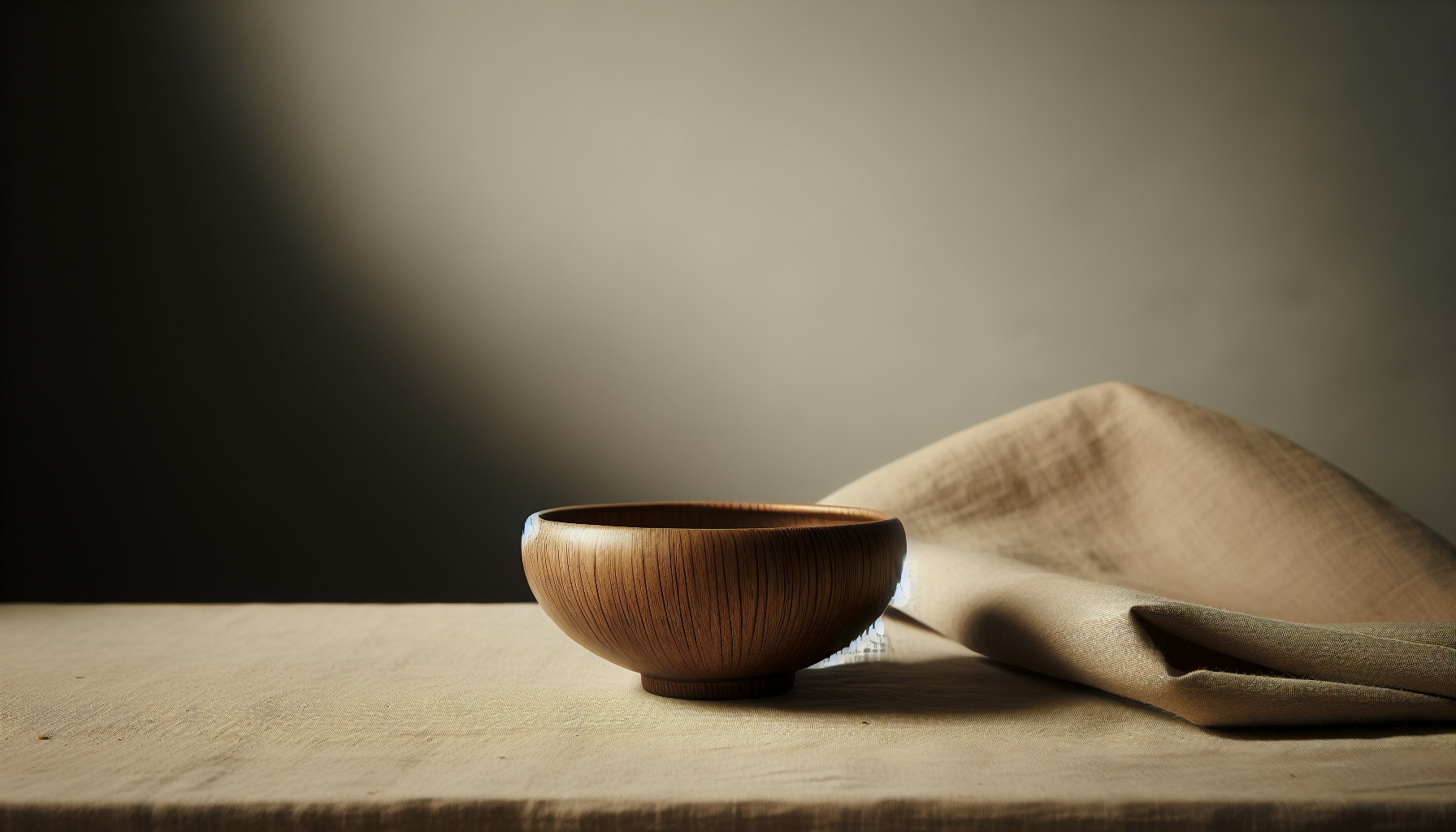
Have you ever noticed how a Japandi room can make you breathe a little more slowly and feel more at ease?
Why Japandi Feels Peaceful to Viewers
You probably sense peace in a Japandi space because the style intentionally reduces visual noise while emphasizing warmth and utility. It combines the restraint of Japanese aesthetics with the comfort of Scandinavian design to create environments that ask very little of your attention while giving you sensory reassurance.
What is Japandi?
Japandi is a hybrid interior style that merges Japanese and Scandinavian design philosophies into a cohesive approach. You’ll find it emphasizes natural materials, simplicity, practicality, and careful curation rather than excess or ornamentation.
Historical and cultural roots
Knowing where Japandi comes from helps you understand why it feels comforting. The calm you feel is rooted in cultural practices that prize quiet, intentional living and harmonious relationships with your environment.
Japanese principles: wabi-sabi and ma
In Japanese aesthetics, wabi-sabi values imperfect, transient beauty and the humble authenticity of natural materials. Ma refers to negative space or the pause between elements, which creates breathing room and a sense of timing and rhythm in your surroundings.
Scandinavian principles: hygge and functionalism
Scandinavian design prioritizes light, warmth, and functional comfort—concepts such as hygge that make your home feel cozy and nurturing. Functionalism means objects are thoughtfully designed to do their job well, and that simplicity becomes a source of calm because nothing is unnecessarily complicated.
Visual principles that create calm
The visual language of Japandi intentionally reduces competing elements so your eyes can rest. You’ll notice that shapes, colors, and compositions are chosen to be unobtrusive yet satisfying.
Minimalism and controlled clutter
When you limit what’s visible, your brain has fewer items to process and judge, which lowers mental load and stress. By keeping surfaces mostly clear and choosing multipurpose pieces, your environment feels orderly and spacious.
Balanced proportions and asymmetry
Japandi often mixes a sense of balance with subtle asymmetry, which feels natural and unforced to your eye. You’ll notice arrangements that are harmonious without being perfectly mirrored, which reads as peaceful rather than sterile.
Neutral color palettes
Colors in Japandi are usually soft, natural, and muted, which reduces visual tension and creates continuity. You’ll find neutrals that harmonize with wood tones, providing a soothing backdrop that allows you to relax rather than be distracted.
Materials, textures, and craftsmanship
What you touch and see in a Japandi room matters just as much as layout and color. The textures and craftsmanship communicate quality and permanence, which contributes to a sense of calm and trust in the environment.
Natural materials and tactile surfaces
Materials such as ash, oak, walnut, linen, cotton, stone, and paper give you textures that feel grounded and familiar. Natural surfaces change subtly with light and wear, which provides quiet visual interest without overwhelming your senses.
Visible craftsmanship and joinery
When furniture shows careful joinery or handcrafted details, you sense intention and longevity. That perception helps you relax because the objects around you appear reliable and thoughtfully made.
Matte finishes and soft edges
Glossy, reflective surfaces multiply visual stimuli; matte finishes reduce glare and keep your attention steady. Rounded or softened edges feel safer and more inviting, which encourages you to inhabit a space casually rather than being on guard.
Light, layout, and space
Light and spatial organization are primary contributors to the Japandi feeling. How your room is lit and how elements are arranged directly affects your mood and ability to relax.
Use of natural light
Natural light brings dynamic warmth and seasonal variation that feels alive but not chaotic. By maximizing daylight through sheer textiles and uncluttered windows, your space feels open and reassuring.
Open layouts and negative space (ma)
Open layouts and the intentional use of negative space allow you to move through rooms more freely and experience less visual crowding. The pauses between objects provide mental rest stops so you can appreciate what’s present without being overstimulated.
Scale and human-centered design
Japandi favors human-scale furniture—pieces that respect your body and movement. When furniture is proportionate to your needs, you experience comfort and ease rather than awkwardness or strain.
Sensory and psychological impacts
Beyond sight, Japandi influences how you feel physically and mentally. Your nervous system responds to simplicity, natural materials, and rhythm in ways that support relaxation.
Reduced cognitive load
With fewer signals competing for attention, your brain conserves energy and reduces stress. You feel calmer because your environment isn’t constantly demanding decisions or offering surprises.
Biophilia and connection to nature
Incorporating natural materials, plants, and organic forms taps into biophilic responses—your innate affinity for nature. That connection lowers cortisol and promotes restorative moods, which you sense as peacefulness.
Ritual, routine, and behavior cues
Japandi spaces often encourage simple rituals—tea, reading, sitting—to be performed with minimal disruption. When your environment cues those behaviors, you’re more likely to slow down and stay present.
Contrast and harmony: balancing elements
Peace in Japandi comes from careful balance between opposites: warmth and restraint, roughness and smoothness, dark and light. That balance keeps the room interesting without becoming chaotic.
Dark accents and grounding
A few dark tones—charcoal, deep walnut, black metal—anchor a room visually so it doesn’t feel ephemeral. Those accents give your eye a place to return to, creating calm patterns of attention.
Warm woods and cool neutrals
Warm wood tones pair with cool neutrals to produce a comforting yet restrained palette. You get the sensory warmth of natural grain alongside the clarity that neutral backgrounds provide.
How objects are chosen and placed
Every item in a Japandi room has a role, and placement emphasizes usefulness and composition. Your objects are chosen to support life and visual calm, not to shout for attention.
Purposeful selection and multifunctional furniture
You’ll prefer items that fulfill multiple needs or solve daily problems neatly. Multipurpose furniture reduces the number of objects you need and simplifies visual input.
Curated vignettes and negative space
Small compositions—one vase, a stack of books, a textured bowl—are arranged with breathing space around them. Those vignettes invite contemplation rather than demand focus.
Fewer but better
You’ll notice a clear preference for quality over quantity: well-made items that wear gracefully. Owning fewer things that you care about makes decisions easier and your environment calmer.
Key design elements compared
You may find it helpful to see the typical traits borrowed from each tradition and how they combine in Japandi. This table summarizes how characteristics from Japan and Scandinavia contribute to the overall feel.
| Element | Japanese contribution | Scandinavian contribution | How it creates peace |
|---|---|---|---|
| Color | Muted earth tones, natural pigments | Pale neutrals, soft grays | Soft palettes reduce visual tension |
| Materials | Bamboo, washi paper, natural stones | Light woods, wool, linen | Natural textures soothe the senses |
| Form | Low furniture, asymmetry, simple lines | Functional shapes, ergonomic forms | Balanced proportion and usability |
| Space | Emphasis on ma, uncluttered surfaces | Open plans, bright spaces | Breathing room reduces mental load |
| Craft | Imperfect beauty, handcrafted details | Efficient craftsmanship, minimal ornament | Quality and authenticity promote trust |
Practical tips to make your space feel Japandi
You can apply Japandi principles even in a small apartment or in a single room. The goal is not a perfect copy but to prioritize calm, functional, and tactile design choices.
Color and materials
Start with a neutral base—soft whites, warm grays, or sandy beiges—and layer with wood tones and a couple of muted accent colors. You’ll create cohesion and warmth by repeating materials across the room rather than scattering too many different textures.
Furniture and layout
Choose furniture with clean lines and a modest scale that suits human proportions rather than filling the room to capacity. Arrange pieces to allow clear pathways and pockets of negative space so your eye and body can rest.
Textiles and accessories
Use natural textiles—linen curtains, wool rugs, cotton cushions—to add softness and acoustic dampening. Keep patterns minimal and textures consistent so your accessories support, rather than compete with, the overall calm.
Lighting
Prioritize daylight whenever possible, and add layered artificial light with warm tones: overhead, task, and mood lighting. Dimmable lights help you adjust the atmosphere to suit different activities and times of day.
Plants and natural elements
Introduce a few well-chosen plants or simple botanical arrangements to add life and biophilic comfort. Use natural elements sparingly and in places where they can be maintained, because healthy plants contribute more to calm than neglected ones.
Checklist for implementing Japandi
Use this quick checklist to guide your changes. Each item pairs a concrete action with the purpose behind it, so you can make intentional decisions rather than guesswork.
| Action | Purpose |
|---|---|
| Choose a neutral base color for walls | Reduce visual tension and provide continuity |
| Add warm wood furniture | Bring tactile warmth and natural grain |
| Remove excess decor from surfaces | Lower cognitive load and visual clutter |
| Include one dark accent | Anchor the composition visually |
| Use natural textiles (linen, wool) | Improve tactile comfort and acoustics |
| Maximize daylight | Enhance mood and reduce need for harsh artificial light |
| Group items into small vignettes | Encourage focused appreciation without clutter |
| Select multifunctional pieces | Minimize furniture and increase utility |
| Use matte finishes | Reduce glare and visual distraction |
| Maintain selected plants | Keep biophilic elements lively and beneficial |
Common mistakes to avoid
When you try to create a peaceful Japandi space, small missteps can reduce the effect. Being aware of common errors will help you maintain the intended atmosphere.
Over-accessorizing
Filling every shelf with objects defeats the purpose of negative space and increases visual clutter. Aim to let some shelves remain empty or only partially filled so the room can breathe.
Mixing too many colors or textures
A surplus of competing colors or textures fragments visual attention and creates noise. Limit your palette and repeat materials to build visual harmony.
Buying cheap substitutes for natural materials
Imitation materials may look right initially but often lack the depth and aging characteristics that give Japandi its warmth. Investing in a few well-made pieces will pay off in comfort and longevity.
Ignoring scale and proportion
Oversized furniture in a small room creates tension, while tiny furniture in a large room feels awkward. Choose pieces that match your space and human scale for comfort and balance.
Case studies: room-by-room suggestions
Seeing how principles apply to specific rooms helps you picture the effect in your own home. Each brief example below gives you a focused approach to create peace in that particular space.
Living room
Place a low-profile sofa in a neutral tone and pair it with a simple wood coffee table and a single armchair for balance. Keep decorative objects to a few curated pieces and use a low-pile rug to define seating without adding visual heaviness.
Bedroom
Choose a platform bed with clean lines and natural wood finish, and keep bedding in calm, layered neutrals. Declutter nightstands and use soft, dimmable reading lights so your sleep environment supports relaxation.
Kitchen and dining
Opt for functional cabinetry with minimal hardware and wood counters or accents to warm the space. Use open shelving sparingly and keep countertops clear so meal preparation becomes a serene ritual rather than a visual scramble.
Bathroom
Use stone or warm tiles, soft textiles, and concealed storage to create a spa-like environment. Introduce a simple wooden stool or tray for practical accessories and keep surfaces dry and clear to preserve the sense of calm.
Lighting specifics and tips
Lighting plays a crucial role in how peaceful a space feels, and the right lighting strategy will make your Japandi approach functional throughout the day.
Layered, warm lighting
Combine ambient, task, and accent light sources to accommodate different moods and activities. You’ll feel more in control of your environment when you can adjust intensity and direction.
Soft shadows and diffused sources
Use diffusers, opaque shades, and indirect light to avoid harsh shadows and glare. Soft shadows add depth and texture while maintaining visual comfort.
Nighttime adjustments
Install dimmers or use lamps with warm color temperatures in the evening to help your circadian rhythm and make winding down easier. Cooler, bright lights are better for focus during the day; warmer, lower light supports rest.
Sensory maintenance and living with Japandi
A Japandi space requires daily habits that support its quiet nature. The maintenance you provide will keep the feeling of calm intact and make living in the space effortless.
Regular decluttering rituals
Spend a few minutes each day returning items to their designated places so surfaces don’t accumulate visual noise. Small, consistent actions prevent the overwhelm that can come from deferred tidying.
Care for natural materials
Oil wood surfaces, launder textiles, and tend to plants regularly so materials age gracefully and continue to contribute positively to the atmosphere. Proper care signals respect for your objects and helps them to sustain the tranquil environment.
Adaptability and seasonal shifts
Rotate textiles and plant types by season to maintain freshness while staying within your restrained palette. Subtle seasonal changes keep the space alive without disrupting its essential calm.
Sustainability and ethics
Japandi’s emphasis on longevity and natural materials often aligns well with sustainable practices. When you choose durable, responsibly sourced items, your environment becomes not only calmer but more conscientious.
Buy less, choose well
Selecting fewer, better-quality pieces reduces waste and fosters a deeper connection to the items you own. Your environment becomes a reflection of intentional choices rather than transient trends.
Prioritize local and crafted
Supporting local artisans or choosing handcrafted pieces reduces environmental impact and adds authenticity to your space. You’ll feel more rooted to your home when items have a clear provenance and story.
Final thoughts
When you arrange your space with Japandi principles—simplicity, natural materials, careful proportion, and human-focused function—you’re designing for a calmer mind as much as a calmer room. The peace you feel in Japandi is produced by intentional reduction, gentle warmth, and a respect for how things are made and used, and you can bring those qualities into your home in small, mindful steps.