
Have you ever walked into a room and immediately felt calmer, as if the furniture itself encouraged you to breathe a little slower?
Japandi Furniture Choices That Promote Stillness
You can use Japandi furniture to create calming spaces that encourage stillness and presence. This hybrid style blends Japanese simplicity and Scandinavian warmth to form interiors that are functional, unfussy, and visually quiet. The furniture you choose plays a central role in shaping that mood.
Why Japandi feels “peaceful” to most viewers
You notice peace in Japandi spaces because the style minimizes visual noise and highlights natural materials. By restricting clutter, focusing on proportion, and using a soft palette, Japandi encourages an atmosphere of ease and order. It’s less about emptying your space and more about choosing items that support calm routines and slow living.
Core principles of Japandi furniture
Understanding the principles behind Japandi helps you make confident furniture choices. Each principle links to how a piece of furniture influences the room’s energy and your daily life.
Simplicity and restraint
You want furniture with clear silhouettes and no unnecessary ornamentation. Simple forms reduce distraction and allow you to appreciate material, texture, and proportion.
Natural materials and craftsmanship
You should favor wood, stone, paper, and natural textiles because these materials age gracefully and create a tactile connection to nature. Handcrafted details and visible joinery communicate care and intent.
Function-driven design
Each piece should serve a clear purpose while remaining visually light. Multipurpose furniture and thoughtful proportions ensure you don’t fill your space with redundant objects.
Warm minimalism
The warmth of Scandinavian design tempers the austerity of Japanese minimalism. You’ll choose soft color palettes, warm woods, and cozy textiles so the space feels inviting rather than stark.
Negative space and balance
Mindful spacing between furniture items gives your room breathable margins. Negative space is an active design choice that helps the eye rest and the body relax.
Essential furniture categories for stillness
You’ll focus on seating, tables, storage, and beds because these items set the rhythm of daily life. Thoughtful choices in these categories have an outsized effect on mood.
Seating that encourages calm
Seating dictates how you sit, linger, or gather. Choose low profiles, gentle curves, and materials that invite you to pause.
- Low sofas and platform couches: These keep your sightlines low and create a grounded atmosphere. Look for simple upholstery in muted tones and solid wood legs.
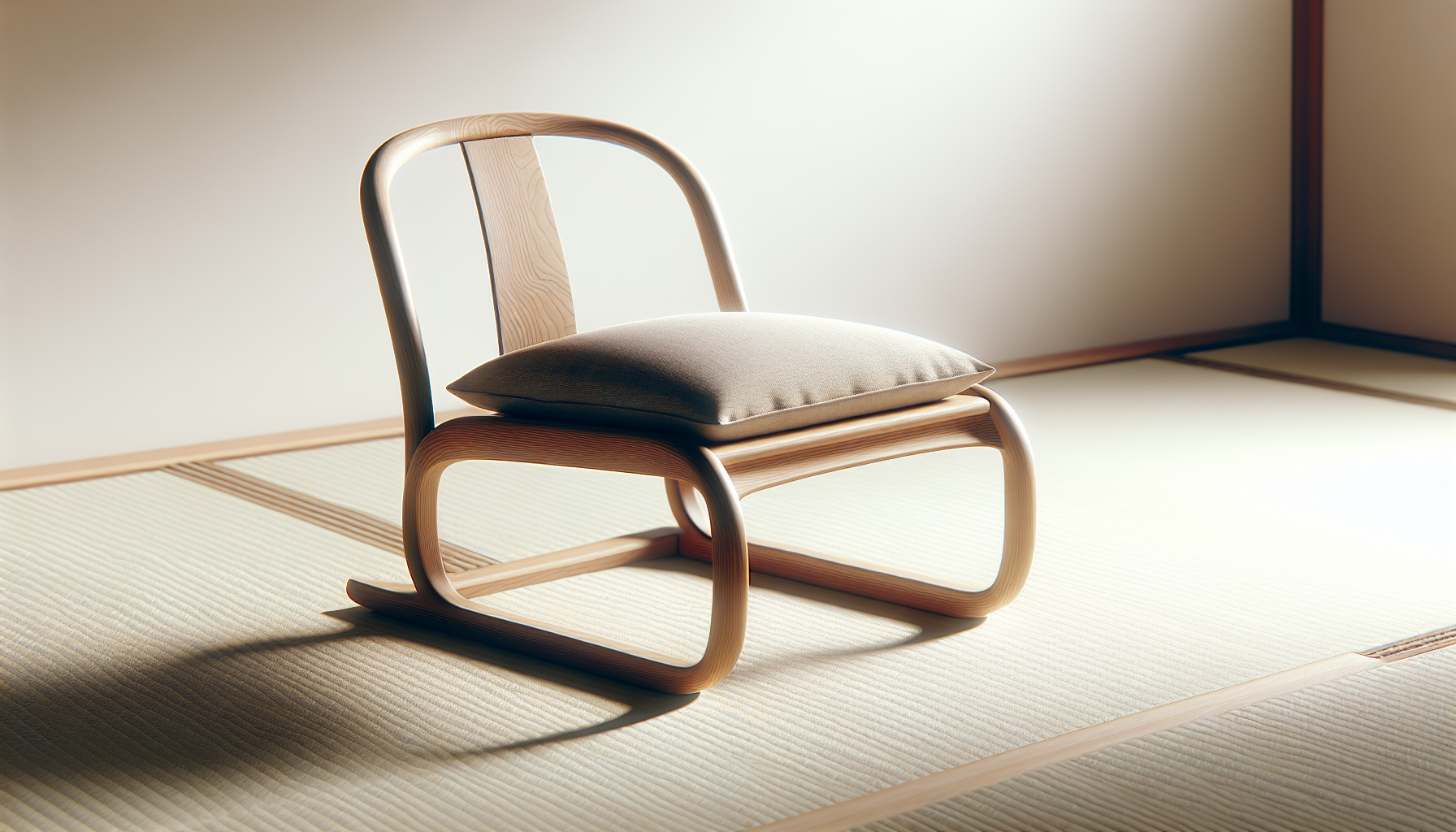
- Zaisu and floor chairs: You’ll find these supportive but informal, offering a connection to the floor that slows movement and fosters mindfulness.
- Minimal armchairs: Prefer single-purpose chairs with modest armrests and a balanced seat height. They offer a place for solitary reading or contemplation without dominating the room.
- Poufs and floor cushions: Use these for flexible seating that you can move or store quickly. Natural fibers and neutral dyes work best.
Tables that anchor without clutter
Tables should provide function without becoming visual anchors that demand attention.
- Low coffee tables: A shallow profile keeps the space visually calm. Consider open legs or slab tops with subtle grain.
- Dining tables: A sturdy but simple dining table invites slow meals and conversation. Choose clear edges and a harmonious scale relative to your chairs.
- Multipurpose consoles: Narrow consoles double as a landing zone for keys or decorative objects while maintaining a light footprint.
Beds and bedroom furniture for stillness
The bedroom is central to rest, so prioritize low platform beds and unobtrusive storage.
- Platform beds: These create a sense of stability and keep your room feeling airy. You’ll want headboards that are low or absent to avoid visual heaviness.
- Tatami-inspired setups: Mattress-on-mat or low frames mimic traditional Japanese sleeping arrangements and help you feel rooted.
- Minimal bedside tables: Small, functional surfaces with a single drawer or shelf keep essentials close without adding clutter.
Storage that reduces visual noise
Storage choices determine how tidy your space can remain.
- Built-in cabinetry: Seamless cabinetry hides clutter and preserves clean sightlines.
- Concealed storage: Look for beds with drawers, sofas with hidden compartments, or benches that store blankets.
- Open shelving sparingly: When you use open shelves, curate items with restraint and include negative space to avoid visual chaos.
- Natural baskets and boxes: Use wicker or linen-lined containers for soft, textural storage that still reads as calm.
Materials and finishes that support stillness
Materials influence how calm a room feels as much as shape does. Choose materials that age well and feel comfortable to the touch.
Wood types and finishes
You’ll typically see light to medium woods in Japandi:
- Oak: Durable, warm grain, versatile for both Scandinavian and Japanese pieces.
- Ash: Lighter grain and pale color that pairs well with soft palettes.
- Walnut: Deeper tone for contrast—use sparingly to add depth without overpowering.
- Bamboo: A sustainable option with a clean, linear look.
Finishes are usually matte or satin to avoid reflections that distract the eye. Oiled or waxed surfaces emphasize natural grain and patina over time.
Natural textiles and upholstery
Textiles should be tactile and breathable:
- Linen: Slightly irregular surface and soft drape that suggests ease.
- Wool: Provides warmth and excellent texture.
- Cotton canvas: Durable and informal for seating in busy rooms.
- Leather: Vegetable-tanned leather adds maturity and ages beautifully; choose subdued tones.
Avoid overly glossy synthetics; they can appear cold and inconsistent with Japandi calm.
Stone, paper, and ceramics
Use stone for surfaces or accent pieces to anchor a room. Paper lanterns and shoji-inspired panels soften light and create gentle shadows. Handcrafted ceramics as bowls or vases provide intentional focal points while maintaining subtlety.
Color palette and finishes for a calming environment
Your color choices are a vocabulary of calm. Subtle color creates cohesion and reduces visual tension.
Neutrals and nature-inspired hues
You should rely on a base of warm neutrals: soft whites, warm greiges, muted beiges. Add low-key accents derived from nature: moss green, clay, blue-gray, or charcoal. Use accent colors sparingly to avoid breaking the tranquil mood.
Contrast and layering
Contrast in Japandi is gentle rather than dramatic. You can layer light and medium tones of wood, textiles, and stone to create depth. Keep contrast directional and tied to material rather than saturated color.
Layout, proportion, and spatial rhythm
Furniture placement strongly affects how still a space feels. You’ll aim for balance, continuity, and intentional voids.
Maintain breathing room
Leave clear space around each major piece. You should be able to walk around furniture comfortably without crowding. Negative space acts as a visual and physical breathing zone.
Height and sightlines
Lower furniture keeps sightlines calm and encourages a grounded feeling. Avoid tall pieces that interrupt the flow unless they’re purposefully balanced by other elements.
Grouping and focal points
Group furniture into purposeful clusters, such as a conversation area or a reading nook. Use a single, quiet focal point—like a low table or a ceramic vase—to draw attention without overstimulating.
Lighting choices that encourage stillness
Light affects mood instantly. Soft, layered lighting helps sustain a calm environment.
Ambient lighting
You should set ambient light to a warm, low level in living and sleeping areas. Recessed lights with dimmers or a soft overhead fixture provide a soft base that supports all other lighting types.
Task lighting
Select minimal, directional task lamps for reading or work. Adjustable arms and matte finishes help you control light without introducing reflective glare.
Accent lighting
Use subtle accent lighting—such as floor uplights, LED strips beneath shelving, or small table lamps—to highlight texture and material. Paper lanterns and rice paper shades are excellent because they diffuse light and create calming shadows.
Textures and tactile balance
Textures help you feel connected to the room. They should be layered in measured amounts.
Layering textiles
You’ll combine a coarse rug with softer throws and a smooth wooden table top to create variety without busyness. Textural contrast should be tactile rather than colorful.
Rugs and flooring
Natural fiber rugs—wool, jute, or low-pile flatweave—anchor seating areas and reduce echo. Wood or warm-toned floors complement the rest of the palette and maintain continuity.
Accessories and objects that promote stillness
Accessories in Japandi are purposeful and restrained. You’ll choose a few tactile, meaningful objects.
Ceramics and pottery
Handmade bowls, vases, and plates offer calm focal points. Their imperfect surfaces and muted glazes add quiet character.
Greenery and plants
Plants provide life without loud color. Choose sculptural, low-maintenance species like snake plant, fiddle leaf fig, or monosodium selections for a simple silhouette. Keep pots neutral and minimal.
Art and wall decor
Opt for single, thoughtfully placed pieces rather than walls full of small frames. Textural art—linen canvases, simple wood panels, or sumi-e style prints—works well.
Practical maintenance and care
You’ll maintain calm long-term by choosing furniture that’s durable and easy to care for.
Clean finishes and repairability
Pick matte finishes and oiled wood that can be touched up. Solid wood and simple joinery are easier to repair than complex laminated pieces.
Textile care
Select upholstery and rugs that can be spot-cleaned or professionally cleaned. Keep spare cushion covers for easy refreshes.
Organization habits
Maintain a simple routine for tidying—clear surfaces nightly, rotate items in storage to prevent accumulation, and keep a designated place for essentials.
Sustainability and sourcing considerations
You can make choices that are better for the planet while supporting the Japandi ethos.
Prioritize longevity
Choose well-made pieces that you’ll keep for years. Durable materials and timeless designs reduce the need for replacement.
Local and small-scale makers
You’ll support local craftspeople and smaller brands that use traditional joinery, better materials, and ethical practices. These pieces often come with the human touch that adds to a room’s warmth.
Reclaimed and certified materials
Look for FSC-certified wood, upcycled furniture, or pieces made from reclaimed timber. Sustainability adds an ethical layer to the calm you create.
Buying guide and checklist
Use this checklist to assess furniture before you buy. It helps you maintain the Japandi balance between function and stillness.
| Question to Ask | Why it matters |
|---|---|
| Is the silhouette simple and unadorned? | Reduces visual noise and supports calm. |
| Is the scale appropriate for the room? | Prevents overcrowding and preserves negative space. |
| Are materials natural or naturally inspired? | Enhances tactile warmth and longevity. |
| Can it serve multiple purposes if needed? | Supports efficient use of space and minimalism. |
| Is the finish matte or low-sheen? | Minimizes glare and keeps focus on texture. |
| Is the piece repairable or sustainably sourced? | Extends lifespan and aligns with slow living values. |
| Does it fit your daily routines? | Ensures the furniture supports restful habits. |
Comparison: Japanese, Scandinavian, and Japandi furniture traits
This table helps you identify what to emphasize when styling Japandi. You’ll see how the hybrid style borrows strengths from each tradition.
| Trait | Japanese | Scandinavian | Japandi (you) |
|---|---|---|---|
| Shape language | Minimal, low, often horizontal | Clean lines, functional curves | Low, warm, and minimal |
| Materials | Natural wood, paper, stone | Light wood, wool, textiles | Mix of warm woods, natural fibers |
| Color palette | Muted, natural, monochrome | Light neutrals with pastels | Warm neutrals + muted accents |
| Ornamentation | Very minimal, simple craft | Functional accents, cozy textiles | Sparse accents, tactile warmth |
| Scale | Low-profile, intimate | Airy and bright | Grounded and balanced |
| Function | Ritual and efficiency | Comfort and productivity | Calm, comfort, function |
Room-by-room furniture suggestions
You’ll get concrete ideas for each room to help bring stillness into everyday living.
Living room
A living room should invite slow conversation and quiet moments. Choose a low sofa with wooden legs, a simple coffee table, one or two minimal armchairs, and a textured rug to anchor the seating area. Keep shelving concise and display only a few ceramics or books.
Suggested pieces:
- 2.5–3 seat low-profile sofa in linen.
- Rectangular or round low coffee table in oak with thin edges.
- One or two single-seat armchairs in wool or leather.
- Flatweave rug sized to encompass front legs of seating.
Bedroom
Your bedroom is a sanctuary, so aim for a platform bed, low bedside tables, and soft layered textiles. Keep surfaces clear and use built-in or under-bed storage for clothing and linens.
Suggested pieces:
- Low platform bed frame with slatted base.
- Simple bedside tables with a single drawer.
- Neutral linen bedding and a wool throw.
- Minimal pendant or bedside reading lamp with warm light.
Dining room
The dining area should encourage unhurried meals. Choose a solid wood table with a modest profile and chairs that combine comfort with visual lightness. Consider a bench on one side to reduce the number of vertical elements.
Suggested pieces:
- Rectangular dining table in oak or ash.
- Lightweight dining chairs with woven seats.
- Bench in coordinating wood for one side.
- Minimal centerpiece like a ceramic bowl.
Small spaces and multifunctional rooms
If you’re working with limited square footage, select furniture that folds, nests, or hides storage. A drop-leaf table, nestable side tables, or a sofa with built-in storage keeps your space uncluttered.
Suggested pieces:
- Drop-leaf dining table that doubles as a desk.
- Nesting coffee and side tables for flexible surfaces.
- Compact storage bench with cushion for seating.
Proportions and dimensions guide (quick reference)
Use these rough dimensions to keep scales harmonious in common rooms. Always measure your room and allow for walking clearances.
| Furniture | Typical height (in) | Notes |
|---|---|---|
| Low sofa seat height | 14–17 | Lower than standard sofas—creates grounded feel. |
| Coffee table height | 11–15 | Slightly lower than seat height for comfort. |
| Dining table height | 28–30 | Standard for chairs; ensure leg clearance. |
| Dining chair seat height | 17–19 | Matches table height for comfortable dining. |
| Bed platform height | 10–16 | Lower profiles emphasize peaceful bedroom. |
| Sideboard/cabinet height | 28–36 | Keep mid-height for visual balance. |
Styling and curation strategies
How you arrange objects matters as much as which objects you choose. Thoughtful curation keeps spaces calm.
Edit ruthlessly
You’ll remove anything that doesn’t serve a purpose or bring you joy. This process is ongoing: keep reassessing and rotating objects.
Group in odds
When you do display objects, group them in odd numbers (three or five) for a natural composition. Vary heights and textures to avoid monotony.
Keep surfaces clear
Reserve surfaces for a single focal item or a simple pairing—such as a small ceramic vase and a folded linen—rather than many small objects.
Allow for maintenance
Choose arrangements that are easy to dust and clean so that stillness isn’t lost to upkeep exhaustion.
Common mistakes to avoid
You can avoid undermining Japandi calm by sidestepping these frequent errors.
- Overdecorating: Too many accessories create visual noise.
- Mismatched scales: Large furniture in a small room crushes negative space.
- Glossy finishes: Shiny surfaces create glare and interrupt softness.
- Too much color: Saturated hues distract from the natural palette.
- Poor lighting: Harsh, cool lighting kills the sense of warmth and calm.
Final thoughts and practical next steps
You can create a still and peaceful home by choosing furniture that balances form, function, and material truth. Start with a few foundational pieces—sofa, table, bed—and build slowly, favoring items that support daily rituals and long-term use.
Actionable next steps:
- Measure your space and note existing items to keep.
- Create a shortlist of foundational pieces you need now.
- Prioritize natural materials and simple silhouettes.
- Source at least one handcrafted or sustainably made piece.
- Commit to a regular 10-minute nightly clear-up to maintain visual calm.
By focusing on proportion, material, and restraint, you’ll cultivate rooms that quietly support stillness. The furniture you choose becomes part of a rhythm that encourages slow living and mindful presence in your everyday life.