
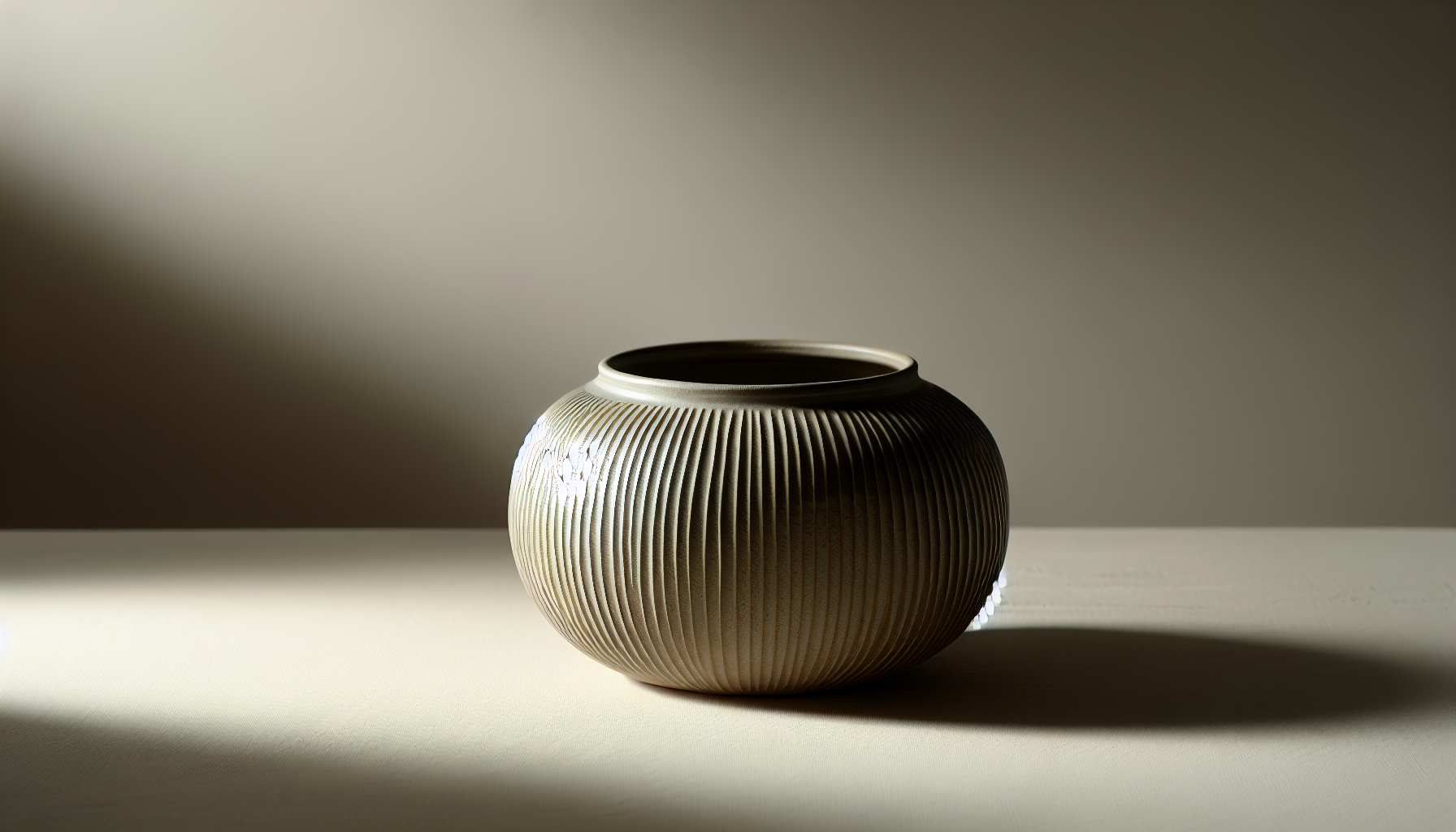
Have you ever walked into a room and instantly felt calmer, like the weight of the day softened by the space itself?
The Role of Texture in Japandi Peaceful Interiors
Japandi blends Japanese restraint with Scandinavian warmth, and texture is one of the key elements that makes this hybrid style feel so peaceful. You’ll notice that texture in the natural materials, tactile contrasts, and the quiet rhythms of repeated patterns, all of which work together to create spaces that soothe and invite.
Why Japandi Feels “Peaceful” to Most Viewers
Japandi’s peacefulness comes from a balance of simplicity and warmth. You’ll see clean lines and uncluttered layouts from Japanese minimalism paired with the soft, inviting textiles and light wood tones of Scandinavian design. Texture plays a central role by adding sensory richness without visual clutter.
Core Principles of Japandi That Influence Texture
You’ll benefit from understanding the underlying principles of Japandi so you can apply texture more intentionally. The aesthetic centers on minimalism, natural materials, muted color palettes, and craftsmanship—each of which shapes how texture is used.
Minimalism and Restraint
In Japandi, less is more. You’ll use texture to add interest without overloading the eye; a few well-chosen tactile elements create depth while keeping surfaces clean.
Natural Materials and Craftsmanship
Natural materials like wood, stone, linen, and clay are celebrated for their inherent textures. You’ll find these materials valued for their imperfections and craft, which contribute to a feeling of authenticity and calm.
Warmth and Functionality
Scandinavian influence ensures the space remains cozy and functional. You’ll pair soft textiles and layered rugs with functional surfaces so texture enhances comfort without sacrificing usability.
How Texture Affects Perception of Peace
Texture interacts with your senses and cognitive processing. You’ll notice certain textures signal relaxation while others create alertness. Learning how texture shapes perception helps you design spaces that feel peaceful to both sight and touch.
Sensory Comfort and Touch
Tactile elements like soft throws or a smooth wooden table invite physical engagement and comfort. You’ll naturally relax when you can touch inviting surfaces, because touch is closely linked to emotion regulation.
Visual Rhythm and Balance
Texture can create rhythm through repetition and contrast. You’ll feel calmer in a room with balanced textural contrasts—soft fabrics offset by matte ceramics, for example—because the eye has predictable, soothing paths to follow.
Scale and Pattern
Large-scale textures (wide wood grain, broad woven rugs) contribute to openness, while small-scale textures (fine weave, subtle nubs) add intimacy. You’ll use scale deliberately to guide the mood: larger textures for airy calm, smaller textures for cozy calm.
Common Textural Materials in Japandi Interiors
Here’s a table summarizing common materials you’ll encounter in Japandi spaces, plus their tactile and visual qualities to help you choose confidently.
| Material | Tactile Quality | Visual Effect | Typical Use |
|---|---|---|---|
| Oak or Ash Wood | Smooth to slightly grained | Warm, light tones | Flooring, furniture, shelving |
| Cedar/Teak | Fine to rustic grain | Rich, warm accents | Accent furniture, frames |
| Stone (matte finishes) | Cool, slightly rough | Grounding, natural | Countertops, hearths, tiles |
| Concrete (sealed/matte) | Smooth-cool | Modern, minimal | Floors, countertops, walls |
| Linen | Crisp, slightly textured | Light, airy | Curtains, bedding, cushions |
| Wool | Soft, slightly coarse | Cozy, insulating | Rugs, throws, upholstery |
| Cotton (heavy-weave) | Smooth, breathable | Casual, soft | Cushions, upholstery |
| Bamboo/Rattan | Firm, textured | Organic, sculptural | Chairs, screens, accents |
| Clay/Ceramic (matte) | Slightly rough, tactile | Handcrafted, honest | Pottery, sinks, tiles |
| Paper (washi) | Delicate, fibrous | Soft, diffused light | Lampshades, wall panels |
Visual vs. Tactile Texture: Why Both Matter
You’ll need to balance what a surface looks like with what it feels like. Visual textures—grain patterns, weave shadows, and matte finishes—create perceived depth. Tactile textures—how something feels when touched—deliver comfort and invite interaction.
Visual Texture Creates Depth Without Weight
Visual texture adds perceived complexity that doesn’t add physical clutter. You’ll appreciate how a subtle wood grain or a mottled plaster wall can make a flat surface read as layered and intentional.
Tactile Texture Encourages Interaction
Tactile textures promote use: you’ll reach for a soft throw, sit on a woven cushion, or run your hand along smooth wood. These small interactions generate comfort and familiarity, encouraging relaxation.
How Lighting Interacts with Texture
Light defines texture. You’ll learn to use natural and artificial light to enhance the textures that support tranquillity, because the same texture can read completely differently under different lighting conditions.
Natural Light Amplifies Natural Textures
Natural light brings out wood grain, linen weave, and stone variations. You’ll position textured surfaces where daylight can play across them to reveal richness and complexity.
Directional Light Creates Shadow and Dimension
Side light and low-angle light accentuate texture through shadow. You’ll use directional lighting to dramatize grain and weave subtly—creating calm depth rather than stark drama.
Soft, Diffused Light Supports Subtle Textures
For peaceful spaces, you’ll prefer diffused light that softens shadows and emphasizes gentle textures. Lamps with paper or fabric shades and curtains that filter light are useful tools.
Palette Choices That Complement Texture
Texture works best with a muted, cohesive palette. You’ll usually find Japandi interiors use neutral, earthy tones so texture becomes the focal point rather than bold color.
Neutral Bases for Calm
Whites, greys, beige, and muted greens form a calm backdrop. You’ll use these tones to ensure textural variations show up distinctly without competing with saturated hues.
Warm Undertones for Comfort
Soft warm undertones (warm greys, warm whites, honeyed wood tones) add the kind of embrace that keeps minimalism from feeling cold. You’ll pair these with tactile fabrics to amplify a sense of well-being.
Room-by-Room Guide to Texture in Japandi Interiors
Use texture purposefully in each room. Below are practical tips for the living room, bedroom, kitchen, bathroom, and entry area so you can design consistent calm throughout your home.
Living Room: Layered Comfort Without Clutter
Your living room should invite long conversations and calm reading sessions. You’ll layer textures with one or two large rugs, a linen sofa, wool cushions, and a wooden coffee table. Keep patterns mostly tone-on-tone.
Practical suggestions:
- Use a large natural fiber rug to anchor the seating area.
- Place a linen or wool throw on the sofa for tactile comfort.
- Balance with a matte ceramic vase or a wooden tray for grounding.
Bedroom: Textures That Encourage Rest
Your bedroom should feel cocooning. You’ll prioritize soft bedding, natural fiber rugs, and a smooth wood headboard. Keep textural contrasts gentle to promote sleep.
Practical suggestions:
- Choose high-quality linen sheets and a wool blanket.
- Opt for a low-profile wooden bed frame with a visible grain.
- Use a paper or fabric pendant light for diffused illumination.
Kitchen: Functional Textures That Feel Warm
Kitchens need to be durable and practical while remaining warm. You’ll combine matte stone or concrete countertops with wooden shelving and woven baskets for storage.
Practical suggestions:
- Use a matte finish for counters to reduce glare.
- Introduce open shelving in wood to show hand-thrown pottery.
- Employ woven baskets for soft, tactile storage zones.
Bathroom: Spa-like Textures for Calm
Bathrooms benefit from cool, clean textures that still hold warmth. You’ll use matte tiles, wood accent shelves, and cotton or linen towels for a serene spa effect.
Practical suggestions:
- Choose matte stone or porcelain tiles for floors and walls.
- Add wooden shelving or stool for warmth and contrast.
- Opt for textured towels and a woven laundry basket.
Entry: Textures That Welcome Without Noise
The entry sets the tone for the home. You’ll use a durable natural-fiber rug, a wooden bench, and a simple ceramic catchall to introduce texture without clutter.
Practical suggestions:
- Select a striped or lightly patterned flatweave rug for practicality.
- Use a smooth wooden bench to encourage removal of shoes.
- Place a woven tray for keys and small daily items.
Layering Texture: Techniques You’ll Use
Layering is how you create depth. You’ll combine different textures in scale, material, and finish to achieve a cohesive, tranquil result.
Contrast in Scale
You’ll mix large, bold textures (plank flooring, wide-weave rugs) with small, delicate textures (fine linen cushions) to avoid monotony and provide visual rest.
Contrast in Finish
Combine matte surfaces with the occasional satin wood or slightly glossy ceramic. You’ll use small reflective moments to catch the eye without creating sharp contrasts.
Repetition for Rhythm
Repeat textures or materials in multiples—three cushions in different weaves, several wooden objects of similar tone—to create rhythm and a sense of calm predictability.
Practical Materials Table: Best Combinations for Calm
Use this table to see which materials pair well together to create a peaceful Japandi ambiance.
| Primary Material | Complementary Material(s) | Why It Works |
|---|---|---|
| Light oak flooring | Linen upholstery, wool rug | Warm grain anchors the room; soft textiles add comfort |
| Matte stone counters | Wooden shelves, ceramicware | Grounded surface with warm, handmade accents |
| Textured plaster walls | Smooth wooden furniture, woven baskets | Wall texture adds interest while wood keeps warmth |
| Linen curtains | Bamboo blinds, wool rug | Airy movement combined with organic structure |
| Concrete floor (sealers) | Sheepskin rug, wooden stool | Industrial base softened by tactile accents |
Maintenance and Longevity: Caring for Textured Materials
You’ll want to maintain the textures that contribute to the peaceful feeling. Natural materials require different care than synthetics, and proper maintenance preserves both look and touch.
Wood Care
Dust regularly and use appropriate oils or waxes to nourish wood. You’ll avoid harsh chemicals and prefer microfibre cloths for daily dusting and mild soap for deeper cleaning.
Textile Care
Follow fabric care labels closely. You’ll rotate rugs and cushions to avoid uneven wear and consider professional cleaning for wool or heavy linens to maintain texture.
Stone and Concrete
Use pH-neutral cleaners and reseal surfaces like stone or concrete when recommended. You’ll avoid abrasive pads that can alter the surface texture.
Daily Habits That Protect Texture
Simple routines—removing shoes, using coasters, and regularly fluffing cushions—will greatly extend the life of textured items. You’ll get more tactile comfort from things that are well maintained.
Sustainability and Ethical Choices for Textural Integrity
Japandi aligns well with sustainable practices. You’ll prioritize long-lasting materials, local craftsmanship, and responsibly sourced fibers to keep texture and ethics aligned.
Choose Natural Fibers Where Possible
Natural fibers age gracefully and develop character. You’ll prefer wool, linen, and cotton for their longevity and lower environmental impact, especially when sourced responsibly.
Invest in Quality Over Quantity
High-quality pieces with visible craftsmanship last longer and feel better. You’ll find that investing in a well-made wooden table or handcrafted pottery pays off in tactile pleasure and durability.
Support Local Artisans
Local artisans often use traditional methods that produce unique textures. You’ll support local craft and add one-of-a-kind tactile elements that enhance the peacefulness of your home.
Mistakes to Avoid When Working with Texture
Being mindful of common pitfalls helps you keep the space tranquil. You’ll avoid over-texturing, harsh contrasts, and poorly maintained materials.
Over-Texturing
Too many competing textures can create visual chaos. You’ll limit the number of different materials in any given area and use repetition for cohesion.
Harsh or Synthetic Textures That Clash
Avoid overly shiny or plastic-like textures that break the natural, quiet feeling. You’ll opt for matte and natural-feeling finishes.
Ignoring Scale and Proportion
Textures must be in scale with room size and furniture proportions. You’ll use larger textures in open spaces and finer textures in intimate corners.
DIY and Budget-Friendly Tactics You Can Use
You don’t need to spend a fortune to achieve Japandi calm. You’ll use simple, affordable tactics to introduce texture and warmth.
Refinish Existing Wood
Sanding and oiling a weathered table reveals new warmth. You’ll be surprised how much renewed grain adds to a room.
Add Handwoven or Flatweave Rugs
Flatweave rugs are economical and durable. You’ll add texture and warmth underfoot without heavy investment.
Swap in Linen or Cotton Covers
Changing cushion covers to linen or heavy cotton instantly shifts the tactile profile of a sofa. You’ll keep the same furniture but alter its presence.
DIY Plaster or Lime Wash
A light lime wash or textured plaster can give walls subtle depth. You’ll get artisanal feel without expensive materials if you follow instructions carefully.
Product Selection: What to Look For
When shopping, you’ll pay attention to feel, finish, and provenance. Look for natural dyes, visible grain, and hand-finished surfaces.
Checklist for buying:
- Inspect the weave and feel of textiles in person when possible.
- Look for matte finishes and visible craftsmanship in ceramics and wood.
- Ask about material sources and care instructions.
Case Studies: Two Hypothetical Rooms You Can Recreate
Seeing examples helps you apply the concepts. Below are two room descriptions you can replicate or adapt to your home.
Case Study 1: Small City Living Room
You have a compact living room and want it to feel spacious yet warm. You choose light oak floors, a low-profile linen sofa, and a wide, low coffee table in ash. A large flatweave wool rug anchors seating, while a couple of cushions in different weaves add tactile interest. A paper shade pendant casts soft light, and a matte ceramic vase with a simple branch finishes the composition.
Why this works:
- Low furniture and large-scale textures make the room feel larger.
- A restrained palette keeps visual noise low while varied textures add depth.
Case Study 2: Tranquil Bedroom Retreat
You aim for a restful master bedroom. You go with a cedar bed frame, linen sheets, and a wool blanket at the foot. Walls are a muted warm grey with subtle lime plaster, and a bamboo blind filters morning sun. A soft sheepskin beside the bed and a ceramic jug on a wooden nightstand complete the space.
Why this works:
- Natural fibers and warm wood encourage rest.
- Soft, diffused light highlights textures without sharp shadows.
Final Checklist: Creating Texture-Driven Japandi Peace
Use this checklist to guide your design process. You’ll make deliberate choices that enhance calm and tactile richness.
- Choose a muted, natural palette.
- Prioritize natural materials: wood, wool, linen, stone.
- Balance visual and tactile textures.
- Layer textures in scale, finish, and repetition.
- Use soft, diffused lighting to reveal texture gently.
- Maintain and care for materials to preserve tactile quality.
- Favor quality craftsmanship and sustainable sourcing.
Closing Thoughts
You’ll find that texture is the quiet hero of Japandi interiors—sometimes subtle, often tactile, always essential for achieving a peaceful atmosphere. By balancing materials, scales, and finishes thoughtfully, you’ll create rooms that feel lived-in, crafted, and calming. The next time you arrange a space, pause and think about how it will feel under your hands and how light will play across it; those choices are what transform a room into a sanctuary.