
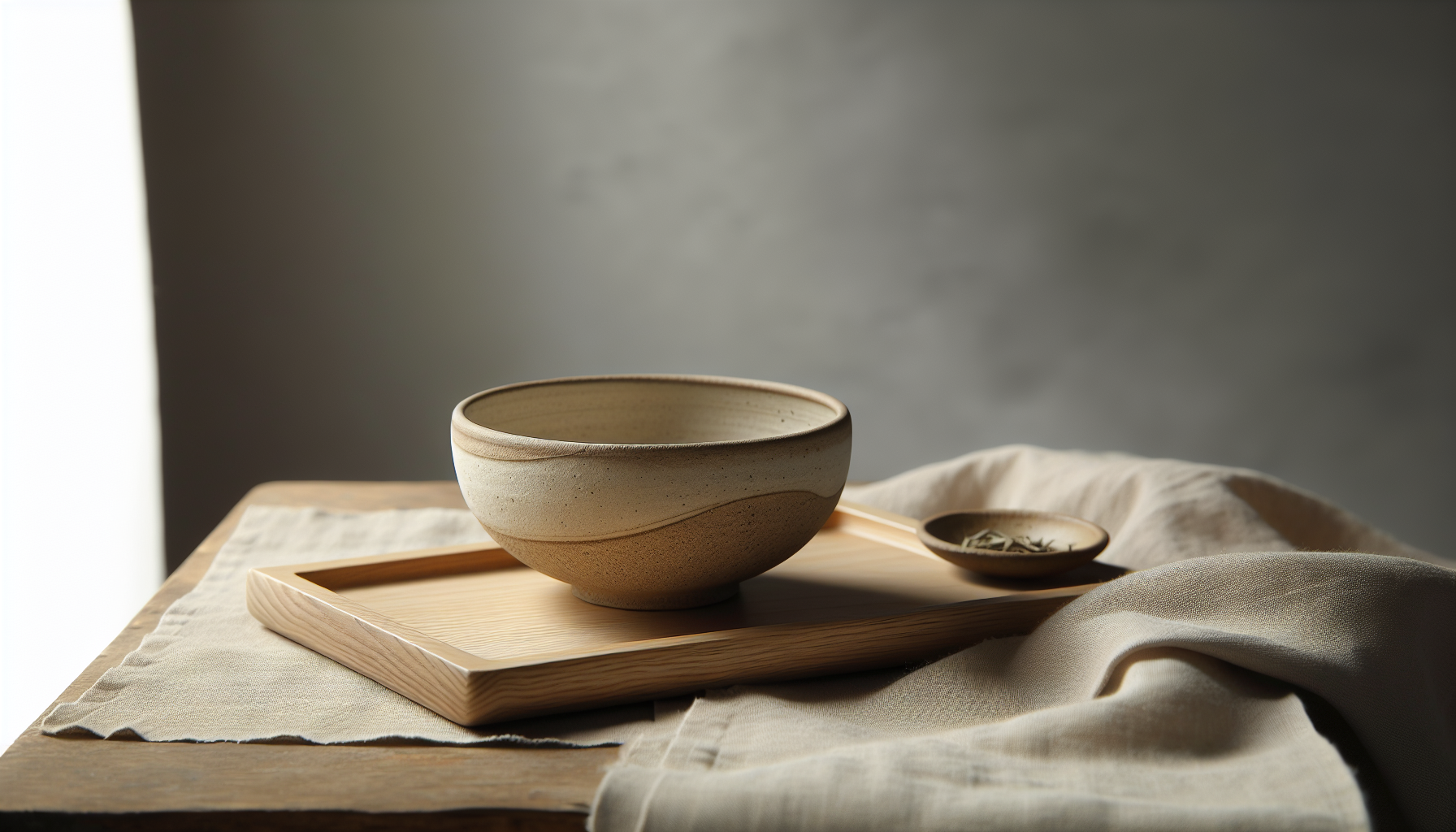
Have you noticed how some rooms immediately calm your mind, making it easier to breathe and think clearly?
Why Japandi Creates a Sense of Harmony
You’ll often feel a quiet, balanced energy in Japandi interiors because the style intentionally blends two design philosophies that prize restraint, functionality, and connection to nature. That combination produces spaces that feel thoughtfully composed rather than cluttered or overstimulating.
What is Japandi?
Japandi is a hybrid interior style that brings together Japanese minimalism and Scandinavian warmth into a single, coherent aesthetic. You get clean lines and purposeful simplicity from Japan, coupled with the coziness and practical comfort of Scandinavian design.
The fusion explained
When you combine Japanese restraint with Scandinavian hygge-like comfort, you get a restrained warmth: surfaces are kept calm and uncluttered, but materials and textiles invite you to stay and relax. The result is a balanced space where form and function support each other rather than compete.
Roots: Japanese aesthetics and Scandinavian design
Japanese design emphasizes natural materials, craftsmanship, negative space, and the aesthetic philosophy of wabi-sabi — finding beauty in imperfection and impermanence. Scandinavian design emphasizes light, usability, and comfort, with an eye for durable, well-made pieces that create a snug atmosphere. Together they form Japandi, where modesty in decoration meets welcoming, human-centered furniture.
Core philosophies behind the style
Japandi relies on several overlapping philosophies: reduced visual clutter, respect for materiality, and slow living. These philosophies steer choices toward fewer, better items and surfaces that age gracefully, which helps cultivate a sustained sense of calm and harmony in the spaces you inhabit.
Key principles that produce a calming effect
Understanding these principles helps you recreate that calming energy in your own space. Each principle not only affects how things look, but how your brain and senses respond.
Minimalism and purposeful simplicity
You’ll notice Japandi avoids unnecessary ornamentation and focuses on what’s essential. By limiting visual noise, your attention is free to rest on form, texture, and spatial relationships, which reduces cognitive load and fosters calm.
Natural materials and textures
Natural woods, stone, linen, wool, and ceramics are staples because they provide subtle sensory interest without shouting for attention. Those textures create warmth and tactile comfort that feels reassuring and grounded.
Neutral palette and color harmony
Muted, neutral color schemes reduce visual complexity and promote relaxation. Japandi uses warm neutrals, soft grays, and muted greens or blues as accents so the overall impression remains soothing.
Balanced proportions and asymmetry
Japandi often uses asymmetry in carefully balanced compositions; this keeps spaces visually interesting while still feeling composed. You’ll find furniture and objects arranged to create a gentle rhythm that your eye can follow comfortably.
Negative space and uncluttered surfaces
Allowing breathing room around objects and furniture is crucial. Negative space gives your brain permission to rest and makes important elements feel more significant without needing more things.
Functionality and craftsmanship
You’ll see simple, well-crafted furniture designed to last and serve specific purposes. When each item has meaning and function, you’re less tempted to add superfluous pieces, which maintains harmony.
Sensory calm: light, sound, scent
Japandi attends to non-visual senses too: warm, layered lighting, soft textiles to reduce echo, and subtle natural scents from wood or plants all contribute to an environment that feels peaceful in multiple ways.
Biophilia and connection to nature
Bringing plants, natural light, and organic materials into a space responds to a human preference for nature. You’ll experience reduced stress and improved mood when your surroundings echo natural patterns and materials.
Wabi-sabi and acceptance of imperfection
Wabi-sabi teaches you to appreciate the imperfect, the worn, and the transient. That acceptance lowers the pressure to have everything pristine and can create a relaxed, lived-in comfort that feels authentic.
Hygge-like warmth and hospitality
While not identical to hygge, Japandi borrows that sense of cozy comfort — soft throws, warm wood tones, and intimate lighting — so that restrained spaces still feel inviting. You’ll feel both calm and cared for.
How human perception and psychology respond to Japandi
There are clear cognitive and emotional reasons you feel peace in Japandi interiors. Understanding these mechanisms helps you make intentional design choices.
Visual processing and reduced cognitive load
Your brain constantly sorts visual stimuli. Less clutter means fewer items competing for attention, which lowers cognitive load and reduces stress. In Japandi spaces, the limited palette and restrained objects let your visual system rest.
Color psychology and emotional tone
Muted neutrals and warm wood tones are associated with stability, safety, and relaxation. Even small color accents are used sparingly to calm rather than stimulate. You’ll notice how the palette promotes thoughtful stillness.
Tactile cues and comfort
Soft textiles, textured woods, and matte ceramics provide tactile satisfaction without overstimulation. When you touch these surfaces, they communicate durability and warmth, which supports emotional ease.
Rhythms, patterns, and visual flow
Repeated simple rhythms — like the slat of a wooden screen or the grain of oak — guide your gaze in calming ways. You experience a visual flow that’s satisfying but not demanding, which is inherently calming.
Memory, familiarity, and cultural associations
If you’ve been exposed to either Japanese or Scandinavian design, those associations can trigger positive feelings of simplicity and comfort. But even without prior exposure, humans are wired to find symmetry, natural materials, and soft light soothing.
Common elements and materials in Japandi
Knowing the palette of materials and forms will help you choose pieces that build harmony rather than fracture it. These elements have intentional qualities that contribute to the calming effect.
Wood and joinery
Light- and mid-tone woods (oak, ash, walnut, beech) are typical, often with simple joinery that highlights craftsmanship. You’ll see visible grain and subtle finishes — wood provides warmth and tactile interest.
Ceramics and pottery
Handmade ceramics with matte glazes often appear in Japandi settings. They introduce gentle imperfection and human touch, contributing to wabi-sabi’s acceptance of the handcrafted.
Textiles: linen, wool, cotton
Natural fabrics in neutral tones and coarse weaves give softness without glossiness. Layer these textures for comfort in seating and bedding.
Metal and black accents
Muted metal hardware or thin black metal accents add contrast without overpowering. These elements act like punctuation marks rather than focal points.
Natural fibers and rattan
Rattan, seagrass, and bamboo can be used for light furniture and storage. They add subtle texture and an organic feel.
Stone and concrete
Stone countertops, clay tiles, and concrete finishes can anchor a space and provide a cool, textural counterpoint to warm woods. Use them sparingly so they don’t overwhelm the warmth.
Minimal ornamentation
Small, meaningful objects — a ceramic vase, a simple bowl, a single framed print — are preferred over many decorative items. Each object has space to be appreciated.
Here’s a table that clarifies how Japanese and Scandinavian elements combine in Japandi:
| Element | Japanese contribution | Scandinavian contribution | How Japandi blends them |
|---|---|---|---|
| Color | Muted neutrals, natural pigments | Soft pastels, warm neutrals | Warm-neutral base with restrained accents |
| Furniture | Low profiles, tatami-inspired proportions | Functional, ergonomic forms | Low to mid-height furniture with comfort and usability |
| Materials | Bamboo, lacquer, ceramics, raw wood | Oak, ash, wool, sheepskin | Natural woods with tactile textiles and handcrafted ceramics |
| Ornament | Wabi-sabi simplicity, single objects | Practical decorative objects, hygge textiles | Minimal decor with cozy textiles and meaningful objects |
| Layout | Emphasis on negative space, modular | Open plans, light-focused | Open, airy layouts that feel structured and cozy |
| Finish | Matte, hand-finished surfaces | Smooth, light finishes | Matte or softly finished surfaces that show texture |
Lighting and layout strategies that foster harmony
Lighting and layout dramatically shape how you feel in a room. Japandi emphasizes both natural light and layered artificial light, plus careful spatial planning.
Natural light and window treatments
You’ll want to maximize daylight with simple, translucent window coverings that soften harsh sun while maintaining privacy. Allowing diffuse natural light creates a stable, gentle mood throughout the day.
Artificial lighting choices
Layer lighting with ambient, task, and accent sources. Warm color temperatures (2700–3000K) complement the wood tones and keep the mood cozy. Choose fixtures with simple forms and natural materials.
Spatial layout and flow
Plan furniture to create clear circulation paths and intentionally empty zones. A well-considered layout prevents crowding and allows each piece to be appreciated without visual competition.
Furniture scale and arrangement
Pick furniture scaled to human proportions and to the room’s size; oversize pieces destroy intimacy while too-small items fragment space. Group seating to encourage social interaction and relaxation.
Textures, patterns, and surfaces: what to choose and why
Texture provides richness without visual noise; patterns should be subdued and organic. Your choices here greatly affect how friendly and calm a space feels.
Layering textures for softness
Combine coarse weaves (linen curtains), medium-texture upholstery (wool or cotton blends), and smooth surfaces (ceramic or wood) to create tactile depth. Layering invites touch and gives visual complexity without clutter.
Patterns: restrained and natural
If you use patterns, choose subtle, nature-inspired motifs like thin stripes, understated checks, or irregular organic marks. Keep scale moderate so patterns don’t dominate.
Surface finishes: matte vs glossy
Matte and satin finishes help control reflections and look more natural. Glossy surfaces can feel flashy and pull attention; use them sparingly if at all.
Color palette examples and how to use them
Color decisions set the emotional tone. Japandi typically favors neutrals with carefully chosen accents that are either cool and muted or warm and earthy.
Warm neutrals (wood tones, beige, warm gray)
Use warm neutrals for large surfaces like floors and major furniture pieces. These colors create a cozy, grounded base that feels timeless.
Cool-muted palette (soft gray, muted blue, desaturated green)
Use cooler muted tones for accents in textiles or artwork to introduce calm contrast. This palette evokes quiet sophistication without coldness when paired with warm wood.
Earthy accents (terracotta, ochre, moss)
Small accent pieces in earthy colors add life and a subtle focal point. Use these in ceramics, textiles, or a single upholstered chair to keep the palette restrained.
Room-by-room guide for creating harmony
Practical, room-specific advice helps you implement Japandi in a way that consistently produces calm across your home. Below is a concise checklist tailored to key rooms.
| Room | Key materials/elements | Practical tips |
|---|---|---|
| Living room | Low-profile sofa, wooden coffee table, linen curtains, ceramic accessories | Keep furniture arrangement open, use one statement rug, limit decor to a few meaningful pieces |
| Bedroom | Wooden bed frame, natural bedding, wool throw, soft lighting | Use layered lighting, keep surfaces clear, choose calming wall color and minimal art |
| Kitchen | Wood cabinets, matte countertops, simple hardware, ceramic dishes | Store frequently used items out of sight, use open shelving sparingly, emphasize natural textures |
| Dining room | Solid wood table, simple chairs, ceramic tableware, pendant lighting | Keep table uncluttered, use a low centerpiece, choose warm lighting above table |
| Bathroom | Natural stone or matte tiles, wood accents, neutral textiles | Use simple storage solutions, add plants or small wooden shelf for warmth |
| Entryway | Small wooden bench, hidden storage, muted rug | Offer a single visually-weighted object (a mirror or art) and keep shoe storage tidy |
| Home office | Minimal desk, ergonomic chair, natural light, soft textiles | Remove unnecessary items, add one plant, limit wall art to reduce distraction |
You’ll notice common themes: decluttering, natural materials, and restrained decor. These practical decisions maintain visual calm throughout the home.
Practical tips to implement Japandi without spending much
You don’t need an unlimited budget to create a harmonious Japandi feel. Small, intentional changes can have big effects.
- Choose a neutral base: Paint walls in a warm or cool neutral and build from there so mismatched items feel coherent.
- Edit ruthlessly: Remove items that don’t serve function or emotional value. You’ll appreciate the clarity this creates.
- Mix old and new: Pair a well-loved wooden table with a simple modern lamp — contrast can feel curated rather than cluttered.
- Focus on textiles: Swap bright or busy fabrics for linen or wool throws and neutral cushions to change the mood affordably.
- Bring in plants: One or two well-placed plants add life and soften geometry without cost-prohibitive changes.
- DIY texture: Add a woven wall hanging or hand-crafted ceramics from local makers to create warmth and personality.
- Replace hardware: Changing cabinet pulls to simple black or brass versions can subtly shift the style.
- Lighting swap: Replace harsh bulbs with warm-toned bulbs and add a floor lamp or pendant with a simple silhouette.
Common mistakes and how to avoid them
You can unintentionally undermine harmony with a few missteps. Knowing these common problems helps you course-correct quickly.
- Over-accessorizing: Filling surfaces with small items defeats the purpose of negative space. Keep only pieces you love and rotate others into storage.
- Too many competing finishes: A jumble of glossy and highly contrasting finishes creates visual friction. Stick to a limited material palette.
- Cold minimalism: Minimalism without warmth can feel sterile. Balance restraint with tactile textiles and wood tones to maintain coziness.
- Scale mismatch: Furniture that’s too large or small disturbs balance and flow. Measure first and choose pieces that fit the room’s proportions.
- Ignoring lighting: Poor lighting flattens textures and weakens mood. Layer light and prioritize warm temperatures to keep spaces inviting.
- Skimping on quality where it matters: Sacrificing durability for price on frequently used pieces (like sofas) leads to inconsistencies in comfort and longevity. Invest in essentials where you sit and sleep.
Maintenance and longevity: keeping harmony over time
Sustaining a calming environment requires ongoing choices, not just a one-time makeover. Maintenance and mindful purchasing help you keep harmony longer.
- Adopt a seasonal edit: Rotate decorative items and textiles with the seasons to maintain freshness without adding clutter.
- Care for natural materials: Follow care instructions for wood and textiles to keep surfaces beautiful; oil or wax wood periodically and wash textiles gently.
- Regular decluttering: Set a monthly 15–30 minute session to reassess surfaces and storage; small actions prevent buildup.
- Repair rather than replace: Japandi values the aged look. If an item is damaged, consider repair — it can enhance character and reduce waste.
- Keep storage hidden: Use clean-lined storage to maintain visual calm, and be disciplined about what you allow into those spaces.
Why Japandi feels peaceful to most viewers
This is the heart of the question: why does Japandi evoke peace for so many people? Several overlapping reasons explain the universal appeal.
- It reduces sensory overload. Japandi limits color variety, ornamentation, and visual clutter, which lowers the amount of stimuli your brain must process. Less processing equals less stress.
- It activates a natural, biophilic response. Natural materials and plants trigger an innate calming response in people, improving mood and lowering sympathetic nervous system activation.
- It balances familiarity and novelty. You get the reassuring familiarity of warm wood and soft textiles alongside the thoughtful restraint of minimal design. That balance can feel both comforting and sophisticated.
- It promotes a sense of control and order. An organized, intentional space communicates predictability and safety, which helps reduce anxiety and fosters relaxation.
- It communicates intentionality. When each object looks chosen for a reason, you perceive the space as curated rather than chaotic, which encourages you to value and care for the environment.
- It allows mental breathing room. Negative space and uncluttered surfaces create literal breathing room; visually, these gaps translate into mental space where thoughts can settle.
- It resonates with contemporary values. Many people now prioritize sustainability, craftsmanship, and slow consumption — values that Japandi visibly supports, and this alignment adds psychological satisfaction.
Small rituals that enhance the harmonious feeling
What you do in a space matters as much as how it looks. Small daily rituals reinforce the calm atmosphere.
- Make your bed every morning to set a composed tone for the day.
- Clear the dining table after meals to keep surfaces uncluttered.
- Light a neutral-scent candle or use an essential-oil diffuser sparingly to add subtle scent.
- Tidy high-traffic surfaces each evening to preserve visual calm.
- Spend five minutes with a plant — watering or pruning keeps you connected to living materials.
How to personalize Japandi without breaking harmony
Personalization keeps a Japandi interior from feeling generic. Use these ideas to make the style yours while maintaining balance.
- Pick a small collection of objects that matter to you and display them intentionally.
- Use one strong accent color tied to a single material or textile, then repeat that accent subtly around the room for cohesion.
- Incorporate handmade pieces — ceramics, textiles, or woodworking — to add visible human trace.
- Display one or two pieces of art with simple frames and restrained subject matter; negative space around the art enhances its impact.
Final thoughts
You’ll find that Japandi creates harmony because it intentionally aligns form, function, materiality, and human psychology. It’s not just a visual style; it’s an approach to living spaces that encourages calm, thoughtful use of objects and an appreciation for natural materials and quiet craftsmanship. If you apply a few of the principles above — edit with intention, choose tactile materials, layer warm lighting, and respect negative space — you’ll be able to shape a home that quietly supports rest, focus, and well-being.