
Have you ever stepped into a room and felt a sudden sense of calm without being able to name why?
Japandi Design Principles That Calm the Mind
Japandi is a hybrid aesthetic that marries Japanese simplicity with Scandinavian warmth, creating spaces that feel intentionally serene. You’ll find that its calming effect comes from a careful balance of restraint, texture, and thoughtful function that supports daily life rather than overwhelms it.
Why Japandi Feels Peaceful
Japandi feels peaceful because it reduces visual noise and emphasizes meaningful objects and materials. You’ll notice fewer distractions and more intentional surfaces, which helps your mind relax and focus on the present moment.
Cognitive reasons behind the calm
Your brain responds positively to environments that are clear, orderly, and full of gentle sensory cues. By limiting colors, reducing clutter, and using natural textures, Japandi supports attention restoration and reduces decision fatigue.
Emotional and cultural influences
Japandi borrows from wabi-sabi (Japanese acceptance of imperfection) and Scandinavian hygge (cozy comfort), so your emotional experience is one of acceptance and warmth. You’ll feel invited to slow down and appreciate the beauty in simple, well-made things.
Core Principles of Japandi Design
Each principle below explains what it is and how it contributes to the calming effect. You can use these as a checklist when planning or editing your space.
Simplicity and intentionality
Simplicity means you choose items because they add function or beauty, not because they fill space. When you intentionally select each piece, your room will breathe easier and your mind will follow.
Minimalism without coldness
Japandi strips excess but avoids starkness by layering textures, warm woods, and soft textiles. You’ll get a clean look that still feels inviting rather than austere.
Natural materials and textures
Wood, stone, linen, and paper are staples because they bring tactile and visual warmth. When you touch or see natural surfaces, your body often responds with reduced stress.
Neutral and muted color palette
Soft beiges, warm grays, muted greens, and deep charcoals form the core palette, supporting visual calm. You’ll find color is used to support balance and subtle contrast rather than call attention to itself.
Functional furniture and clean lines
Furniture is designed to be useful and honest, often with low profiles and simple silhouettes. You’ll prefer pieces that solve a problem and stand the test of time.
Balance of symmetry and asymmetry
Japandi mixes symmetrical arrangements with intentional asymmetry, creating visual interest without chaos. You’ll sense order balanced with organic informality, which feels naturally calming.
Wabi-sabi and handcrafted details
Imperfections and handmade items are celebrated because they tell a story and soften the environment. When you include small artisanal pieces, your home gains personality that supports serenity.
Light, air, and negative space
Natural light, open circulation, and spaces left intentionally empty are key elements that let rooms “breathe.” You’ll notice how negative space frames important objects and reduces visual overload.
Japanese vs Scandinavian Influences: A Comparison
This table outlines the distinct contributions from each tradition so you can see how they combine in Japandi.
| Element | Japanese Influence | Scandinavian Influence | How Japandi Uses It |
|---|---|---|---|
| Color | Muted, earthy tones, paper whites | Light pastels, warm neutrals, whites | Neutral base with warm accents |
| Materials | Bamboo, dark woods, rice paper, stone | Light woods (ash, oak), wool, leather | Mix of light and warm woods with natural fibers |
| Furniture | Low-profile, tatami, modular | Simple, multi-functional, ergonomic | Low-to-mid profile, functional, cozy |
| Aesthetic | Wabi-sabi, minimal ritual | Hygge, functional comfort | Minimal but warm, imperfect beauty |
| Decorative Approach | Sparse, meaningful objects | Cozy textiles, layered lighting | Few carefully chosen objects with soft layers |
How You Experience Calm in a Japandi Room
Understanding the sensory and psychological mechanisms can help you design more effectively. Below are the key ways Japandi influences your perception.
Reduced visual stimulus
With fewer high-contrast elements and less pattern, your visual system has less to process. You’ll feel less mentally taxed because your attention isn’t being pulled in many directions.
Tactile comfort
Natural textures like wool, soft cotton, and untreated wood invite touch and comfort. When you interact with these materials, they provide pleasing sensory feedback that can reduce stress.
Predictable rhythms
Repeating materials, shapes, and lines create a rhythm your brain likes. You’ll find the space cohesive and easy to interpret, which supports relaxation.
Connection to nature
Plants, wood grain, and stone surfaces connect you to biophilic cues that research links to reduced anxiety. You’ll feel more grounded when your living space references natural elements.
Practical Design Strategies You Can Use
Now that you understand the principles, here are practical strategies for applying them room by room. Each suggestion focuses on making your home calmer and more functional.
Entryway: Set the tone gently
Make your entryway uncluttered with a single bench, a simple mirror, and a small tray for essentials. You’ll want to create a graceful transition from outside to inside that signals calm as soon as you step through the door.
- Keep storage hidden with a bench that has lift-top storage or a cabinet with clean doors.
- Add a woven rug and a single piece of wall art for a subtle welcome without noise.
Living room: Comfortable restraint
Choose a low-profile sofa in a neutral tone, and layer textures with cushions and a single throw. You’ll prefer fewer, higher-quality pieces that invite lingering and conversation without visual chaos.
- Use a simple wood coffee table and avoid over-accessorizing.
- Position seating to allow sightlines to windows and negative space, supporting calm.
Bedroom: A sanctuary for rest
Keep your bed as the focal point with low, simple frames and neutral linens. You’ll sleep better when surfaces are tidy, colors are muted, and the room invites stillness.
- Use blackout curtains and warm bedside lighting.
- Limit electronics and visual clutter; keep surfaces clear to reduce mental stimulation.
Kitchen: Functional calm
Opt for clean cabinetry, integrated appliances, and open shelving for frequently used items. You’ll find a calm kitchen when everything has a place and visual clutter is minimized.
- Choose wood shelving and ceramic dishware to add tactile warmth.
- Keep countertops mostly clear; store small appliances in cabinets.
Bathroom: Minimal spa feeling
Use stone or muted tiles and soft textiles to create a spa-like atmosphere. You’ll feel soothed by simple fixtures and natural materials that promote cleanliness and comfort.
- Add wooden bath accessories and woven baskets for towels.
- Keep personal-care items stashed in simple containers to reduce surface clutter.
Workspace: Focus without sterility
Create a clean desk setup with a wooden or neutral-toned surface, minimal decor, and good natural light. You’ll be more productive when distractions are low and the space feels intentional.
- Use closed storage for paperwork and a single plant to keep air fresh.
- Choose ergonomic furniture with simple lines to support your body and mind.
Materials, Colors, and Textures Guide
This table helps you select materials and finishes that align with Japandi principles and explains their calming effects.
| Material/Finish | Suggested Use | Calming Effect |
|---|---|---|
| Light oak or ash wood | Flooring, furniture | Warmth, natural grain soothes sight |
| Dark walnut or stained bamboo | Accent furniture | Grounding contrast and depth |
| Linen and cotton | Curtains, bedding | Breathable, soft textures reduce tension |
| Wool and felt | Rugs, cushions | Tactile warmth and sound dampening |
| Matte ceramics | Vases, dishware | Subtle reflections, handcrafted feel |
| Stone and terrazzo | Countertops, tiles | Earthy, tactile surface that ages well |
| Paper or rice screens | Room dividers, lamps | Soft light diffusion, translucency |
| Neutral paints (warm whites, soft greys) | Walls | Creates calm backdrop |
Lighting: How to Calmly Layer Your Light
Thoughtful lighting can instantly change the feel of a room, making it more calming or more stimulating. Japandi emphasizes soft, layered light that mimics natural cycles.
Natural light first
Maximize daylight with unobstructed windows and light-reflecting surfaces, but also provide options for privacy. You’ll feel more connected and energized when natural light is accessible.
Layered lighting
Combine ambient, task, and accent lighting to create a balanced atmosphere for any time of day. You’ll want dimmers and warm bulbs to control intensity and mood.
Soft and diffused sources
Use paper lamps, frosted glass fixtures, and shaded bulbs to avoid harsh glare. You’ll prefer softer light that flatters materials and reduces eye strain.
Textiles and Soft Furnishings
Textiles are a primary tool to keep a minimalist scheme from feeling cold. Use them strategically to add warmth and tactile interest.
Layering without clutter
Add a woven rug, one or two cushions, and a throw in natural fibers. You’ll achieve comfort without overwhelming the room because the number of pieces is controlled.
Color and pattern restraint
Stick to muted tones and subtle patterns like slubs or tonal stripes. You’ll maintain visual calm while still introducing variety and depth.
Maintenance and longevity
Choose washable, durable textiles that age well and can be replaced or reconditioned. You’ll find that long-lasting materials support sustainability and reduce the urge to frequently change decor.
Furniture Selection and Layout
Furniture plays a functional and emotional role. The right choices promote both ease of use and mental calm.
Choose quality over quantity
Invest in a few well-made pieces rather than many disposable items. You’ll build a collection that feels cohesive and calming because each item has been chosen carefully.
Low profiles and open legs
Furniture with low heights and open space beneath feels lighter and less obstructive. You’ll notice a sense of openness that supports the perception of space.
Zoned layouts
Arrange furniture to create clear functional zones while retaining visual continuity. You’ll move through your space with less friction when each area has a clear purpose.
Plants and Biophilia
Plants are a simple, effective way to introduce life and softness into a Japandi room. They also contribute to cleaner air and improved mood.
Select calm-inducing plants
Choose plants with simple silhouettes like fiddle leaf fig, snake plant, or rubber tree. You’ll appreciate their sculptural form and low maintenance.
Placement and scale
Use single large plants rather than many small pots, and keep plant stands simple and natural. You’ll maintain the room’s visual calm while gaining the benefits of greenery.
Accessories and Art: Less Is More
Accessories should be curated to have meaning and purpose rather than to fill space. This enhances the sense of calm and coherence.
One focal object
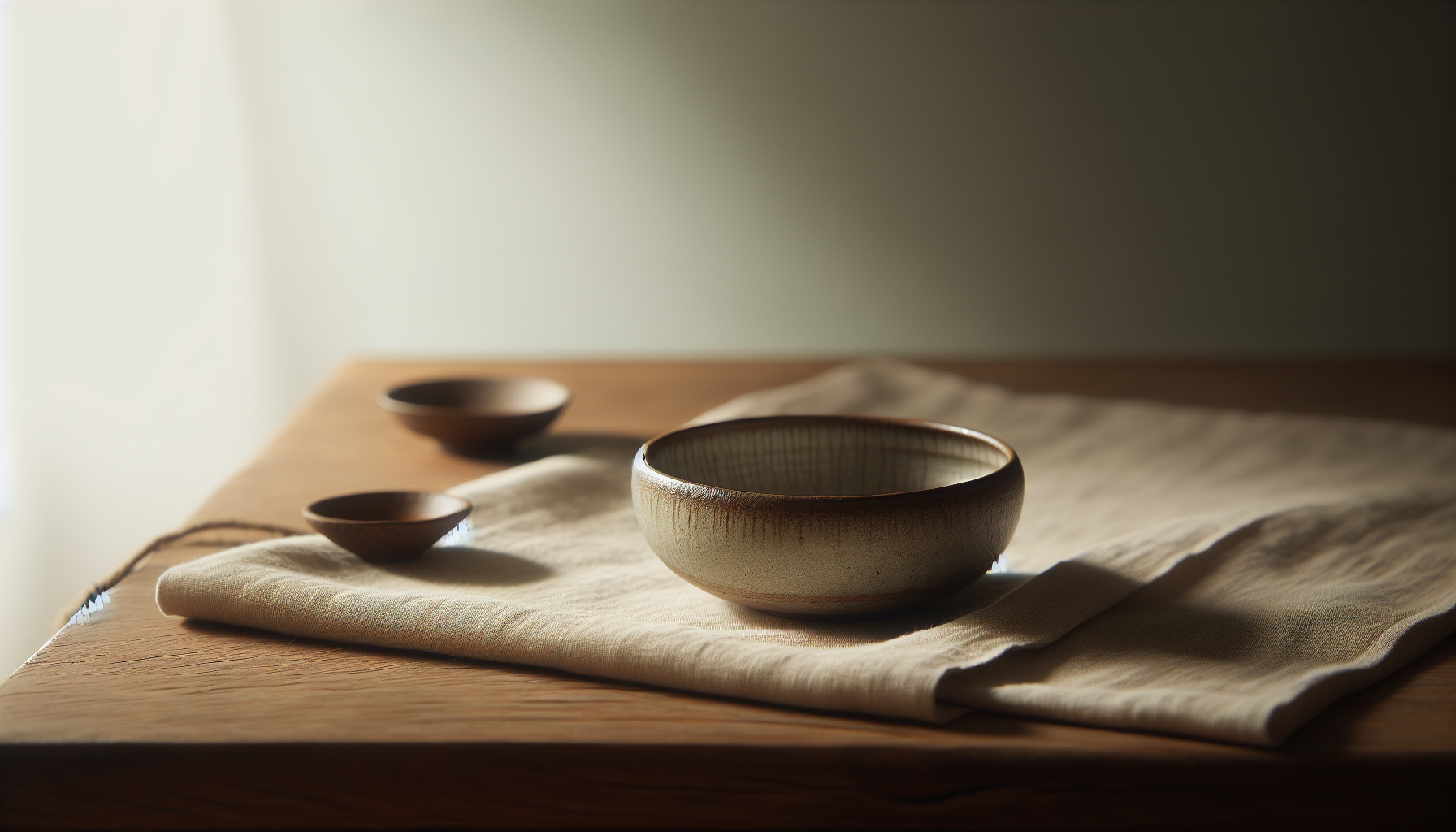
Limit tabletop decorations to one or two items that matter to you, like a ceramic bowl or a handcrafted vase. You’ll reduce visual clutter while giving those objects more value.
Art and wall decor
Choose art with restrained palettes and simple compositions, or a single large piece instead of many small items. You’ll create focal points that soothe rather than overwhelm.
Functional decor
Prioritize items that are both beautiful and useful—soft baskets, wooden trays, or elegant storage jars. You’ll enjoy the dual benefit of aesthetics and practicality.
Do’s and Don’ts for Japandi Design
This quick checklist will help you avoid common missteps and stay true to Japandi’s calming principles.
| Do | Don’t |
|---|---|
| Choose neutral palettes with warm accents | Use bright, saturated colors unless as tiny accents |
| Invest in functional, well-crafted furniture | Fill rooms with trendy, disposable pieces |
| Prioritize natural materials and textures | Rely heavily on synthetic or glossy finishes |
| Keep surfaces clear and storage organized | Allow open clutter and many small decorative objects |
| Layer soft lighting and prioritize natural light | Use only overhead harsh lighting |
| Embrace imperfect, handcrafted items | Seek perfection through matching everything exactly |
| Use plants thoughtfully for scale | Scatter many tiny plants that create visual noise |
Budgeting and Sourcing Tips
Japandi doesn’t require a large budget, but it does require intentional choices. Here are ways to achieve the look affordably while keeping quality.
Prioritize investment pieces
Spend more on seating and essential furniture that you’ll use every day. You’ll get more long-term value and build a stable aesthetic foundation.
Mix new and secondhand
Combine thrifted finds with new items to achieve a layered, personal look. You’ll reduce cost and add unique character by choosing well-preserved vintage pieces.
Focus on finishes, not brand names
A simple wood finish and natural textiles can elevate inexpensive furniture. You’ll achieve a high-quality feel by prioritizing materials over logos.
Common Mistakes and How to Fix Them
You’ll create a more calming Japandi space if you avoid these errors and apply corrective measures when needed.
Overminimalism (cold and impersonal)
If your room feels sterile, add a soft rug, a plant, and a handcrafted accessory to warm it. You’ll keep minimalism while restoring comfort and personality.
Too many textures
If the room feels chaotic from clashing textures, simplify by choosing two complementary materials and softening the rest. You’ll retain depth without visual overload.
Poor lighting
If lighting feels harsh or inadequate, add layered lighting and warmer bulbs. You’ll transform the atmosphere instantly by softening light sources.
Mismatched scales
If furniture feels off-scale, reassess proportions and swap one piece for a lower or wider alternative. You’ll restore balance and make the room feel intentional.
Maintenance and Longevity
Keeping your Japandi space calm requires regular, simple maintenance tactics that help sustain the aesthetic over time.
Regular decluttering routine
Adopt a weekly 10–15 minute tidy session to return surfaces to calm, usable states. You’ll prevent clutter from building and maintain the serene feeling.
Care for natural materials
Follow manufacturer instructions for cleaning wood, linen, and wool to maintain their look and feel. You’ll prolong life and preserve the tactile qualities that make Japandi soothing.
Rotate accessories seasonally
Rotate a few textiles or art pieces rather than redoing the whole room. You’ll keep things fresh without losing the carefully curated calm.
Case Study: Transforming a Living Room
Here’s a step-by-step example that shows how you can convert a busy living room into a Japandi haven.
- Clear everything off flat surfaces and sort items into keep, store, donate, and discard piles. You’ll immediately reduce visual noise and see what remains essential.
- Choose a neutral base color for walls and trim to create uniformity and calm. You’ll create a backdrop that unifies the room’s elements.
- Add a low, neutral sofa and a wooden coffee table with open legs to create visual lightness. You’ll free up sightlines and make the space feel airy.
- Layer in a wool rug, one or two cushions in natural fibers, and a soft throw for tactile warmth. You’ll add comfort without clutter.
- Place a single large plant near a window and a minimal shelf with three meaningful objects. You’ll give life and personality while preserving restraint.
- Update lighting with a paper pendant and a warm-toned floor lamp with a dimmer. You’ll manage mood throughout the day and night.
Final Thoughts: Creating a Calm You Can Live In
Japandi isn’t about copying a look exactly; it’s about adopting a mindset that values simplicity, purpose, and comfort. When you arrange your home around these principles, you’ll create spaces that not only look peaceful but also support how you live and feel.
By prioritizing natural materials, balanced layouts, and intentional objects, you’ll craft rooms that calm your mind and encourage restful routines. You’ll find that a calmer home often leads to a calmer life—one choice at a time.