
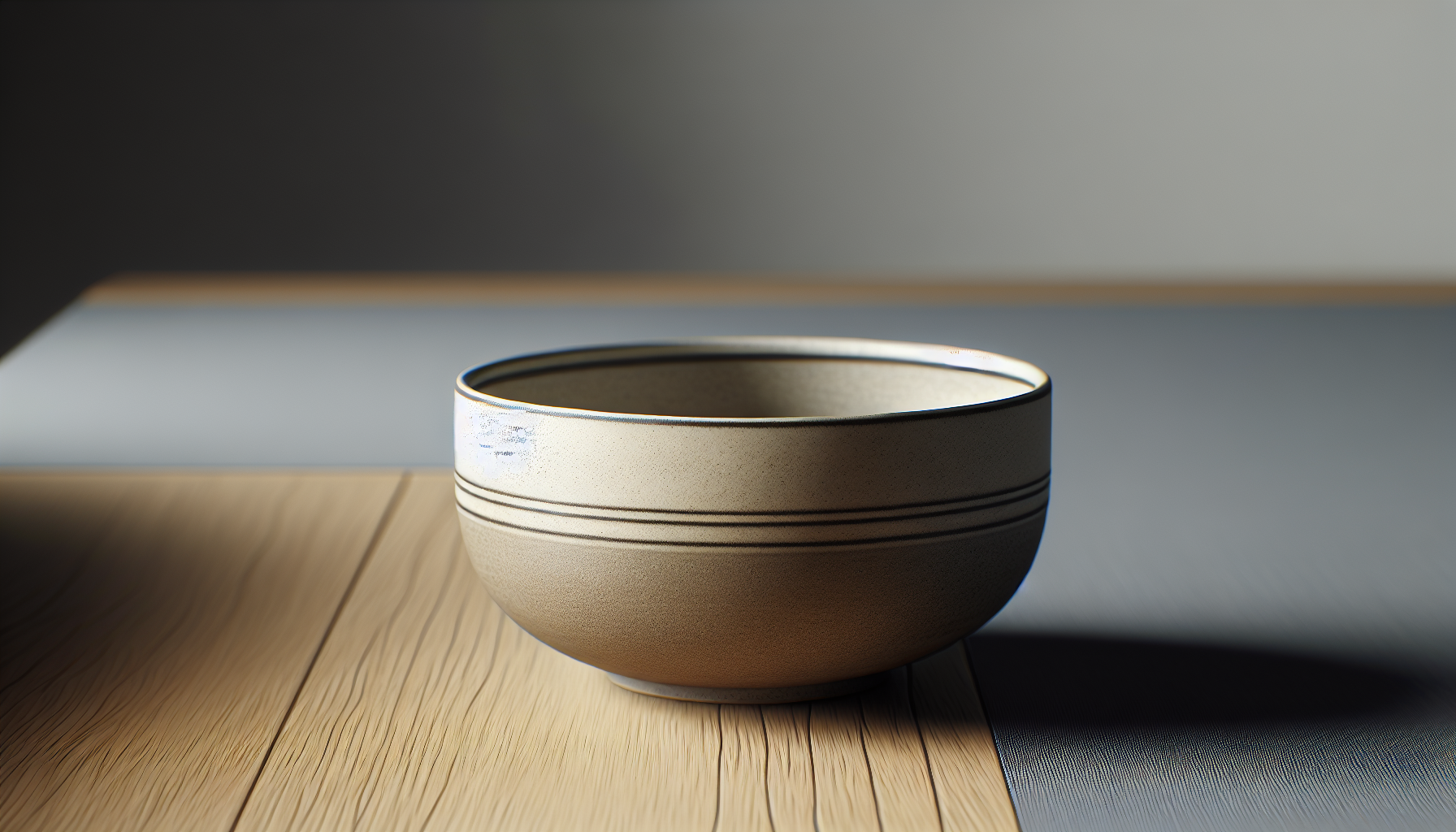
Do you feel drawn to spaces that calm your mind and make everyday life feel a little more intentional?
Japandi as a subtle balance between Japanese calm and Nordic style
What is Japandi and why it matters to you
Japandi is a hybrid aesthetic that blends Japanese minimalism and wabi-sabi with Nordic functionality and hygge-inspired comfort. It’s more than a look; it can affect how you live, how you arrange your home, and how you prioritize objects and experiences. In this section you’ll get a clear, practical idea of what Japandi means and why people are attracted to it.
Origins: where the two traditions meet
The roots of Japandi lie in two distinct cultural approaches to design. Japanese design emphasizes restraint, natural materials, and imperfection. Nordic design prioritizes utility, light, and cozy functionality. When merged, these philosophies produce spaces that feel calm, warm, and purposeful. You’ll see both visual simplicity and comfortable living combined.
Is Japandi a lifestyle or just a style?
People often ask whether Japandi is a passing interior-design trend or a deeper lifestyle choice. The honest answer is that it can be either — or both. You can adopt Japandi as an aesthetic shorthand for a room or carry its principles into daily routines, consumption patterns, and the way you value simplicity. Your level of commitment determines how much it becomes a lifestyle rather than only a design style.
Core principles of Japandi
The main principles of Japandi guide your choices from furniture to routines. These include minimalism, functionality, intentionality, natural materials, subdued color palettes, and a respect for imperfection. If you practice these principles, your space will naturally align with the Japandi ethos — calm, efficient, and human.
Minimalism and intentionality
You’ll aim to own fewer items and keep only those that serve a purpose or bring clear joy. Minimalism in Japandi is not about stark emptiness but about thoughtful curation and purposeful placement.
Functionality and craftsmanship
Choose objects that are useful and well-made. You’ll prefer furniture that is built to last and designed with simple, elegant lines. Quality matters more than quantity in both Japanese and Nordic sensibilities.
Natural materials and textures
Wood, ceramics, stone, linen, and wool are common in Japandi interiors. These materials connect you to nature and create tactile comfort. You’ll feel the difference in how the room ages and how light interacts with surfaces.
Wabi-sabi and hygge: imperfect beauty and comfort
Wabi-sabi teaches you to appreciate imperfection and transience, while hygge reminds you to cultivate warmth and coziness. Together, they give Japandi both contemplative elegance and everyday comfort that you can live with.
Color palette and lighting: how to set the mood
Color and light are essential to how you’ll experience a Japandi room. The palette is calm and muted. Lighting must be soft and layered.
Typical colors and their use
You’ll work with warm neutrals, soft greys, muted greens, and deep earthy tones. These palettes ground the room and allow natural textures to stand out. Accent colors are used sparingly and usually in muted tones.
Lighting strategies
Natural light is ideal, so maximize windows and avoid heavy drapes. For artificial lighting, use warm-toned bulbs, layered light sources, and simple fixtures. Task lighting and ambient light work together to create both function and atmosphere.
Layout and spatial rhythm: how to arrange your home
Your layout should emphasize flow, visual balance, and negative space. Unlike cluttered rooms, Japandi spaces allow your eye to rest and your body to move freely.
Negative space and visual balance
Negative space is not empty space; it’s the breathing room around objects. You’ll leave areas uncluttered so focal pieces can shine. Balance is achieved through proportion, repetition, and restraint.
Furniture placement and circulation
Arrange furniture to encourage conversation and ease of movement. Low-profile seating and open sightlines are typical. You’ll prioritize pathways and comfort over filling every corner with items.
Furniture and decor: selecting pieces that last
Picking furniture for a Japandi interior involves thinking long-term. You’ll choose pieces that are simple, functional, and crafted from honest materials.
Key furniture characteristics
Look for low-profile, streamlined silhouettes, tapered legs, and visible joinery. Surfaces should be matte or softly textured rather than glossy. The feel should be tactile and welcoming.
Choosing decor and accessories
Decor should be minimal and meaningful. A single ceramic vase, a handcrafted bowl, or a simple textile can become a focal point. You’ll avoid over-accessorizing and let texture and shape communicate interest.
Materials and finishes: what to pick and why
Materials define how your space feels. Japandi favors natural, warm, and slightly textured finishes that age gracefully and require minimal maintenance.
Preferred materials
Wood (oak, walnut, ash), stone, unglazed ceramics, linen, and wool are staples. These materials help you feel connected to nature and avoid overly manufactured surfaces.
Surface treatments and durability
Matte or oiled finishes that show grain are preferred. You’ll value finishes that can be repaired or re-oiled rather than replaced, reinforcing the lifestyle of longevity.
Storage and clutter control: functional beauty
Storage is both functional and sculptural in Japandi. The goal is to hide everyday clutter while displaying a few carefully chosen items.
Built-in and modular storage
You’ll benefit from built-in cabinetry and modular systems that fit your space. These solutions keep surfaces clear and maintain the room’s calm.
Daily habits for clutter control
Simple habits — like designated drop zones, daily tidy-ups, and limits on new purchases — help maintain the Japandi look. You’ll find routines more effective than occasional overhauls.
Plants and nature: bringing the outdoors in
Plants are an easy way to soften a room and add life. Choose sculptural plants and simple planters that complement the aesthetic.
Plant choices and placement
You’ll prefer plants with architectural forms — fiddle leaf fig, snake plant, bonsai, or simple potted herbs. Place them where they amplify natural light and rhythm.
Nature as a recurring theme
Elements such as stone bowls, driftwood, or woven baskets bring an organic feel. You’ll use them sparingly to maintain focus on quality rather than quantity.
Textiles and soft goods: layering for comfort
Textiles create the tactile warmth that distinguishes Japandi from austere minimalism. Use them to add softness and subtle contrast.
Fabrics to choose
Linen, cotton, and wool in neutral tones work best. You’ll prefer unpatterned or very subtle patterns to maintain visual calm.
Where to use textiles
Layer textiles on seating, bedding, and rugs to add depth. Keep patterns minimal and focus on texture and natural dye tones for cohesion.
Small changes that create a Japandi look
You don’t need a full renovation to achieve Japandi. Small, intentional changes can shift the feel of your home.
Practical low-effort swaps
Replace heavy curtains with simple linen panels, swap bright pillows for muted tones, and clear excess decor from shelves. You’ll be surprised how much subtle restraint changes the energy of a room.
Budget-friendly updates
Look for secondhand, vintage, or upcycled pieces that match the aesthetic. Simple re-oiling of wood or switching to warmer light bulbs can go a long way without significant expense.
Room-by-room recommendations
Different rooms require different approaches. Below are quick, actionable suggestions for main living spaces.
Living room
You’ll prioritize comfortable seating, a low coffee table, and minimal shelving. Keep TV presence subtle — hide it when possible — and use a single focal object like a ceramic vessel.
Kitchen and dining
Function is primary. Choose open shelving thoughtfully, use simple tableware, and keep countertops clear. Wooden dining tables with simple chairs enhance communal warmth.
Bedroom
Aim for a serene sleeping environment. Use muted bedding, minimal furniture, and consider a low platform bed. Avoid work-related items in the bedroom to preserve restfulness.
Bathroom
Keep it spa-like with natural materials and a few carefully chosen toiletries. Towels and mats in neutral tones add comfort without visual clutter.
Sustainability and ethical choices
Sustainability aligns naturally with Japandi values. You’ll be inclined to select durable items, favor local or artisanal production, and reduce waste.
How to shop responsibly
Prioritize quality, repairability, and ethical manufacturing. Consider buying fewer items that last longer and sourcing secondhand or from small makers whenever possible.
Lifecycle thinking
Think about how items age and how they can be maintained. You’ll prefer oilable woods, washable textiles, and replaceable components.
Comparing Japanese, Nordic, and Japandi approaches
A table can help you quickly see how the three styles overlap and differ. This will make it easier for you to incorporate elements consciously.
| Aspect | Japanese design | Nordic (Scandinavian) design | Japandi (fusion) |
|---|---|---|---|
| Core value | Wabi-sabi, restraint, nature | Function, light, coziness (hygge) | Minimalism + warmth; functional elegance |
| Palette | Neutrals, muted earth tones | Light neutrals, pale woods | Warm neutrals, deeper accents |
| Materials | Bamboo, tatami, paper, dark woods | Light woods, wool, cotton, ceramics | Natural woods, linen, stone, mixed tones |
| Furniture | Low, simple silhouettes, tatami/low tables | Light, functional pieces, tapered legs | Low to mid-height, mix of light+warm woods |
| Textures | Subtle, handcrafted | Soft, tactile | Textured + refined |
| Approach to imperfection | Celebrates it | Prefers clean finishes | Balanced: beauty with small imperfections |
| Lighting | Soft, diffused | Bright, airy, large windows | Layered light: natural + warm artificial |
Common mistakes and how to avoid them
Even with the best intentions, some missteps can undermine your Japandi goals. Here are pitfalls to watch for and how to fix them.
Over-minimalizing to the point of coldness
You can avoid a sterile feel by adding textiles, warm wood tones, and a few tactile objects. Comfort matters as much as restraint.
Overloading with trends
Don’t fill your space with every trending item. Choose pieces that match your lifestyle and the core principles of Japandi.
Mixing too many materials or patterns
Stick to a limited material palette and subtle patterns. Too much contrast breaks the visual harmony you’re trying to create.
How to transition gradually toward Japandi
If you want the lifestyle benefits without a dramatic overhaul, you can implement changes gradually to create lasting habits.
Step-by-step plan
- Clear surfaces and remove duplicates.
- Neutralize bright colors with textiles or paints.
- Replace one focal piece (table, sofa) with a simpler, natural-material alternative.
- Add a plant, a ceramic object, and a textured throw.
- Introduce storage solutions to maintain the order.
Maintaining flexibility
You’ll make better choices if you allow for gradual adjustments. Test one room at a time and see how the changes fit your daily life.
Costs and budgeting: what to expect
Costs vary widely based on materials and whether you choose new or secondhand. Japandi doesn’t require expensive items, but it rewards investment in quality.
Typical cost drivers
Custom furniture, artisanal ceramics, and high-quality textiles will be the biggest expenses. You can offset costs with thrift finds and DIY refinishing.
Budgeting tips
Set priorities: invest in a durable sofa or dining table, and use budget-friendly textiles and accessories to complete the look.
Case studies: real-world examples you can copy
Seeing how others apply Japandi can help you visualize your own home. Below are brief examples of three approaches you can emulate.
Small apartment: minimalist and functional
You’ll choose low-profile furniture, foldable surfaces, and multi-use storage. A single warm-wood accent and a potted plant create a calm center.
Family home: balanced warmth and durability
Opt for washable textiles, robust wooden tables, and thoughtful play storage. You’ll make comfort and function compatible with the aesthetic.
Cottage or country home: rustic Japandi
Use a slightly rougher wood finish, layered rugs, and stone elements. You’ll keep the overall restraint while enhancing cozy, lived-in warmth.
Frequently asked questions
This section answers common concerns so you can act confidently.
Can Japandi work in a small space?
Yes. The emphasis on storage, negative space, and multifunctional furniture makes Japandi especially suitable for smaller homes. You’ll prioritize pieces that do double duty and leave visual breathing room.
Is Japandi suitable for families with children?
Absolutely. Focus on durable fabrics, washable materials, and smart storage solutions. You’ll maintain aesthetics while keeping things practical for everyday life.
How strict do you need to be with color and materials?
You don’t need to be rigid. The core idea is cohesion: pick a restrained palette and a small set of materials, then repeat them thoughtfully.
Can you mix Japandi with other styles?
Yes, as long as you maintain restraint and consistency. You can combine Japandi with mid-century modern or contemporary pieces, but avoid clashing textures and loud colors.
Maintenance and care: keeping your space calm over time
A Japandi home is easy to maintain if you adopt small, repeatable habits. Maintenance reinforces the lifestyle benefits.
Cleaning and care routines
Regular dusting, periodic oiling of wood, and laundering textiles keep materials looking their best. You’ll also schedule small decluttering sessions to maintain order.
Repair over replace
If something breaks, consider repair before replacement. This mindset keeps your home authentic and supports sustainability.
Final considerations: intention over imitation
Whether you treat Japandi as a style or a lifestyle depends on how much intention you bring to it. If you adopt the values — simplicity, craftsmanship, and comfort — the aesthetic becomes a natural extension of your daily life. If you prefer a lighter touch, you can use Japandi as a design language for one room or a set of pieces. Either way, the result is a calmer, more thoughtful home that supports how you live.
Quick-start checklist you can use today
This short list gives you immediate actions to begin transforming your space in a Japandi direction.
- Declutter one surface (shelf, console, or table).
- Add or swap in one natural-textured textile.
- Replace one bright accessory with a neutral ceramic or wooden item.
- Adjust lighting to warm bulbs and add a soft lamp.
- Introduce one plant with a sculptural shape.
By taking these small steps, you’ll immediately change the mood of your home and start practicing the principles that make Japandi both a calming style and a possible lifestyle.
If you’d like, you can tell me about a specific room or budget and I’ll give you tailored suggestions for how to apply Japandi principles to your situation.