
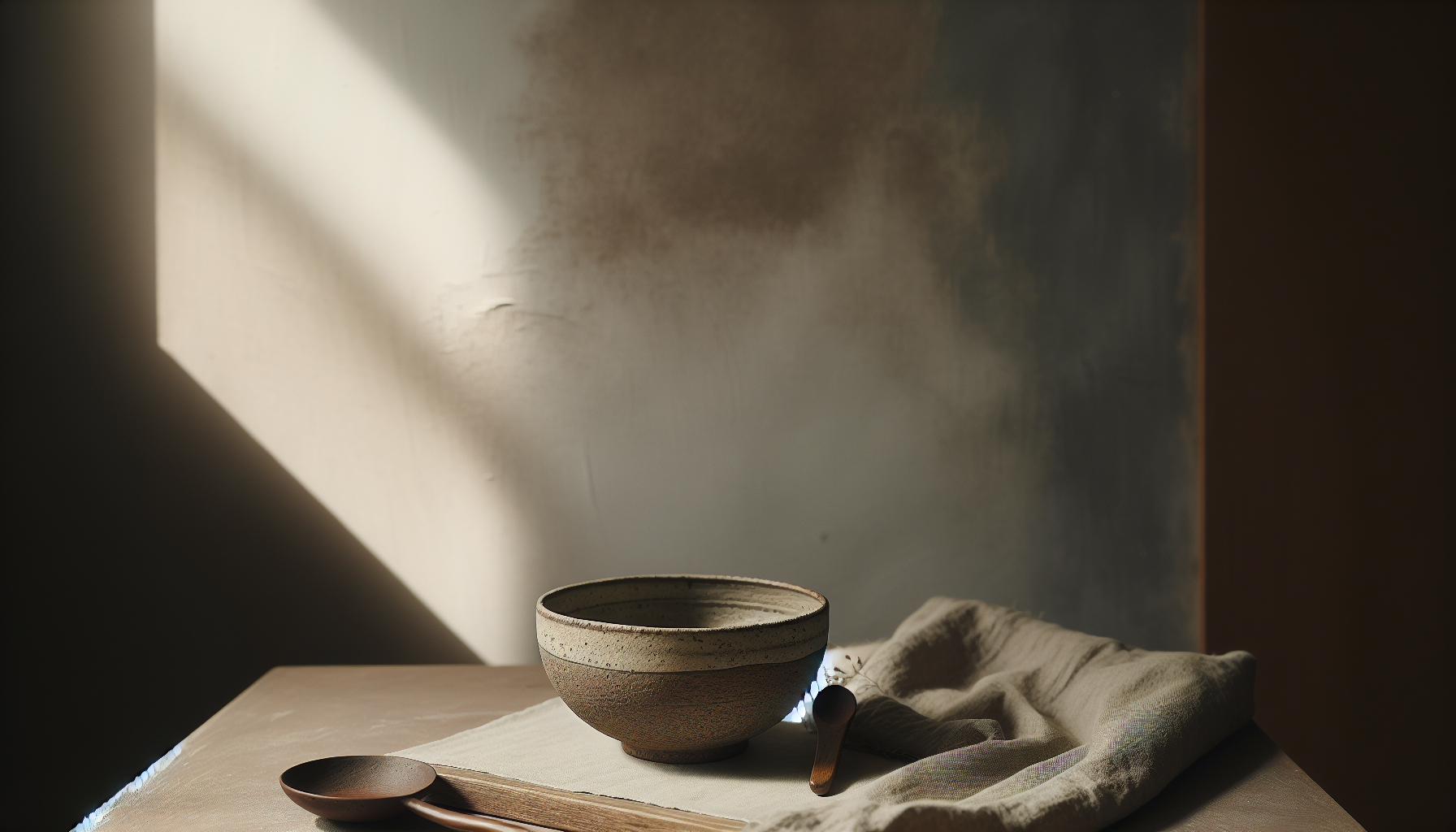
?Have you ever wondered whether Japandi can be more than a decorating trend and actually shape how you live each day?
See Japandi as a practical lifestyle for mindful living
Japandi blends the best of Japanese and Scandinavian sensibilities. You can treat it as a visual style, but when you bring its principles into daily choices and routines, it becomes a lifestyle that supports calm, clarity, and intentional living.
What is Japandi?
Japandi is a hybrid aesthetic that combines Japanese wabi-sabi and Scandinavian hygge and functional minimalism. It favors clean lines, natural materials, functional design, and an appreciation for imperfection and craftsmanship.
You’ll notice restrained color palettes, warm wood tones, simple furnishings, and a quiet attention to texture. These features come together to make spaces feel both serene and practical.
Table: Quick comparison of Japanese and Scandinavian influences
| Element | Japanese Influence | Scandinavian Influence |
|---|---|---|
| Philosophy | Wabi-sabi: beauty in imperfection and transience | Hygge: comfort, coziness, wellbeing |
| Aesthetic | Minimal, empty space, refined simplicity | Warm minimalism, functional design, light |
| Materials | Natural woods, paper, ceramics, bamboo | Light woods, wool, linen, leather |
| Color | Muted, earthy, subdued | Pale neutrals, soft pastels, monochrome |
| Approach to furnishings | Low furniture, tatami influence, craftsmanship | Practical, multifunctional, ergonomic |
Origins and philosophy
Understanding Japandi starts with the philosophies that shaped it. You should recognize how each culture’s approach to life and objects feeds into the combined aesthetic.
By learning the philosophical roots, you can more easily translate aesthetic choices into meaningful lifestyle habits that support calm, focus, and ease.
Japanese influences
Japanese design principles emphasize balance, proportion, and the acceptance of imperfection. Wabi-sabi encourages you to appreciate objects that age and bear the marks of use.
When you accept imperfection, you often buy less, repair more, and treat possessions with greater respect. That mindset is central to turning Japandi into a lasting lifestyle.
Scandinavian influences
Scandinavian design prioritizes light, utility, and human-centered comfort. Hygge encourages simple rituals, warmth, and a sense of belonging.
You can translate hygge into daily routines—like lighting a candle during a quiet breakfast or creating a cozy reading nook—that reinforce a calm, grounded life.
Core principles of living Japandi
If you want Japandi to be a practical lifestyle, you’ll adopt principles that go beyond how your space looks. These principles shape habits, purchases, and time spent at home.
Each principle supports mindfulness: less distraction, clearer choices, and a heightened awareness of quality and function.
Simplicity and restraint
Simplicity means choosing fewer, better things that perform well and bring you satisfaction. You’ll practice restraint by resisting impulse buys and assessing each object’s purpose.
This reduces clutter and the mental load of maintaining too many possessions, leaving you more mental space for intentional activities.
Functionality and multipurpose design
Prioritize items that serve a function and are beautiful in a simple, honest way. Multipurpose furniture and clever storage solutions allow you to keep living areas calm and usable.
When items are chosen for both form and function, daily tasks feel smoother and your environment supports rather than distracts from what matters.
Natural materials and craftsmanship
Favor materials that age gracefully—solid wood, stone, ceramics, linen, and wool. Well-made objects invite you to care for them, which fosters a deeper relationship with fewer possessions.
Choosing durable, repairable pieces aligns with sustainable values and reduces waste over time.
Mindful imperfection
Accept irregularities as character rather than flaws. A handmade bowl with a slight glaze variation or a table with a visible knot becomes an invitation to slow down and appreciate the story behind objects.
This mindset reduces the pressure to have everything perfect and encourages you to live fully with what you own.
Calm and muted palette
A subdued color palette reduces visual noise and supports mental clarity. You’ll use warm neutrals, soft grays, muted greens, and deep charcoals to cultivate a cohesive, restful environment.
Consistent palettes make it easier to mix and match pieces and reduce decision fatigue when updating or rearranging.
Aesthetic elements you’ll use daily
Japandi’s aesthetic choices support daily living when they’re practical and comfortable. Here’s how key elements translate to everyday function.
Low, functional furniture
Low seating and tables promote relaxation and encourage grounding posture. You should choose pieces that are comfortable, durable, and proportionate to your space.
Opt for modular pieces if you need flexibility for social gatherings or different activities.
Textures and tactile comfort
Layer natural textiles—linen, wool, cotton—to create tactile comfort and visual warmth. Texture helps a minimalist space feel inviting rather than austere.
You’ll enjoy the gradual patina of textiles and the sensory pleasure of natural fibers against your skin.
Minimal ornamentation
Keep ornamentation purposeful and meaningful. One well-chosen vase or a single framed print becomes more impactful than many small decorative items.
This makes cleaning and upkeep simpler and gives objects more emotional weight.
Balanced negative space
Negative space is intentional emptiness that lets the eye rest. You should leave room around objects and avoid filling every shelf or wall.
This gives you a sense of calm and helps highlight pieces that truly matter.
Materials and finishes: practical guidance
Choosing materials has both aesthetic and practical implications. You’ll want materials that match your lifestyle needs for durability, maintenance, and comfort.
The table below gives you a quick guide to common Japandi materials and their pros and cons.
Table: Materials — pros and cons
| Material | Advantages | Considerations |
|---|---|---|
| Solid wood (oak, walnut, ash) | Durable, ages well, warm tones | Needs protection from moisture; can scratch |
| Bamboo | Renewable, light look, strong | Sensitive to humidity; can split if low-quality |
| Stone (granite, soapstone) | Heat-resistant, sturdy, tactile | Heavy, requires proper sealing |
| Linen | Breathable, textural, softens room | Wrinkles easily, may need delicate care |
| Wool | Insulating, durable, tactile | Can be pricey; may require professional cleaning |
| Ceramic | Handmade appeal, easy to clean | Can chip or break; heavy for large pieces |
| Paper (shoji screens) | Soft light diffusion, traditional feel | Fragile; not good for high-traffic zones |
How Japandi promotes mindful living
A space designed around Japandi principles naturally supports slower, more intentional living. You’ll find it easier to be present, reduce stress, and create rituals that matter.
Intentional spaces reduce distractions, which helps you focus, rest, and make more deliberate choices about how you spend time and energy.
Reduce decision fatigue
When your environment is curated and consistent, you’ll spend less time deciding what goes where or what to wear. This frees mental energy for more meaningful decisions.
A limited palette and multifunctional objects simplify daily choices and routines.
Encourage slow rituals and routines
Japandi supports small rituals—tea ceremonies, mindful cleaning, reading by natural light—that anchor your day. These rituals increase awareness and can become restorative habits.
You’ll find comfort in predictable, gentle routines that mark transitions in your day.
Foster gratitude and care
When you select fewer, higher-quality items, you tend to care for them more. Repairing, polishing, and maintaining items becomes a mindful practice.
This nurture-oriented approach helps you value what you own and resist the cycle of disposable consumption.
Applying Japandi as a lifestyle vs only a style
There’s a meaningful difference between styling a room to look Japandi and living according to its principles. Understanding that difference helps you adopt changes that truly transform your daily experience.
If you only chase the look, you may end up with a pretty interior that still creates stress. If you adopt the lifestyle, choices in objects, time, and habits reinforce each other to create a sustainable, calm home.
Lifestyle mindset
Adopting a lifestyle means aligning shopping, maintenance, daily rituals, and social habits with Japandi values. You’ll prioritize durability, repair, and deliberate use of items.
This mindset shifts decisions from impulsive to intentional and integrates the aesthetic into how you spend your time.
Style-only approach
When you focus purely on surface aesthetics, you risk creating a staged environment that doesn’t accommodate real life. Too many fragile objects, impractical furniture, or an excessive cap on personal items can cause friction.
Make sure practical needs—storage for kids’ items, comfortable seating for long evenings, durable surfaces in the kitchen—remain central.
Room-by-room guide to living Japandi
Translating Japandi into actionable changes is easiest when you tackle rooms one at a time. Each room has different functions and priorities, and you’ll want to use pragmatic choices to maintain comfort.
Below are guidelines for the most common rooms, with simple strategies you can apply.
Entryway and mudroom
Your entry is the first impression and a daily transition point. Create functional storage for shoes, bags, and coats, keeping surfaces tidy and easy to maintain.
A bench with hidden storage or a small tray for keys helps you keep the area clear and your comings and goings calm.
Living room
Design your living room for conversation, rest, and activities you actually do. Choose seating that’s comfortable rather than purely stylish and prioritize durable upholstery.
A single statement piece, like a handcrafted coffee table, can anchor the room without cluttering it.
Kitchen and dining
Kitchens in Japandi living are functional and calm. Invest in high-quality cookware and keep counters clear by storing rarely used appliances.
You’ll use simple ceramics and wooden utensils for everyday meals, and you might cultivate a small practice like setting the table intentionally for family meals.
Bedroom
Your bedroom should be a sanctuary for rest. Keep textiles natural and breathable, and avoid electronics that disturb sleep.
Minimal bedside surfaces and soft lighting support evening rituals that prepare you for sleep, such as reading or a short mindfulness practice.
Bathroom
Let the bathroom be a place of quiet upkeep and efficient storage. Use open shelving for towels and closed storage for toiletries to keep the look uncluttered.
Natural soaps, wooden bath accessories, and soft lighting create a spa-like atmosphere that’s easy to maintain.
Workspace
Create a workspace that reduces distractions and supports flow. A clean desk, thoughtful lighting, and a place for essentials will help your productivity.
When possible, maintain a clear boundary between work and rest spaces to sustain mental separation.
Outdoor and balcony
Even small outdoor spaces can reflect Japandi values. Use simple planters, a compact table, and natural textiles for seating.
A small zen corner or an herb box provides a connection to nature and supports mindful breaks.
Table: Room checklist for practical Japandi implementation
| Room | Must-have items | Maintenance tips |
|---|---|---|
| Entry | Bench with storage, tray for keys, hooks | Weekly declutter, wipe surfaces |
| Living room | Comfortable sofa, low table, one statement piece | Rotate textiles seasonally, dust weekly |
| Kitchen | Clear countertops, quality cookware, open shelf for display | Clean daily, inspect tools monthly |
| Bedroom | Natural bedding, blackout blinds, minimal bedside | Wash bedding weekly, clear surfaces nightly |
| Bathroom | Closed storage, natural soaps, towel racks | Replace towels regularly, deep clean monthly |
| Workspace | Ergonomic chair, organized desk, good light | Tidy daily, back up digital work weekly |
| Outdoor | Durable planters, compact seating, season-appropriate greenery | Water regularly, protect from frost |
Practical steps to begin your Japandi lifestyle
Start small and focus on changes that have the biggest impact on daily life. You’ll feel overwhelmed if you try to overhaul everything at once, so pick a priority room or habit.
A staged approach helps you test what works and refine choices based on actual use rather than theory.
Step 1: Declutter with intention
Begin by removing items that don’t serve a clear purpose or bring you consistent joy. Ask whether each object adds function, beauty, or meaning.
Keep a donate/repair/sell system to manage items you remove. If something is hard to let go of, store it temporarily and reassess in a month.
Step 2: Edit your palette and textures
Choose a base palette of muted neutrals and select one accent tone. Add textiles in natural fibers to create warmth and comfort.
Swapping a bold rug for a subtle textured one or changing curtain tones can dramatically affect atmosphere without major expense.
Step 3: Prioritize functional furniture
Replace pieces that are uncomfortable or impractical with items that support daily use. Consider secondhand routes for quality wood furniture.
Measure carefully and prioritize scale—oversized furniture can make a room feel crowded even if pieces are minimal.
Step 4: Maximize storage smartly
Hidden storage preserves the calm aesthetic while keeping living areas usable. Use furniture with built-in storage or add discreet baskets and boxes.
Labeling—subtly and consistently—helps you maintain an organized system that guests won’t notice but you’ll appreciate.
Step 5: Add meaningful objects and rituals
Introduce a few objects with personal meaning and start simple daily rituals (a morning cup of tea, weekly tidy). These anchor the lifestyle and make it uniquely yours.
You’ll likely find that rituals are more important than decorative items for sustaining mindful habits.
Table: Short-term vs long-term steps
| Timeframe | Actions |
|---|---|
| Short-term (0–3 months) | Declutter a room, set palette, swap textiles, add storage solutions |
| Medium-term (3–12 months) | Replace major furniture with functional pieces, buy fewer high-quality items, refine rituals |
| Long-term (1+ years) | Invest in craftsmanship, maintain repair habits, integrate sustainable choices |
Budgeting and sustainability
You can adopt Japandi on any budget by prioritizing the most impactful changes. Focus on investment pieces and fill gaps with thoughtful secondhand finds or DIY projects.
Sustainability is built into the Japandi mindset when you buy durable items, repair rather than replace, and choose renewable materials.
Cost-saving tips
- Buy one high-quality sofa or bed instead of many lower-cost pieces.
- Shop secondhand markets for solid wood furniture.
- Refinish or reupholster vintage items rather than discarding them.
- Prioritize natural textiles and avoid fast-fashion home goods.
Lighting and atmosphere
Lighting is crucial to how your space feels. Aim to maximize natural light and use layered lighting—ambient, task, and accent—to create mood and function.
Warm color temperatures and dimmable fixtures are helpful for transitioning between active and restful parts of the day.
Practical lighting tips
- Use sheer curtains to diffuse bright light while maintaining privacy.
- Place lamps at different heights to reduce harsh shadows.
- Employ candles for short, deliberate rituals like quiet dinners or reading sessions.
Plants and biophilic touches
Plants bring life, improve air quality, and root you in the rhythms of nature. Choose species that match your care capacity and environmental conditions.
Even a single sculptural plant or a small collection of succulents can soften a minimal space and provide daily moments of attention.
Low-maintenance plant suggestions
- Snake plant (Sansevieria): very forgiving and low light tolerant.
- ZZ plant (Zamioculcas zamiifolia): drought-tolerant and robust.
- Pothos: trailing, adaptable, and easy to propagate.
- Small bonsai or indoor olive tree: for a stronger Japanese feel, needs more attention.
Mindful routines, rituals, and habits
To make Japandi a lifestyle, weave small practices into your day that reinforce calm and presence. These don’t need to be elaborate; consistency matters more than complexity.
Rituals can be practical (a nightly 10-minute tidy) or sensory (a morning tea ritual), and together they cultivate rhythm and meaning.
Sample routines
- Morning: open curtains, hydrate, set a simple intention for the day, light a candle or a small incense for a minute of quiet.
- Evening: dim lights, clear surfaces, prepare your outfit for tomorrow, a short stretch or reading session before bed.
- Weekly: a deeper clean, rotate textiles, tend to plants, and assess the need to repair or replace items.
Benefits to mental health and daily life
A Japandi lifestyle can reduce stress, improve focus, and promote restorative sleep. Your environment significantly influences mood and cognitive load; simplifying it can yield measurable benefits.
You’ll likely find routines easier to maintain and feel more grounded and less reactive to daily stresses.
Evidence-based considerations
While more research is needed on stylized interiors specifically, studies show that clutter increases cortisol and that natural materials and light can improve well-being. Mindful routines and reduced decision fatigue also promote mental clarity.
Challenges and how to handle them
Adopting Japandi is not without hurdles. You may face issues like perceived coldness, budget limits, or family needs that conflict with minimalist ideals.
Address challenges by prioritizing comfort, allowing personal items, and adopting flexible solutions that meet real life.
Common challenges and solutions
- Perceived coldness: Add layered textiles and warm wood tones to increase comfort.
- Family needs: Compromise with stylish storage and durable materials; designate zones for play or mess.
- Budget constraints: Phase purchases, buy secondhand, and repair existing pieces where possible.
Common mistakes to avoid
A few missteps can turn your attempt at Japandi into something less functional or less satisfying. Avoid these common errors to keep the lifestyle practical and sustainable.
You should avoid extremes and focus on adaptability and comfort rather than rigid adherence to a visual checklist.
Mistakes and fixes
- Mistake: Prioritizing the look over comfort. Fix: Test seating and textiles before buying.
- Mistake: Removing all personal items. Fix: Keep a curated selection of meaningful objects.
- Mistake: Choosing fragile pieces for high-traffic areas. Fix: Match materials to usage patterns.
Case studies: practical examples
Seeing examples helps you imagine how Japandi could work in your life. Here are two concise scenarios to illustrate practical choices.
Small apartment, single occupant
You remove redundant decor, choose a comfortable sofa with clean lines, add a simple wooden coffee table with storage, and install a shelf dedicated to books and one sentimental object. Morning tea by a small window becomes a five-minute ritual that establishes calm before work.
Family home with children
You select durable upholstery, add closed storage in the living room for toys, and create a cozy corner for storytelling. You keep a repaired vintage dining table for family meals and adopt a weekly tidy ritual where everyone participates.
Mixing Japandi with other styles
Japandi adapts well to careful fusion with other styles. You can blend it with mid-century modern, soft industrial, or even warm boho if you maintain restraint and a clear palette.
Be mindful of scale and texture to prevent visual chaos; use one dominant language and a secondary accent to harmonize.
Rules for mixing
- Keep one consistent neutral palette.
- Let natural materials be the common thread.
- Use accent pieces sparingly and with clear intention.
Shopping and sourcing tips
When you buy, think long-term. Choose pieces that will age with you and that you can repair. Seek out craftsmen, local markets, and responsible brands.
Test finishes, check return policies, and prioritize pieces with good reviews for durability.
Where to prioritize spending
- Bed and mattress: spend more for quality sleep.
- Sofa or main seating: choose durability and comfort.
- Solid wood table: timeless and repairable.
- Light fixtures: can dramatically change mood and function.
Maintenance and longevity
Living Japandi means maintaining objects with care rather than replacing them. Establish simple maintenance routines to extend the life of textiles, wood, and ceramics.
Repair skills—like sewing, re-waxing wood, and simple upholstery fixes—are useful and align with the lifestyle’s ethos.
Simple maintenance checklist
- Wood: clean with damp cloth, use beeswax occasionally.
- Textiles: follow care labels, rotate cushions, dry clean as needed.
- Ceramics: handwash delicate pieces, avoid thermal shock.
- Plants: consistent watering and occasional repotting.
Checklist to start living Japandi today
Here’s a compact list to help you take practical next steps. Work through it at your own pace.
- Declutter one zone and set up donate/repair/sell piles.
- Choose a base color palette and one accent color.
- Replace or reupholster one key piece for comfort.
- Add 2–3 natural textiles (linen throws, wool rug).
- Introduce one ritual (morning tea, nightly tidy).
- Invest in one durable storage solution.
- Add a plant suited to your environment.
Frequently asked questions
Q: Can Japandi work in small, rented spaces? A: Yes. Focus on compact, multipurpose furniture, neutral palettes, and easy-to-remove accents. Use removable hooks and soft textiles to change the feel without permanent alterations.
Q: Is Japandi expensive to adopt? A: It can be as budget-friendly or upscale as you choose. Prioritize high-impact items and use secondhand pieces to keep costs down.
Q: Will Japandi feel too sterile or cold? A: Not if you layer textures, warm wood tones, and meaningful objects. Comfort is a core component—don’t sacrifice it for minimalism.
Q: How do you keep Japandi practical with kids or pets? A: Choose durable materials, keep sentimental and fragile items out of reach, and use washable textiles. Designate clear zones for play and quiet.
Conclusion
If you want Japandi to be more than a pretty trend, let its principles guide your choices and routines. You’ll build a home that supports calm, reduces decision fatigue, and invites you to slow down and appreciate what matters.
Start small, focus on comfort and function, and let meaningful objects and rituals shape the lifestyle. Over time, these choices will add up to a quieter, more intentional way of living that aligns with both practical needs and mindful values.