
Have you ever wondered whether Japandi is something people live by, or something they simply put on their walls and call a day?
Do people see Japandi as a lifestyle or just a style
You’ll find a range of answers depending on who you ask, where they live, and how deeply they engage with design ideas. Some people adopt Japandi as a guiding philosophy for daily living, while others treat it as an aesthetic choice for rooms or objects.
What is Japandi?
Japandi is a hybrid aesthetic that blends Japanese minimalism with Scandinavian functionality and warmth. It combines clean lines, natural materials, muted palettes, and thoughtful utility to create spaces that feel calm and curated.
Origins and influences
Japandi emerged from cross-cultural appreciation between Nordic design and Japanese design traditions, becoming popular in the 2010s and rising sharply on social media and design blogs. The movement borrows philosophies like wabi-sabi (accepting imperfection) and hygge (comfort and coziness) and applies them to contemporary interiors.
Core aesthetic elements
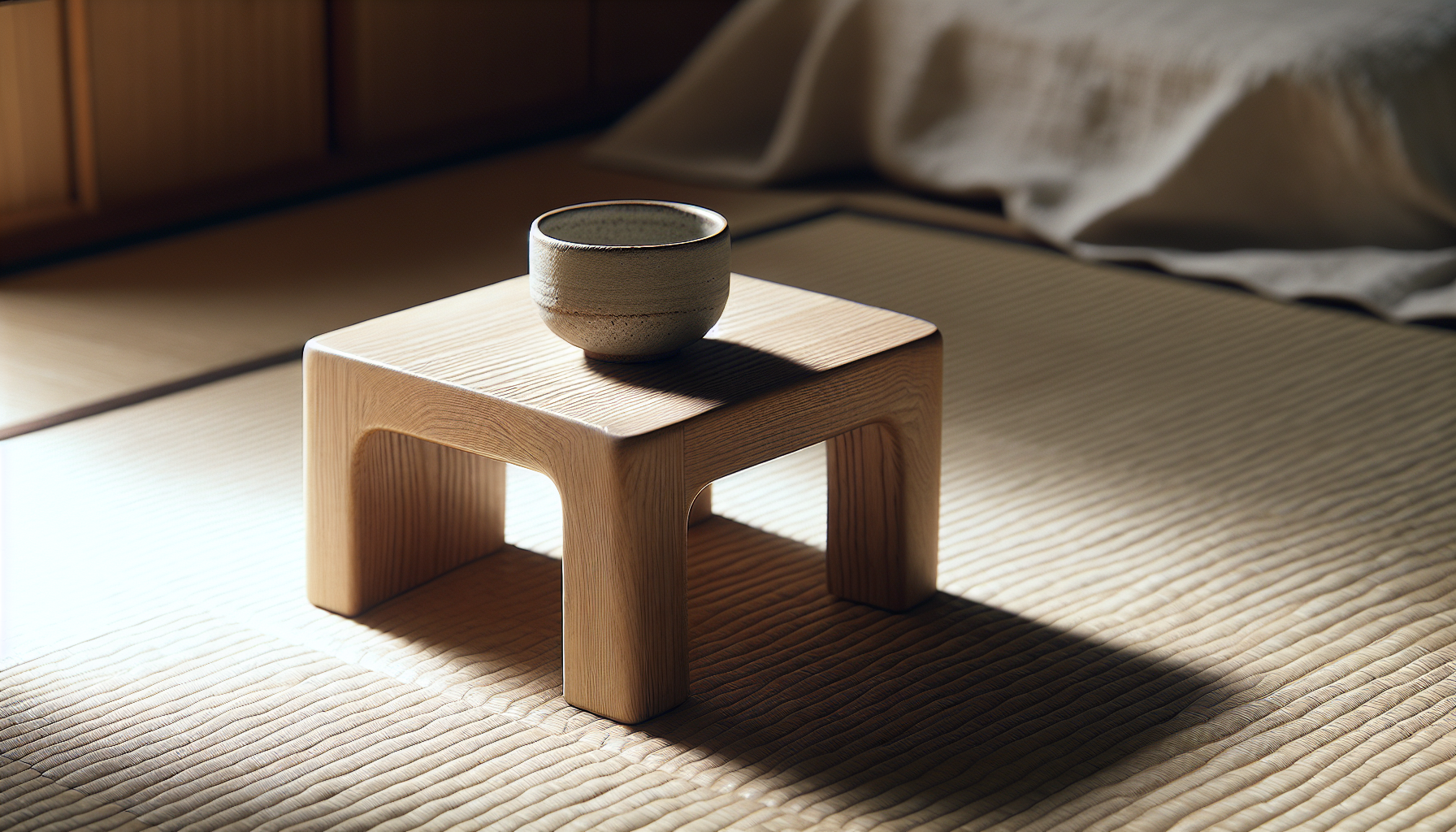
You’ll notice low-profile furniture, neutral colors, textural contrasts, and an emphasis on craftsmanship in Japandi interiors. Natural wood, tatami or woven textures, soft lighting, and restrained decorative objects are common features.
Philosophical influences: wabi-sabi, hygge, and minimalism
The underlying ideas are as important as the visuals: embrace imperfection, prioritize comfort, and reduce excess. Those philosophies shape how people arrange their spaces, choose materials, and even form daily routines.
Japandi as a style
Seeing Japandi as a style means you’re focused primarily on appearance and visual coherence. You’re likely interested in integrating key furniture pieces, color schemes, and finishes without necessarily changing broader habits.
Visual characteristics
As a style, Japandi emphasizes simplicity and an elegant restraint that feels both warm and formal. You’ll select a palette of earthy neutrals, gentle contrasts, and pieces that show material honesty.
Application in rooms and products
You can apply Japandi to a single room, a furniture set, or a curated collection of objects like tableware and textiles. Retailers and designers often market Japandi collections as a way to refresh a space quickly.
Trend cycles and stylistic adoption
When treated purely as a style, Japandi follows trend cycles—some shops launch seasonal lines, influencers post mood boards, and magazines highlight “Japandi looks” for the year. You’ll likely replace or update pieces as tastes and trends shift.
Japandi as a lifestyle
When you adopt Japandi as a lifestyle, you embrace the design’s underlying philosophies and make choices that extend beyond décor. Your habits, consumption decisions, and daily rituals reflect the values of intentionality, simplicity, and respect for craftsmanship.
Daily habits and rituals
A Japandi lifestyle might influence how you cook, host, relax, and manage possessions—favoring slow routines, mindful consumption, and purposeful objects. You’ll value items that serve multiple functions and bring joy through utility and form.
Mindset and values
You’ll prioritize quality over quantity, choose thoughtful purchases, and accept imperfection in the pursuit of authenticity. The lifestyle leans toward sustainability, local craftsmanship, and caring for possessions so they last.
Long-term commitment
Lifestyle adoption is about long-term change rather than a seasonal refresh. If you live Japandi, you’re likely to maintain a consistent approach to how rooms are used, cleaned, and lived in over years, not months.
Key differences: style vs lifestyle
You may find it helpful to see the differences laid out clearly. Below is a table that compares common attributes so you can identify which category fits your preferences.
| Attribute | Japandi as a Style | Japandi as a Lifestyle |
|---|---|---|
| Primary focus | Visual appearance and trend | Values, habits, and long-term choices |
| Investment | One-time or seasonal purchases | Ongoing investment in quality and maintenance |
| Flexibility | High — easy to change | Lower — integrated into routines and values |
| Sustainability | Sometimes considered | Often prioritized |
| Emotional impact | Aesthetic pleasure | Sense of calm, purpose, and continuity |
| Time commitment | Low to medium | Medium to high |
| Cultural engagement | Surface-level appreciation | Deeper engagement with philosophies |
| Suitable for | Renters, quick remodels | Homeowners, people seeking lifestyle shifts |
You’ll see that the differences are about depth, commitment, and the types of decisions you make when choosing pieces or ways of living.
Signs that you see Japandi as a lifestyle
These indicators help you assess whether your interest in Japandi has moved beyond surface-level design. If several of these items resonate, you probably live the philosophy to some extent.
- You make purchase decisions based on longevity and craftsmanship rather than price alone. You’ll repair, reupholster, or care for items rather than discard them.
- Minimalism informs your possessions; you prefer fewer items that do more. Your home likely features multipurpose furniture and storage that emphasizes ease of use.
- Rituals and routines mirror Japandi values—morning tea times, simple meals, and uncluttered work areas. These practices create a daily sense of calm rather than momentary Instagram moments.
- You actively learn about Japanese and Scandinavian traditions, including their history and cultural practices. Your choices reflect cultural respect rather than just copying an image.
- Sustainability and ethical sourcing matter to you; you favor local artisans or brands with transparent supply chains. You consider the environmental impact of textiles, woods, and finishes.
Signs that you see Japandi as just a style
You may appreciate the look without integrating the deeper principles. These signs indicate a primarily aesthetic relationship with Japandi.
- You buy a few statement pieces or keep decorative accents that match the Japandi color palette. The rest of your home might not follow the same restraint or functional logic.
- You change elements seasonally when trends shift. If your space often reflects the latest Instagram trend, you might be treating Japandi as a style.
- You don’t change daily routines or consumption habits significantly. Your lifestyle remains the same; only the look of your rooms changes.
- You prioritize visual cohesion for photos or entertaining rather than long-term functionality. If staging matters more than wearability, that’s a stylistic approach.
- You aren’t particularly engaged with the cultural philosophies behind Japandi. The design is adopted for its aesthetics rather than its meaning.
How to adopt Japandi as a style: practical tips
If you want the look without full lifestyle changes, you can achieve a convincing Japandi aesthetic with targeted updates. These steps help you keep costs lower and effort manageable.
Choose a muted, cohesive palette
Stick to whites, creams, warm beiges, muted greens, and charcoal accents to build visual harmony. You’ll create a calm backdrop that makes furniture and textures stand out.
Prioritize key furniture pieces
Invest in a few well-made items such as a low wooden coffee table, a simple sofa with clean lines, and a slatted wood or rattan accent chair. These anchor the look and make smaller accessories feel cohesive.
Layer textures and natural materials
Add woven rugs, linen throws, and matte ceramics to create contrast without clutter. Texture brings tactile warmth that balances minimal lines.
Limit decorative objects
Curate a handful of meaningful objects—a ceramic vase, a wooden bowl, or a single piece of art—rather than filling surfaces. You’ll achieve a refined look with less visual noise.
How to adopt Japandi as a lifestyle: practical habits
If you want to move beyond visuals, adopt behaviors that support long-term simplicity, care, and meaningful living. These actions shift your relationship with objects and space.
Practice mindful consumption
Before purchasing, ask whether the item will be used daily, whether it’ll last, and whether it aligns with your values. You’ll reduce waste and cultivate deeper satisfaction with what you own.
Create rituals that promote calm
Set aside daily or weekly moments for simple rituals—tea preparation, quiet reading, or mindful tidying. These small practices anchor your days and maintain your space’s purpose.
Maintain and repair
You’ll extend the life of furniture and textiles by cleaning, re-treating wood, or repairing upholstery. Maintenance is crucial to a lifestyle that values longevity over disposability.
Design for multipurpose use
Choose furniture that adapts—benches with storage, folding tables, or modular shelving. You’ll support different activities without buying more belongings.
Room-by-room approach: living room, bedroom, kitchen
You’ll find success by applying Japandi principles patiently, room by room, rather than trying to overhaul everything at once. This approach helps you balance budget, time, and emotional attachment to existing items.
Living room
Prioritize low-slung seating, a simple coffee table, and a clear focal point such as a window or artwork. Keep decorative objects minimal and functional—lighting, a small plant, or a crafted ceramic.
Bedroom
Opt for a low bedframe or simple platform, neutral linens, and limited surfaces for personal items. You’ll foster better sleep and less nighttime stimulation.
Kitchen and dining
Choose functional, well-crafted utensils and serveware; hidden storage helps keep surfaces clear. Natural wood cutting boards, matte ceramics, and simple textiles will complete the look while improving daily use.
Budgeting and shopping: making Japandi work financially
You can adopt the look cheaply or invest in higher-end pieces; your choices should reflect the balance between style and lifestyle. Below is a simple table to guide decisions that feel right for your budget.
| Budget level | Where to invest | Where to save | Strategy |
|---|---|---|---|
| Low | Textiles (linen, rugs), paint | Large furniture, bespoke pieces | Use secondhand markets and DIY finishes |
| Medium | One or two quality furniture pieces, good lighting | Decorative accessories from mass retailers | Mix higher-quality anchors with budget accents |
| High | Furniture from artisans, custom joinery | Small replaceable decor | Prioritize craftsmanship and sustainable sourcing |
You’ll get the most value by investing in pieces that are touched daily (sofa, bed, table) and saving on easily replaced decor. Repair and reuse are also effective budget strategies.
Sustainability and ethical considerations
Many people associate Japandi with sustainable choices because of its emphasis on longevity and natural materials. You’ll reduce environmental impact by selecting durable woods, natural fibers, and non-toxic finishes.
Materials and sourcing
Look for FSC-certified wood, organic textiles, and low-VOC finishes when possible. You’ll lessen ecological harm and often get better aging characteristics in the materials you choose.
Secondhand and local options
Buying vintage or locally crafted items supports circular economies and reduces emissions from shipping. You’ll also often find unique pieces that help your space feel personal rather than showroom-staged.
Common misconceptions and cultural sensitivity
You should be mindful that blending aesthetics from different cultures can raise questions about appropriation and simplification. Appreciating and learning about the traditions that inform Japandi—rather than simply borrowing imagery—helps you act respectfully.
Respect versus appropriation
It’s respectful to acknowledge influences, learn about their contexts, and avoid reducing rich cultural practices to decorative motifs. You’ll feel more authentic and avoid misrepresenting traditions by educating yourself.
Avoiding clichés
Overuse of bamboo, paper lanterns, or stereotypical “Asian” ornaments in a tokenistic way can feel shallow. Instead, choose pieces that demonstrate craftsmanship and intentionality.
How social media shapes perception
Social platforms have accelerated Japandi’s popularity by circulating highly curated images that emphasize pristine, minimalist spaces. You’ll often see idealized examples that are difficult to replicate in everyday life.
The curated reality
Feeds and pins highlight staged scenes with perfect lighting and carefully chosen props, which may misrepresent what living in a Japandi home actually looks like. You’ll benefit from following creators who show lived-in homes and maintenance routines.
Influence on consumption
Trends can prompt rapid buying rather than thoughtful selection, making it easy to treat Japandi as a style instead of a lifestyle. You’ll slow down your decisions by asking if a purchase supports a functional need or long-term value.
Case studies and examples
Real-life examples help you see how the approach manifests across different living situations. Below are short case studies that show the range of adoption.
Small apartment: stylistic Japandi
A renter updates a studio by painting walls warm white, adding a low table, a neutral rug, and some woven baskets. You’ll notice the result feels calm and cohesive, yet the person keeps most other possessions unchanged.
Family home: lifestyle Japandi
A family moves to a house and gradually replaces furnishings with solid wood pieces, reduces clutter, and institutes rituals like shared evening tea and weekly tidy-up sessions. You’ll sense a durable investment in how they live, not just how their rooms look.
Designer showroom: aspirational Japandi
A showroom presents a polished interpretation with custom joinery, curated art, and staged accessories. You’ll be inspired by the vision while recognizing it may not reflect daily wear and practical family life.
Pros and cons of adopting Japandi as lifestyle vs style
Weighing advantages and downsides helps you choose what fits your preferences, budget, and life stage. The table below summarizes key pros and cons.
| Approach | Pros | Cons |
|---|---|---|
| Japandi as a Style | Quick visual impact, easier to change, lower initial commitment | Can feel superficial, may encourage trend-driven consumption |
| Japandi as a Lifestyle | Greater sense of calm, sustainability, deeper satisfaction | Requires time, maintenance, and sometimes higher upfront costs |
You’ll find that the best approach can be mixed: adopt stylistic elements first, and allow lifestyle changes to evolve naturally as interest and capacity grow.
Practical checklist for deciding your path
This short checklist helps you clarify whether to treat Japandi as a style or lifestyle. Answering these prompts will guide your next choices.
- Do you prioritize long-term care and repair over frequent replacement?
- Are you willing to adopt new daily routines that emphasize calm and simplicity?
- Is sustainability a guiding principle in your purchases?
- Do you want a quick aesthetic refresh, or are you looking for deeper life changes?
If your answers tend toward long-term care and new routines, you’re moving toward a lifestyle. If you want a rapid room makeover, you might be choosing a style.
Tips for staying authentic and practical
Whether you choose style, lifestyle, or a blend, it helps to be pragmatic. These tips keep your decisions aligned with your needs.
- Start small: update one room or adopt one ritual at a time so change feels manageable. You’ll reduce buyer’s remorse and better assess what truly matters.
- Mix old and new: pairing vintage finds with a few new, quality pieces creates depth and reduces waste. You’ll add personality while staying true to Japandi’s respect for craftsmanship.
- Prioritize light and layout: good natural light and uncluttered circulation are central to the feeling of calm. You’ll often get the biggest impact by rearranging and decluttering before buying furniture.
- Learn maintenance basics: simple care—oiling wood, washing linen gently, and using proper cleaners—extends lifespans. You’ll protect your investments and avoid replacements.
Frequently asked questions
You may have practical questions about how to implement Japandi choices. Below are common queries and concise answers to help you move forward.
- Can a small space work with Japandi? Yes; minimalism, multipurpose furniture, and careful lighting make Japandi well-suited to compact living. You’ll maximize calm by prioritizing storage solutions and neutral palettes.
- Is Japandi expensive? It can be, but you can achieve the aesthetic affordably with careful sourcing, DIY refinishing, and mixing pieces. You’ll spend more up front for quality, but tend to save in the long term by avoiding disposable items.
- How do you balance warmth with minimalism? Layer textures—wood, linen, woven fibers—and use warm neutrals to create inviting minimalism. You’ll maintain coziness without clutter.
- Is Japandi suitable for families with kids? Yes; choose durable materials, rounded furniture, and storage strategies to keep spaces functional. You’ll adapt principles like multipurpose furniture and mindful consumption to family needs.
Final thoughts: which is more common?
You’ll encounter both approaches widely: many people initially adopt Japandi as a style because it’s accessible and visually appealing, while a committed subset embraces it as a lifestyle that shapes daily choices. The movement’s strength is that it works at both levels—you can make small stylistic changes to enjoy immediate benefits, or gradually deepen your relationship with the philosophies underpinning Japandi for long-term calm and sustainability.
If you want to move beyond the surface, start with one daily ritual, invest in one high-quality piece you’ll use often, and commit to learning about the traditions that inspire the aesthetic. You’ll find that whether Japandi becomes a way of life or a curated look, the most important outcome is a space that supports how you want to live.