
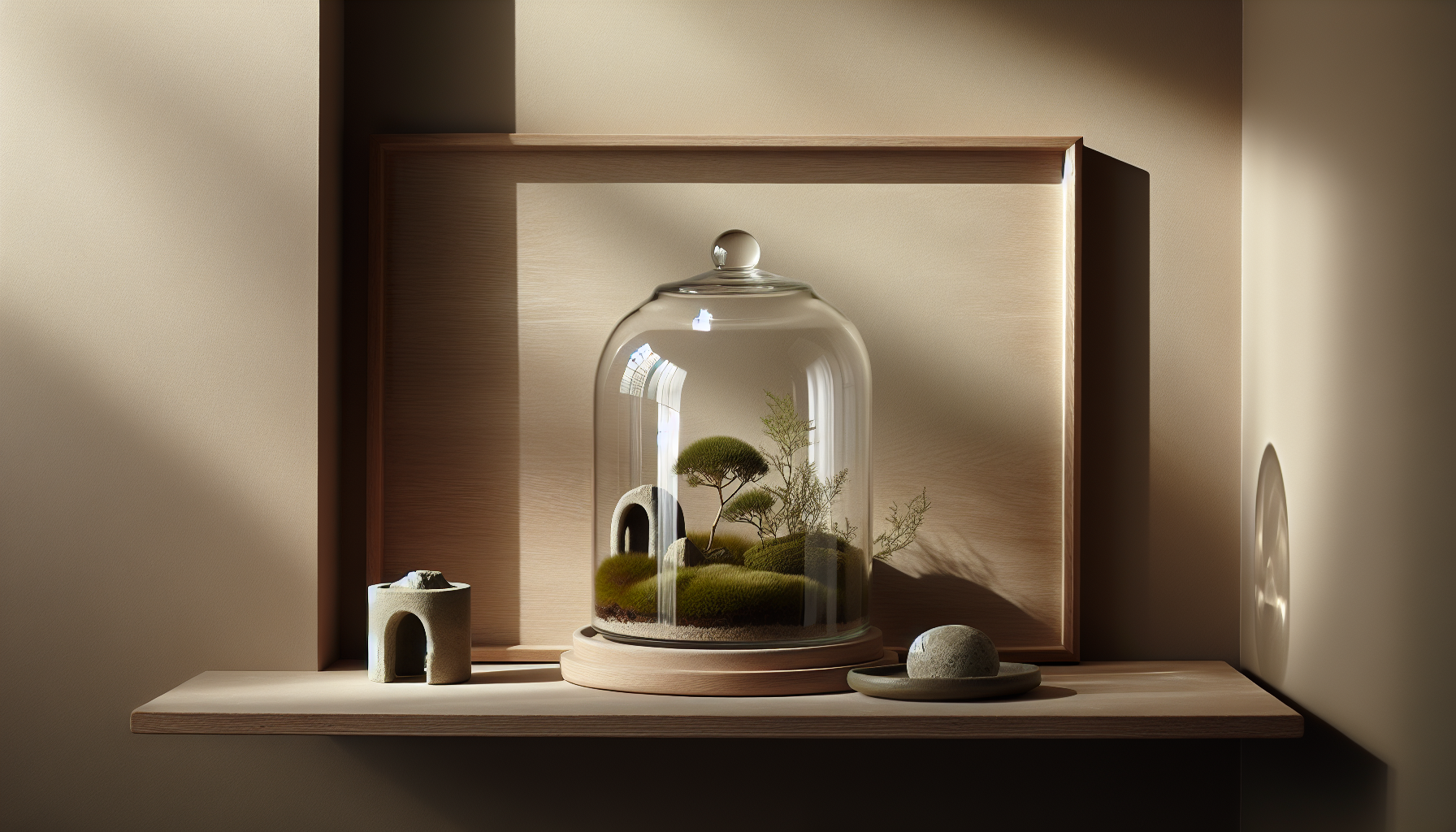
?Can you use moss walls or terrariums in Japandi spaces?
Using moss walls and terrariums in Japandi interiors
You can absolutely use moss walls and terrariums in Japandi interiors, and when done thoughtfully they can enhance the aesthetic rather than overpower it. This article walks you through what works, how to maintain it, and how to keep everything aligned with Japandi principles so your space feels calm, natural, and purposeful.
What is Japandi and why it matters for plant features
Japandi combines Japanese wabi-sabi and Scandinavian minimalism into a warm, restrained style that focuses on natural materials, muted colors, craftsmanship, and functional simplicity. You should prioritize subtlety, texture, and balance when introducing any greenery so that your moss walls or terrariums complement, rather than detract from, the overall harmony.
How moss and terrariums align with Japandi principles
Moss and terrariums reflect nature in compact, textural ways that suit Japandi’s reverence for natural elements and quiet beauty. When you choose materials, containers, and scales that feel handcrafted and understated, they mesh well with the aesthetic’s emphasis on calm, uncluttered spaces.
Key Japandi considerations to keep in mind
You should aim for a limited color palette, natural materials, uncluttered placement, and visible craftsmanship. These choices will determine whether your moss wall or terrarium looks like an intentional design piece or an out-of-place accent.
Moss walls: overview
A moss wall is a vertical installation made from preserved or live moss, sometimes combined with other plants or materials, mounted on panels or frames. You can use them as focal walls, accent panels, or subtle backdrops for seating and shelving.
Types of moss walls
There are two main categories: preserved moss panels and living moss walls. Each has a distinct appearance, maintenance profile, and suitability for different spots in your home.
| Type | Appearance | Maintenance | Ideal for |
|---|---|---|---|
| Preserved moss | Soft, matte texture; retains color; no growth | Very low: no watering, occasional dusting | Low-light rooms, high locations, rental spaces |
| Living moss | Lush, variable texture; can grow or brown | Moderate: humidity, occasional watering, pruning | Bathrooms, humid spaces, feature walls near light sources |
You should pick preserved moss if you want the look with minimal upkeep, and choose living moss when you want a dynamic, living surface and are prepared for extra care.
Design principles for moss walls in Japandi interiors
A moss wall should feel like a natural, restrained addition rather than a bold accent. Keep scale, color, and framing consistent with Japandi ideals.
Scale and placement
Think about scale relative to furniture and negative space. A large moss wall can become a serene focal point above a low sofa or behind a dining bench, while small panels can create rhythm on a corridor or shelf. You should leave enough empty wall around the moss to preserve minimalism.
Color and texture
Stick to muted greens and natural tones. Moss with subtle variations is better than bright, saturated colors. Texture matters—choose fine, velvety moss or mixed textures that echo textiles, wood grain, and stone in the room.
Frames and backings
Use simple frames or raw edges with natural wood, concrete, or black metal. The frame should enhance, not dominate, the moss panel. You should prefer warm or neutral woods to align with Japandi warmth.
Integration with architecture
Mount moss panels in niches, behind open shelving, or as headboard alternatives. They work well when paired with wood slats, tatami-inspired flooring, or low-profile furniture to reinforce the Japandi language.
Preserved vs live moss: in-depth comparison
You should understand pros and cons clearly before choosing.
| Feature | Preserved Moss | Living Moss |
|---|---|---|
| Maintenance | Minimal | Moderate to high |
| Appearance longevity | Stable color/textures for years | Changes with humidity and care |
| Watering | None | Regular misting/watering |
| Lighting requirements | Low | Moderate (indirect light) |
| Suitability for Japandi | Excellent for minimal, maintenance-free spaces | Great for active plant lovers seeking living surfaces |
| Cost | Moderate | Varies; can be higher if irrigation installed |
You should weigh maintenance commitment and desired authenticity when deciding.
Installing moss walls: practical considerations
Installation affects durability and aesthetics. Plan for backing, mounting, moisture management, and access for maintenance.
Mounting systems
Lightweight preserved panels can be mounted on cleats or picture-hangings. Living walls often require modular planters or felt pockets with a water-retention matrix and sometimes an irrigation line. You should assess wall load and humidity.
Moisture and ventilation
If you choose living moss, ensure the wall area has adequate ventilation to prevent mold on structural surfaces. Use breathable backings and a moisture barrier if mounting on drywall. Preserved moss needs no moisture control but benefits from consistent humidity to avoid brittleness in dry conditions.
Professional vs DIY installation
Preserved panels are often DIY-friendly. Living walls can be DIY if you’re experienced with waterproof membranes and irrigation, but you may prefer a specialist for larger systems. You should consider warranty, structural safety, and long-term care.
Moss wall maintenance basics
Preserved moss requires minimal care—occasional dusting, avoiding direct sunlight, and keeping it away from high humidity or steam. Living moss needs regular misting, occasional pruning, and monitoring for pests or browning patches. You should set a simple maintenance routine that fits your lifestyle.
Troubleshooting common issues
If preserved moss fades, check for too much light or smoke residue. For living moss showing brown patches, check humidity, water distribution, and light. You should intervene promptly with more consistent humidity or adjust watering methods.
Terrariums: overview
Terrariums are enclosed or open glass containers that house small plant ecosystems. They can be a miniature expression of nature, ideal for tabletops, shelves, or low surfaces in Japandi interiors.
Types of terrariums
Terrariums fall into a few broad types: closed (humid), open (dry-medium), and partial-vent. Each supports different plant groups.
| Type | Environment | Plants that thrive | Maintenance |
|---|---|---|---|
| Closed | High humidity; little air exchange | Mosses, ferns, fittonia, some begonias | Low; occasional ventilation and water addition |
| Open | Dry to moderate humidity | Succulents, cacti, small grasses, air plants | Moderate; regular watering and airflow |
| Partial-vent | Moderate humidity | Mixed groups with moderate needs | Moderate; balance humidity and ventilation |
You should choose the type based on the plants you love and the microclimate you can provide.
Choosing plants consistent with Japandi
Japandi favors restrained palettes and simple, sculptural forms. Opt for plants with subtle foliage, fine textures, or architectural shapes. Avoid overly showy flowers or flamboyant colors that distract from the muted scheme.
Plant suggestions for closed terrariums
- Small ferns (e.g., maidenhair, button fern)
- Shade-loving moss species
- Baby tears (Soleirolia) in small doses
- Mini fittonia for veined texture
You should use plants that like low to medium light and high humidity.
Plant suggestions for open terrariums
- Haworthia and small slow-growing succulents
- Echeveria varieties (small rosette types)
- Sedum for low arrangements
- Tillandsia (air plants) for airy accents
You should group plants with similar water and light needs to avoid overcomplicating care.
Terrarium containers and Japandi materials
Choose glass containers with simple shapes—cylinders, low bowls, or geometric vessels—and pair them with natural bases like untreated wood or ceramic trays. You should avoid ornate or brightly painted containers that compete with the visual calm of Japandi interiors.
Decorative elements
Use natural stones, fine sand in neutral tones, small pieces of driftwood, or simple slate to create a refined base. You should keep decorative additions minimal and tactile.
Lighting and placement for terrariums and moss walls
Light is often the most critical factor for plant success. You should match plant requirements with the natural lighting in the selected location.
Light levels explained
- Low light: north-facing rooms or rooms with filtered light; best for preserved moss and shade plants.
- Medium light: bright, indirect light from east or west windows; suitable for most closed terrariums and living moss.
- High light: direct sun from south-facing windows; best for succulents in open terrariums but can dry out moss quickly.
You should use supplemental grow lights with warm color temperatures if natural light is insufficient.
Placement tips
Place moss walls where they can be seen but won’t compete with sunlight on wood or textiles. Position terrariums at eye level on side tables, shelving at open sightlines, or kitchen windowsills with filtered light. You should avoid overly busy areas to maintain calm.
Humidity and microclimate management
Closed terrariums and living moss prefer higher humidity. You should assess room humidity and decide whether you can support these microclimates.
Simple humidity solutions
- Group plants to raise local humidity.
- Use pebble trays for terrariums that need extra moisture without watering the soil excessively.
- Add a small humidifier near living walls in dry seasons.
- For closed terrariums, keep the lid on most of the time and vent occasionally to prevent mold.
You should monitor moisture visually and with a hygrometer if needed.
Combining moss walls and terrariums
Using both elements creates a layered, cohesive approach to bringing nature indoors. The moss wall can act as a subdued backdrop while terrariums provide small focal points and tactile interest.
Composition strategies
- Keep terrarium colors and materials in the same family as the moss wall (muted greens, natural wood).
- Use scale: a large moss panel paired with small terrariums on a sideboard or shelf balances the room.
- Create repetition: repeat textures (stone, woven mats, unglazed ceramics) to unify pieces.
You should aim for harmony rather than matching everything exactly.
Material and color palettes that work best
Stick to neutral tones—warm greys, soft beiges, muted greens, and natural wood finishes. For containers and frames, choose unglazed ceramic, matte glass, black metal accents, or raw wood. You should avoid glossy, reflective finishes that clash with the soft, tactile quality of moss.
DIY vs professional: when to hire a pro
You can assemble preserved panels and small terrariums yourself if you’re comfortable with basic tools and plant care. Hire a professional for large living walls, integrated irrigation, or when the installation involves structural modifications or waterproofing. You should consider long-term maintenance and warranties when deciding.
DIY moss panel basics
- Use a stable backing (plywood or cork) and attach preserved moss with adhesive or staples.
- Frame with a simple wooden surround.
- Mount using French cleats for easy removal.
You should prepare a dusting routine and avoid installing in steam-prone areas.
DIY terrarium basics
- Use sterile glass containers, a drainage layer (pebbles), activated charcoal, a layer of substrate, and topsoil or cactus mix as appropriate.
- Plant gently and mist closed terrariums to avoid shock.
- Monitor for condensation and mold—ventilate if needed.
You should start with hardy, slow-growing species and avoid overcrowding.
Budget considerations
Costs vary widely depending on size, materials, and whether you use preserved or living moss.
| Item | Typical cost range (USD) |
|---|---|
| Small preserved moss panel | $50–$200 |
| Large preserved or custom panel | $300–$1,500+ |
| DIY terrarium kit | $20–$80 |
| Custom glass terrarium or designer vessel | $100–$600 |
| Living wall system with irrigation | $1,000–$10,000+ |
You should set a budget that accounts for installation and maintenance, especially for living installations.
Sustainability and sourcing
Choose sustainably harvested preserved moss and ethically sourced wood and stone. Ask suppliers for information about harvesting practices, and favor local or certified sources to reduce environmental impact. You should consider the lifecycle of materials and select long-lasting, repairable options.
Eco-friendly tips
- Reuse glass containers and reclaimed wood for frames.
- Compost plant cuttings and use organic potting mixes.
- Choose preserved moss products that use non-toxic preservatives.
You should treat plant features as long-term investments rather than disposable decor.
Common mistakes and how to avoid them
Many problems stem from poor placement, mismatched plant needs, or overly ornate designs that conflict with Japandi minimalism.
- Mistake: Putting a living moss wall in direct sun. Fix: Choose a shaded wall or preserved moss.
- Mistake: Overcrowding a terrarium. Fix: Use fewer plants and respect their mature size.
- Mistake: Clashing containers. Fix: Select vessels with simple lines and natural finishes.
You should plan with the plants’ needs in mind and maintain restraint in ornamentation.
Seasonal care and adjustments
Humidity and light change with the seasons, and you should adjust care accordingly.
- In winter, increase misting for living moss if indoor heating dries the air.
- In high-sun summer months, provide shading for moss and ventilate terrariums more often.
- For closed terrariums, reduce watering in warmer months if condensation increases.
You should observe your installations and fine-tune care rather than following rigid schedules.
Frequently asked questions
Can preserved moss cause allergies?
Preserved moss is treated and inert, which reduces pollen and allergic reactions compared to live plants, but dust can accumulate. You should dust it occasionally to keep it fresh.
Will a living moss wall attract pests?
Healthy living walls are less likely to attract major pests if they’re kept clean and not overwatered. You should watch for scale, fungus gnats, or mites and treat early with gentle interventions.
How long does preserved moss last?
With proper indoor conditions (away from direct sun and excessive humidity), preserved moss can last many years. You should avoid areas with steam or high UV exposure to prevent color loss.
Are terrariums suitable for bathrooms?
Closed terrariums and living moss can thrive in bathrooms with moderate light because of higher humidity, provided they receive some indirect light. You should avoid bathrooms with high heat or harsh artificial light.
Can you combine succulents with moss in one terrarium?
Succulents prefer dry conditions, while moss likes humidity, so combining them is generally not recommended. You should create separate arrangements or carefully design partial-vent containers with microclimates.
Quick planning checklist for your project
Use this checklist to clarify decisions before you start.
| Step | Action |
|---|---|
| 1 | Choose preserved or living moss based on maintenance tolerance |
| 2 | Pick location: assess light, humidity, and scale |
| 3 | Select container/frame materials that match Japandi palette |
| 4 | Determine professional help for living walls or complex installs |
| 5 | Select plant palette for terrariums with similar needs |
| 6 | Decide on maintenance routine and tools (mister, hygrometer) |
| 7 | Source sustainable materials and plants where possible |
| 8 | Install and observe for the first month, making adjustments |
You should use this as a simple roadmap so the project feels manageable.
Case studies and layout ideas
Here are a few practical layouts you can adapt to different rooms while maintaining Japandi restraint.
- Living room: A long preserved moss panel above a low wooden credenza paired with two small glass terrariums in matte ceramic trays. You should keep surrounding décor minimal and choose one accent texture like a woven rug.
- Entryway: A vertical preserved moss strip next to a low bench with a single open terrarium on a side table. You should use warm wood and simple hooks or baskets to maintain function.
- Bathroom: A small closed terrarium on a shelf and a living moss panel on an adjacent wall (if humidity and light permit). You should ensure ventilation to prevent mold.
Final considerations: balancing beauty and function
Moss walls and terrariums can bring a gentle, living texture to Japandi interiors when you respect the style’s principles: natural materials, muted colors, and thoughtful restraint. You should prioritize plant health and place-making rather than decorating by trend.
Your next steps
Decide whether you want a low-maintenance preserved solution or a living installation that becomes part of your ongoing care routine. Sample small terrariums first and consider a modest preserved panel if this is your first time combining nature with Japandi interiors. You should test one element, observe how it affects the room’s atmosphere, and then expand from there.
Closing thought
When you thoughtfully integrate moss walls and terrariums, they can heighten the Japandi experience by adding quiet texture, subtle color, and a tactile reference to nature. Keep your approach simple, select materials with integrity, and create compositions that feel intentional—this will ensure the additions feel at home in your space.