
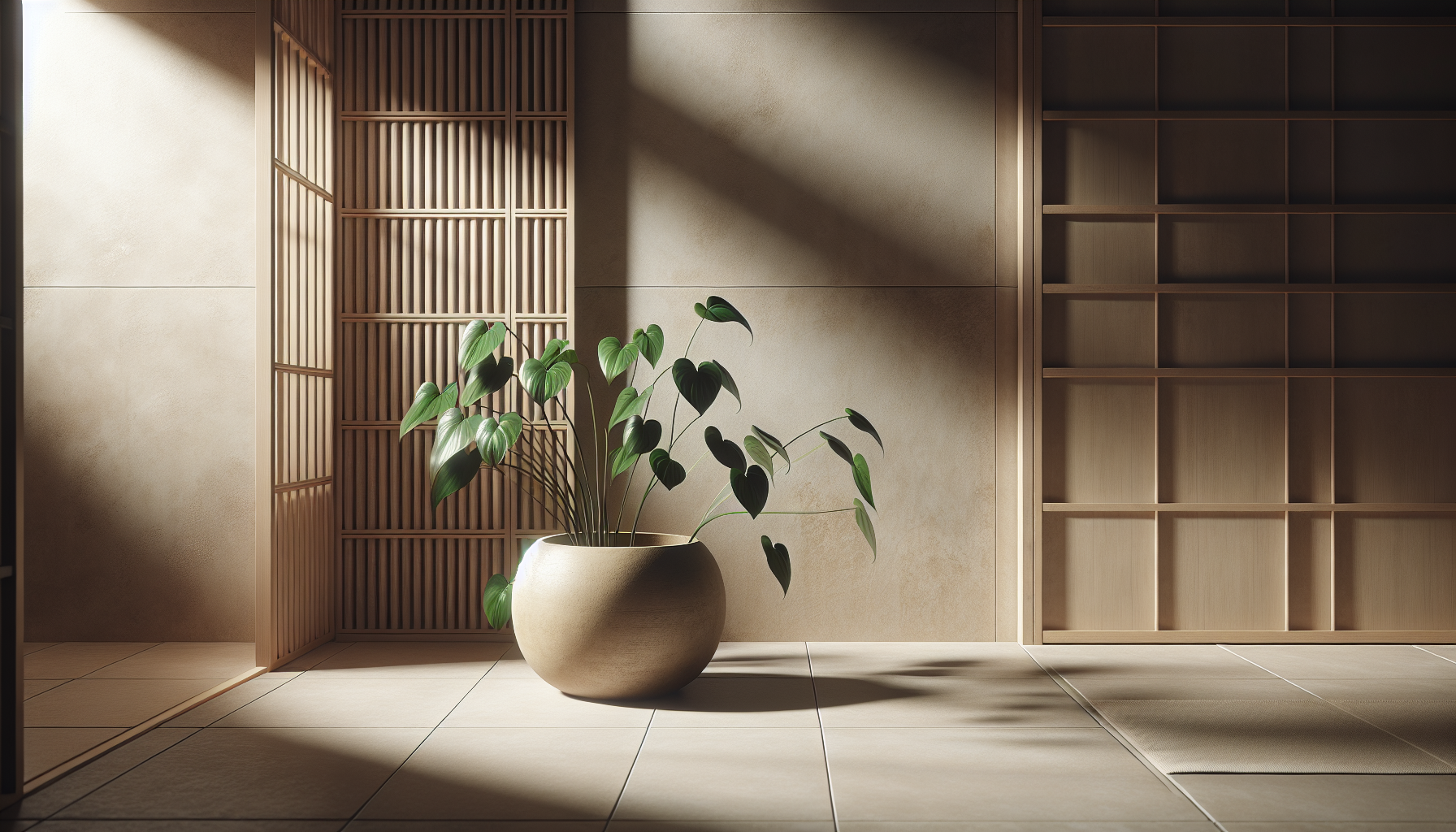
Would you like to bring calm, living greenery into your Japandi bathroom while keeping the space minimal and serene?
Plants That Thrive in Japandi Bathrooms
You can create a tranquil, spa-like bathroom by choosing plants that suit the humid, often low-light conditions found in many bathrooms. This article helps you pick species that fit the Japandi aesthetic — simple forms, natural textures, and muted colors — while giving practical care guidance.
What is Japandi style?
Japandi is a blend of Japanese and Scandinavian design principles that favors simplicity, natural materials, muted color palettes, and an emphasis on functionality. You can use plants to reinforce that aesthetic by selecting specimens with clean lines, subtle textures, and calming green tones.
Why choose plants for your Japandi bathroom?
Plants soften hard surfaces, improve air quality, and bring a sense of calm and organic warmth that complements natural materials like wood and stone. You can use greenery strategically to accent neutral tones, create visual rhythm, and make the bathroom feel like a restful retreat.
Key environmental conditions in bathrooms
Bathrooms are often humid and can have variable light levels; both of these influence plant choice and care. You should assess the light, humidity, and temperature patterns before picking plants, since the wrong plant in the wrong microclimate will struggle.
- Light: Ranges from bright indirect near windows to very low in interior bathrooms.
- Humidity: Often high, especially if the bathroom is used for hot showers regularly.
- Temperature: Usually stable and moderate, with warm bursts from showers.
What to look for in plants for Japandi bathrooms
You should prioritize plants that like humidity, tolerate low to moderate light, and have a sculptural or calming foliage to match the Japandi look. Choose species that are relatively low-maintenance and resilient to irregular watering.
- Humidity-loving but not necessarily wet-rooted.
- Tolerant of bright indirect to low light.
- Compact or with a tidy growth habit.
- Neutral foliage — deep greens, matte textures, or subtle variegation.
Top plants for Japandi bathrooms
Below are plants that combine aesthetic suitability and practical resilience for bathroom environments. Each entry explains why the plant works for Japandi bathrooms and how to care for it.
Pothos (Epipremnum aureum)
Pothos is a classic, forgiving plant with trailing stems that soften corners and shelves. You can place pothos on a high shelf or in a hanging pot where its vines can cascade; it tolerates low light and benefits from the bathroom’s humidity.
- Light: Low to bright indirect.
- Water: Allow top 2–3 cm (1 inch) of soil to dry between waterings.
- Styling tip: Use a simple, unglazed ceramic pot to match Japandi materials.
- Pet safety: Toxic to pets if ingested.
Heartleaf Philodendron (Philodendron hederaceum)
The heartleaf philodendron is similarly easygoing and offers a more matte, deep-green look that fits Japandi minimalism. You can train it to climb or trail, and it often thrives in the warm, humid bathroom environment.
- Light: Low to bright indirect.
- Water: Moderate; don’t let the soil stay soggy.
- Styling tip: Pair with a natural wood shelf or a beige stone planter.
- Pet safety: Toxic to pets.
Snake Plant (Sansevieria / Dracaena trifasciata)
Snake plant brings strong vertical lines that complement minimalist spaces and is exceptionally tolerant of low light and neglect. You can place it in a corner to anchor the space; it’s low-maintenance and handles humidity well.
- Light: Low to bright indirect.
- Water: Infrequent; let soil dry out between waterings.
- Styling tip: Use a raw terracotta or stone pot to echo natural textures.
- Pet safety: Mildly toxic to pets.
ZZ Plant (Zamioculcas zamiifolia)
ZZ plant has smooth, glossy leaflets that maintain a clean, sculptural look. It tolerates low light and inconsistent watering, which is ideal if you won’t water frequently.
- Light: Low to bright indirect.
- Water: Very infrequent; drought-tolerant.
- Styling tip: A matte, neutral planter keeps the focus on form.
- Pet safety: Toxic to pets.
Peace Lily (Spathiphyllum)
Peace lily thrives in high humidity and filtered light, rewarding you with occasional white flowers if conditions are right. You can place it near a window with indirect light or in a bright spot; it also helps with indoor air quality.
- Light: Low to bright indirect.
- Water: Keep evenly moist but not waterlogged.
- Styling tip: A low, simple ceramic pot enhances the serene look.
- Pet safety: Toxic to pets.
Boston Fern (Nephrolepis exaltata)
Boston fern is lush and feathery, with an aesthetic that can read Japanese due to its soft texture. It loves humidity and benefits from regular misting or a nearby shower steam.
- Light: Bright indirect to medium.
- Water: Keep soil consistently moist; doesn’t like drying out.
- Styling tip: Hang a fern or set it on an open shelf for cascading fronds.
- Pet safety: Non-toxic to pets.
Bird’s Nest Fern (Asplenium nidus)
Bird’s nest fern has broad, upright fronds that form a simple rosette, offering a sculptural silhouette that suits the Japandi aesthetic. It prefers humidity and indirect light, making it a good bathroom companion.
- Light: Low to medium indirect.
- Water: Keep soil slightly moist; avoid overwatering the crown.
- Styling tip: Place on a wooden stool or shelf as a focal plant.
- Pet safety: Non-toxic to pets.
Maidenhair Fern (Adiantum)
Maidenhair fern is delicate and adds a refined, airy texture to the bathroom landscape. It loves humidity and careful, even watering, making it ideal for very humid bathrooms.
- Light: Bright indirect to medium.
- Water: Keep evenly moist; hates drying out.
- Styling tip: Use a plain, neutral pot to highlight its delicate fronds.
- Pet safety: Non-toxic to pets.
Spider Plant (Chlorophytum comosum)
Spider plant is resilient, effective at cleaning air, and produces arching leaves with baby plantlets. You can hang it or place it on a shelf where its babies can trail down, adding gentle rhythm.
- Light: Bright indirect to medium.
- Water: Moderate; allow topsoil to dry slightly between waterings.
- Styling tip: Use a woven basket or unglazed ceramic pot for texture.
- Pet safety: Non-toxic to pets.
Calathea and Maranta (Prayer Plants)
Calatheas and marantas feature patterned foliage and prefer high humidity and low-to-medium light. The subtle patterns can be a refined accent in a Japandi bathroom when chosen in muted tones.
- Light: Low to medium indirect.
- Water: Keep evenly moist with good humidity.
- Styling tip: Select cultivars with deep green, matte leaves for a subdued look.
- Pet safety: Non-toxic to pets.
Orchid (Phalaenopsis)
Phalaenopsis orchids enjoy humid conditions and gentle indirect light; they can bring a touch of refined elegance when they bloom. You can set them on a low shelf or countertop where they receive filtered light and humidity.
- Light: Bright indirect.
- Water: Water sparingly; allow orchid mix to dry slightly between waterings.
- Styling tip: Use a clear or simple ceramic pot to show the root structure subtly.
- Pet safety: Non-toxic to pets.
Cast Iron Plant (Aspidistra elatior)
The cast iron plant is nearly indestructible and tolerates low light and humidity fluctuations. Its understated leaves and slow growth align well with the restrained Japandi palette.
- Light: Low to medium indirect.
- Water: Moderate; tolerant of irregular watering.
- Styling tip: Place in a matte stone pot to maintain a calm aesthetic.
- Pet safety: Non-toxic to pets.
Peperomia species
Peperomias are compact, sculptural, and come in many leaf textures and muted colors suitable for Japandi style. They generally enjoy humidity and don’t take up much space.
- Light: Low to bright indirect.
- Water: Allow surface to dry between waterings.
- Styling tip: Group different leaf textures and shapes for subtle contrast.
- Pet safety: Mostly non-toxic to pets.
Hoyas (Wax Plant)
Hoyas have thick, glossy leaves and sometimes clusters of waxy flowers. They appreciate humidity and bright indirect light, and their trailing or vining habit works well in hanging planters.
- Light: Bright indirect.
- Water: Allow soil to dry slightly; drought-tolerant.
- Styling tip: Use simple hanging ceramic planters for a floating effect.
- Pet safety: Mildly toxic to pets if ingested.
Quick comparison: bathroom-friendly plant characteristics
This table helps you compare the plants above by light requirement, humidity preference, maintenance level, and pet safety so you can pick what suits your bathroom.
| Plant | Light | Humidity | Maintenance | Typical Size | Pet Safety |
|---|---|---|---|---|---|
| Pothos | Low–bright indirect | Medium–High | Low | Trailing | Toxic |
| Heartleaf Philodendron | Low–bright indirect | Medium–High | Low | Trailing/Climbing | Toxic |
| Snake Plant | Low–bright indirect | Low–Medium | Very Low | Upright | Mildly toxic |
| ZZ Plant | Low–bright indirect | Low–Medium | Very Low | Upright | Toxic |
| Peace Lily | Low–bright indirect | High | Medium | Clumping | Toxic |
| Boston Fern | Medium–bright indirect | High | Medium–High | Cascading | Non-toxic |
| Bird’s Nest Fern | Low–medium indirect | High | Medium | Upright | Non-toxic |
| Maidenhair Fern | Bright indirect | High | High | Delicate | Non-toxic |
| Spider Plant | Medium–bright indirect | Medium–High | Low | Arching | Non-toxic |
| Calathea / Maranta | Low–medium indirect | High | Medium | Clumping | Non-toxic |
| Orchid (Phal.) | Bright indirect | High | Medium | Upright | Non-toxic |
| Cast Iron Plant | Low–medium indirect | Low–Medium | Very Low | Upright | Non-toxic |
| Peperomia | Low–bright indirect | Medium | Low | Compact | Mostly non-toxic |
| Hoya | Bright indirect | Medium–High | Low | Trailing/Hanging | Mildly toxic |
Potting materials and containers that suit Japandi bathrooms
You should choose pots and containers that reflect the Japandi preference for natural textures and neutral colors. Think terracotta, unglazed ceramic, stone, or matte neutral glazes paired with simple lines and minimal ornamentation.
- Drainage: Ensure pots have drainage holes or use a well-draining mix with a layer of clay pebbles at the bottom. You can place the plant pot inside a cachepot if you want a cleaner look.
- Material choices: Terracotta breathes and helps prevent overwatering; glazed ceramics retain moisture longer. Choose based on how often you water.
- Minimal lines: Go for simple shapes that match other bathroom hardware and fixtures.
Placement and styling tips for a Japandi bathroom
You can use placement to emphasize calmness and balance in the bathroom while keeping the aesthetic uncluttered. Think in terms of negative space and intentional plant placement.
- Shelves: Place smaller plants like peperomias, orchids, or calatheas on shelves at eye level.
- Hanging: Use hanging hooks or a ceiling-mounted planter for pothos, spider plant, or hoya to free up surfaces.
- Corners: Use taller, sculptural plants like snake plant or cast iron plant to anchor an empty corner.
- Grouping: Group 2–3 plants of different heights and textures together for a subtle, natural vignette. Keep the color palette muted.
- Single-statement plants: A simple bird’s nest fern or a single orchid can be a focal point without cluttering.
Humidity and watering strategies
You should use the bathroom’s humidity to your advantage but avoid creating constantly soggy conditions that lead to root rot. Tailor watering strategies to each plant’s needs.
- Watering frequency: Most tropicals in humid bathrooms will need less frequent watering than in dry rooms. Check soil moisture before watering.
- Pebble tray: Use a shallow tray filled with pebbles and water to increase local humidity for plants on a countertop.
- Grouping plants: Place several plants together to create a microclimate and stabilize humidity around them.
- Steam from showers: Regular short showers will boost humidity, but avoid placing plants directly in a stream of hot water.
Lighting solutions for low-light bathrooms
If your bathroom lacks sufficient natural light, you can augment it with artificial light designed for plants. You should match light intensity and duration to the plant’s needs.
- LED grow lights: Full-spectrum LED fixtures provide balanced light and run cool; mount above shelves or use an adjustable lamp.
- Light duration: Aim for 10–12 hours of light for most tropicals; lower-light plants can manage 8–10 hours.
- Placement: Position lights to mimic indirect sunlight rather than concentrated beams.
- Fixtures: Choose discreet fixtures with a simple design to maintain the Japandi aesthetic.
Soil, drainage, and repotting
You should use a well-draining mix for most houseplants, and repot before plants become rootbound to maintain health.
- Mixes: Use a quality indoor potting mix, sometimes combined with perlite or orchid bark for drainage. Ferns prefer moisture-retentive mixes.
- Repotting frequency: Most houseplants need repotting every 1–3 years; check roots and top growth.
- Root rot: If soil smells foul or roots are brown and mushy, remove affected roots, repot into fresh soil, and reduce watering.
Common problems and troubleshooting
You should watch for signs of stress — yellowing leaves, brown tips, pests — and take corrective action early. Most common issues are light-related, water-related, or pest-related.
- Yellow leaves: Often indicate overwatering, poor drainage, or insufficient light.
- Brown tips: Usually caused by low humidity, salt buildup from water, or inconsistent watering.
- Pests: Mealybugs, scale, and fungus gnats can occur in bathrooms; treat with insecticidal soap or neem oil and remove infested leaves.
- Mold/mildew: Keep air flowing; use an exhaust fan and avoid stagnant water in trays or on soil.
Propagation and replacing plants
You can expand your collection economically by propagating many of these species from cuttings or divisions. Propagation also gives you spare plants to rotate into other rooms.
- Pothos and philodendron: Propagate from stem cuttings in water or soil.
- Spider plant: Plantlets root easily in moist soil.
- Ferns: Divide crowns during repotting.
- Orchids: Propagate through keikis or division for mature clumps.
Seasonal care and long-term maintenance
You should adjust care with seasonal changes, especially if temperature and humidity vary throughout the year. Regular maintenance ensures plants stay healthy and aligned with the Japandi look.
- Winter: Reduce watering if you use heat; provide supplemental light if days are short.
- Spring/summer: Increase water and begin a light feeding schedule during the growing season.
- Fertilizing: Use a balanced, diluted fertilizer during active growth; avoid overfeeding in a bathroom where nutrients can accumulate.
Pet safety and toxicity considerations
You should check plant toxicity if you have pets that access the bathroom. Some attractive species are toxic when ingested, so plan placement accordingly.
- Safe picks: Boston fern, bird’s nest fern, spider plant, cast iron plant, many peperomias.
- Caution picks: Pothos, philodendron, snake plant, ZZ plant, peace lily, hoya.
- Placement: Keep toxic plants out of reach or choose pet-safe alternatives if animals are likely to nibble.
Shopping, selection, and acclimation tips
You should select healthy plants and give them time to adjust to new conditions in your bathroom. Inspect plants for pests and stress before bringing them in.
- Inspect: Look for firm, vibrant leaves and check undersides for pests.
- Quarantine: Keep new plants apart from others for a week to watch for pests and disease.
- Acclimate: Gradually move plants into their final bathroom location if light conditions differ drastically from the nursery.
Minimal maintenance routine checklist
This checklist helps you keep plants healthy with minimal fuss in a bathroom environment. Use it as a simple rhythm to follow.
| Frequency | Task |
|---|---|
| Daily | Open any small windows or run an exhaust fan briefly to keep airflow; spot-check for spills or pooling water. |
| Weekly | Check soil moisture, water as needed, wipe dust from large leaves, remove dead foliage. |
| Monthly | Inspect for pests, rotate plants for even light exposure, lightly prune for shape. |
| Every 3–12 months | Repot if rootbound, top-dress with compost or fresh mix, fertilize during active growth season. |
Styling combinations for a cohesive Japandi bathroom
You can mix a few complementary plants to achieve a calm, layered look without clutter. Keep the palette restrained and textures balanced.
- Minimal trio: Snake plant + bird’s nest fern + small peat-moss-covered orchid for vertical, textural, and floral elements.
- Hanging vignette: Trailing pothos + spider plant + small hoya in matching neutral hangers.
- Countertop cluster: Small peperomia + orchid + ceramic soap tray for a tidy, functional grouping.
- Shelf composition: Group a Boston fern, a matte ceramic pot with a calathea, and a wooden bowl for contrast.
Design dos and don’ts for Japandi bathrooms
You should follow a few simple etiquette rules so plants enhance rather than overpower the serene Japandi space.
Dos:
- Do choose a restrained color palette and natural materials for pots.
- Do prioritize air circulation and drainage to prevent mold.
- Do pick one or two statement plants rather than many small, competing pieces.
Don’ts:
- Don’t overcrowd surfaces; leave breathing room around each plant.
- Don’t use overly ornate, colorful pots that clash with the minimalist aesthetic.
- Don’t let plants sit in standing water or in very hot direct sun.
Troubleshooting specific symptoms
When plants show stress, using a methodical approach helps you correct the issue quickly. Evaluate light, water, pests, and soil in that order.
- Drooping leaves: Check soil moisture; drought or waterlogged roots can both cause droop. Adjust watering and improve drainage if needed.
- Leaves turning pale: Likely insufficient light or nutrient deficiency. Move plant to brighter spot or use a diluted fertilizer.
- Black or mushy roots: Root rot from overwatering. Remove rotten roots, repot in fresh mix, and reduce watering frequency.
- Brown edges on leaves: Usually low humidity, salt buildup, or inconsistent watering. Increase humidity and flush soil with clean water occasionally.
When to move plants out of the bathroom
You should move plants if the bathroom becomes too hot, exposed to direct sun that scorches leaves, or if mildew problems persist. Certain plants need a brighter or drier spot at times.
- Too much heat/steam: Some plants may tolerate humidity but not high temperatures near continuous hot showers.
- Direct, scorching sun: Move shade-loving plants if a window creates intense heat during certain hours.
- Persistent mold or pests: Temporarily relocate plants for treatment and better monitoring.
Final thoughts and next steps
You can craft a Japandi bathroom that feels calm, natural, and alive by carefully selecting a few well-suited plants and pairing them with simple, natural containers. Focus on balance, humidity-friendly species, and minimal maintenance to keep the space serene and healthy.
If you want, you can tell me about your bathroom’s light and size, and I’ll recommend a tailored plant list and placement plan to match your Japandi aesthetic.