
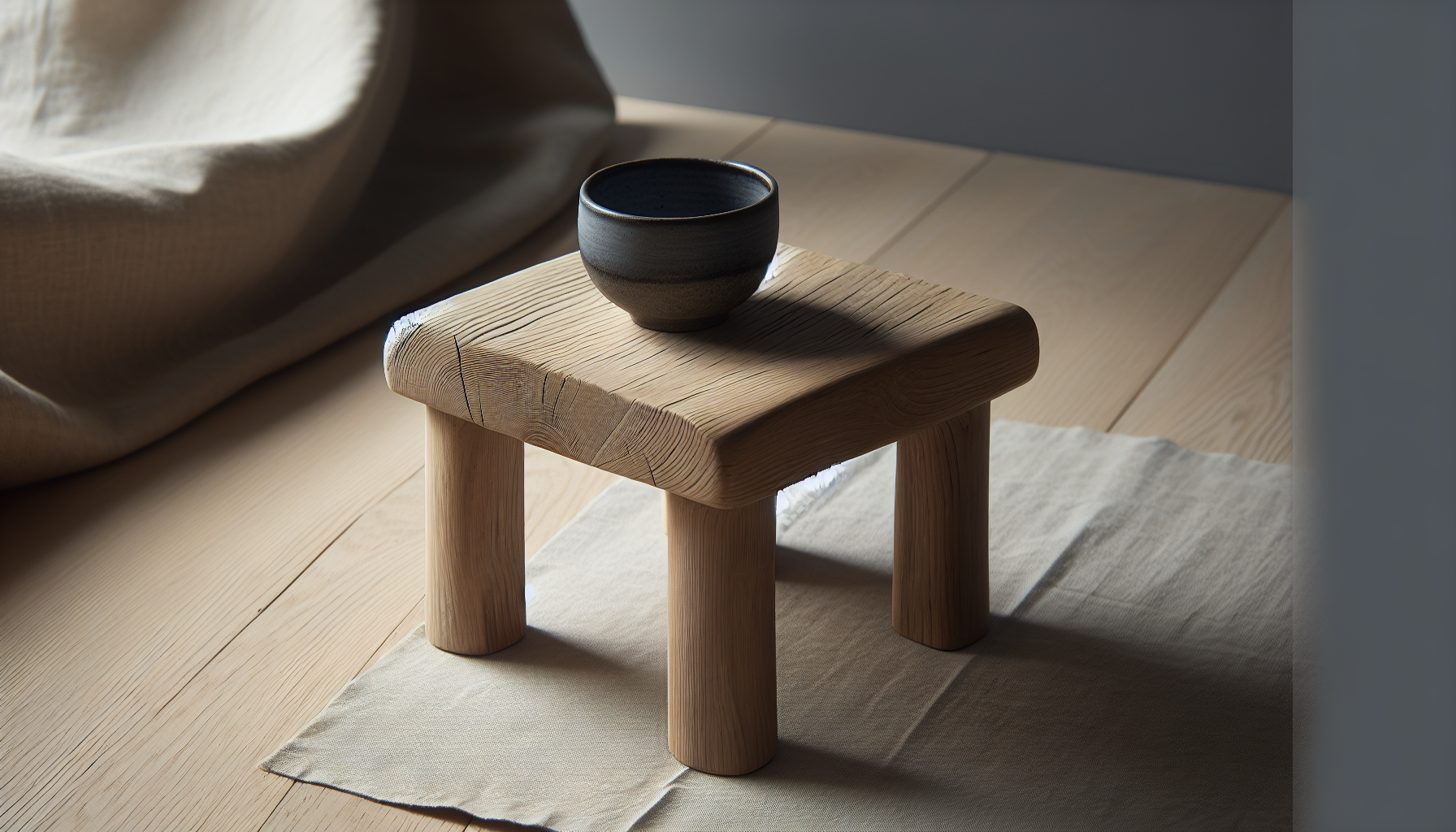
?Do you think Japandi is something you live by, or is it simply a look you apply to a room?
What Japandi means and why it matters
Japandi is a hybrid aesthetic that blends Japanese wabi-sabi principles with Scandinavian functional minimalism. You’ll notice a calm, restrained environment that prioritizes craftsmanship, natural materials, and intentional placement. When you understand the philosophy behind the aesthetic, you can decide whether it should be a superficial choice or a deeper lifestyle shift.
Origins: where Japanese and Scandinavian design meet
The roots of Japandi come from two design traditions with similar values: Japan’s emphasis on imperfection, simplicity, and quiet beauty, and Scandinavia’s focus on utility, light, and comfort. Both traditions grew from practical needs and cultural values—Japan’s historical constraints and philosophies like wabi-sabi, and Scandinavia’s need for light and cozy living during long winters. Japandi takes the best of both and channels it into spaces that feel warm, composed, and functional.
Japandi as a style versus a lifestyle
You can adopt Japandi as a decorating style, applying its color palette and furniture choices to create a tranquil home. But you can also integrate Japandi as a lifestyle: adopting routines and consumption habits that prioritize simplicity, durability, and mindful living. The difference lies in whether the principles inform only surface choices or influence how you shop, how you use space, and how you live day to day.
The core philosophy: what you’ll live by with Japandi
Living Japandi involves more than color swatches and furniture silhouette choices. It invites you to slow down, reduce excess, favor quality over quantity, and find contentment in restraint. You’ll place value on things that age beautifully, on spaces that support calm moods, and on routines that allow you to use your home intentionally.
Wabi-sabi and Hygge: two philosophies that shape Japandi
Wabi-sabi encourages acceptance of imperfection and transient beauty, while hygge (and broader Scandinavian comfort principles) values coziness, warmth, and functionality. Together, these philosophies make Japandi about balance—refined yet approachable, restrained yet warm. As you adopt Japandi, you’ll blend quiet beauty with practical comfort.
Key principles of Japandi design
These principles will guide every design decision you make, whether you’re rearranging a single room or reshaping your entire home.
- Simplicity and minimalism: Keep possessions purposeful and curated.
- Functionality: Choose items that serve multiple purposes or are optimized for comfort and use.
- Natural materials: Favor wood, stone, linen, wool, and ceramics.
- Neutral palette with contrast: Use warm neutrals and soft greys, accented by deep blacks or indigo.
- Texture layering: Combine smooth, rough, matte, and soft surfaces to keep spaces from feeling flat.
- Craftsmanship and authenticity: Prioritize handmade or well-crafted pieces over mass-produced items.
- Negative space: Allow breathing room in layouts to create calm and focus.
Table: Japanese elements, Scandinavian elements, and Japandi synthesis
This table helps you understand what each tradition contributes and what the combined approach emphasizes.
| Japanese elements | Scandinavian elements | Japandi synthesis |
|---|---|---|
| Low furniture, tatami influence | Light, airy furniture; ergonomic comfort | Low-profile furniture with comfortable seating |
| Wabi-sabi: imperfect beauty | Hygge: warmth and coziness | Warm minimalism that feels human and used |
| Natural, untreated woods (e.g., cedar) | Lighter woods (e.g., pine, ash) | Mixed wood tones with emphasis on texture |
| Subtle, subdued color accents (indigo, muted greens) | Pale palettes, whites, soft greys | Neutral base with deep, calming accents |
| Minimal ornamentation, symbolic objects | Functional décor and textiles | Selective decor that is both useful and meaningful |
How Japandi reshapes rooms: room-by-room guidance
Applying Japandi intentionally will change how you view rooms and their functions. Below are practical suggestions for common spaces.
Living room
This is where you’ll combine functionality, comfort, and social simplicity. Choose a low sofa or modular seating with clean lines, a wooden coffee table, and minimal accessories. Let negative space frame focal objects—one or two sculptural ceramics, a single piece of art, and a carefully chosen plant.
Kitchen
The kitchen becomes a place of ritual and efficiency. Opt for uncluttered countertops, open shelving for curated items, and natural materials like stone or wood for worktops and cutting boards. Use functional, beautiful utensils and display only what you use daily. Your kitchen should invite calm, not overwhelm.
Bedroom
Prioritize restful simplicity in the bedroom. A low-profile bed with high-quality natural linens, a neutral palette, and limited furniture will foster sleep and relaxation. Keep surfaces clear and add soft textures through throws and a subtly textured rug.
Bathroom
Create a spa-like, purifying space using stone, wood accents, and warm lighting. Keep toiletries organized and only on display if they’re aesthetically pleasing. Use simple ceramics and natural fiber towels. A small plant or bamboo tray can add warmth.
Home office
Design your workspace for focus and ergonomics. Keep the desk area uncluttered, choose a comfortable chair with clean lines, and use storage that hides rather than displays every item. Natural light and a few tactile objects (a wooden pen cup, ceramic mug) enhance concentration.
Entryway
The entryway should offer a clear ritual for coming and going. Use a small bench or low shelf, a woven basket for shoes or umbrellas, and hooks for essentials. This area sets the tone for the rest of your home and helps you keep daily clutter under control.
Materials, colors, and textures to prioritize
Your material and color choices create the mood of Japandi. Focus on tactile authenticity and restrained color.
Table: Materials and suggested uses
This table helps you pick materials and shows where they work best.
| Material | Typical uses | Maintenance notes |
|---|---|---|
| Oak, ash, walnut (solid wood) | Furniture, shelving, flooring | Clean with mild soap; oil occasionally to protect |
| Bamboo | Flooring, screens, accessories | Durable, moisture-resistant; wipe dry |
| Stone (granite, slate) | Countertops, accents | Seal porous stone; clean with pH-neutral cleaner |
| Linen, cotton, wool | Curtains, bedding, throws | Air out natural fibers; spot clean or dry clean wool |
| Ceramic, clay | Vases, dishware, planters | Durable; avoid thermal shock for ceramics |
| Paper (washi) | Lamps, screens | Keep dry; replace if stained or torn |
| Matte black metal | Fixtures, handles | Wipe with dry cloth; avoid abrasive cleaners |
Color palette guidelines
Stick to a neutral base—soft whites, warm greiges, and pale beiges—paired with mid-tone wood hues. Add depth with muted greens, deep indigo, charcoal, or black accents. These contrasts maintain the calm while providing visual grounding.
Furniture choices and layout principles
Furniture should be purposeful and proportionate. Choose low, streamlined silhouettes and avoid overly ornate pieces. Prioritize quality: a well-crafted sofa or table will anchor the room more effectively than multiple cheap items.
- Scale matters: Keep pathways clear and avoid crowding.
- Multipurpose furniture: Use benches with storage, nested tables, and modular sofas for flexibility.
- Focal restraint: One impactful piece (a handcrafted sideboard or ceramic sculpture) works better than many small objects.
Textiles and layering
Textiles add warmth and softness without clutter. Use natural fibers—linen, cotton, wool—for their texture and durability. Layer a neutral rug over wooden floors, add a wool throw, and use linen curtains to filter light. Avoid floral or busy patterns; instead, pick subtle weaves and muted tones.
Lighting: natural and artificial
Lighting is central to the Japandi mood. Natural light should be maximized: keep windows clear and use sheer curtains. For evenings, choose warm-toned bulbs and layered lighting: ambient ceiling fixtures, task lighting for work areas, and accent lamps for corners. Paper lanterns, simple pendant lights, or matte metal fixtures complement the aesthetic.
Accessories and decor: less, but meaningful
Curate accessories with intention. A single sculptural vase, a handcrafted bowl, or an art print with a restrained palette will serve better than many decorative items. Choose items that tell a story or that you use—ceramic tea sets, woven trays, or a family heirloom. This approach aligns with Japandi’s belief in meaningful possessions.
Plants and natural elements
Plants enhance the connection to nature that both Japanese and Scandinavian design value. Select simple, sculptural plants: snake plants, ficus, bonsai, or Japanese maples in larger homes. Use planters in clay, muted glazes, or raw wood. Keep plant placement minimal and purposeful.
Embracing lifestyle practices that complement Japandi
If you want Japandi to be more than a look, adopt habits that reflect its philosophy. Practice mindful consumption—buy less, choose better. Create daily rituals that use objects in a meaningful way, such as tea time, lighting a lamp in the evening, or folding textiles neatly. These small rituals reinforce the calming environment of your home.
Mindful consumption and sustainability
You’ll naturally reduce waste by choosing durable, repairable items and by favoring second-hand shopping or purchasing from ethical makers. Think long-term: a well-made table becomes part of the family, not a disposable trend. This approach saves money over time and reduces environmental impact.
Daily rituals that match the aesthetic
Simple rituals support well-being and the home’s aesthetic. You might sweep or wipe surfaces each evening, prepare tea in handmade ceramics, or take time to arrange fresh flowers or seasonal branches. Such acts keep your space tidy and reinforce intentional living.
How Japandi supports mental health and wellbeing
A calm environment reduces cognitive load and stress. You’ll find fewer distractions and more space for focus, rest, and meaningful interactions. The minimalist, intentional approach encourages you to live with what’s essential, which can lower anxiety and help you appreciate small moments.
Adapting Japandi for small spaces and urban living
Japandi works especially well in small apartments because it emphasizes functionality, negative space, and multifunctional pieces. Use built-in storage, foldable or nested furniture, and low-profile items to make spaces feel larger. Choose light-colored walls with warm wood accents to maximize perceived space and warmth.
Space-saving strategies
- Opt for wall-mounted shelving rather than bulky bookcases.
- Choose furniture with hidden storage (benches, ottomans).
- Keep vertical lines clear to draw the eye upward.
- Use mirrors sparingly to amplify light without cluttering surfaces.
A step-by-step plan to transform your home
If you want to adopt Japandi gradually, use this practical sequence.
- Assess and declutter: Spend a weekend identifying items you no longer use. Keep only what is functional or meaningful.
- Pick a neutral palette: Choose a base color for walls and large pieces.
- Identify anchor pieces: Invest in a key sofa, table, or bed that suits the aesthetic and your needs.
- Layer textures: Add rugs, throws, and cushions in natural fibers.
- Curate decorations: Limit visible items to a few meaningful objects.
- Improve lighting: Maximize natural light and add warm artificial lighting.
- Add plants and natural elements: Bring in life and seasonal touches.
- Maintain habits: Create a simple cleaning and resetting routine to keep the space functional and serene.
Budgeting and sourcing: where to invest and where to save
You’ll get the most value by investing in durable, frequently used pieces: a sofa, dining table, bed, and quality bedding. Save on accessories by sourcing second-hand, supporting local artisans, or choosing well-made budget lines. Prioritize materials and construction over brand names.
Table: Where to spend vs where to save
This table helps you allocate your budget effectively.
| Item | Spend (priority) | Save (options) |
|---|---|---|
| Sofa and seating | High — daily use and comfort | Look for end-of-season sales for upholstery |
| Dining table | High — central piece | Buy used solid wood or refurbished options |
| Bed frame & mattress | High — sleep quality matters | Mattress sales or local makers for deals |
| Lighting fixtures | Medium — ambiance counts | Simple lamps can be affordable; splurge on one statement pendant |
| Rugs and textiles | Medium — warmth | Shop natural fiber sales or vintage rugs |
| Decorative objects | Low — curated accents | Thrift, handmade, or DIY ceramics |
Common mistakes to avoid
You’ll get better results if you avoid common pitfalls.
- Over-cluttering: Too many “minimal” pieces defeats the purpose. Keep only what’s meaningful.
- Copying images exactly: Your home should reflect your life, not an Instagram set.
- Ignoring scale: Small rooms need smaller furniture; large rooms need proportionate anchor pieces.
- Choosing trends over quality: Trendy, cheap items often degrade the aesthetic quickly.
- Neglecting comfort: Minimalism shouldn’t mean uncomfortable or sterile. Prioritize ergonomic choices.
Case study 1: small city apartment
Imagine a 600-square-foot apartment where you live alone. You declutter ruthlessly, keep a neutral wall color, and select a compact low sofa and a multifunctional coffee table with storage. Open shelving holds a curated selection of bowls and cups, and a slim console functions as entry storage. Linen curtains filter light; a small tatami-style mat near the entry creates a ritual area for removing shoes. The result is a breathable, functional space that feels warm and intentional.
Case study 2: family home with children
In a 1,800-square-foot family home, Japandi can be adapted to be practical and child-friendly. Choose durable, easy-to-clean materials—oiled wood floors, washable linen covers, and ceramic tableware that stands up to use. Keep toys in woven baskets and designate one display shelf for rotating meaningful objects. Use natural color palettes to anchor the home, and include comfortable seating for family gatherings. You’ll maintain a calm aesthetic while supporting everyday life.
Maintenance and long-term care
You’ll maintain a Japandi home by establishing simple rituals: daily 10-minute tidying, weekly linen rotations, and seasonal reviews of possessions. Repair and care are part of the ethos—oil wooden surfaces when needed, mend textiles instead of replacing them, and rehome items responsibly.
Where to find authentic pieces and sustainable options
Look for local craftspeople, small studios, and second-hand or vintage markets when possible. Ethical production matters: ask about materials and methods, prefer solid wood over veneer, and opt for natural fibers. Many online marketplaces now list handmade goods; use search terms like “solid wood sideboard,” “hand-thrown ceramics,” or “linen bedding.”
Measuring success: how you’ll know Japandi works for you
You’ll know the lifestyle is working when your home feels calmer, you reach for fewer things, and your spaces support daily routines rather than distract from them. If you feel content with fewer possessions and enjoy rituals like tea, careful meal prep, or evening tidy-ups, Japandi as a lifestyle may be resonating with you.
Final thoughts: lifestyle or style—what should you choose?
If you want a quick change, use Japandi as a decorating style: choose a muted palette, low-profile furniture, and a few ceramics. If your goal is lasting change in how you live, let the philosophy guide your choices: buy less, choose quality, create rituals, and maintain an environment that supports calm. Either approach will reshape your home, but if you integrate the mindset, you’ll find that the aesthetic becomes a living practice that supports wellbeing and sustainability.
Quick checklist to start today
This short checklist will help you take tangible steps.
- Clear one surface (table, counter, or console) and keep it clear for a week.
- Choose one anchor furniture piece to invest in.
- Replace one synthetic textile with a natural fiber.
- Create a nightly 10-minute reset routine.
- Add one plant and one handmade object to a room.
Adopting Japandi can be as simple or as deep as you choose. Whether you start with cushions and color or with a commitment to mindful consumption and daily rituals, your home will reflect the care and intention you bring to it.