
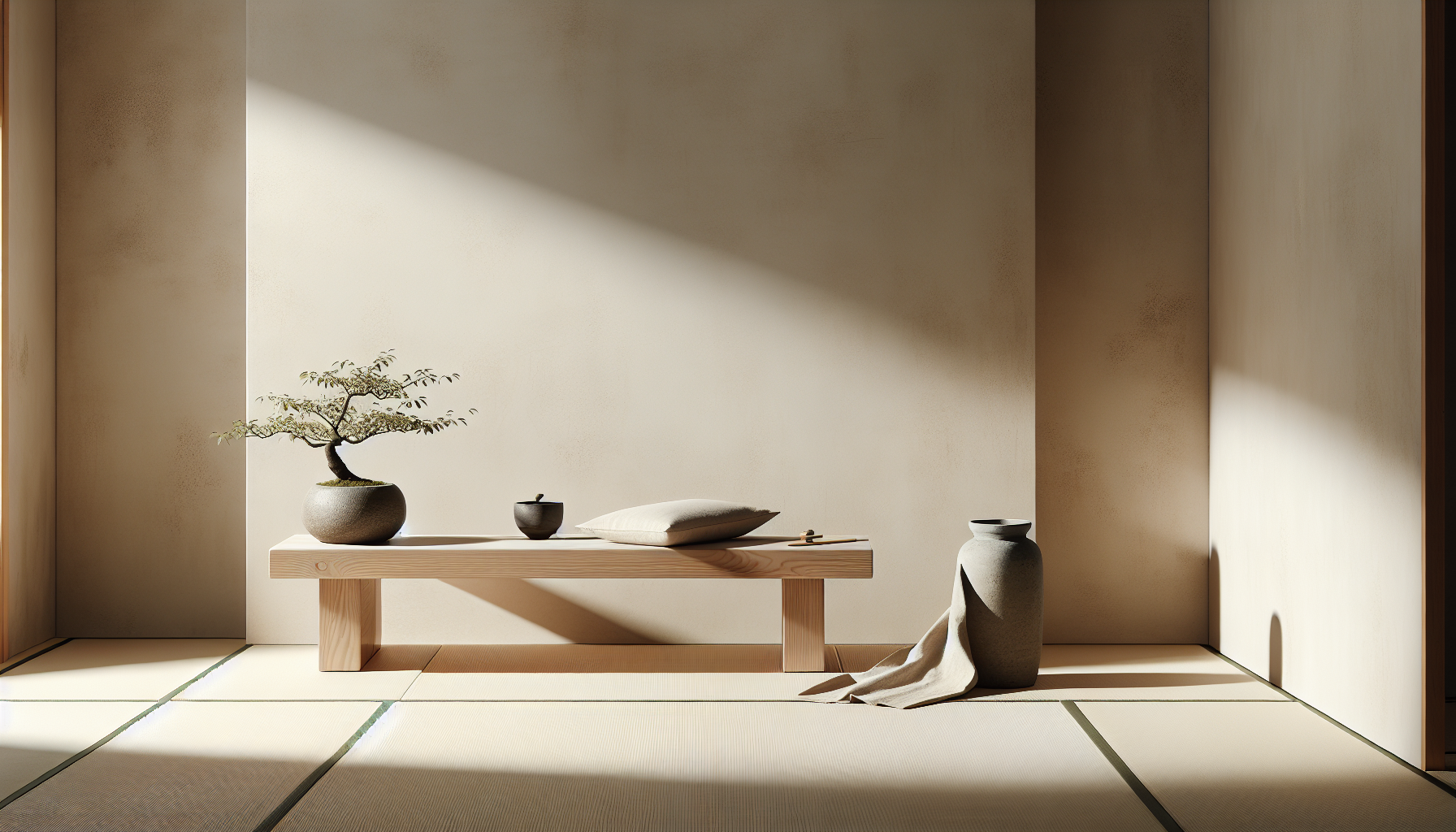
?How can Japandi architecture transform the way you zone and use your living spaces to feel calmer, more purposeful, and more beautiful?
Introduction to Japandi Architecture
Japandi is a hybrid design language that merges Japanese restraint and Scandinavian warmth into a cohesive architectural and interior approach. When you adopt Japandi, you commit to simplicity, functionality, and a quiet elegance that prioritizes human wellbeing and thoughtful use of space.
Why Space Zoning Matters in Japandi
Space zoning is the intentional organization of areas within a home to serve different activities while maintaining visual and functional harmony. In Japandi, zoning is not about strict separation—it’s about creating subtle, purposeful transitions that respect openness and calm.
Core Principles of Japandi That Influence Zoning
Japandi zoning is guided by several overlapping principles that shape how you arrange and experience your home. Each principle informs decisions about boundaries, furniture, materials, and light.
Minimalism and Intentionalism
You’ll favor fewer objects and clearer functions, so zoning becomes about essential use rather than ornamental separation. Minimalism helps zoning feel natural and unobtrusive.
Craftsmanship and Quality
High-quality finishes and purposeful furniture allow you to create zones with integrity rather than clutter. Craftsmanship makes a small zone feel meaningful and long-lasting.
Natural Materials and Tactile Surfaces
Wood, stone, paper, and woven textiles define zones through texture and warmth rather than color overload. You’ll use material shifts to indicate transitions between areas.
Neutral Color Palette with Accent Depth
Subdued tones allow you to delineate zones through subtle contrasts rather than loud barriers. You’ll rely on warm neutrals and muted tones to create a calm hierarchy of spaces.
Functionality and Flexibility
Every zone has a clear role but often a flexible function, supporting multipurpose living. You’ll choose furniture and layouts that can adapt as needs change.
What Space Zoning Looks Like in Japandi
In Japandi, zoning is about fluid boundaries and layered definition rather than boxed-off rooms. You’ll focus on circulation, sightlines, and sensory thresholds to guide movement and use.
Open Flow with Intentional Boundaries
You’ll embrace an open-plan feel where large spaces are layered into distinct functional zones without erecting permanent walls. Intentional boundaries—like a rug, low cabinet, or change of floor material—help define a living area, dining area, or workspace.
Transitional Thresholds
Thresholds such as a change in floor level, sliding doors, or a narrow bench create psychological and physical shifts between zones. These transitions provide moments to pause and mentally prepare for the next activity.
Multi-functional and Flexible Areas
A dining area can double as a workspace, and a living area can become an informal meditation or reading zone. You’ll design with furniture that supports multiple roles to keep the plan open and functional.
Visual Zoning Through Materiality
You’ll use different materials and finishes—such as a stone hearth, wooden platform, or textured plaster—to signal a zone change without building walls. Material transitions are subtle yet effective for calming zoning.
Scale, Proportion, and Negative Space
Empty space matters as much as objects in Japandi. You’ll deliberately create breathing room so each zone feels balanced and purposeful rather than cluttered.
Storage and Concealment to Maintain Zones
Concealed storage helps zones remain visually tidy so their purpose is clear. You’ll integrate storage as part of the zoning strategy to keep surfaces clear and circulation unobstructed.
Comparison: Japanese, Scandinavian, and Japandi Approaches to Zoning
This table helps you see how the parent traditions differ and what you get when they combine.
| Aspect | Japanese Approach | Scandinavian Approach | Japandi Synthesis |
|---|---|---|---|
| Boundary Type | Sliding screens, levels, small partitions | Rugs, furniture grouping, open flow | Subtle thresholds, low partitions, material changes |
| Material Palette | Natural woods, paper, stone | Light woods, textiles, painted surfaces | Warm neutrals, combined textures, tactile surfaces |
| Lighting | Soft, indirect, natural emphasis | Bright, practical, layered artificial | Soft layered light with daylight priority |
| Storage | Built-in, hidden | Functional open shelving + hidden | Minimal visible storage, discreet built-ins |
| Furniture | Low, minimal | Functional, comfortable | Clean lines, warm forms, multipurpose |
| Emotional Aim | Contemplation, restraint | Comfort, practicality | Calm warmth, refined simplicity |
Practical Zoning Strategies You Can Use
Here are proven strategies you can apply room by room or whole-house to achieve Japandi zoning in a way that feels natural and intentional. Each tactic is designed to be approachable and adjust to your lifestyle.
Living Room Zoning
Define seating areas with a low-profile sofa, a textured rug, and a low media console. You’ll create a focal point—such as a simple fireplace or sculptural cabinet—while maintaining open circulation and clear sightlines.
Dining and Kitchen Zoning
Use a unified material for the dining table that complements kitchen finishes but change the floor rug or light fixture to mark the eating zone. You’ll prefer a compact, uncluttered dining area that can expand visually through continuity in color and material.
Bedroom Zoning
Create a restful sleeping zone with a low bed and soft textiles, and separate dressing or reading nooks using a change in texture or a small screen. You’ll prioritize storage that keeps surfaces clear to support restful sleep.
Home Office Zoning
Carve a working niche with a simple desk and ergonomic seating near natural light and natural materials to keep focus calm. You’ll maintain boundaries with shelving or a slim cabinet that visually anchors the workspace without isolating it.
Entryway Zoning
Set a calm threshold with a low bench, a narrow console, and a dedicated place for keys and shoes. You’ll use a simple rug or floor mat to indicate the entry zone and encourage ritualized transitions in and out of the home.
Bathroom Zoning
Create a spa-like sequence from dry to wet areas using materials such as warm wood-look tiles and matte stone finishes. You’ll use open storage for towels and hidden compartments for toiletries to maintain serenity.
Outdoor to Indoor Transition
Create a transitional porch or genkan-inspired entry with natural decking, a shoe shelf, and plants to create a breathing zone between the exterior and interior. You’ll prioritize durable natural materials and restrained planting.
Zoning Techniques and Their Benefits (Table)
This table gives you a quick reference to the techniques you can apply and the functional and emotional benefits they provide.
| Zoning Technique | How to Use It | Key Benefit |
|---|---|---|
| Low Furniture Dividers | Use low cabinets, benches, or credenzas to define zones | Visual separation without blocking light |
| Rugs and Floor Changes | Place rugs or change floor material to anchor areas | Defines space and adds texture |
| Material and Color Shifts | Shift wood tones, plaster, or stone between zones | Subtle cues to function and mood |
| Sliding Screens or Panels | Use shoji or wooden screens to create adaptable thresholds | Flexible privacy and visual interest |
| Lighting Layers | Use task, ambient, and accent lighting per zone | Guides activity and sets mood |
| Built-in Storage | Conceal clutter behind panels and drawers | Keeps zones tidy and purposeful |
| Plants and Greenery | Use potted plants as soft dividers | Adds life and softens boundaries |
| Level Changes | Introduce steps or raised platforms | Creates formal transition and hierarchy |
Partitions, Dividers, and Screens You Can Use
Partitions in Japandi are chosen to respect light and flow, provide privacy, and add aesthetic interest without heaviness. You’ll prefer elements that feel crafted and breathable.
Shoji and Sliding Screens
Paper or fabric sliding screens keep zones flexible and diffuse light softly. You’ll use them where you want privacy but still want to maintain atmospheric continuity.
Low Cabinets and Console Dividers
Low furniture creates a sightline while carving out distinct functional pockets. You’ll appreciate how these pieces double as storage or display while defining zones.
Rugs and Floor-Level Separators
Rugs anchor seating and dining areas while unifying color and texture. You’ll use rugs to indicate a room’s purpose and create surface warmth underfoot.
Planters and Green Walls
Greenery acts as a living screen that breathes and grows with time. You’ll enjoy the calming effect and the way plants create gentle spatial separation.
Partial Walls and Open Shelving
Partial walls or open shelving offer vertical definition while allowing airflow and sightlines. You’ll use them to support storage needs and create visual anchors.
Lighting, Color, and Texture for Effective Zoning
Lighting, color, and texture are your primary tools for non-structural zoning. With careful layering and material choices, you can define zones while maintaining overall harmony.
Layered Lighting
Combine natural daylight with warm ambient fixtures and focused task lights to support each zone’s activity. You’ll create different layers of light so each space feels right for its intended use.
Palette Shifts for Zones
A subtle shift—such as a warmer wood or deeper stone in one area—creates a natural delineation without disrupting flow. You’ll keep hues within a neutral family to maintain cohesion.
Texture to Signal Function
Smooth plaster might indicate movement zones while woven textiles define lounge areas. You’ll rely on tactility to invite specific behaviors, like sitting, standing, or bathing.
Furniture Selection and Layout Principles
Choose pieces that reflect simplicity, quality, and multi-functionality. Layout should support circulation, ensure comfort, and maintain a visual rhythm across zones.
Proportion and Scale
Opt for lower furniture and modest scales to preserve sightlines and a sense of calm. You’ll balance large pieces with generous empty space to avoid crowding.
Multi-purpose Pieces
Use benches that store shoes, tables with hidden leaf extensions, and nesting tables for flexible use. You’ll find that multipurpose furniture helps zones remain adaptable and efficient.
Negative Space as Strategy
Leave space between objects to let the room breathe and to clarify each zone’s purpose. You’ll use emptiness as an intentional design element, not a lack of design.
Materials and Finishes You Should Consider
Materials are essential for how zones feel and function. Choosing the right combination helps you communicate purpose and mood while supporting durability.
| Material | Typical Use in Zoning | What It Communicates |
|---|---|---|
| Light oak | Flooring, furniture | Warmth, Scandinavian lightness |
| Dark walnut | Accent furniture, trims | Depth, Japanese grounding |
| Natural stone | Hearths, wet areas | Permanence, tactile coolness |
| Washi paper | Sliding screens, lamps | Softness, diffused light |
| Linen and wool | Textiles, rugs | Comfort, natural texture |
| Matte plaster | Walls, ceilings | Subtlety, calm surface |
| Bamboo | Screens, small furniture | Lightness, sustainability |
Acoustics and Privacy in Open Zoning
Open layouts can create acoustic and privacy challenges, but Japandi solutions are elegant and subtle. You’ll use soft materials, layered textiles, and strategic partitions to reduce echo and define private corners.
Sound-Softening Strategies
Rugs, upholstered surfaces, curtains, and soft wall finishes absorb sound and make conversation comfortable. You’ll place soft materials where you want quiet—like reading corners or bedrooms.
Privacy Without Isolation
Low partitions, screens, and plant barriers provide privacy without full separation. You’ll maintain visual airiness while creating personal zones.
Biophilia and Daylight: Key Elements for Zoning
Natural light and plant life are core to Japandi zoning because they connect each zone to the outdoors and to seasonal rhythms. You’ll orient activities toward daylight and use plants as living boundaries.
Sunlight as a Zoning Tool
Place work or dining areas near daylight sources to align activity with natural rhythms. You’ll use curtains or translucent screens to modulate light across zones.
Plants to Soften and Define
Houseplants, bonsai, and simple planters help define zones and improve air quality. You’ll choose species with calm forms and consistent care requirements to match the Japandi ethos.
Common Mistakes to Avoid
Avoiding a few common pitfalls will help your zoning perform well and look intentional rather than accidental. These mistakes often arise from treating zoning as decoration rather than functional design.
- Overcrowding: Cramming too much furniture removes the negative space that defines Japandi zoning. You’ll feel cramped instead of calm.
- Too many contrasting materials: Using too many different materials breaks coherence. You’ll create visual noise rather than subtle transitions.
- Ignoring scale: Oversized furniture will dominate zones and disrupt flow. You’ll prioritize pieces that match the room’s proportions.
- Blocking sightlines: Tall, opaque partitions can sever the openness that Japandi values. You’ll use low or permeable dividers.
- Neglecting storage: Visible clutter weakens the zoning concept and reduces peace of mind. You’ll integrate storage as part of the zoning plan.
Step-by-Step Guide to Implementing Japandi Zoning in Your Home
Follow this practical sequence to apply Japandi zoning principles thoughtfully and effectively. Each step helps you create spaces that feel balanced, purposeful, and serene.
- Assess current functions and behaviors. Spend a week noting where you perform daily activities and what you’d like to change about each place. You’ll learn which zones need clearer definition or more flexibility.
- Identify natural light and circulation patterns. Map where daylight, views, and movement naturally occur to align zones with environmental strengths. You’ll place high-use activities near daylight and clear circulation paths.
- Establish primary zones first. Define living, dining, sleeping, and working areas using large-scale anchors like rugs, furniture, or slight level changes. You’ll create clear functions before adding details.
- Choose a unifying material palette. Pick 2–3 primary materials and 2–3 accent textures to maintain cohesion across zones. You’ll maintain visual continuity even when shifting function between areas.
- Add subtle boundaries. Use low furniture, screens, rugs, or plants to separate functions without closing off space. You’ll keep sightlines open while signaling purpose.
- Layer lighting per zone. Install ambient, task, and accent lighting to support different activities and moods. You’ll ensure each area has appropriate illumination and atmosphere.
- Integrate storage and concealment. Add built-ins, cabinets, and multipurpose furniture to keep each zone tidy. You’ll maintain the calm aesthetic that makes zones functionally clear.
- Edit and refine. Remove or relocate items that don’t serve a zone’s purpose or disrupt visual flow. You’ll refine until each space feels purposeful and effortless.
- Live with it and adapt. Observe how the zones work for daily life and make incremental adjustments as needed. You’ll find flexibility is part of the design’s strength.
Maintenance and Living with Japandi Zoning
Japandi zoning is sustainable because it encourages simple living and practical furniture. You’ll maintain zones by regular editing, seasonal textile swaps, and a focus on durable materials that age gracefully.
Seasonal Refreshes
Change smaller textiles, plant arrangements, and soft furnishings to adapt your zones to seasonal needs. You’ll keep spaces feeling fresh without major renovations.
Routine Editing
Every few months, reassess surfaces and storage to remove items that accumulate. You’ll protect the clarity of each zone by staying mindful about possessions.
Frequently Asked Questions
These answers give practical clarity when you’re applying Japandi zoning to a real home environment.
Q: Can Japandi zoning work in a very small apartment? A: Yes. Japandi favors low-profile, multi-functional furniture and clear negative space, which are ideal for small footprints. You’ll benefit from built-in solutions, folding or nested furniture, and careful editing to maintain openness.
Q: How do you create privacy in a studio? A: Use screens, low shelving, rugs, and curtains to define sleeping areas without full walls. You’ll prioritize softer materials and natural light to keep the studio feeling airy.
Q: Are bold colors compatible with Japandi zoning? A: Japandi typically prefers subdued palettes, but you can add restrained, deep accents for contrast. You’ll use accent tones sparingly—on a single wall, a piece of furniture, or a textile—to maintain tranquillity.
Q: How do you transition between modern appliances and traditional materials? A: Balance is key—you can combine sleek appliances with warm wood tones and textured surfaces to soften modern elements. You’ll keep a consistent color and material strategy to unify differences.
Q: Do built-ins limit flexibility? A: Thoughtfully designed built-ins can actually increase flexibility by concealing clutter and providing long-term functionality. You’ll plan them to support multiple uses and integrate with movable pieces.
Conclusion
Japandi architecture treats zoning as an act of thoughtful restraint—balancing openness with subtle definition, warmth with minimalism, and function with quiet beauty. When you apply these principles, your home will feel more intentional, more calm, and more aligned with how you actually live.