
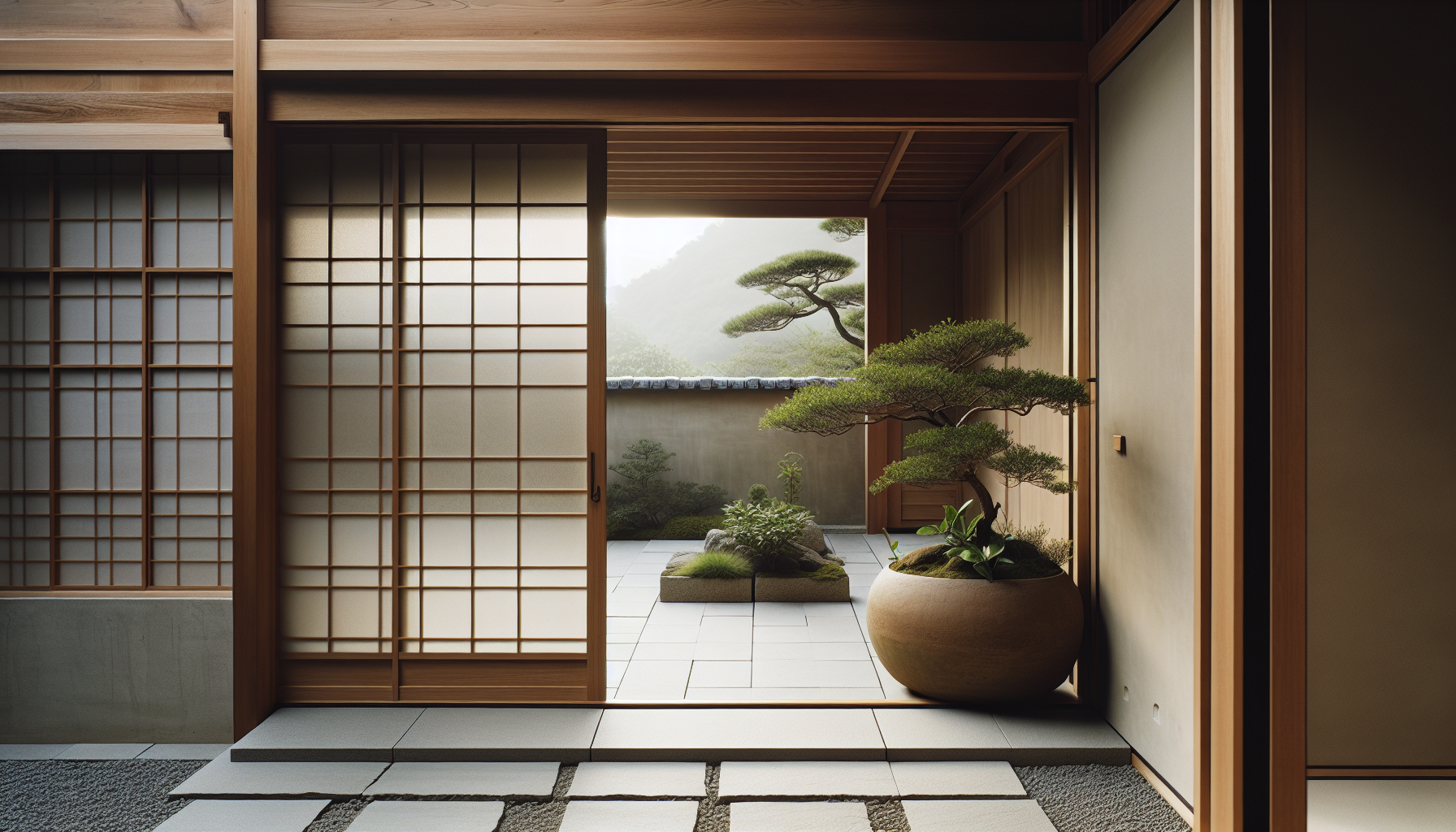
Have you ever thought about how a single design philosophy can make your indoor and outdoor spaces feel like one continuous, calm environment?
Japandi design that unifies indoor and outdoor areas
Japandi blends Japanese minimalism with Scandinavian warmth, giving you a restrained, functional aesthetic that still feels cozy and lived-in. When you apply Japandi principles to both interior and exterior areas, you can create a seamless transition that brings nature in and extends living spaces outward. This article shows you how to achieve that unity step by step.
What is Japandi design?
Japandi is a hybrid design style combining the simplicity and craftsmanship of Japanese design with the hygge-inspired comfort and natural materials of Scandinavian design. You’ll find a focus on clean lines, muted color palettes, tactile textures, and purposeful objects.
This style is particularly effective at blurring indoor and outdoor boundaries because it values natural materials, light, and a sense of calm that mirrors outdoor spaces.
Why unify indoor and outdoor spaces?
Unifying your indoor and outdoor areas can increase usable living space, improve well-being through connection with nature, and enhance natural light and airflow. For you, this often means a more relaxing home, better entertaining flow, and a subtle enhancement in perceived space.
In Japandi design, the goal isn’t to create a flashy indoor/outdoor experience but to craft a serene, cohesive environment where both areas complement each other.
Core principles that make unification work
Simplicity and restraint
You’ll keep forms minimal and purposeful, removing clutter and focusing on essential items. Simplicity helps visual continuity between spaces, making transitions feel natural rather than abrupt.
Natural materials
Wood, stone, woven fibers, and unglazed ceramics are staples you’ll use both inside and out. These materials age gracefully and visually tie the two areas together.
Neutral, muted color palette
You’ll choose muted tones—soft beiges, warm greys, deep greens, and black accents—that reflect natural landscapes. This palette supports a seamless visual flow.
Functional craftsmanship
You’ll prioritize high-quality, handmade elements with visible construction details. This creates an honest aesthetic that reads consistently whether you’re inside the living room or stepping onto a patio.
Soft transitions
You’ll use thresholds, continuity of material, and coordinated landscaping to ease movement between interior and exterior. Hard separations disrupt flow; soft transitions unify it.
Key materials and finishes
Using the right materials is crucial to make indoor and outdoor spaces relate to one another. The table below summarizes common choices and their roles.
| Material | Indoor use | Outdoor use | Tips for continuity |
|---|---|---|---|
| Warm-toned wood (oak, cedar) | Flooring, furniture, shelving | Decking, cladding, furniture | Use similar wood tones or finishes; match grain direction where possible |
| Natural stone (limestone, slate) | Flooring, hearths, counters | Patios, pathways | Choose stones with complementary hues and finish (polished indoors, matte outdoors) |
| Concrete | Countertops, floors, sinks | Paving, planters | Use honed or matte concrete inside to echo exterior finishes |
| Rattan/wicker | Accent chairs, baskets | Outdoor seating (treated) | Select weather-treated weaves for outdoors; keep color palette consistent |
| Ceramic and clay | Tableware, vessels, tiles | Pots, planters | Use unglazed finishes and earthy glazes to tie together |
| Linen and cotton | Soft furnishings | Outdoor cushions (weather-rated fabrics) | Opt for neutral tones and remove cushions in bad weather; use washable covers |
Finishes and durability
You’ll want finishes that withstand weather outside but maintain the tactile warmth indoors. Consider oil-finished wood for both, matte sealers for stone, and weather-rated fabrics with natural textures.
Color palette: unifying visual continuity
Your color choices set the emotional tone. Japandi favors a restrained palette with natural, muted hues. Use the following approach:
- Base colors: warm off-whites, soft greys, sandy beiges.
- Accent colors: muted greens, ink blues, charcoal blacks.
- Materials as color: natural wood grain, stone veining, and warm metal patinas serve as inherent color accents.
Keep the palette consistent across interior finishes, furniture, and outdoor elements (pots, cushions, decking). Repeating a limited set of colors visually ties the spaces together.
Layout and spatial planning
Open sightlines
You’ll plan interiors so sightlines extend toward outdoor views. Arrange furniture to face windows and doors that connect to the garden or patio. Removing unnecessary visual barriers makes the outdoor area feel like an extension of the room.
Flow and circulation
Design pathways and thresholds that feel intuitive. Align interior paths with exterior walkways and entries. This makes movement feel natural and encourages you and guests to move between spaces seamlessly.
Proportions and scale
Match the scale of furniture and architectural elements across spaces. If your outdoor seating has a low profile, reflect that with low indoor furniture and rugs to create continuity.
Door and window strategies
Large openings are a major element of unifying spaces. The right doors and windows create visual and physical continuity.
Sliding and folding doors
Sliding or folding glass doors open wide to connect interior and exterior. You’ll gain an unobstructed transition and the ability to transform two spaces into one.
Fixed picture windows
Even if you don’t open them, large picture windows frame outdoor scenes like living artwork, reinforcing the connection to nature.
Window frames and hardware
Use slim, dark metal frames or warm timber frames that match both interior fittings and exterior glazing. Consistent frame color and minimal hardware help maintain a clean, continuous look.
Flooring continuity
Flooring is one of the most powerful ways to unify spaces. When you use similar flooring materials or matching tones, the boundary between inside and outside becomes less perceptible.
- Continuous flooring: Extend the same material from inside to outside where climate and function allow (e.g., teak decking from living room to terrace).
- Transitional thresholds: Use a visual threshold—like a strip of stone or a change in orientation—rather than a tall step.
- Rugs and mats: Outdoor rugs that echo indoor textiles create a visual link when you can’t extend flooring.
Light and shade
Natural light is fundamental to Japandi. You’ll balance sunlight and filtered shade to make spaces comfortable and connected.
Maximize daylight
Places that receive morning or afternoon light should be oriented so you gain steady illumination. Use wide openings and clerestory windows to allow soft natural light to move through your home.
Use soft shading
Bamboo screens, slatted wood sunscreens, or fabric shades provide dappled light reminiscent of outdoor canopies, tying interior ambiance to the outdoors.
Outdoor lighting
Use low-glare, warm lighting for pathways, seating, and trees. Lighting that mimics interior warmth helps your outdoor space feel inhabitable at dusk and visually consistent with indoor lighting.
Plants and greenery: the living thread
Plants are essential to bridging the indoor-outdoor divide. They provide visual continuity, improve air quality, and soften hard materials.
Indoor plants
You’ll choose simple, sculptural foliage—like a fiddle leaf fig, rubber plant, or bonsai—to reflect the minimal aesthetic. Position them near windows or alongside seating areas.
Outdoor planting palette
Coordinate outdoor plant colors and textures with indoor greenery. Use grasses, maples, ferns, and bamboo for a restrained look. Keep container shapes and materials consistent with indoor pots for cohesion.
Vertical planting and planters
Use trellises, planters, and green walls to draw the eye upward and create a living backdrop that’s visible from indoors. Matching planter materials (unglazed clay, matte ceramics) makes the relationship stronger.
Outdoor rooms and zoning
Treat outdoor spaces like rooms with distinct functions: dining, lounging, cooking, and mediation/garden. Each zone should feel intentional and reflect Japandi principles.
- Dining area: simple wooden table, bench seating, a statement pendant or string lights.
- Lounge: low-profile seating with weather-resistant cushions, a soft outdoor rug, side table.
- Cooking: compact grill or outdoor kitchen with minimalistic counters in stone and wood.
- Quiet corner: a single chair or floor cushion for reading and reflection, surrounded by plants.
Furniture and object selection
Choose furniture with clean lines, natural materials, and functional form. Low seating, simple silhouettes, and visible joinery echo Japandi integrity.
Mix of Japanese and Scandinavian elements
Balance the refined, low Japanese furniture (tatami-style benches, low tables) with the soft, functional forms of Scandinavian design (ergonomic chairs, cozy textiles).
Outdoor furniture durability
Select pieces with treated wood, powder-coated metal, or robust weaves. Look for craftsmanship and minimal ornamentation.
Accessorizing
Accessories should be purposeful: hand-thrown ceramics, folded linen throws, woven baskets for storage. Keep surfaces uncluttered so the eye rests on a few well-chosen objects.
Textures and sensory elements
Texture brings warmth and tactility to otherwise restrained designs. You’ll combine smooth and rough finishes to replicate outdoor sensations indoors.
- Smooth: honed stone countertops, polished wood, glazed ceramics.
- Rough: hand-hewn wood, natural fiber rugs, matte clay.
- Contrast: pair a soft wool throw with a ceramic vase; this pairing mimics natural contrasts you’d find outside (rock and leaf, bark and moss).
Sound and acoustic considerations
Sound can soften the boundary as much as sight. Consider water features, wind chimes, or a simple fountain outside a window to create gentle ambient sound you can hear inside.
For indoors, use soft textiles, rugs, and fabric wall hangings to manage echoes and create a calm acoustic backdrop consistent with outdoor sounds.
Climate and practical constraints
Not every climate allows full continuity of materials or all-glass openings. You’ll adapt Japandi principles to your local weather.
- Cold climates: use high-performance glazing and thermal thresholds; focus on visual continuity with similar textures and color while maintaining insulation.
- Hot, humid climates: prioritize cross-ventilation, shaded outdoor living, and moisture-resistant finishes.
- Windy or rainy areas: bioshaded porches and covered outdoor rooms let you connect with outside while staying protected.
Sustainable and ecological aspects
Japandi’s emphasis on natural materials and craftsmanship aligns well with sustainability goals.
- Durable design: choosing long-lasting materials reduces waste.
- Local materials: sourcing locally reduces embodied carbon and supports regional craftspeople.
- Native plantings: use native or drought-tolerant species to lower water use and maintenance.
Case studies: practical examples
Small urban apartment with balcony
You’ll maximize connection by aligning indoor furniture with the balcony rail, using similar wood planters and a low table outside. Sliding doors and matching floor tones create visual continuity even when closed.
Suburban house with patio and garden
Extend flooring from the living room onto the patio, use the same stone threshold, and install a pergola with slatted wood that echoes interior wood tones. Place a bench perpendicular to the sliding opening to guide circulation.
Country home with covered terrace
Design a covered terrace that acts like an outdoor living room—low seating, soft cushions, a simple fireplace—and use large folding doors to create an open plan during temperate months.
Room-by-room strategies
Use the table below for concise, actionable tips per room.
| Room | Key strategy | Japandi-specific elements |
|---|---|---|
| Living room | Orient seating toward garden views; use low-profile furniture | Neutral rug, wooden coffee table, potted bonsai |
| Kitchen | Keep counters clear; use open shelving with curated items | Stone countertops, wooden cutting boards, simple ceramics |
| Dining area | Place table near a window/door for natural light | Long wooden table, bench seating, paper pendant |
| Bedroom | Use soft neutral textiles; bring in plants for calm | Tatami-inspired bed frame, linen bedding, minimal lighting |
| Bathroom | Integrate natural stone and wood; ensure privacy with screens | Deep soaking tub, unglazed ceramics, wooden stool |
| Patio/Deck | Define zones for dining and lounging; use weatherproof textiles | Teak furniture, woven rugs, large planters |
Practical steps to implement Japandi indoor-outdoor unity
- Assess sightlines: Sit in your primary living area and note what you see. Identify changes that can improve views toward the outdoors.
- Reduce visual clutter: Clear surfaces and reduce ornaments to create a calm baseline from which outdoor elements can complement interior design.
- Choose a cohesive palette: Decide on 3–5 core colors and materials to use inside and out.
- Align flooring or thresholds: Where possible, use similar materials or hues to soften transitions.
- Upgrade glazing: Replace small windows with larger panes or install sliding/folding doors to create more openness.
- Add plants thoughtfully: Place plants to lead the eye and create continuity—line paths, use matching pots, or mirror outdoor species indoors.
- Consider furniture scale: Select outdoor furniture that speaks the same language as indoor pieces—low, tactile, and crafted.
- Maintain durability: Apply appropriate finishes for outdoor use and design for maintenance to keep continuity over time.
Common pitfalls and how to avoid them
- Overcluttering outdoors: Outdoor spaces can become as cluttered as indoor ones. Keep accessories minimal and purposeful.
- Mismatched materials: Avoid starkly different tones and textures between indoor and outdoor materials; aim for harmony.
- Poor thresholds: High steps or awkward transitions interrupt flow. Plan gentle changes in level or visual thresholds.
- Ignoring scale: Large outdoor furniture that dominates a small patio will feel disconnected from a modestly furnished interior. Match scale appropriately.
- Neglecting maintenance: Japandi relies on the beauty of real materials—commit to upkeep to preserve that aesthetic.
Budget-friendly adaptations
You don’t need a big budget to create continuity. Here are affordable ways to achieve Japandi unity:
- Paint trim and frames in a consistent color to mimic higher-cost material continuity.
- Use large planters with simple shapes to visually extend garden colors inside.
- Refinish existing wood surfaces with oil to unify tone.
- Swap out heavy curtains for simple linen panels to let light connect spaces.
- Use secondhand, well-made pieces with simple lines and refinish them.
Maintenance and seasonal considerations
To keep your unified spaces looking intentional:
- Rotate outdoor cushions and store them during harsh weather.
- Regularly treat wooden surfaces with oil or sealant to maintain tone and durability.
- Prune and refresh plants seasonally to retain shape and visual interest.
- Clean glass and thresholds to preserve the illusion of continuity and openness.
Checklist for implementing Japandi indoor-outdoor unity
| Task | Done |
|---|---|
| Define a 3–5 color/material palette | ☐ |
| Assess and improve sightlines | ☐ |
| Choose consistent flooring or threshold treatment | ☐ |
| Install or upgrade doors/windows for larger openings | ☐ |
| Select durable, similar materials for furniture inside and out | ☐ |
| Add plants that work both indoors and outdoors | ☐ |
| Plan outdoor zones that mirror indoor functions | ☐ |
| Use lighting to connect interior and exterior ambiance | ☐ |
| Commit to maintenance schedule for materials and plants | ☐ |
Final thoughts
If you aim to make your living space feel calm, intentional, and connected to nature, Japandi design gives you a clear, adaptable framework. You’ll find that by prioritizing natural materials, restrained color, purposeful objects, and thoughtful transitions, your indoor and outdoor areas will feel unified, generous, and restorative. The key is consistency—repeat materials, colors, and textures—and restraint—keep surfaces uncluttered and forms purposeful. With careful planning and a few practical changes, your home can become a seamless, serene extension of the landscape around it.