
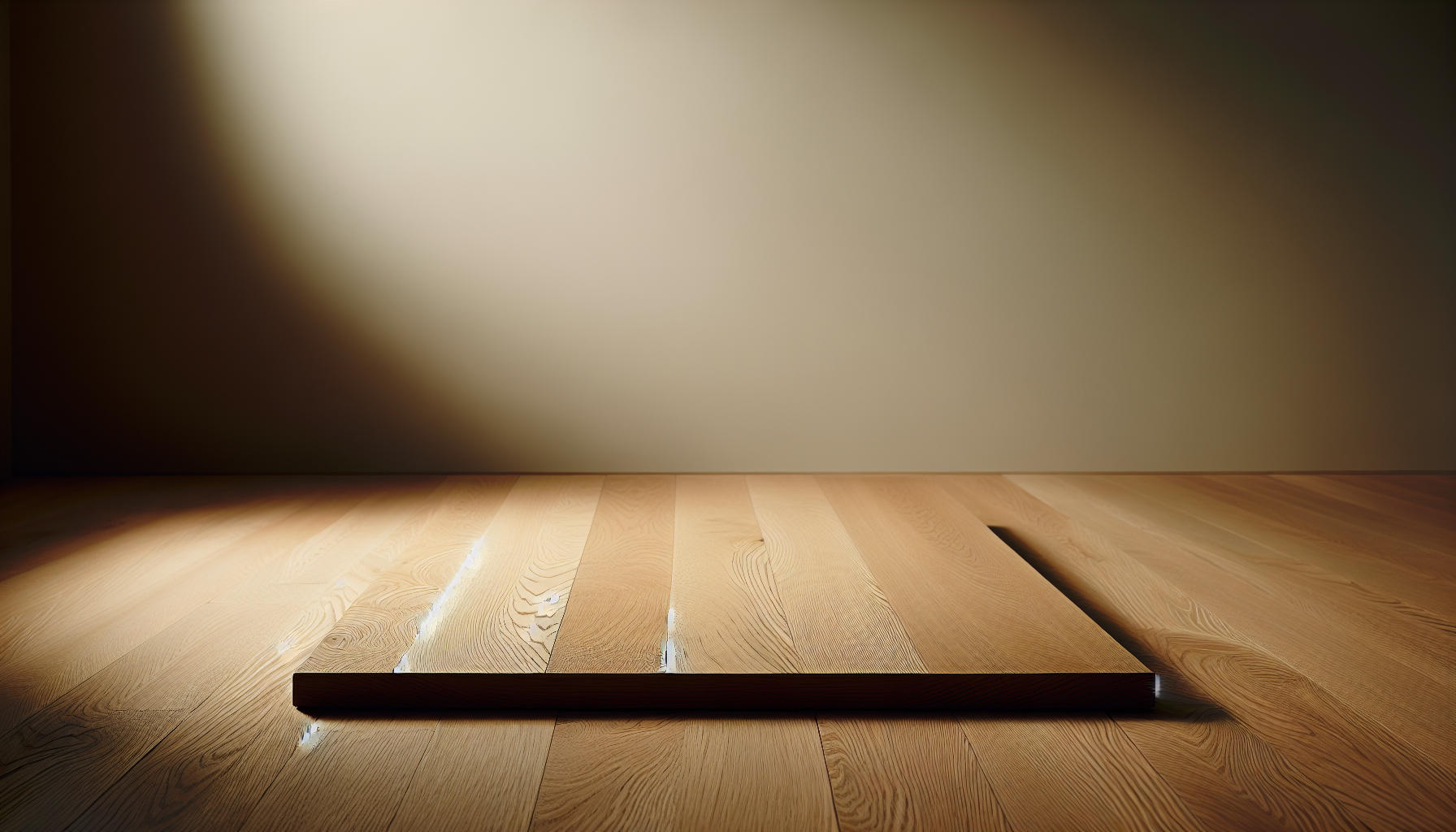
What’s the best flooring continuity for Japandi design?
Best Flooring Continuity for Japandi Design
You’re looking to create a Japandi home that feels calm, cohesive, and balanced. The right flooring continuity can unify spaces, support minimalist aesthetics, and highlight natural materials while keeping daily life comfortable and practical.
What is Japandi design and why does flooring continuity matter?
Japandi is a hybrid of Japanese minimalism and Scandinavian warmth, emphasizing simplicity, craftsmanship, and natural materials. Flooring continuity matters because it visually and physically links spaces, reinforces calmness, and supports the understated elegance central to Japandi.
Core principles of Japandi you should keep in mind
You’ll want to prioritize natural materials, muted tones, and craftsmanship when planning flooring continuity. Simplicity, functional beauty, and tactile comfort should guide decisions so the floor becomes an integral part of the overall aesthetic rather than a competing element.
The aim of flooring continuity in a Japandi home
Flooring continuity should create a seamless flow between rooms while respecting function and scale. You want flooring that makes transitions feel natural, enhances light and spatial perception, and endures practical use.
Flooring materials that suit Japandi
There are a few materials that align especially well with Japandi principles. Each material offers different strengths for continuity, aesthetics, and maintenance, so consider how you live and what each space needs before you choose one universal solution.
Solid hardwood
Solid hardwood provides natural warmth, longevity, and authenticity you’ll appreciate in Japandi spaces. It can be sanded and refinished multiple times, making it a long-term investment, though it may be sensitive to humidity and not ideal for moisture-prone areas.
Engineered hardwood
Engineered hardwood gives you the look of solid wood with greater dimensional stability, making it suitable for areas with variable humidity or for installation over radiant heat. You’ll find it easier to achieve continuity across multiple rooms, including basements or over concrete slabs.
Wide-plank oak and ash
Wide-plank oak and ash are favorites because they read as calm, neutral canvases with subtle grain. You’ll benefit from wider boards that reduce visual busyness and emphasize the clean lines that Japandi favors.
Bamboo
Bamboo offers a lighter, slightly more modern aesthetic while remaining natural and sustainable if sourced responsibly. It’s stable and durable, but color variations and edge details can influence the seamless look you’re trying to achieve.
Engineered cork
Cork provides warmth and softness underfoot and adds acoustic benefits, which aligns with the cozy side of Japandi. You’ll need to choose finishes carefully for moisture resistance, especially in kitchens or entry areas.
Stone and tile
Natural stone or muted tiles can work well in entryways, bathrooms, and kitchens where durability and water resistance are needed. To maintain continuity, you’ll often pair stone with adjacent wood tones that complement rather than contrast harshly.
How to choose a base color and tone
Selecting a base tone is one of the most important decisions you’ll make because it sets the mood. Aim for warm neutrals, soft grays, or honeyed wood tones that create a sense of warmth without being overly dark or ornate.
Light vs. medium tones
Light and medium tones reflect Japandi’s focus on airiness and calm. You’ll find that lighter floors brighten spaces and make them feel larger, while medium tones can add grounded warmth without making rooms heavy.
Undertones and room lighting
Pay attention to undertones—yellow, pink, red, or gray—because they interact with natural and artificial light. You should sample flooring in the room at different times of day to ensure the undertone supports the desired ambiance.
Plank width and direction
Plank selection influences rhythm and perceived scale. You’ll want to choose widths and laying direction that support space proportions and sightlines.
Wide planks for minimalism
Wide planks create fewer seams and a calmer floor plane, which complements Japandi minimalism. You’ll get a simplified visual field that helps furniture and architectural details stand out.
Direction to enhance flow
Lay planks parallel to the longest dimension of a room or toward focal points like windows and doorways. Doing so will physically direct movement and make transitions between connected spaces feel cohesive.
Seamless transitions between rooms
You want transitions that read as intentional and gentle rather than abrupt. Continuity should feel effortless, with thresholds minimized and material changes considered carefully.
Using the same flooring species throughout
Using one flooring material throughout multiple connected rooms is the easiest way to achieve continuity. You’ll find fewer thresholds, easier sightlines, and a stronger sense of unity across living, dining, and circulation areas.
When to change flooring
Change flooring when function demands it—wet areas like bathrooms, laundry rooms, and sometimes kitchens may require tile or specific moisture-resistant materials. You can still achieve continuity by matching tone, texture, or edge treatments between different materials.
Transition options
Consider flush transitions, tapered thresholds, or slim metal strips for any material changes. You’ll want solutions that are low-profile, tactilely pleasant, and aligned with the understated Japandi aesthetic.
Table: Common transition methods and when to use them
| Transition Type | Description | Best Use |
|---|---|---|
| Flush (same height) | Seamless change with no visible lip | Ideal when same material or similar thickness across rooms |
| Tapered strip | Gradual slope between differing thicknesses | When materials have small thickness differences |
| Metal or wooden threshold | Narrow strip to cover gap and support edges | Durable, modern look for kitchen or entry transitions |
| Rubber or silicone nosing | Flexible edge for wet, slippery areas | Bathrooms or utility spaces requiring water resistance |
| Decorative insert (tile band, wood inlay) | Small band to mark intentional change | When you want a subtle design cue without breaking flow |
Special considerations for wet areas
You want practicality where moisture and spills are common, but you can still keep continuity by carefully choosing complementary materials. Think in terms of visual pairing and technical compatibility.
Bathrooms
Use water-resistant tiles, natural stone, or specifically treated engineered wood in bathrooms. If you switch materials, make sure the tile color and finish harmonize with adjacent wood tones to maintain continuity.
Kitchen
Choose durable, stain-resistant floors such as quality engineered hardwood, sealed wood, stone, or large-format tiles. You’ll get the best continuity if kitchen floors match or closely complement living materials, possibly separated by a subtle threshold.
Entryway and mudroom
Expect grit and moisture; choose tougher surfaces like ceramic tile, stone, or treated wood. You can reduce visual disruption by using a coordinating color palette and keeping the transition narrow and low-profile.
Compatibility with radiant heating
Radiant floor heating is a comfortable, low-visual-impact option that suits Japandi’s simplicity. You should choose materials—especially engineered wood or tile—that are rated for use over radiant systems and follow manufacturer guidelines.
Materials that work best
Engineered hardwood, certain solid woods with specific installation methods, bamboo, and most tiles work well with radiant heating. You’ll get uniform warmth that supports the cozy Scandinavian side of Japandi without visible heating units.
Durability and maintenance in everyday life
You want floors that look beautiful and stand up to wear from family life, pets, and occasional spills. Consider warranties, finish types, and how much maintenance you’re willing to do.
Finishes and protective coatings
Hardwax oils, matte polyurethane, and oil-modified finishes each offer different looks and maintenance routines. Hardwax oils provide a tactile, natural finish that can be spot-restored, which many Japandi lovers prefer.
Cleaning and upkeep
Regular sweeping, occasional damp mopping with manufacturer-recommended products, and quick attention to spills will keep floors in good shape. You should avoid harsh chemicals and excess water on wood floors to prevent warping or finish damage.
Sustainable and ethical choices
Sustainability aligns well with Japandi values of restraint and respect for natural materials. You can select FSC-certified woods, reclaimed materials, or low-VOC finishes to reduce environmental impact.
Certification and sourcing
Look for Forest Stewardship Council (FSC) certification, responsibly harvested bamboo, or locally sourced reclaimed planks. You’ll contribute to a smaller environmental footprint and often get materials with interesting history and character.
Reclaimed and salvaged flooring
Reclaimed wood can bring patina and texture that feel authentic in Japandi interiors. You should make sure reclaimed pieces are treated, leveled, and compatible with your design goals to avoid overly busy or mismatched appearances.
Balancing minimalism with warmth through texture
You’ll want floors that are simple but not cold. Texture, grain direction, and matte finishes can add tactile warmth that prevents spaces from feeling sterile.
Grain and hand-scraped finishes
Subtle grain patterns and gentle hand-scraped textures give floors personality without ornate detail. You’ll find they catch light in pleasing ways and support the handcrafted elements of Japandi.
Matte and satin sheens
Matte or low-sheen finishes fit Japandi better than high gloss since they reduce glare and emphasize natural character. Choose satin only if you need a slightly higher durability or sheen for wiping and cleaning.
Using area rugs, tatami, and mats
Rugs and tatami mats are useful tools to define zones while keeping overall continuity intact. You can use them to soften areas, add tactile contrast, and anchor furniture groups.
Size, shape, and placement
Select rugs that allow furniture legs to sit at least partially on the rug for cohesion, and use neutral, natural-fiber rugs to maintain the understated palette. You’ll enhance comfort and protect high-use spots without overwhelming the floor.
Tatami and woven mats
Tatami-style mats or woven natural fiber rugs reference Japanese tradition and fit perfectly in Japandi rooms. You can use them in seating corners, meditation spaces, or as a subtle border between areas.
Color coordination with walls, furniture, and finishes
Your flooring choice should work harmoniously with wall colors, wood trims, and furniture palettes. You’ll want a cohesive scheme that balances contrast and unity.
Contrast vs. continuity
Minimal contrast supports unity; subtle contrasts add visual interest. You should choose floor tones that either match trims and furniture for almost invisible transitions or provide a gentle counterpoint to set focal pieces apart.
Coordinating baseboards and trims
Low-profile baseboards in complementary tones or slightly contrasting colors preserve the floor’s visual line. You’ll avoid tall ornate trim that competes with the floor’s calm simplicity.
Stairs and multi-level continuity
Maintaining continuity across floors and staircases is essential for a cohesive home. You can match stair treads to main-floor materials or use a complementary approach with consistent color tones.
Matching treads and risers
Using the same wood species and finish for stair treads as the main floor creates a seamless vertical flow. For risers, choose painted or stained finishes that harmonize with walls or trim to reduce visual noise.
Landings and direction changes
At landings or direction changes, consider a subtle inlay or a change in plank direction to signal transition without breaking the overall continuity. You’ll maintain clarity in circulation paths while remaining minimal.
Practical installation tips
Good installation is as important as the material choice for achieving the desired continuity. You’ll want to work with experienced installers and prepare subfloors carefully.
Subfloor and moisture testing
Always test subfloor moisture levels and flatness before installation. You’ll prevent future problems like warping, squeaks, or uneven transitions by addressing issues up front.
Expansion gaps and movement
Allow proper expansion gaps at walls and transitions, and use transition strips that accommodate movement. You’ll preserve the integrity of the floor and avoid buckling or gaps over time.
Budget and value considerations
You can achieve Japandi floor continuity on a range of budgets by prioritizing where you splurge and where you economize. Focus on visible, high-impact areas for higher-grade materials and use quality engineered options in secondary zones.
Cost-saving strategies
Using engineered wood with a high-quality veneer can deliver the look of solid hardwood at a lower cost. You should also consider larger plank widths and consistent finishes to make materials read more expensive.
Long-term value
Investing in durable, repairable materials gives you better lifecycle value than cheap options that need replacement. You’ll appreciate floors that age gracefully and can be refreshed rather than fully replaced.
Case study examples and layout ideas
Seeing how continuity works in sample layouts helps you make better choices. You’ll benefit from practical examples that show how materials and transitions can be applied in real homes.
Open-plan living and dining
Use the same wide-plank engineered oak across living and dining areas to maintain a continuous plane that ties furniture zones together. Place a low, neutral rug to define the seating area and keep sightlines clear toward windows.
Private and transition spaces
Keep bedrooms and hallways on the same wood tone but vary texture slightly—perhaps a softer finish in the bedroom for warmth. Use slim thresholds to mark transitions into tile bathrooms while matching grout and wood tones.
Small apartments
In compact layouts, continuous flooring makes spaces feel larger and uncluttered. You’ll benefit from light-toned planks and consistent direction to elongate sightlines and reduce visual fragmentation.
Common mistakes to avoid
You want to prevent choices that disrupt harmony or reduce functionality. Awareness of common pitfalls helps you maintain the Japandi balance of form and utility.
Too many contrasting materials
Mixing too many floor types or finishes breaks the calming flow and overwhelms minimal design. You should limit material changes and choose complements rather than stark contrasts.
Overly dark or glossy finishes
Very dark floors or high gloss finishes can make spaces feel heavy or fussy. You’ll get a more authentic Japandi look with mid to light tones and matte or low-sheen finishes.
Ignoring practical needs
Prioritizing aesthetics while ignoring moisture, durability, or comfort leads to regrets. Ensure your material choices suit each room’s function and family habits.
Final checklist for selecting your Japandi flooring continuity
Use this short checklist to confirm essential choices before ordering and installation. You’ll reduce surprises and align appearance with practical needs.
- Choose a base tonal direction (light, medium) that complements your palette.
- Pick a primary material (engineered hardwood, wide-plank oak, bamboo) suitable for most spaces.
- Reserve specific materials (tile, stone) for wet zones and match tones to wood.
- Select finishes with low sheen and natural texture like hardwax oil or satin polyurethane.
- Plan plank direction toward sightlines and main openings.
- Use low-profile transitions and slim thresholds where materials change.
- Confirm compatibility with radiant heating if you plan to use it.
- Opt for sustainable certifications or reclaimed options where possible.
- Hire experienced installers and test subfloor conditions beforehand.
- Keep samples in rooms and observe them at different times of day before finalizing.
Frequently asked questions
You likely have questions about practical matters like maintenance, cost, and moisture. Below are concise answers to common concerns you’ll encounter when choosing Japandi flooring continuity.
Is it better to use the same flooring throughout the whole home?
Yes, where possible, using the same flooring enhances visual continuity and makes small spaces feel larger. You’ll still change materials in bathrooms or areas requiring specific performance—just keep colors and textures aligned.
What finish is best for a Japandi look?
Matte or low-sheen finishes like hardwax oil or satin polyurethane give the most authentic, natural appearance. You’ll prefer finishes that feel tactile and age gracefully without high-gloss reflections.
Can I use dark floors in Japandi design?
You can, but do so sparingly and with careful balancing of light, wall color, and furnishings. Dark floors can work if paired with lots of natural light and light-toned textiles to preserve the airy feeling.
Conclusion
You want your flooring to be more than just a surface; it should be a unifying element that supports the calm, crafted, and natural essence of Japandi design. By choosing the right material, tone, plank layout, and transition details, you’ll create a seamless flow that feels intentional and comfortable. Focus on natural materials, subtle textures, and thoughtful transitions, and you’ll achieve the quiet elegance that Japandi embodies.