
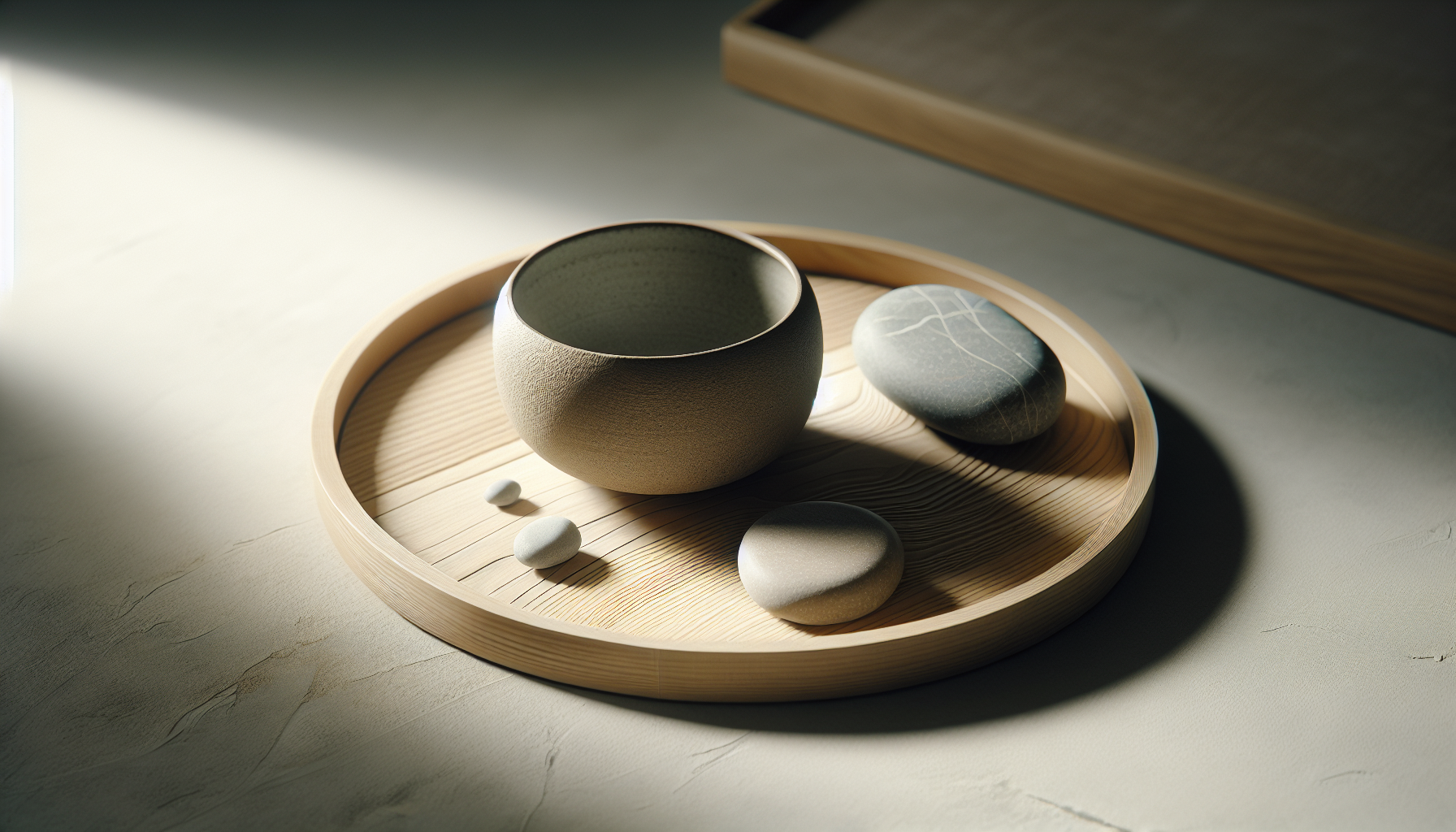
Have you noticed how certain rooms make you feel calmer, more focused, and quietly satisfied, even without a dramatic redesign?
Why Japandi is often linked to mindfulness in daily routines
You’ll find that Japandi — a blend of Japanese and Scandinavian design — often gets mentioned alongside mindfulness. That connection isn’t accidental. Japandi intentionally shapes your environment to reduce visual clutter, highlight meaningful objects, and support slow, attentive living. In this article you’ll learn what Japandi is, why it dovetails with mindful practice, and concrete ways to bring it into your daily routines so your home actively supports presence and wellbeing.
What you’ll learn in this article
You’ll get a comprehensive view of Japandi’s principles, how those principles map to mindful habits, and practical steps for applying them room by room. You’ll also find checklists and comparisons to help you prioritize changes, plus tips for maintaining mindful routines without feeling overwhelmed.
What is Japandi?
You’ll want a clear definition before making changes. Japandi fuses the minimalist, functional approach of Scandinavian design with the wabi-sabi aesthetics, craftsmanship, and restraint of Japanese design. The result is a warm minimalism: clean lines, natural materials, neutral palettes, and an emphasis on utility and beauty.
Core characteristics of Japandi
You’ll notice a few hallmarks immediately: uncluttered spaces, an emphasis on texture and natural materials (wood, stone, linen), muted colors, low-profile furniture, and an appreciation for handcrafted or simple objects. This design intentionally balances the restrained elegance of Japanese interiors with the cozy practicality of Scandinavian homes.
Why the combination works
When you combine the Scandinavian focus on hygge-style comfort and practicality with Japanese reverence for simplicity and imperfection, you get a design language that feels both warm and meditative. You’ll experience spaces that invite calm without feeling austere.
What is mindfulness and why it pairs with design
Mindfulness is the practice of paying attention on purpose, in the present moment, and without judgment. It’s a way of noticing sensation, thought, and environment in a non-reactive way. The physical environment influences how easy it is to practice mindfulness: a chaotic space can trigger stress, while a calm environment can cue you to be present.
The environmental effect on attention
You’ll notice that cluttered spaces demand cognitive resources. Your brain processes visual stimuli continuously; too many competing items increase cognitive load and reduce capacity for focused attention. A Japandi-inspired space reduces those distractions and makes it easier to commit to mindful habits.
How Japandi principles support mindful living
You’ll find direct links between Japandi’s design choices and mindfulness techniques. Each principle reduces sensory excess and creates cues for intentional action.
Minimalism as a cue for clarity
When you limit possessions to what you value, you’ll find fewer decisions and less mental friction each day. Minimalism doesn’t mean emptiness. It means choosing items that serve a purpose or bring genuine pleasure. This selection process itself is mindful: you reflect on what matters and why.
Natural materials anchor your senses
You’ll engage touch, sight, and even scent more positively with natural materials. Wood, stone, woven textiles, and ceramic surfaces provide tactile sensations that can act as anchors for presence. When you run your hand across a wooden counter or feel the texture of a linen napkin, those sensations help return attention to the current moment.
Neutral palettes reduce visual noise
Muted tones — soft beiges, warm greys, deep greens, understated blacks — calm your visual field. You’ll spend less time being visually overstimulated, making it easier to slow down and focus on one activity at a time.
Craftsmanship and intentional objects
You’ll value objects that are well-made and meaningful. A handcrafted bowl, a cherished ceramic tea cup, or a carefully placed plant becomes an invitation to engage slowly and appreciatively. These objects support rituals like making tea, preparing a meal, or reading.
Functional design encourages presence
Japandi emphasizes furniture and layouts that support specific activities: a comfortable chair for reading, a low dining table for meals, or a dedicated workspace that’s visually uncluttered. When objects have clear functions, you’ll likely interact with them more consciously.
Mapping Japandi elements to mindfulness benefits
You’ll find the following table helpful as a quick reference: it maps core Japandi elements to the mindfulness outcomes they encourage.
| Japandi Element | Sensory/Behavioral Effect | Mindfulness Benefit |
|---|---|---|
| Minimal decor | Less visual clutter | Reduced cognitive load, easier focus |
| Natural materials | Tactile and olfactory cues | Anchors attention to present moment |
| Neutral color palette | Calming visual field | Lowers stress, encourages slow movement |
| Low-profile furniture | Grounded spatial feeling | Encourages relaxed posture and breathing |
| Intentional objects | Meaningful touchpoints | Promotes ritual and appreciation |
| Open, functional layout | Fewer obstacles and distractions | Supports single-tasking and flow |
| Handcrafted items | Attention to detail and uniqueness | Cultivates gratitude and non-judgmental noticing |
How to introduce Japandi into your daily routines
You’ll want practical steps rather than abstract advice. Apply these strategies gradually so changes feel manageable and aligned with your life.
Start with intention-setting
Before you move a single object, ask what you want your space to support: calm mornings, focused work, restful nights, meaningful meals, connection with loved ones. Clear intentions guide every decision you make and keep the process mindful.
Declutter with purpose
Rather than quick purges, you’ll evaluate each item: Does this serve a function? Does it bring joy or meaning? This is a mindful practice — slow, reflective, and non-judgmental. Use small time blocks to avoid fatigue.
Prioritize multi-functional, tactile items
Choose objects that perform well and feel good to use. You’ll prefer a wooden bowl that you can hold and use every day rather than a stack of decorative pieces that collect dust.
Create activity-specific zones
Designate areas for work, rest, and socializing. Even small apartments can benefit from clear zoning: a morning corner for tea and stretching, a dedicated desk for focused work, a calm reading nook for evenings.
Adopt slow rituals
Integrate simple rituals that promote presence: brewing tea with intention, preparing a single-ingredient breakfast slowly, lighting a candle after work as a transition cue. The rituals don’t need to be elaborate — their value is in consistency and attention.
Room-by-room guidance for mindful Japandi living
You’ll get a practical, room-focused plan that links design choices to mindful routines.
Entryway: the threshold of presence
Your entryway sets the tone for coming and going. Keep this area uncluttered and functional with storage for essentials like keys and shoes. A simple tray, a small bench, and a natural-fiber rug can create a calm transition.
- Ritual: Pause for five breaths each time you enter the home to shift from outside concerns to present-moment awareness.
Living room: communal calm
Choose low furniture and arrange seating to foster conversation or solitary reading. Use natural textiles for throws and cushions. Keep surfaces clear of unnecessary items.
- Ritual: Begin each evening with ten minutes of reading or quiet music without screens to create separation from the day’s busyness.
Kitchen and dining: mindful nourishment
You’ll focus on functional tools and durable, tactile dishes. Keep countertops clear; store appliances you rarely use. Use a single wooden cutting board, a favorite ceramic bowl, and linen napkins.
- Ritual: Practice mindful eating by turning off screens and focusing on the taste, texture, and aroma of each bite for a few minutes.
Workspace: single-tasking and flow
Select a simple desk, an ergonomic chair, and minimal decor. Keep only tools you need for the work session on your desk. Natural light and a small plant can support concentration.
- Ritual: Start work sessions with a two-minute breathing exercise and a clear task list to minimize mind-wandering.
Bedroom: restorative minimalism
You’ll prioritize comfortable bedding, soft textures, and neutral tones. Keep electronics out of the bedroom if possible. A pair of bedside objects — a lamp and a cup — can be meaningful without clutter.
- Ritual: Implement a 30-minute wind-down routine: dim lights, put devices away, and read or practice light stretches.
Bathroom: clean and soothing
Use a few natural soaps, soft towels, and a wooden stool or storage. Keep countertops minimal to create a spa-like feel.
- Ritual: Turn your shower into a sensory practice, noticing the warmth, water pressure, and scent.
Practical tips for selecting furniture and materials
You’ll need guidance on what to choose and why. Here are practical criteria to help you shop and curate.
Look for honest materials
Choose wood, stone, ceramics, cotton, wool, and linen. These age gracefully and invite tactile engagement. You’ll appreciate the patina that develops with time because it signals use and memory.
Favor simple silhouettes
Select furniture with clean lines and minimal ornamentation. Low profile seating and streamlined tables create a grounded visual field, making the space feel calm and balanced.
Consider scale and negative space
Leave breathing room around furniture. Negative space lets your eye rest and reduces overwhelm. You’ll find that fewer, better-placed items feel more luxurious than many small objects.
Prioritize comfort and ergonomics
Minimalism without comfort becomes austere. Choose cushions, chairs, and bedding that support your body. Comfort fosters relaxation, which in turn supports mindful attention.
Lighting and sensory atmosphere
You’ll find light and scent are powerful cues for presence. Thoughtful choices here can transform daily routines.
Layered, warm lighting
Use a combination of ambient, task, and accent lighting. Warm bulbs and dimmers help you control mood. Soft, indirect light encourages relaxation and intuition.
Natural light as a rhythm cue
Open shades in the morning and let daylight guide your activity patterns. Natural light supports circadian rhythms and increases alertness naturally.
Subtle scents for grounding
A simple reed diffuser with natural essential oils, a soy candle, or the smell of freshly made tea can guide your attention. Avoid overpowering fragrances that distract or irritate.
Sound, silence, and acoustic design
You’ll need to consider sound as part of mindfulness. Japandi favors calm soundscapes: soft footsteps on rugs, the echo-free hum of quiet rooms, and natural ambient noise.
Managing noise with textiles and layout
Rugs, curtains, and upholstered furniture absorb sound and reduce echo. You’ll notice lower stress when auditory distractions are minimized.
Curate background sound intentionally
A playlist of quiet instrumental music or a small water fountain can support focus or relaxation depending on what you need in the moment.
Technology and boundaries
You’ll want to create rules around devices that align with Japandi simplicity and mindful living.
Define tech-free zones
Consider keeping bedrooms and dining areas phone-free. This supports sleep and mindful eating.
Use tech mindfully
Designate times and places for checking email or social media. You’ll reduce mindless scrolling by setting clear boundaries and using physical cues — a closed laptop, a covered phone — to signal work is done.
Maintenance and cleaning as mindful practice
You’ll find that maintenance is an ongoing ritual, not a chore. Cleaning and tidying can be mindful activities that keep space and mind clear.
Regular, gentle upkeep
Spend short, consistent periods each day on maintenance. Five to ten minutes of focused tidying prevents accumulation and reduces the need for marathon cleaning sessions.
Mindful cleaning techniques
When you clean, focus on sensory details: the smell of soap, the texture under your hands, the visual result of a cleared surface. This transforms maintenance into a present-moment practice.
Common pitfalls and how to avoid them
You’ll face challenges when adopting a lifestyle shift. Here are common pitfalls and practical solutions.
Confusing minimalism with deprivation
Minimalism should enhance well-being, not remove comfort. Keep items that serve you and bring satisfaction. Your space should feel livable and warm, not austere.
Over-committing to trends
You’ll be tempted to replace items frequently. Japandi values lasting, functional pieces. Adopt a “repair, refinish, reuse” mindset instead of replacing.
Neglecting personal expression
A Japandi home can still reflect your personality. Integrate a few meaningful objects with care. You’ll cultivate an environment that’s both calming and uniquely yours.
Case examples: simple interventions with big impact
You’ll see how small changes can produce noticeable results in your routines.
Example 1: The mindful kitchen counter
Problem: Your counter is cluttered with appliances and mail, and you rush through meals.
Japandi solution: Clear counters, keep only a wooden cutting board and a mortar-and-pestle visible. Designate a basket for incoming mail that you check once daily.
Mindful result: You’ll prepare food more slowly, taste more, and feel less rushed during meals.
Example 2: The restorative bedroom switch
Problem: Your bedroom doubles as an office and you struggle to sleep.
Japandi solution: Remove desk from the bedroom or reorient it so your bed faces a calm wall. Introduce neutral bedding and a low plant.
Mindful result: Your bedroom becomes a sanctuary for sleep; you’ll fall asleep faster and wake more refreshed.
Checklist to get started (30-60-90 day plan)
You’ll benefit from a staged plan to avoid overwhelm. Follow this 30-60-90 day checklist to steadily transform your home and habits.
30 Days
- Set intentions for what your space should support.
- Declutter one area (entryway, counter, or bookshelf).
- Add one natural material item (wooden bowl, linen throw).
- Create one ritual (morning breathing, mindful tea).
- Establish one tech boundary (no devices at meals).
60 Days
- Reorganize storage so frequently used items are accessible.
- Replace one synthetic item with a natural-material alternative.
- Rearrange one room for better flow and negative space.
- Implement a weekly 10-minute maintenance routine.
- Introduce layered lighting in a key room.
90 Days
- Invest in one quality, multifunctional furniture piece.
- Finalize room-specific rituals (reading nook, evening wind-down).
- Create a cleaning schedule that feels sustainable.
- Host a device-free dinner to practice mindful socializing.
- Reflect on changes and adjust intentions for the next quarter.
A short FAQ for quick concerns
You’ll likely have practical questions. Here are quick answers to common ones.
Q: Will Japandi make my small apartment feel empty? A: No. Thoughtful placement and warm textures create intimacy. Negative space increases perceived quality rather than emptiness.
Q: Do I need to buy new furniture? A: Not necessarily. Start with decluttering and rearranging. Refinish or reupholster existing pieces to fit the aesthetic.
Q: Is Japandi compatible with kids? A: Yes. Choose durable, easy-to-clean materials and designate storage for toys. Teach simple rituals that include children and model mindful behavior.
Final thoughts: lifestyle, not a look
You’ll find that Japandi’s value is less about a visual trend and more about cultivating habits that support presence. The essence of Japandi is intentionality: selecting items and arranging space to reduce distraction, encourage sensory engagement, and make daily routines feel meaningful. Small, consistent changes will help your environment become a supportive partner in mindful living, encouraging you to slow down, notice more, and live with greater clarity and satisfaction.
If you’d like, you can tell me about one room you want to change and I’ll give a focused, step-by-step plan you can implement this weekend.