
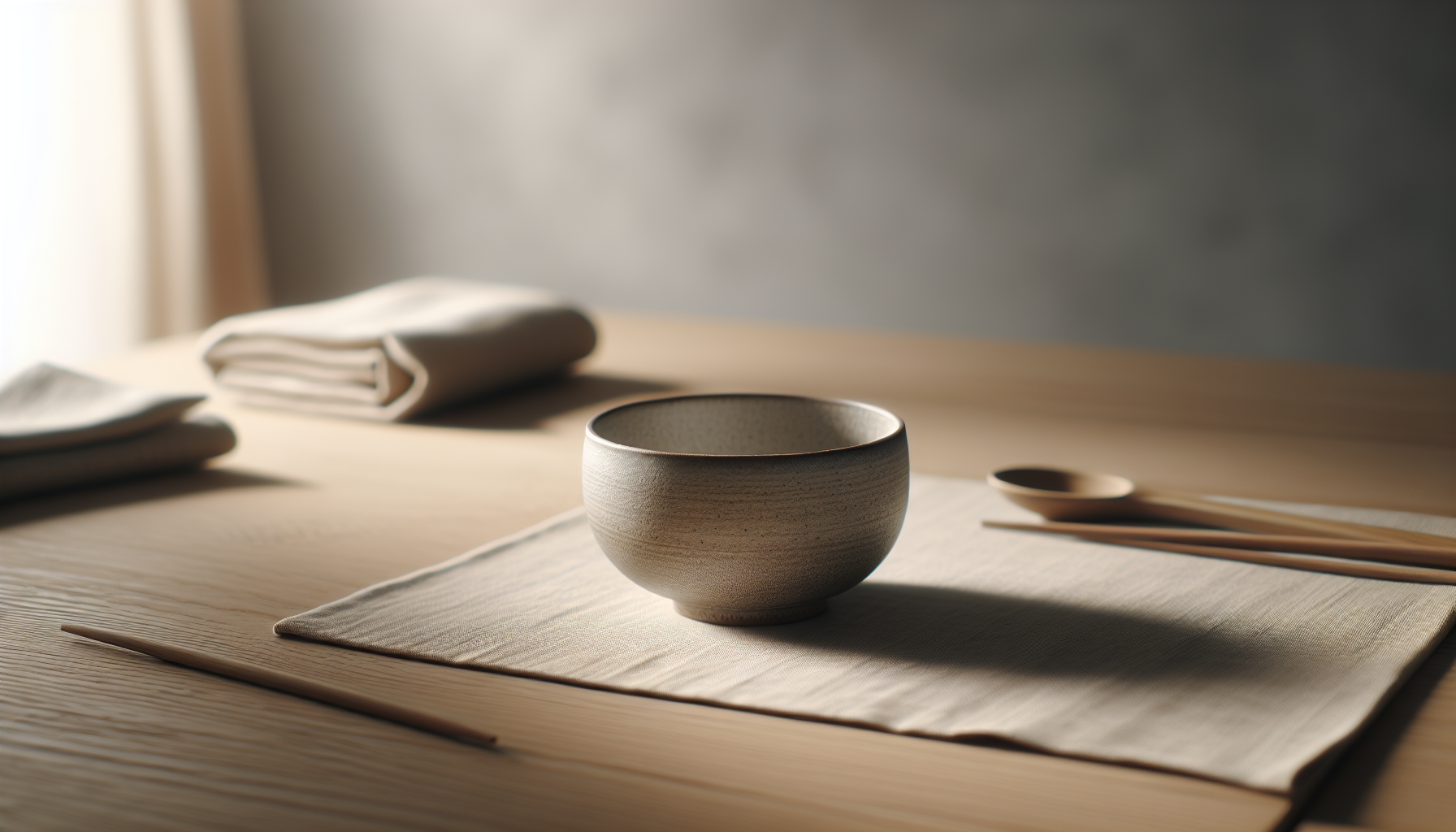
Have you ever noticed how a carefully arranged small room can make you feel calmer, clearer, and more present?
Why Japandi feels naturally mindful in small living spaces
Japandi combines Japanese minimalism and Scandinavian warmth, creating interiors that are both functional and serene. You’ll find that its restrained aesthetic and thoughtful use of space encourage slower living and more intentional habits, which are the foundation of mindfulness.
What “mindfulness” means in a home context
Mindfulness in a home means creating an environment that reduces distraction and supports attention, rest, and meaningful activity. Your surroundings can positively affect your mood, focus, and routines when they’re designed with awareness and purpose.
How small spaces amplify the link between design and mindfulness
In smaller dwellings, every object and square foot matters. You can’t hide excess or avoid careful planning, so the impact of clear design choices is stronger. This pressure to prioritize often leads to simplification, which in turn supports mindful living.
Core principles of Japandi that support mindfulness
Understanding the basic tenets of Japandi helps you intentionally design your small space for calm and clarity. These principles are practical and easy to apply, even in tight layouts.
Simplicity and restraint
Simplicity in Japandi isn’t about austerity; it’s about removing unnecessary visual and functional clutter. When you keep surfaces clear and choose pieces that serve multiple purposes, you reduce cognitive load and create room for presence.
Functional beauty (wabi-sabi meets hygge)
Japandi borrows Japanese wabi-sabi—acceptance of imperfection—and Scandinavian hygge—a focus on comfort and coziness. This combination encourages you to value well-made, comforting items over novelty, fostering an appreciation for the slow and the simple.
Natural materials and tactile warmth
Wood, linen, paper, and ceramics are typical in Japandi interiors. These materials invite touch and attention, reminding you to slow down and enjoy sensory experience. In small spaces, their cohesive palette creates continuity and visual calm.
Clean lines and flexible layouts
Furniture in Japandi tends to be low-profile and multi-functional, allowing open sightlines and easier movement. In compact rooms, flexible pieces help you transition between activities while maintaining order.
Psychological benefits of Japandi in small living spaces
When you modify your environment in mindful ways, the psychological effects are measurable. You’ll notice shifts in how you think, rest, and relate to your living area.
Reduced stress and overstimulation
Fewer distracting patterns and less clutter equate to less mental noise. A simplified visual environment helps you relax more quickly after a busy day and reduces the risk of sensory overload in confined areas.
Improved focus and productivity
With intentional furniture placement and designated zones for work, rest, and eating, your attention is easier to sustain. Small spaces designed with Japandi principles naturally encourage single-tasking and clearer mental boundaries.
Increased appreciation and contentment
When you bring a deliberate approach to selecting items—favoring utility, craftsmanship, and beauty—you’ll tend to value possessions more. That appreciation supports gratitude, which is a core part of mindfulness practice.
Practical design strategies for mindful small-space Japandi
These actionable strategies will help you shape your apartment, studio, or compact home as a calm, functional sanctuary.
Decluttering with intention
Decluttering isn’t a one-time event; it’s a practice. Start by assessing what you use daily, weekly, and rarely. Keep only those objects that earn a place through usefulness or genuine beauty. You’ll feel lighter and more focused when every item has meaning.
Action steps:
- Keep a box for items to donate and a box for items to store offsite.
- Apply the “one in, one out” rule to maintain balance.
- Use storage that makes items visible and accessible to reduce decision fatigue.
Zoning your small space
Even in a studio, you can create distinct functional areas through furniture, rugs, and lighting. These visual cues help your brain switch modes—work, rest, eat—which supports mindful transitions.
Examples:
- Low table or futon area for rest and reading.
- A compact desk by a window for work.
- A simple dining corner that doubles as prep space.
Choosing low-profile, multifunctional furniture
Opt for furniture that performs multiple roles without visually overwhelming the room. Pieces with hidden storage, foldable surfaces, or modular construction are ideal.
Common choices:
- Platform beds with drawers.
- Extendable or folding dining tables.
- Nesting tables that clear space when not in use.
Color palette and finishes for calm
Japandi favors a muted, natural palette: soft whites, warm beiges, charcoal grays, muted greens, and natural wood tones. These colors minimize visual noise and create a soothing backdrop.
Tips:
- Use stronger contrast sparingly to highlight a single focal piece.
- Keep textiles and small accessories within the same tonal family for coherence.
Lighting to support circadian rhythms
Layered lighting—ambient, task, and accent—helps you align your daily activities with natural cycles. Soft, warm lights are calming in the evening, while brighter task lighting supports focus.
Practical approach:
- Use dimmable fixtures where possible.
- Position a warm reading lamp near your relaxation area.
- Maximize natural light with lightweight window treatments.
Sensory elements that reinforce mindful habits
Japandi relies on subtle sensory cues that encourage slowness, attention, and comfort. These cues are especially powerful in small spaces where each detail has a big impact.
Texture and tactile interest
You’ll find calm in natural textures like oak, rattan, wool, and linen. These materials invite touch and can ground you in the present moment when you interact with them.
How to introduce texture:
- Choose a linen throw for your sofa or futon.
- Place a simple woven mat near an entrance.
- Use ceramic crockery for everyday use instead of thin plastic.
Scent as an anchor for presence
Scent can help you form routines and soothe the nervous system. Use subtle, natural fragrances—tea, hinoki, cedar, or unscented candles—to create atmosphere without overwhelming the senses.
Ritual idea:
- Light a small candle for 10–15 minutes while you read or prepare tea to signal a transition into rest.
Sound and quiet
Consider how sound travels in a small space. Soft furnishings and wall hangings help absorb noise, and a small white-noise device or a plant-rich corner can buffer external sounds.
Simple practices:
- Use a small low bookshelf or rug to reduce echo.
- Keep a playlist with slow tempos for relaxation or meditation sessions.
Minimalism versus meaningful possessions: balancing restraint and warmth
You don’t have to strip your space of personality to live mindfully. Japandi teaches restraint while celebrating objects that carry meaning and wear gracefully.
Selecting objects that tell a story
If a piece connects you to a person, place, or skill, it can legitimately occupy prime real estate in your home. Choose fewer items, but make them emotionally and functionally valuable.
Questions to ask before keeping or buying:
- Do I use this regularly?
- Does it support a daily ritual or needed function?
- Does it bring calm or joy when I see or touch it?
Embracing imperfection
Wabi-sabi invites acceptance of wear and irregularity. Scuffs, minor stains, and patina can be celebrated rather than hidden. This mindset reduces the pressure of perfectionism and makes maintenance less stressful.
Practical tip:
- Choose finishes that age well, such as oiled wood or matte glazes that show character over time.
Daily routines and rituals that pair with Japandi design
Design sets the stage, but routines activate mindfulness. Small, repeatable rituals will help you maximize the contemplative benefits of your space.
Morning routines to start gently
A simple morning routine might include making the bed, opening curtains, and preparing a calming beverage. These actions create a predictable sequence that lowers morning stress.
Suggestions:
- Make your bed as soon as you get up to immediately create order.
- Spend two minutes stretching beside a window to connect with natural light.
Transition rituals for work and rest
In small spaces, clear transitions are especially helpful to prevent activities from bleeding into one another. You can use a physical action to mark the end of a work session.
Ideas:
- Fold up laptop and store it in a designated basket at the end of the workday.
- Roll a tatami-style mat for meditation as a signal of rest time.
Evening wind-down
Create a short evening ritual to signal the body it’s time to rest. The ritual should be simple and repeatable.
Examples:
- Prepare a cup of herbal tea and sit in your low chair for five minutes of intentional breathing.
- Dim lights and put away screens 30–60 minutes before bed.
Storage solutions that keep small spaces calm and mindful
Good storage systems prevent clutter and make living simply sustainable. In Japandi interiors, storage is integrated and intentional.
Open versus closed storage balance
Open shelving showcases a few meaningful items and a limited number of daily-use objects, while closed storage hides bulk items and visual clutter. A thoughtful mix keeps the space clean yet personal.
Guideline:
- Keep decorative open shelving limited to 3–5 curated items to avoid a cluttered look.
Vertical storage and under-furniture solutions
Use vertical space to keep floors clear and support free movement. Under-bed drawers, wall-mounted cabinets, and tall shelving units free up essential floor area.
Furniture choices:
- Wall-hung cabinets in the kitchen and bathroom.
- Low-profile platform bed with deep drawers.
Hidden storage and dual-purpose pieces
Furniture with built-in storage keeps essentials accessible without visual noise. Choose pieces that look simple but conceal practical functionality.
Examples:
- Benches with storage under the seat.
- Coffee tables with lift tops or internal compartments.
Small-space layout examples and scenarios
Practical layout examples show how to apply Japandi principles in typical small-space situations. These scenarios will help you visualize workable setups.
Studio apartment layout
In a studio, use low furniture to create openness and clear sightlines. Position the bed on one side, a compact table near a window, and a living area with a low sofa or floor cushions.
Layout tips:
- Place a slim bookshelf as a partial room divider.
- Use the same material family (light wood) to create continuity.
Small bedroom with a work corner
Combine rest and work by creating a calming sleep environment alongside a compact desk. Keep the desk minimal and invest in a good chair for comfort during focused sessions.
Suggestions:
- Use a fold-down desk that tucks away when not in use.
- Keep work tools in a neat tray to reduce visual distraction.
Compact kitchen and dining
Small kitchens benefit from multifunctional surfaces and minimal counter clutter. A pull-out table or a narrow dining bench that tucks under a counter preserves space.
Ideas:
- Use magnetic strips for knives and utensils to free drawer space.
- Choose stackable plates and bowls to minimize cabinet clutter.
Material, furniture, and product guide for mindful Japandi living
This guide will help you choose materials and items that reinforce mindfulness and work well in small spaces.
Recommended materials
- Light to medium woods (oak, ash, bamboo): bring warmth without heaviness.
- Natural textiles (linen, cotton, wool): add tactile comfort.
- Ceramics and stoneware: create a sense of craftsmanship and permanence.
Why they work: These materials age nicely, have low visual intensity, and encourage you to choose fewer, higher-quality items.
Furniture styles and features to prioritize
- Low profile: maintains open sightlines and creates the sense of space.
- Simple silhouettes: reduce visual clutter and support calm.
- Built-in storage: keeps essentials out of sight where needed.
Shopping tip: Look for neutral finishes and modular pieces that adapt as your needs change.
Products to avoid or limit
- Plastic or glossy finishes that create visual noise.
- Excessively ornate patterns that compete for attention.
- Fragile or high-maintenance items that cause stress rather than comfort.
Sustainability and ethical considerations
Japandi’s emphasis on quality and longevity naturally aligns with sustainable choices. Small-space living also tends to reduce resource use and consumption.
Choose durable and repairable items
You’ll be more mindful when your possessions last and are simple to maintain. Prioritize pieces that can be repaired or refinished over disposable options.
How to act:
- Look for solid joinery and replaceable upholstery.
- Buy locally when possible to reduce transport footprint.
Responsible sourcing of natural materials
You should ask about provenance, certifications, and manufacturing practices. Choosing responsibly sourced wood and natural fibers supports both the environment and craftsmanship.
Questions to ask retailers:
- Is the wood FSC-certified or responsibly harvested?
- Are textiles produced with low-impact dyes or organic fibers?
Minimal waste and secondhand options
Secondhand shopping helps you find characterful pieces at lower environmental cost. Upcycling or repurposing furniture can also enrich your home with items that carry stories.
Practical steps:
- Visit local markets and thrift stores for unique finds.
- Refinish older furniture to fit your Japandi palette.
Common mistakes and how to avoid them
Even with the best intentions, it’s possible to make choices that undermine mindfulness. Recognize these pitfalls and correct them early.
Over-minimalizing to the point of sterility
Going too lean can make a space feel cold and unwelcoming. Balance simplicity with warm textures and a few meaningful items to maintain comfort.
Fix:
- Add a soft throw, a cushion, or a piece of ceramic tableware to introduce warmth.
Cluttering open shelving
Open shelves can quickly become visual noise if not curated. Limit the number of visible items and rotate displays seasonally.
Fix:
- Use boxes or baskets to conceal small items while keeping surfaces tidy.
Choosing trends over function
Purchasing items solely because they match a trend may lead to regret when they don’t support your daily life. Prioritize ergonomics and usefulness.
Fix:
- Test the functionality (size, comfort, storage) before buying.
Small mindfulness practices to pair with your Japandi home
Design supports mindfulness, but simple practices make it habitual. Incorporate short, repeatable routines that fit your lifestyle.
Five-minute breathing and posture check
Take five minutes each day to sit on a low cushion or chair and focus on slow breathing. Notice posture, soften the shoulders, and observe the breath to reset your nervous system.
How to do it:
- Sit with a straight spine, breathe for a count of four in and six out, repeat for five minutes.
Tea or ritualized beverage preparation
The act of making and drinking tea can be a mini-ceremony that slows pace and grounds you in the present. Use simple, well-made vessels for a sensory experience.
Routine:
- Boil water, warm your cup, steep mindfully, and sip slowly without screens.
Short mindful tidying sessions
Spend five minutes at the end of the day putting away items and straightening surfaces. This short practice reduces the mental load of clutter and signals completion.
Technique:
- Set a timer for five minutes and focus on one area only.
Case study: Transforming a 350 sq ft studio into a mindful Japandi home
This example walks you through how to apply the principles in a real small-space scenario.
Initial conditions:
- Limited storage, single-window natural light, combined work/living/sleep area.
Key interventions:
- Choose a light oak platform bed with under-bed drawers for storage.
- Install wall-mounted shelving above a slim desk to create a work zone.
- Use a low sofa and coffee table to visually expand the space.
- Layer rugs to define zones and add texture.
- Introduce a restrained palette of natural tones and linen textiles.
Outcome: The studio becomes a multipurpose sanctuary where you can work, rest, and host guests with minimal visual clutter. Simple daily rituals (making tea, five-minute tidy) reinforce the calming atmosphere.
Quick reference checklist for mindful Japandi design in small spaces
This table summarizes the essential actions you can use as a practical shopping and planning guide.
| Category | Action | Why it matters |
|---|---|---|
| Decluttering | Keep only useful and meaningful items | Reduces cognitive load |
| Furniture | Choose low-profile, multifunctional pieces | Maintains openness and flexibility |
| Materials | Use natural woods and textiles | Encourages tactile calm |
| Color | Stick to muted, cohesive palette | Minimizes visual noise |
| Lighting | Layer lights; choose warm tones | Supports circadian rhythm |
| Storage | Mix open and closed; prioritize hidden storage | Keeps surfaces tidy |
| Rituals | Create short daily routines (tea, tidy) | Reinforces mindful habits |
| Sensory | Add texture, subtle scent, and soft sound | Grounds you in the present |
| Sustainability | Prefer durable, repairable, secondhand | Aligns values with practice |
Frequently asked questions (short answers)
You’ll likely have practical questions as you rework your space. These brief responses address common concerns.
Can Japandi work in a rented space?
Yes. Japandi principles emphasize furniture and accessories more than structural changes, so you can adopt the aesthetic and mindful routines without permanent alterations.
How do you keep a small space from feeling cold?
Introduce warm textiles, soft lighting, and natural wood tones. A few well-placed textiles and ceramics will add warmth without clutter.
Is Japandi expensive to implement?
Not necessarily. Focus on buying fewer, better-quality items rather than many pieces. Secondhand markets and small local makers can be economical and sustainable choices.
Final thoughts: living mindfully with Japandi in small spaces
When you apply Japandi principles, you’re not chasing a style trend—you’re creating a setting that supports a slower, more intentional life. Small spaces constrain excess but also invite creativity; by designing deliberately you turn limitations into opportunities for presence. Your home can become a gentle teacher, nudging you toward routines, rituals, and choices that help you live with clarity and calm.