
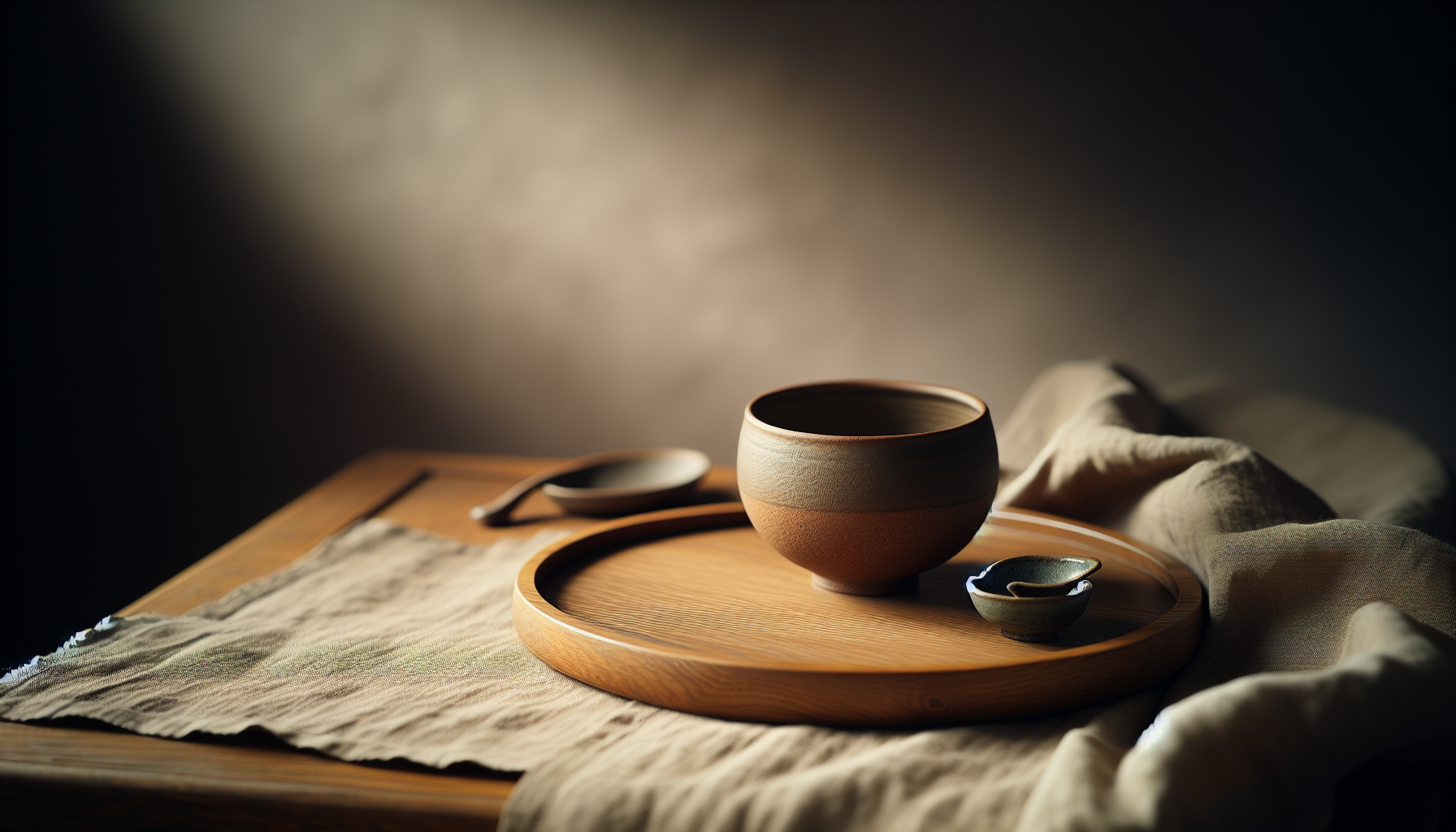
Have you ever felt calmer simply by stepping into a room that feels balanced, uncluttered, and thoughtfully arranged?
Why Japandi is often linked to mindfulness in interior design
You already know that the spaces you inhabit influence your mood and habits. Japandi, a hybrid of Japanese and Scandinavian design, frequently appears alongside conversations about mindfulness because it intentionally combines aesthetics and functionality to support calmer, more present living. In this article you’ll find clear reasons why Japandi and mindfulness pair so naturally, practical steps to bring that connection into your own home, and pitfalls to avoid as you create a mindful interior.
What is Japandi?
You may have seen Japandi in magazines, on social media, or in friends’ homes, but what exactly is it? Japandi fuses the clean lines, warm wood tones, and cozy functionality of Scandinavian design with the restrained elegance, craftsmanship, and reverence for imperfection found in Japanese aesthetics. Together, they create spaces that are minimal yet warm, functional yet layered with meaning.
Origins and influences
The style emerged as designers and homeowners began combining Scandinavian hygge (comfort and coziness) with Japanese wabi-sabi (an appreciation for imperfection and transience). You’ll notice influences from both regions in furniture proportions, material choices, and philosophies about how objects should serve you. These influences encourage living more deliberately and appreciating fewer, better things.
Core aesthetics and materials
Japandi favors natural materials—oak, walnut, rattan, linen, ceramics—and a muted, earthy color palette. Surfaces are often matte and understated, finishes are honest rather than glossy, and textures are layered to add warmth without clutter. When you enter a Japandi room, the material choices quietly signal calm and authenticity.
What is mindfulness in interior design?
Mindfulness in interior design means creating spaces that support awareness, attention, and emotional regulation. If your home reflects mindful design, it functions to reduce distraction, encourage restorative practices, and help you make intentional choices about how you live. It’s less about an aesthetic checklist and more about shaping your environment to support mental clarity and presence.
Principles of mindful design
Mindful design emphasizes simplicity, intentionality, sensory balance, and sustainability. You focus on what’s essential, curate furnishings and objects with purpose, and consider how light, texture, and layout affect your daily routines. These principles help you make your space a tool for calm rather than a source of stress.
Benefits for your well-being
When your living space follows mindful design principles, you can experience reduced stress, better focus, improved sleep, and a stronger sense of belonging in your home. You’ll likely find it easier to slow down, cultivate routines, and respond more calmly to daily challenges when your environment supports those outcomes.
Why Japandi aligns so well with mindfulness
You might be wondering why Japandi, specifically, gets linked so often to mindfulness. The answer lies in overlapping values: simplicity, craftsmanship, natural materials, and an emphasis on function and ritual. Each element of Japandi design contributes to calming the senses and supporting thoughtful living.
Minimalism and purposeful editing
Japandi encourages you to reduce visual noise by editing belongings and prioritizing function. This curated approach makes it easier for you to locate what you need, maintain your home, and reduce decision fatigue—small but significant contributors to a more mindful life. Thoughtful editing also increases the value you place on the objects that remain.
Natural materials and tactile connection
Wood, stone, linen, and ceramics anchor Japandi spaces in the natural world. These materials have tactile warmth and subtle visual variation that invite you to slow down and appreciate details. Touching a wooden table or rearranging a linen throw becomes a grounding sensory experience that reconnects you to the present.
Wabi-sabi and acceptance of imperfection
The Japanese concept of wabi-sabi celebrates imperfection, aging, and the beauty of everyday wear. When you accept flaws as part of an object’s story, you’re less likely to chase perfection and more likely to appreciate things as they are. This mindset fosters acceptance—a core component of mindfulness practice.
Hygge and emotional comfort
From Scandinavia, Japandi borrows a focus on comfort and warmth that doesn’t rely on clutter. You create cozy nooks, soft lighting, and comfortable seating that encourage you to rest and be present. Comfort in Japandi is intentional: it supports relaxation without overwhelming the senses.
Functional layout and uncluttered flow
Japandi prioritizes furniture with clear function and thoughtful scale. Spaces are arranged to support movement, routines, and daily rituals—whether that’s making tea, reading, or sitting quietly. When your home’s layout supports those activities, you feel less friction in your day and more freedom to be mindful.
Neutral palette and sensory calm
Muted tones and restrained color choices reduce visual stimulation and help your mind settle. You’ll often find shades of beige, soft gray, warm brown, and muted green in Japandi rooms. A neutral palette allows you to focus on texture, light, and the people in the space, instead of being constantly distracted by bold color.
Slow living and intentional acquisition
Japandi values quality over quantity. You’re encouraged to buy fewer pieces but choose ones that are well-made and long-lasting. That slow-living mindset aligns with mindfulness because it requires you to consider the lifecycle of objects and the reasons you bring them into your home.
Biophilia and a connection to nature
Incorporating plants, natural light, and views to the outside supports a sense of wellbeing. You’ll find that even small plants, well-placed near a window, can make a room feel more alive and encourage you to care for living things—an act that naturally prompts present-moment attention.
Craftsmanship, repairability, and rituals
Japandi celebrates objects that are made to last and can be repaired, not discarded. Caring for your home, polishing wooden surfaces, tending plants, and brewing tea become meaningful rituals that ground your day and practice mindfulness through action.
Quick comparison: Japandi vs related styles
You may want to see how Japandi stacks up against Japanese, Scandinavian, and pure Minimalism when it comes to supporting mindfulness. The table below highlights key features and how they relate to mindful living.
| Feature / Style | Japandi | Japanese | Scandinavian | Minimalism |
|---|---|---|---|---|
| Visual warmth | Warm neutrals, wood accents | Subtle, with natural tones | Warm, light wood, cozy textiles | Often stark, cooler neutrals |
| Emphasis on imperfection | Yes (wabi-sabi) | Yes | Less central | No |
| Comfort and coziness | Yes (from Scandinavian influence) | Functional simplicity | Yes (hygge) | Limited |
| Clutter reduction | Curated, functional | Very high | High | Very high |
| Natural materials | Strong emphasis | Strong emphasis | Strong emphasis | Varies |
| Ritual and craftsmanship | Celebrated | Celebrated | Valued | Often overlooked |
| Mindfulness alignment | High | High | High | Moderate–High |
This table helps you see that Japandi pulls strengths from both traditions in ways that specifically enhance mindfulness: warmth plus restraint, ritual plus editing.
How to create a mindful Japandi space
Putting Japandi principles into practice should feel approachable and intentional. You don’t need to overhaul your home overnight; instead, use small, purposeful steps that align with how you live. Below you’ll find practical guidance you can apply room by room or project by project.
Start with intention and purpose
Before you rearrange furniture or buy new items, ask what you want your space to support. Do you want a calm home office, a restorative bedroom, or a living room that encourages conversation? Clarifying intention helps you make decisions that align with mindfulness rather than trends.
- Write down the main activities for each room.
- Prioritize one or two primary functions per space.
- Let intention guide furniture selection and placement.
Declutter and edit
Clutter creates cognitive load. You’ll find it easier to be present when surfaces are clear and possessions are curated. Adopt an editing mindset: keep what you use, love, or need, and consider donating or storing the rest.
- Use a seasonal review to reassess items.
- Group belongings by use and remove duplicates.
- Keep everyday items accessible and put away what interrupts visual calm.
Choose a calming color palette
Stick to soft neutrals mixed with warm wood tones and occasional muted greens or blues. Your color choices set the emotional backdrop for the room and influence your stress levels. If you’re unsure, start with walls and large furniture pieces in neutral tones, then layer color through textiles and small accents.
Select materials and finishes
Natural, honest materials build tactile and visual warmth. Prioritize wood, stone, linen, cotton, and ceramics. Avoid overly shiny or synthetic finishes that can feel artificial or overstimulating.
- Choose matte or satin finishes for surfaces.
- Mix woods carefully—aim for harmony rather than contrast.
- Use ceramic or handcrafted objects to add subtle imperfection.
Furniture: scale and function
Opt for furniture that fits your body and your room, not oversized pieces that dominate the space. Low-profile seating, streamlined storage, and multifunctional pieces help maintain openness while supporting everyday life.
- Choose pieces with clear function and clean lines.
- Consider furniture that encourages connection, like benches or simple sofas.
- Use hidden storage to preserve calm without removing usefulness.
Lighting for mindfulness
Natural light is central to Japandi; allow maximum daylighting through minimal window treatments. For evenings, layer light sources: ambient overhead lighting, task lamps, and warm accent lights. Dimmable options help you control mood and support relaxation.
- Place reading lamps near seating for ritual time.
- Use warm color temperature bulbs to enhance coziness.
- Consider candles or lanterns for ritualized quiet moments.
Incorporate plants and natural elements
Plants improve air quality and provide a living focal point that changes over time. Choose species that match the light and humidity conditions of your room. Even a single sculptural plant can anchor a corner and create a small daily practice of care.
- Select low-maintenance varieties if you’re busy.
- Place plants near natural light and rotate them occasionally.
- Use simple ceramic or natural fiber pots for coherence.
Textures, textiles, and sensory layering
Layering textures—linen curtains, wool throws, woven rugs—adds warmth without clutter. These elements invite you to touch and engage with your environment, encouraging mindful grounding through the senses.
- Limit the color palette but vary textures for visual interest.
- Choose natural fibers for breathability and tactile quality.
- Keep textiles well-maintained as part of your care routine.
Create quiet zones and rituals
Designate areas for specific mindful practices: a reading corner, a tea-making spot, or a meditation cushion in a calm corner. These intentional zones act as cues to pause and be present.
- Keep ritual items accessible and tidy.
- Dedicate a small shelf or surface to items used in the ritual.
- Make rituals simple and repeatable to strengthen habit formation.
Maintenance and routines
Mindful spaces require tending. Schedule simple routines—weekly tidy-ups, monthly plant care, seasonal editing—to keep your environment aligned with your intentions. These acts of care are themselves mindful practices.
- Create short checklists for daily and weekly upkeep.
- Repair items instead of replacing them when possible.
- Use cleaning and maintenance as a way to connect with your home.
Materials and their mindfulness benefits
A quick reference table helps you choose materials that enhance the mindful quality of your spaces.
| Material | Mindfulness Benefit | Care/Notes |
|---|---|---|
| Oak / Walnut wood | Warmth, tactile comfort, visual grounding | Dust and oil occasionally; ages gracefully |
| Linen | Breathable, soft, natural texture | Low-maintenance; prone to wrinkles (adds character) |
| Wool | Insulating, comforting, tactile depth | Vacuum and air out regularly |
| Ceramic / Clay | Tactile variation, handcrafted feel | Clean gently; prone to chips—accept imperfection |
| Stone | Timelessness, cool grounding surface | Seal porous stones when needed |
| Rattan / Cane | Warm, breathable texture, biophilic feel | Dust and avoid prolonged moisture |
| Paper (shoji screens) | Diffused light, soft visual barrier | Handle gently; sensitive to humidity |
This table helps you match materials to the experience you want to create and informs how to care for them—an important part of mindful ownership.
Common mistakes to avoid
Even with good intentions, it’s easy to misapply Japandi principles. Avoid these common errors so your space remains both functional and calming.
Overloading with trends
You may be tempted to add trendy items that don’t fit your lifestyle. Trends can create visual noise and short-lived satisfaction. Prioritize pieces that serve your long-term needs and reflect your personal rituals.
Confusing minimalism with emptiness
Minimalism is about meaningful reduction, not making a space feel cold. Make sure you include textures, natural materials, and elements of comfort so your space supports emotional warmth.
Using synthetic materials to mimic nature
Imitations can feel flat and cheaper over time. When possible, choose authentic materials that age well and reward care. They’ll give you more sensory richness and longevity.
Ignoring scale and proportion
Pieces that are too large or too small disrupt flow and make rooms feel off-balance. Measure your space and consider human scale when choosing furniture. You want your room to feel cohesive and easy to navigate.
Room-by-room suggestions
Here are specific ideas you can use in key rooms to strengthen your mindful Japandi home.
Living room
Create a central conversation area with a low-profile sofa, a simple wooden coffee table, and one or two comfortable chairs or benches. Keep surfaces clear, display a single curated object or plant, and add a textured rug for warmth. You want the living room to invite you to sit and be present, not to collect stuff.
Bedroom
Make the bedroom a sanctuary by keeping electronics out or out of sight, choosing soft, breathable linens, and using warm, dimmable lighting. A low bed frame, simple nightstand, and minimal decor help you wind down and prepare for sleep.
Kitchen and dining
Prioritize functional storage and clear countertops so cooking and eating become rituals, not chores. Use handcrafted ceramics for dishes, wooden utensils, and a simple dining table that encourages lingering and conversation.
Home office
Designate a workspace with a simple desk, comfortable ergonomic seating, and adequate task lighting. Keep paperwork and tech organized, and create a small ritual for starting and ending work—like lighting a small lamp or making tea—to demarcate transitions.
Entryway
The entry should be a calm transition zone: a bench for putting on shoes, a hook or small cabinet for essentials, and a tray for keys. This area sets the tone as you leave and return home, so keep it tidy and intentional.
Short case studies (realistic scenarios)
These short examples show how real people apply Japandi to support mindfulness.
- You convert a cluttered guest room into a simple meditation corner: a low mat, a wooden stool, and a ceramic incense holder. The ritual of lighting incense and sitting for five minutes daily helps you reset.
- A couple replaces mismatched chairs and a heavy sofa with a simple bench, a two-seater sofa, and a wooden coffee table. By reducing pieces and selecting quality materials, they report feeling less distracted and more connected during conversations.
- You transform a busy home office by removing a second screen, introducing a large plant, and repositioning the desk to face natural light. The change reduces visual clutter and improves focus during work sessions.
Frequently asked questions
You’ll likely have questions as you adapt Japandi ideas to your life. Here are answers to common concerns.
- How much should I change at once?
- Start small. Tackle one room or one category (like textiles) at a time to avoid overwhelm.
- Is Japandi suitable for small apartments?
- Absolutely. Japandi’s emphasis on editing, multifunctional furniture, and light wood tones works particularly well in small spaces.
- Can I keep some bold colors or patterns?
- Yes—use them sparingly as accents. Japandi’s base is neutral, but a carefully chosen color or patterned textile can add personality without overstimulation.
- Do I need expensive, handcrafted items?
- No, but prioritize quality where it matters: seating, bedding, and frequently used surfaces. You can mix budget-friendly finds with a few well-made staples.
- How do I maintain a mindful home with a busy lifestyle?
- Build routines that fit your schedule: five minutes of end-of-day tidying, weekly plant care, and intentional ritual moments like tea or reading.
- Is Japandi practical for families with children?
- Yes. Choose durable natural materials, easy-to-clean finishes, and simple storage solutions that make living with children manageable while keeping a calm aesthetic.
Final thoughts
You’ll find that Japandi’s combination of quiet elegance, material honesty, and functional simplicity naturally supports mindfulness. By editing possessions, choosing natural materials, designing for rituals, and maintaining your space with care, you turn your home into a supportive environment for calm and presence. Remember that mindfulness is practiced through repeated small actions—the way you arrange, care for, and use your space matters more than any single decor choice.
If you begin with intention and make incremental changes, you’ll notice how your surroundings influence your habits and mood. Over time, your home can become not just a place you inhabit, but a companion in a calmer, more mindful life.