
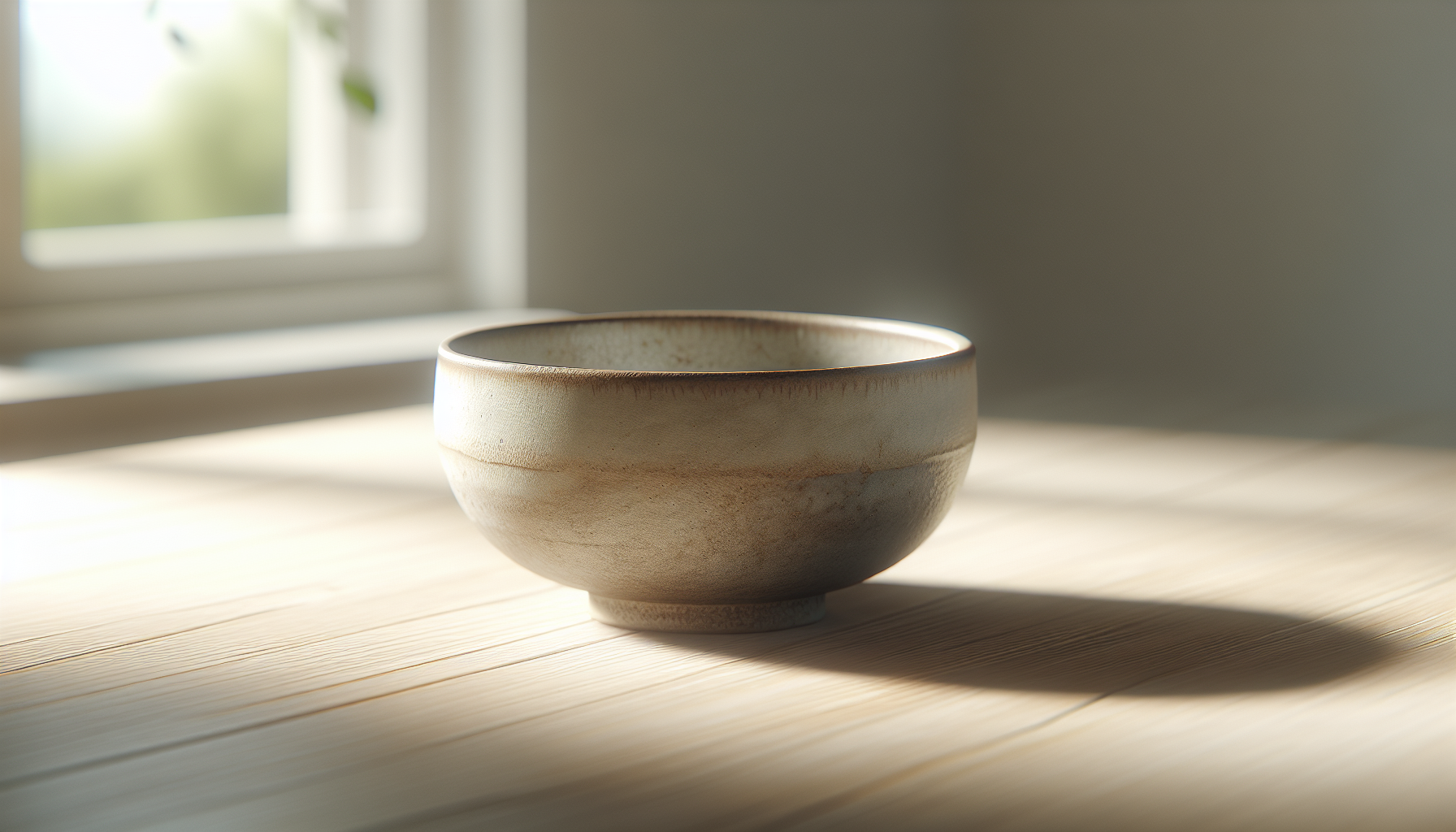
Have you ever walked into a room and felt your shoulders drop and your mind slow down almost immediately?
How people emotionally respond to Japandi interiors and the restorative power of uncluttered design
This article helps you understand why Japandi interiors often trigger calm, clarity, and comfort. You’ll learn what elements create that restorative effect, how different people respond emotionally, and practical steps you can take to bring Japandi principles into your own home.
What is Japandi and why it matters to you
Japandi is a hybrid design language that blends Japanese minimalism and Scandinavian functionality. It emphasizes simplicity, craftsmanship, natural materials, and a muted palette to create spaces that feel both warm and serene. By combining two traditions that prioritize restraint and purposeful beauty, Japandi aims to make your everyday environment both useful and emotionally nurturing.
Origins and philosophy of Japandi
The aesthetic emerged from a shared cultural appreciation of simplicity and nature in both Japan and Scandinavia. Japanese design celebrates wabi-sabi — the beauty of imperfection and transience — while Scandinavian design values hygge, functional comfort, and clarity. Together, they inform a philosophy that seeks to reduce visual noise and highlight thoughtful details. When you adopt Japandi, you’re embracing a lifestyle that privileges presence, craftsmanship, and calm.
Core design principles of Japandi
Japandi rests on several repeating principles that shape how you experience a space. These include minimalism with warmth, intentional furniture selection, natural textures, and careful use of negative space. The result is not minimalism for its own sake but minimalism as an aid to clarity and rest. When each piece has purpose and beauty, the room feels curated rather than empty.
Emotional responses people commonly report
You’ll find that most people respond to Japandi environments with feelings of relaxation, focus, and comfort. Common emotional reactions include lowered stress, increased mental clarity, a sense of safety, and a heightened appreciation of texture and light. Those responses arise because the design minimizes competing stimuli and uses natural references that humans are broadly attuned to. In short, the room supports emotional regulation rather than overstimulation.
Why uncluttered design is restorative
An uncluttered environment reduces cognitive load by limiting the amount of visible information your brain must process. When your surroundings are orderly and intentionally composed, you can allocate cognitive resources to tasks or simply rest. Uncluttered design also supports routines and rituals that contribute to emotional stability, such as a calm morning routine or an uncluttered workspace that fosters focus.
Psychological mechanisms behind the calming effect
Several psychological theories help explain why Japandi and uncluttered design feel restorative to you. Attention restoration theory suggests that low-demand, softly engaging environments allow your directed attention to replenish. Biophilia theory posits that natural materials and forms resonate with innate human preferences, creating comfort. Additionally, reducing decision points and visual catastrophes lowers chronic stress and decision fatigue. Together these mechanisms create a measurable emotional lift.
How sensory design influences emotions
Your sensory experiences—what you see, touch, hear, and smell—directly influence your emotional state. Japandi design intentionally modulates all these senses. The color palette reduces visual noise, textures invite gentle touch, acoustics favor soft sounds, and natural materials can subtly influence scent. When the senses are coordinated, the space becomes a coherent environment that supports wellness.
Color in Japandi: calming palettes you can use
Color choices in Japandi are deliberately muted and balanced to promote calm. You’ll often see soft neutrals, warm woods, desaturated greens, and muted blues. These tones reduce contrast and visual tension, helping your eyes rest and your mind relax. When selecting paint or textiles, favor colors with low chroma and medium value to sustain a serene atmosphere.
Materials and textures that create warmth
Natural materials are central to the Japandi approach because they add tactile interest without visual clutter. Wood, linen, wool, tatami, and brushed ceramics are common choices. Texture creates subtle variation so that you feel engaged rather than bored, but without the overstimulation of bright patterns. Using a limited palette of materials creates cohesion that feels intentional and calming.
Light as emotional architecture
Lighting shapes mood as much as furniture does. In Japandi interiors, natural light is maximized and supplemented by soft artificial sources. You should aim for layers of light: ambient, task, and accent. Natural light warms and shifts during the day, keeping your circadian rhythm aligned. Soft, dimmable artificial light supports evening relaxation without harsh glare.
Negative space and visual rest
Negative space — the deliberately empty areas around objects — is not wasted. It functions as visual breathing room, allowing you to focus on important elements. Negative space reduces visual competition and gives objects a sense of dignity. When you leave enough room around items, the whole composition feels calmer and more intentional.
The role of craftsmanship and imperfection
Small imperfections and crafted items establish authenticity and a sense of human scale. Handmade ceramics, visible joinery, and slight irregularities in texture signal care and time invested. These details align with Japanese aesthetics and invite you into a tactile relationship with objects. When things feel made rather than mass-produced, you often experience deeper emotional satisfaction.
Japandi vs Scandinavian vs Japanese: a quick comparison
Below is a table to help you understand the distinctions and overlaps. This makes it easier for you to adopt elements selectively depending on what feels right.
| Aspect | Japandi | Scandinavian | Japanese |
|---|---|---|---|
| Palette | Warm neutrals, muted tones | Light neutrals, pale woods | Natural, earthy, darker woods |
| Texture | Mixed natural textures | Soft textiles, light woods | Smooth surfaces, tatami, raw wood |
| Furniture | Low-profile, functional, sculptural | Functional, airy, minimal | Low, modular, tatami influence |
| Philosophy | Minimalism with warmth | Hygge, functionality | Wabi-sabi, imperfection |
| Emotional tone | Calm, refined, cozy | Bright, functional, comfortable | Quiet, serene, contemplative |
Who benefits most from Japandi interiors
You might find Japandi especially restorative if you value calm, dislike visual clutter, or work in a high-demand cognitive profession. People who live in small urban apartments often appreciate the efficiency and warmth Japandi offers. However, it’s not only for introverts — even you who enjoy sociability can benefit from a peaceful base to return to after stimulation.
How personality and culture change emotional response
Personality traits and cultural background influence how you respond emotionally. Extroverts might prefer more social-friendly seating and color accents, whereas introverts may seek quieter corners and denser textures. Cultural habits around hospitality, ritual, and furniture use also shape how spaces feel. The flexible nature of Japandi allows you to adapt it to your habits while preserving its restorative core.
Accessibility and inclusivity considerations
Making Japandi accessible enhances its restorative potential for you and your guests. Ensure clear pathways, appropriate seating heights, and good lighting for task areas. Consider tactile contrasts for those with visual impairments and non-slip surfaces where needed. Design that respects different abilities keeps the calm atmosphere safe and welcoming for everyone.
How clutter harms emotional well-being
Clutter increases cognitive load by constantly signaling unfinished tasks and choices. Visible clutter can cause persistent low-grade stress because your brain interprets it as a sign that something needs attention. Eliminating clutter or hiding it behind thoughtful storage reduces these signals so you can relax. When you clear surfaces, your mind often feels cleared too.
Practical decluttering strategies that actually work
Decluttering can feel overwhelming, but small, consistent steps yield lasting results. Start with one surface or one category of items (like books or mail). Use the “one in, one out” rule to prevent accumulation. Create intuitive storage zones so items return to a home easily. When you create systems that match your habits, you’re more likely to sustain an uncluttered environment.
Storage solutions that maintain aesthetics
Hidden storage is a Japandi strength: integrated cabinets, woven baskets, and under-seat drawers keep essentials out of sight without sacrificing design. Closed storage preserves visual calm, while open shelving should be curated to avoid clutter. Choose storage that matches your materials palette to maintain cohesion, and label zones to make tidying effortless.
Room-by-room: how Japandi influences emotions and function
Applying Japandi thoughtfully per room preserves emotional continuity while meeting functional needs. Each room can balance utility and serenity to support specific activities like sleep, work, or socializing. Below are practical approaches for key spaces.
Living room: social calm
Your living room should feel inviting for conversation while calming enough to encourage relaxation. Choose a low-profile sofa, a few textured cushions, and a simple coffee table. Keep surfaces free of unnecessary items and use layered lighting for evenings.
Bedroom: restorative sanctuary
The bedroom benefits most from Japandi’s calming aspects because sleep is highly sensitive to environment. Use soft, natural linens, minimal decor, and warm bedside light. Keep electronics out of sight and maintain clear pathways to underscore a sleep-promoting routine.
Kitchen: functional serenity
In the kitchen you need efficiency balanced with a clean aesthetic. Invest in well-organized cabinets, durable surfaces, and simple open shelving for frequently used dishes. Keep countertops mostly clear to make meal preparation feel purposeful, not chaotic.
Workspace: focused clarity
Your workspace should minimize distractions and support sustained attention. Opt for a well-proportioned desk, ergonomic chair, and unobtrusive storage. Position your desk to take advantage of natural light and keep personal items minimal but meaningful.
Bathroom: quiet ritual space
A Japandi bathroom becomes a place for self-care through tactile materials and soft lighting. Keep toiletries organized, use natural materials like wood and stone where possible, and incorporate plants or simple ceramics for texture. Soft towels and clear surfaces encourage a spa-like atmosphere.
Checklist table: room-by-room essentials
This table gives you a concise checklist of essentials for applying Japandi in each room. It helps you prioritize changes based on function and emotional goals.
| Room | Essentials | Emotional goal |
|---|---|---|
| Living room | Low furniture, natural textiles, one focal art piece | Relaxation and gentle sociability |
| Bedroom | Soft linens, dimmable lighting, minimal tech | Sleep and restoration |
| Kitchen | Clear counters, hidden storage, durable materials | Calm efficiency |
| Workspace | Ergonomic tools, organized storage, natural light | Focus and reduced fatigue |
| Bathroom | Tactile textiles, clean lines, soft light | Quiet ritual and refreshment |
Lighting strategies that support circadian rhythm
To support your well-being, mimic natural light patterns when possible. Use brighter, cooler light in the morning and afternoon for alertness, and warmer, lower-intensity light in the evening to encourage melatonin production. Dimmable fixtures and layered sources help you tune the mood throughout the day. When you align lighting with natural rhythms, sleep and daytime energy improve.
Soundscapes: controlling acoustic comfort
Sound is a powerful emotional cue often overlooked in design. Soft furnishings, rugs, and textured walls help absorb reverberation. Consider background noise you want: a gentle water feature, quiet music, or natural sounds can enhance calm. Reducing sudden echoes or harsh noises helps you feel steady and present.
Scent and plant life: subtle emotional cues
Plants and natural scents subtly influence mood and air quality. Low-maintenance plants like snake plant, pothos, and peace lily improve air and add calming green without demanding excessive care. Natural scents from wood, linen, or unscented candles can evoke comfort. Use scents cautiously; intense fragrances can overwhelm rather than soothe.
Maintaining restoration: routines and rituals
The emotional benefits of Japandi are sustained by consistent habits. Create simple rituals that align with the space: morning tea by the window, a pre-bed tidy, or a weekly reset of surfaces. These routines turn environment into practice and reinforce calm over time. When the space supports your rituals, they become easier and more rewarding.
Decision-making: how minimalism reduces fatigue
Japandi reduces everyday decision points by limiting options and standardizing finishes. When you choose a consistent palette and material set, you make fewer choices about coordination. This reduction in micro-decisions preserves mental energy for meaningful work and leisure. The cumulative effect is less mental exhaustion across the day.
How people with different needs can adapt Japandi
You can adapt Japandi to suit family life, small children, or pets without losing its restorative quality. Use stain-resistant textiles, durable woods, and washable rugs. Designate drop-zones and clear storage to keep daily clutter under control. The core principles—purposeful items, natural textures, and clear surfaces—translate well to busy households.
Common pitfalls and how to avoid them
People sometimes mistake Japandi for cold minimalism or minimalism for austerity. Avoid overly stark surfaces, which can feel uninviting. Another pitfall is excess hidden storage that becomes a dumping ground; maintain regular decluttering habits. Keep a balance between negative space and meaningful objects to sustain warmth.
Quick fixes that create big emotional shifts
Small changes often produce noticeable emotional improvements. Replace harsh overhead lighting with softer, layered sources. Clear one counter and add a simple plant. Swap a busy patterned rug for a neutral one with tactile interest. These adjustments quickly reduce visual noise and increase your sense of calm.
Measuring the impact: how you’ll know it’s working
You’ll notice several signs that the space is restoring you: lowered stress, improved sleep, easier decision-making, and greater willingness to host guests. Keep a short journal to track mood changes or productivity differences after redesigning. Objective improvements often follow subjective comfort, and small shifts can compound over time.
Case scenarios: realistic implementations
If you live in a one-bedroom apartment, prioritize multi-purpose furniture, clear vertical storage, and a calming color foundation. In a family home, create distinct zones for play, work, and rest, each with its own storage and visual rhythm. For a home office, emphasize ergonomics, natural light, and a pared-back desktop. These pragmatic approaches help the restorative benefits feel achievable.
Sustainable choices that enhance meaning
Choosing timeless, sustainable materials increases the emotional value of your space. Locally sourced woods, long-lasting textiles, and reparable furniture align with Japandi’s respect for craftsmanship and time. Sustainable choices also reduce the background ethical stress of consumerism, giving you a clearer sense of alignment and purpose.
How to start a Japandi transformation in a weekend
Pick one room and follow three steps: clear, curate, and arrange. Clear out everything that doesn’t belong. Curate the pieces you love, keeping to a simple palette and texture mix. Arrange with negative space and functionality in mind. Even a weekend refresh can produce an immediate sense of calm and order.
Budget-friendly approaches
You don’t need expensive pieces to get the Japandi effect. Focus on paint, textiles, and decluttering before investing in furniture. Thrifted wooden pieces, simple linens, and repaired heirloom items often provide the right feeling at low cost. The aesthetic values restraint and meaning more than brand names.
Final practical checklist
If you want a quick-action checklist to implement Japandi, use the following guide. It helps you prioritize and measure progress without feeling overwhelmed.
- Choose a muted palette and stick to it.
- Reduce surface items to essentials and one curated object.
- Add layered lighting and dimmers.
- Use natural textures: wood, linen, wool, ceramics.
- Create sufficient hidden storage and an easy tidying system.
- Introduce three plants of varying size.
- Replace busy rugs with neutral textured options.
- Implement a nightly 10-minute reset ritual.
Summary: what you’ll feel and why it works
Adopting Japandi and an uncluttered design can transform your emotional landscape because it reduces cognitive load, aligns sensory input with natural patterns, and emphasizes meaningful objects. You’ll likely feel calmer, sleep better, and find it easier to concentrate. The design’s restorative power comes from both its physical simplicity and its encouragement of mindful living.
Next steps for you
Start small and be patient. Tackle one surface or one room, stick to your palette, and practice simple rituals that support maintenance. Over time, you’ll notice the cumulative effect: less mental noise and more room for what matters to you. The model of Japandi is flexible, so make it your own while keeping its core aim—restorative clarity—at the heart of every decision.
If you’d like, I can help you design a room plan checklist tailored to your space or suggest a specific palette and material list for one room. Tell me which room you want to begin with, and we’ll create an actionable plan you can implement this week.