
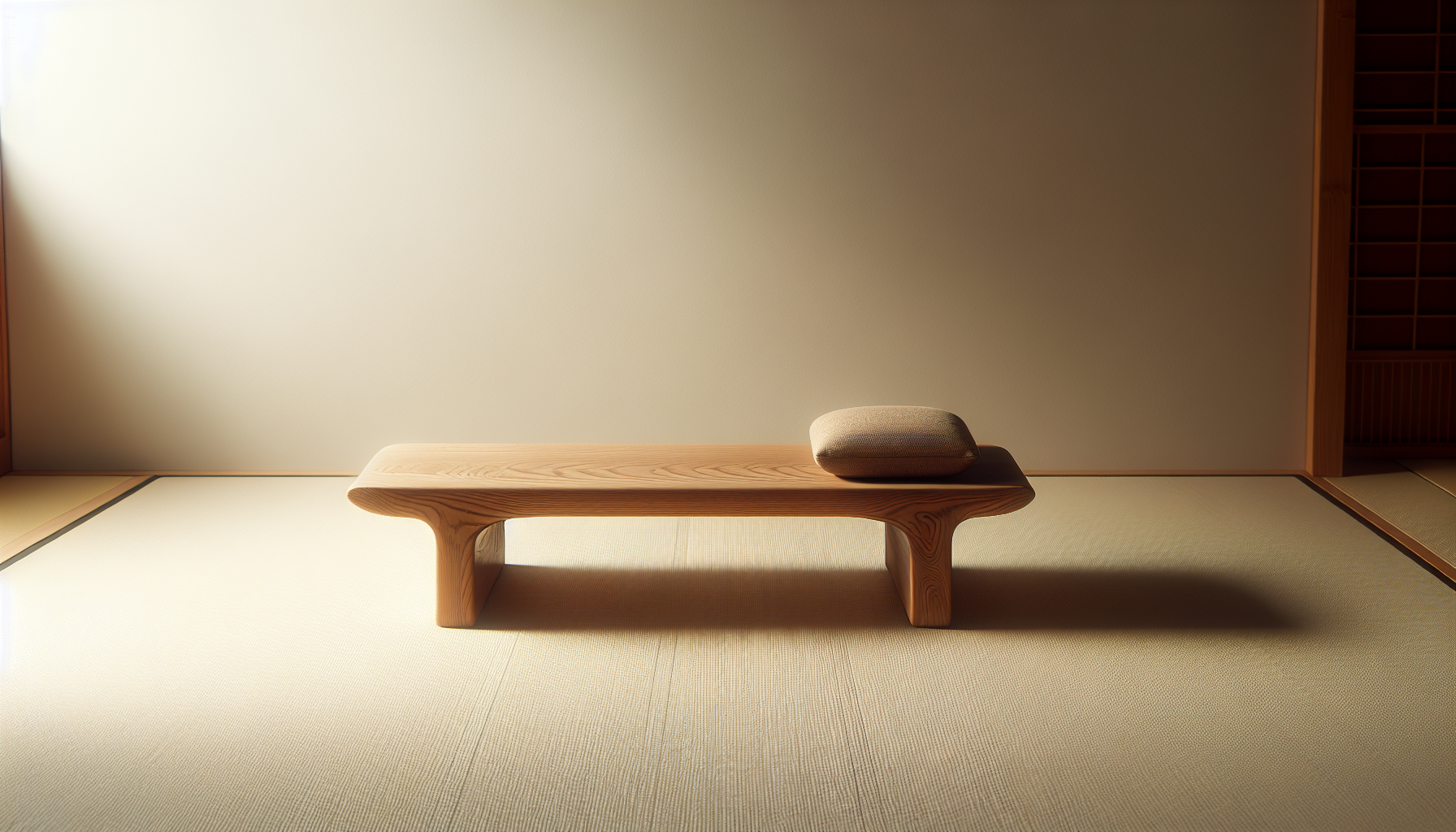
Have you ever walked into a room and felt immediately calm or oddly unsettled without being able to name why?
How people emotionally respond to Japandi interiors through furniture scale and spatial flow
Japandi combines Japanese restraint and Scandinavian warmth, and the way furniture is scaled and how space flows between pieces can shape how you feel in a room. This article breaks down the emotional mechanics behind Japandi interiors and gives practical guidance so you can shape spaces that feel intentional, comfortable, and psychologically satisfying.
What Japandi means for you
Japandi is a hybrid design language that blends Japanese minimalism, wabi‑sabi sensibilities, and Scandinavian functionality and hygge. For you, that means a focus on calm forms, natural materials, and an economy of objects that prioritizes presence and purpose.
Why furniture scale and spatial flow matter
Furniture scale and spatial flow determine how you move, rest, and perceive a space; they guide your body and your attention. Small changes in size, spacing, and circulation can create feelings ranging from intimacy and safety to openness and liberation.
The emotional foundations of interior responses
You experience interiors through intertwined channels: visual composition, tactile sensation, movement, and social affordances. Understanding these channels helps you intentionally design for emotional outcomes.
Perception and proxemics
Proxemics is the study of spatial distances between people and objects. When furniture reflects comfortable interpersonal distances, you feel at ease; when it’s too close or too sparse, you feel tense or isolated. You can use proxemic principles to tune intimacy and privacy in different zones of your home.
Prospect, refuge, and wayfinding
Psychological theories like prospect-refuge suggest you feel safest when you can see your surroundings (prospect) while having a sense of enclosure (refuge). When you plan flow and furniture arrangement, aim to give people clear sightlines while offering cozy spots to retreat to.
Biophilia and material warmth
Natural materials, organic shapes, and tactile surfaces trigger biophilic responses that calm your nervous system. Japandi’s wooden tones, matte finishes, and woven textures help you feel connected to nature even inside, influencing comfort and emotional stability.
Control, predictability, and cognitive load
A tidy, coherent layout reduces cognitive load and increases perceived control, which reduces stress. Furniture scale and predictable circulation paths help you anticipate movement and interactions, which supports calm and confidence.
Furniture scale: how size shapes feeling
Scale is not just size — it’s size relative to your body, the room, and other objects. Scale guides your posture, movement, and how much you feel “held” by the space.
Human scale and anthropometrics
Design using standard human measurements so furniture feels ergonomic and natural. When furniture conforms to your body proportions, you feel physically supported and emotionally secure.
- Typical seat height: 400–450 mm (16–18 in). This helps you sit and stand with ease.
- Sofa seat depth: 550–700 mm (22–28 in) depending on whether you prefer upright or lounging posture.
- Coffee table height: 350–450 mm (14–18 in), generally aligned slightly lower than sofa seat to maintain visual balance.
- Dining table height: 720–760 mm (28–30 in) with chair seat height ~450 mm (18 in) for comfortable leg clearance.
Proportion and visual balance
Proportion links the size of furniture pieces to each other and to the room. You feel visually grounded when there is a clear hierarchy — a primary piece anchors the room, secondary pieces support it, and accessories provide subtle rhythm.
- Rule of thirds works well: avoid multiple items of exactly equal height and mass.
- Keep lines and planes harmonious — low-profile seating with a taller light or shelving can produce a pleasing vertical counterpoint.
Low-profile vs. elevated furniture
Low-profile furniture (close to floor) produces a grounded, intimate feel that often evokes Japanese interiors and wabi-sabi quiet. Elevated furniture with visible legs introduces lightness and Scandinavian airiness. Use a mix to balance intimacy and spaciousness.
Visual weight and massing
Visual weight is affected by color, material, and solid vs. open structure. Heavier visual weight (dark colors, solid forms) can create stability and security but can also feel oppressive if overused. Lighter visual weight (open legs, narrow profiles, pale materials) communicates openness and calm.
Table: Visual cues and the emotional effect they tend to produce
| Visual cue | Typical emotional effect | When to use |
|---|---|---|
| Low, grounded seating | Intimacy, calm, contemplative | Small living areas, reading nooks |
| Elevated furniture (open legs) | Airiness, cleanliness, approachability | Open-plan rooms, creating height |
| Dark, solid massing | Security, formality, gravity | Anchoring a focal wall, entry halls |
| Pale wood and lighter fabrics | Warmth, friendliness, relaxation | Bedrooms, family rooms |
| Textured surfaces (woven, matte) | Tactile comfort, human scale | Accents, upholstery, soft furnishings |
| Minimal silhouettes | Mental clarity, reduced distraction | Home offices, minimalist bedrooms |
Spatial flow: how movement creates emotion
Spatial flow is about how people move through and perceive sequences of spaces. Your emotional response depends on how legible, comfortable, and varied those flows are.
Circulation clearances and comfort
Clear paths allow effortless movement and reduce friction in daily life, which lowers anxiety. Too little clearance makes you feel cramped, while too much open space without anchors can feel lost and impersonal.
Table: Recommended clearance guidelines for comfortable circulation
| Situation | Minimum clearance | Comfortable range | Emotional effect |
|---|---|---|---|
| Primary circulation (main walkway) | 900 mm (36 in) | 1000–1200 mm (39–48 in) | Ease of movement, unconstrained |
| Secondary circulation (between furniture) | 600 mm (24 in) | 750–900 mm (30–36 in) | Functional passage, cozy |
| Between sofa and coffee table | 300 mm (12 in) | 350–450 mm (14–18 in) | Intimacy, legroom |
| Dining chair to wall / obstacle | 900 mm (36 in) | 1000–1200 mm (39–48 in) | Comfortable seating and clearance |
| Between two sofas or seating groups | 900–1200 mm (36–48 in) | 1000–1300 mm (39–51 in) | Social conversation and circulation |
Sightlines and thresholds
Clear sightlines give you prospect; thresholds such as changes in flooring, rugs, or low screens create transitions that mentally prepare you for different activities. When transitions are legible and gentle, you feel oriented; abrupt or confusing thresholds increase stress.
Zoning and sequence
Zoning separates activities without heavy partitions. Low screens, open shelving, and rugs create distinct zones while maintaining flow. You feel both free and supported when zones are clearly but subtly defined.
Furniture arrangement patterns
Certain layouts reliably produce emotional outcomes:
- L‑shaped seating: supports family and social gatherings, fosters connection.
- Facing sofas across a coffee table: encourages conversation and shared focus.
- Single long bench or low seating: promotes contemplation and communal flexibility.
- Linear arrangements along walls: maximize circulation, creating a light, airy feel but can reduce intimacy.
Mapping scale and flow to emotional responses
This section gives you a practical mapping so you can intentionally create desired moods.
Table: Spatial cues to emotional outcomes and design actions
| Desired emotion | Scale & flow cues | Design actions |
|---|---|---|
| Calm/relaxation | Low-profile seating, warm pale woods, clear sightlines, soft circulation | Choose low sofas with warm upholstery, maintain 350–450 mm coffee gap, use pale oak finishes |
| Intimacy/coziness | Smaller clearances, lower lighting, clustered seating, tactile textiles | Reduce secondary circulation to 750 mm, cluster seating, add textured cushions and rugs |
| Spaciousness/freedom | Elevated furniture, open legs, generous primary circulation, minimal clutter | Use furniture on legs, maintain 1000–1200 mm main paths, keep surfaces decluttered |
| Focus/productivity | Predictable flow, dedicated zones, ergonomic furniture scale | Define work zone with desk 720–740 mm, maintain clear approach path, position desk to face prospect |
| Security/groundedness | Heavier anchor pieces, refuge nooks, darker accents in moderation | Anchor with a solid media console or low credenza, create reading alcove with low wall or screen |
| Warm sociability | Mix seating heights, communal dining scale, accessible flow | Use dining table 720–760 mm, benches or mixed chairs, maintain 900–1200 mm pathways |
Room-by-room guidelines
You can tune each room’s scale and flow to match its function while staying true to Japandi principles.
Living room
The living room balances social interaction and quiet. Use a primary anchor — typically a sofa — with secondary seating arranged to support conversation; keep primary circulation clear and design a low focal point like a wooden credenza or sculptural lamp to ground the space.
Practical tips:
- Sofa depth 600–700 mm for a balance of upright and lounge postures.
- Maintain at least 900 mm for main circulation behind sofa if it backs a walkway.
- Use rugs to define seating zones and create thresholds without blocking flow.
Bedroom
The bedroom is primarily for rest and recovery, so scale down and reduce visual complexity. Keep furniture low and proportionate to bed size, and limit circulation near the sleeping area so you feel sheltered and secure.
Practical tips:
- Bed platform height 350–450 mm for a grounded feel.
- Leave 600–800 mm clearance at bedside to allow movement without cluttering.
- Use a single tall wardrobe or low horizontal storage to maintain visual calm.
Kitchen and dining
Kitchens require functional clearances and social rhythm. You need generous workspace around cooking areas and a dining scale that supports communal eating without congestion.
Practical tips:
- Work triangle clearances: allow 900–1200 mm for workspace aisles.
- Dining clearance: 900–1200 mm behind seated diners for comfortable access.
- Use benches or mixed chairs to create warmth and flexibility.
Bathroom
Bathrooms benefit from efficient flow and tactile materials. Keep fixtures accessible and scaled for your body, and use warm wood tones or stone to soften typically hard surfaces.
Practical tips:
- Ensure 600–750 mm in front of vanity for comfort.
- Maintain visual simplicity: minimal fixtures, consistent material palette.
Home workspace
Your home workspace needs predictability and ergonomic scale. Position work surfaces to balance prospect and minimal distraction, and use storage to keep surfaces clear.
Practical tips:
- Desk height 720–740 mm; chair with adjustable seat 400–520 mm.
- Clear 900–1200 mm approach to desk for ease of movement and cognitive comfort.
- Create subtle visual boundaries using rug or low shelving for concentration.
Designing for different people and lifestyles
Everyone responds differently to scale and flow depending on age, mobility, social habits, and sensory preferences. Tailor Japandi principles to your occupants.
Families with children
You need durable surfaces, flexible furniture, and clear circulation for safety. Plan zones so play areas don’t block main paths and choose rounded profiles to reduce impact hazards.
Practical tips:
- Keep primary circulation at 1000–1200 mm to allow strollers and traffic.
- Use low storage to keep toys tucked away and maintain visual calm.
Older adults and mobility needs
Prioritize ease of movement and seated support. Increase clearances, use slightly higher seating where helpful, and minimize steps and thresholds.
Practical tips:
- Increase seat height toward 450 mm if standing is difficult.
- Primary circulation 1000–1200 mm; avoid rugs that create trip hazards.
Neurodiverse occupants
You may need reduced sensory load and consistent, legible layouts. Use predictable circulation, clearly defined zones, and softer textures to reduce overstimulation.
Practical tips:
- Keep open spaces anchored with low furniture to avoid a sense of exposure.
- Use materials with consistent tactile qualities and muted palettes.
Couples and shared living
Balance private and communal requirements. Provide clear sightlines for communication but also create small refuges for alone time.
Practical tips:
- Create at least one private nook like a small reading alcove.
- Ensure seating arrangements support face-to-face conversation without being forced.
Materials, lighting, and texture: the emotional amplifiers
Scale and flow interact with materials and lighting; together they determine how a space feels.
Material selection
Natural woods, matte ceramics, linen, and woven fibers amplify warmth and connection. The tactile quality of materials makes you more likely to linger and feel at ease.
Design action:
- Use pale oak or ash as primary wood tones; reserve darker accents for anchors.
- Limit glossy, high-reflective surfaces that increase visual stimulation.
Lighting design
Lighting modulates your feeling of scale and depth. Layered lighting (ambient, task, accent) helps you adapt emotional tone throughout the day.
Design action:
- Use lower, warm-toned ambient light for evening relaxation; keep task lights brighter but localized.
- Incorporate dimmers and multiple light sources to tune mood and perceived space.
Texture and pattern
Subtle texture adds depth without clutter. Patterns should be restrained to maintain Japandi clarity while giving tactile richness for comfort.
Design action:
- Use woven cushions, hand-thrown ceramics, and matte plaster for visual interest.
- Avoid busy bold patterns that compete with the calm rhythm of the room.
Case scenarios: before and after emotional shifts
Reading short examples helps you imagine practical outcomes and emotional changes you can create.
Scenario 1 — Small living room: from cramped to calm
Before: oversized sectional pushed against the wall, coffee table too large, narrow walkway obstructed, chaotic textiles. You feel claustrophobic and frazzled. After: replace sectional with a low-profile sofa and a slender lounge chair, reduce coffee table size to maintain 350–400 mm gap, introduce pale wood tones and one tactile rug. You now feel relaxed, oriented, and connected to others in the room.
Scenario 2 — Open-plan apartment: from impersonal to inviting
Before: uniform furniture all aligned to walls, long uninterrupted circulation, echoing acoustics. You feel distant and uninviting. After: introduce a low credenza as an anchor, add a rug to define seating zone, place elevated chairs to create vertical balance, and maintain a clear 1000 mm primary circulation. The space becomes warm and sociable while retaining openness.
Scenario 3 — Bedroom: from restless to restorative
Before: high bed with heavy headboard, cluttered surfaces, mismatched lighting. You feel restless and overstimulated at night. After: switch to a lower bed platform (350–400 mm), add soft bedside lighting with dimmers, clear surfaces with hidden storage, and use calm muted palette. You experience deeper relaxation and easier winding down.
Assessment tools and checklist
Use measurable checkpoints to evaluate how a room’s scale and flow are likely to affect emotion.
Table: Japandi spatial and scale checklist
| Item | Target | How to measure |
|---|---|---|
| Primary circulation width | 1000–1200 mm | Tape measure main walkways |
| Secondary circulation width | 600–900 mm | Measure between furniture pieces |
| Sofa seat height | 400–450 mm | Measure seat top to floor |
| Sofa depth | 550–700 mm | Measure seat depth (excluding back cushions) |
| Coffee table gap | 350–450 mm | Measure between sofa and table |
| Dining clearance behind chairs | 900–1200 mm | Measure distance to nearest obstruction |
| Visual anchor present | Yes/No | Identify a low credenza, rug, or focal piece |
| Layered lighting | Yes/No | Check for ambient, task, accent sources |
| Natural materials coverage | >50% recommended | Visual estimate of wood/stone/textiles vs. synthetic |
| Zone definition | Clear/Partial/None | Observe whether areas for activities are legible |
Use this checklist while standing in the room and walking normal circulation paths to get both objective and felt data.
Implementation: a phased approach
Implement changes gradually and test emotional outcomes by living in the space between steps.
- Audit and measure (1–2 days): walk your space with the checklist and tape measure. Note where clearances, sightlines, and anchors are missing.
- Declutter and prioritize (1 week): remove everything not useful or meaningful; keep surfaces calm.
- Anchor and zone (1–2 weeks): add or reposition one anchor (e.g., low console, rug) to define zones and test flow.
- Furniture scale adjustments (2–6 weeks): replace or reconfigure major pieces to meet anthropometric and clearance targets.
- Layer materials and lighting (1–2 weeks): introduce tactile elements and adjust lighting for time-of-day moods.
- Live and iterate (ongoing): use the checklist and your felt experience to tweak spacing and proportions.
Common mistakes and how you can avoid them
Understanding common pitfalls helps you keep emotional outcomes intentional.
- Mistake: Overcrowding with too many similarly sized pieces. Result: visual chaos and stress. Fix: Introduce hierarchy, remove or consolidate items, and keep three to five key pieces per zone.
- Mistake: Excessive open plan without anchors. Result: impersonal, echoing spaces. Fix: Add low partitions, rugs, or furniture clusters to create warmth.
- Mistake: Incorrect seating heights relative to user needs. Result: discomfort, reluctance to use space. Fix: Match seat height to body needs and provide mixed seating options.
- Mistake: Ignoring circulation paths. Result: frustration and blocked flow. Fix: Measure and maintain recommended clearances, and arrange furniture to support natural movement.
- Mistake: Overuse of dark dense materials. Result: heaviness and reduced light. Fix: Balance with pale woods and open-legged pieces to maintain airiness.
Practical tips for staying true to Japandi emotion
- Curate rather than accumulate: choose items that have a purpose or genuine aesthetic value. You’ll feel less distracted and more present.
- Contrast low and light: pair low, grounded seating with vertical light elements to create a balanced emotional field.
- Prioritize touch: include a small number of tactile textiles and ceramics so your hands and body can anchor emotionally.
- Tune lighting to circadian rhythm: warmer, lower light in evening supports rest; brighter, cooler light in work areas supports alertness.
- Keep natural rhythms: allow sightlines to a window or plant to maintain a steady biophilic anchor.
Final considerations and next steps
Your emotional response to a Japandi interior is shaped by measurable choices: furniture dimensions, spacing, sightlines, materiality, and lighting. When you design with human scale and thoughtful spatial flow, you create environments that support calm, sociability, and restorative comfort.
Start by measuring a single room and applying two or three of the guidance points above (adjust seat heights, improve your main circulation, and add a natural material anchor). Live with the changes, note how you feel, and iterate gradually. Over time, the cumulative effect of proportion, flow, and material will transform your space into one that feels purposeful and deeply resonant with your emotional needs.